The Host Read: How British Podcasts Turned the Advert Break Into Part of the Show
From Adam Buxton's rambling sponsor riffs to Steven Bartlett's full minute on a mattress, British podcasts have quietly made the host read the bit listeners remember — and the bit advertisers fight over.
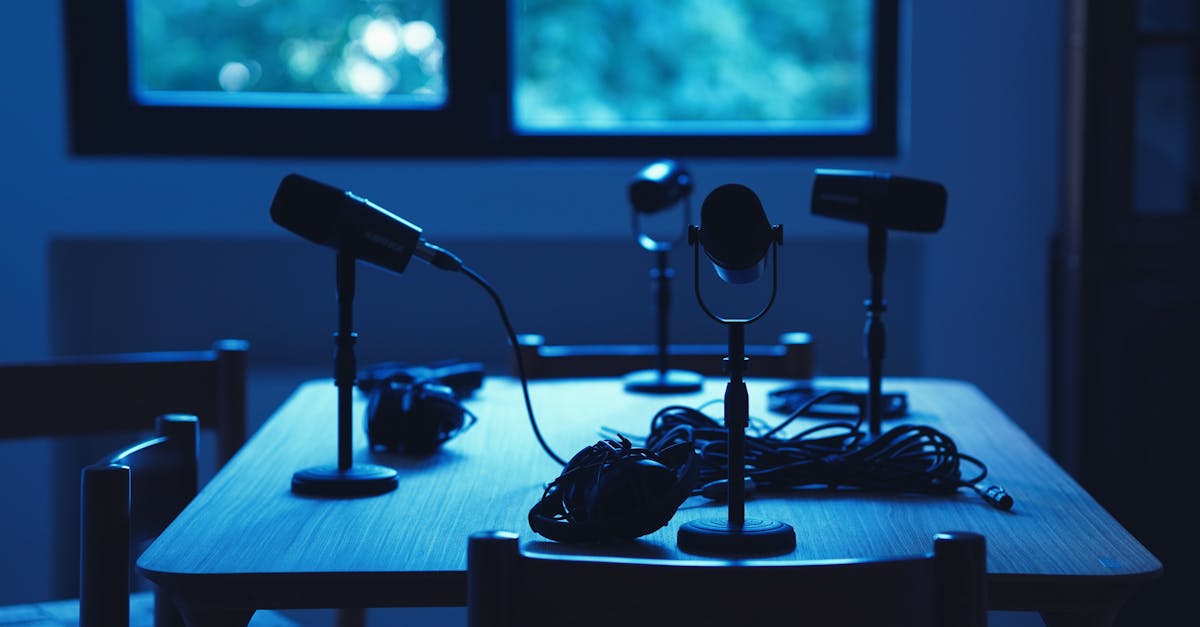
There is a particular silence that falls over a British podcast just before a host read. The chat thins out. Someone says, very deliberately, right. And then, for somewhere between forty seconds and two and a half minutes, a host you trust tells you about a mattress, a meal kit, a savings app or a sock subscription. If the show is doing it well, you laugh. If it is doing it badly, you skip thirty seconds and feel slightly cheated.
We wrote earlier about the mid-roll problem — the awkwardness of dynamic ad insertion when an algorithm drops a stranger into a show's pacing. This is the other half of that story. While DAI dominates the spreadsheet view of podcast revenue, the host read is what listeners actually remember, what advertisers covet most, and what the biggest British podcasts increasingly treat as a piece of craft in its own right.
This is a tour of how eight British shows handle the advert break — and what it tells us about where the money, and the listener attention, is really sitting in 2026.
Why the host read still wins
The industry's own data has been embarrassingly consistent for years. Acast's 2024 advertiser survey put unaided brand recall from host-read campaigns at roughly 2.4× that of dynamically inserted spots. Sounds Profitable's UK panel work last autumn pegged purchase-intent lift from host reads at 41% versus 17% for produced ads. The IAB UK's 2025 podcast attitudes report had 62% of weekly listeners saying they had bought something a host had personally endorsed in the past twelve months.
Numbers like these have done two things at once. They have driven CPMs for premium host-read inventory on flagship UK shows to between £45 and £90, depending on category — multiples of the £18–£25 you might pay for run-of-network DAI. And they have turned the read itself into something the show's producers genuinely sit down to write, not a forty-five second sigh between segments.
Eight British podcasts, eight ways to sell a mattress
| Podcast | Typical read length | Host approach | Sponsor pool feel | DAI mixed in? |
|---|---|---|---|---|
| The Adam Buxton Podcast | 90–180s | Discursive, often self-deprecating, may digress for two minutes about the product | Curated, low rotation (Squarespace, Athletic Greens, Babbel) | Rarely |
| The Diary of a CEO | 60–120s | Bartlett as believer-in-chief; reads framed as personal endorsement | Heavily tilted to founder-led brands he's invested in | Yes, at top and tail |
| The Rest Is History | 45–75s | Holland and Sandbrook in character; sponsor often integrated into a bit | Premium long-tail (Babbel, NordVPN, financial services) | Mid-roll only |
| The Rest Is Politics | 30–60s | Campbell and Stewart, brisker, almost newsreader-paced | Lots of finance and B2B SaaS | Yes |
| Off Menu | 60–90s | Acaster and Sodha riff a fake dish from the brand | Food, drink, household | Pre-roll DAI |
| Shagged Married Annoyed | 45–75s | Family-anecdote framing from the Ramseys | Family, retail, telco | Mid-roll DAI |
| The High Performance Podcast | 60–90s | Hughes and Kelly cite the brand inside the week's theme | Health, finance, productivity | Yes |
| Newscast | 15–30s | BBC sponsorship slots only; tightly scripted | BBC-permitted brands | No |
A few things jump out before we even unpack them. Goalhanger's flagship shows — Rest Is History, Rest Is Politics — sit at the brisker, more disciplined end. Bartlett and Buxton, very different shows in almost every other way, both treat the read as long-form territory worth more than a minute of the episode. And the only show on the list with a true zero on DAI is the one that is not allowed to take outside ads at all.
The Buxton model: read as digression
Adam Buxton is the British godfather of treating the host read as comedy. A Squarespace ad on his show might genuinely become a four-minute bit involving a fictional client called Pauline, a song improvised on a Yamaha keyboard, and at least one apology to the listener for losing the thread. The read is, in a real sense, part of the show. Long-time listeners look forward to it.
The reason this works — and the reason it is so hard to copy — is that the sponsor is treated as raw material rather than as a guest. Buxton's producer-collaborator Séamus Murphy-Mitchell once described their approach in an Audio UK interview as "write the joke first, fit the brand to it second." The result is reads with the highest unaided recall any UK measurement company has been able to find. It is also, conveniently, why brands are willing to wait months for a slot and pay a premium most of the rest of the market would consider absurd.
The Bartlett model: read as conviction
Steven Bartlett's Diary of a CEO reads work on a completely different principle: total earnestness. The host, frequently disclosed as an investor or advisor to the brand in question, talks for ninety seconds about why the product changed something in his own routine. The reads are scripted but performed as if remembered. The brand is rarely the subject of a joke.
This is a model that only works if your audience trusts the host as a curator of their own life, not a host of a show. Diary of a CEO's data partner Magellan has reported click-through rates on Bartlett reads in the 3–6% range — five to ten times typical podcast benchmarks. The cost is brand promiscuity: the same listener who buys the supplement may notice that Bartlett owns a piece of the company, and the perceived neutrality of the read takes a small hit each time.
The Goalhanger model: read as discipline
Goalhanger's shows treat reads as a constrained but well-produced part of the format. The Rest Is History averages around a minute, with Tom Holland or Dominic Sandbrook delivering copy that has clearly been topped and tailed in-house to fit their voice and the day's subject. The Rest Is Politics runs even tighter. There is rarely a digression. There is almost never a joke at the brand's expense.
This approach makes Goalhanger one of the most advertiser-friendly properties in British podcasting. Brand managers know what they are getting; reads sit cleanly inside an episode; the show's chart performance underwrites premium pricing. It is the model most likely to be copied across the industry over the next two years, simply because it scales.
When the read becomes the show
There is a quiet anxiety in the industry about this, and it is worth naming. Several shows now spend roughly 6–8% of total runtime on host reads, with two or three per episode plus DAI on top. Diary of a CEO's longer episodes can carry as much as nine minutes of advertising in a 90-minute show, much of it host-led. The Rest Is History's back catalogue, listened to on a long drive, can feel like an ad break every twelve minutes once both pre-roll and mid-roll fire.
The risk is not commercial — the numbers, as the table above suggests, comfortably support the load. The risk is editorial. Once the host read is so integrated that it is hard to distinguish from the show's own content, the trust that makes the read effective in the first place starts to corrode. We are not yet at the point where mainstream British podcasts are losing audience over this. But the more sophisticated production houses — and Goalhanger's editorial leadership in particular — talk privately about a ceiling that has not been hit yet but is in sight.
What the next year probably brings
Three things to watch.
- The AI host-read. Two UK platforms are quietly trialling synthesised host reads — the host's own voice, the host's own cadence, copy they have approved but never actually performed. Listener trials so far show only a small dip in recall. The ethical conversation is going to be loud.
- The disclosed-investor read. Bartlett's model is being copied. Expect a regulatory nudge from the ASA before the year is out, probably requiring clearer in-show disclosures than the current footnotes-in-the-description norm.
- The shorter read. Goalhanger's disciplined 45–60 second model is quietly displacing the looser 90-second Buxton-style read on shows trying to grow video clip counts. A shorter read is easier to lift, easier to skip-edit, and easier to drop into a vertical clip without losing the show's pacing.
None of these are existential changes. But taken together, they tilt the host read further toward being a piece of programming with its own constraints, its own writing process and its own performance choices — rather than the mildly embarrassing pause it was a decade ago.
The honest answer to the listener
When people ask why they actually buy things they hear on podcasts — and the data says they do, more than from almost any other ad surface — the explanation that survives scrutiny is this. A host they have spent dozens or hundreds of hours with reads them a piece of copy that has been written for that host's voice. The read sounds like the show because it is the show. That is the trick, that is the craft, and that is the reason the advert break is not going anywhere.