The Quanta Podcast
368 episodes — Page 2 of 8
Audio Edition: Matter vs. Force: Why There Are Exactly Two Types of Particles
Every elementary particle falls into one of two categories. Collectivist bosons account for the forces that move us while individualist fermions keep our atoms from collapsing.The story Matter vs. Force: Why There Are Exactly Two Types of Particles first appeared on Quanta Magazine.
Do AI Models Agree On How They Encode Reality?
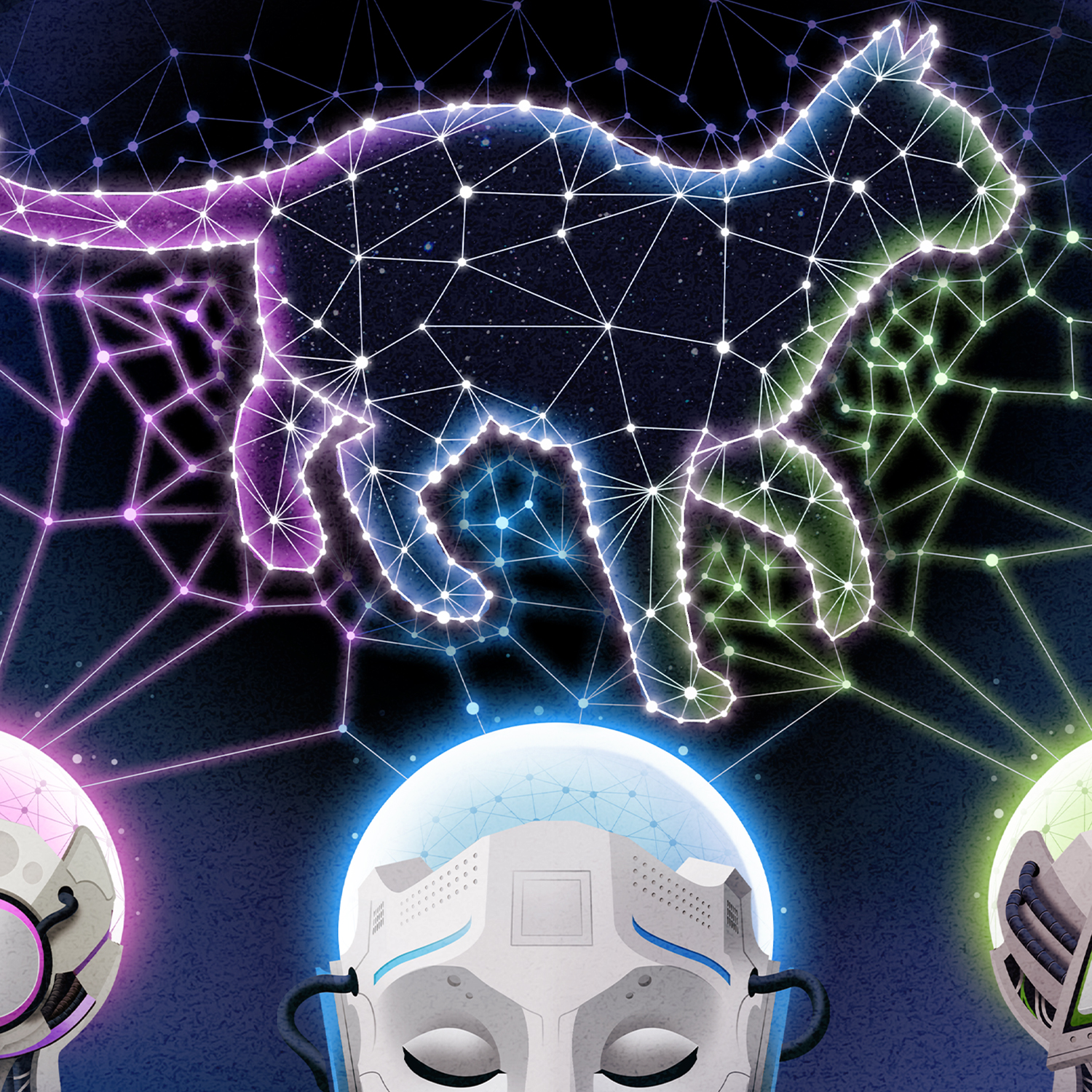
In the allegory of Plato’s cave, prisoners see the world only through shadows. Extending this metaphor to AI, AI models are the prisoners and the shadows are streams of data. Are all models converging on a singular representation of reality? On this week’s episode of The Quanta Podcast, host Samir Patel speaks with staff writer Ben Brubaker about how, despite being trained on entirely different data types, different models can somehow develop similar internal representations. This topic was covered in a recent story for Quanta Magazine. Each week on The Quanta Podcast, Quanta Magazine editor in chief Samir Patel speaks with the people behind the award-winning publication to navigate through some of the most important and mind-expanding questions in science and math.Audio coda: The Cave: A Parable Told By Orson Welles, Produced by Counterpoint Films, directed by Sam Weiss, and illustrated by Dick Oden. https://www.acmi.net.au/works/65888--the-cave-a-parable-told-by-orson-welles/
Is Particle Physics Dead, Dying, or Just Hard?
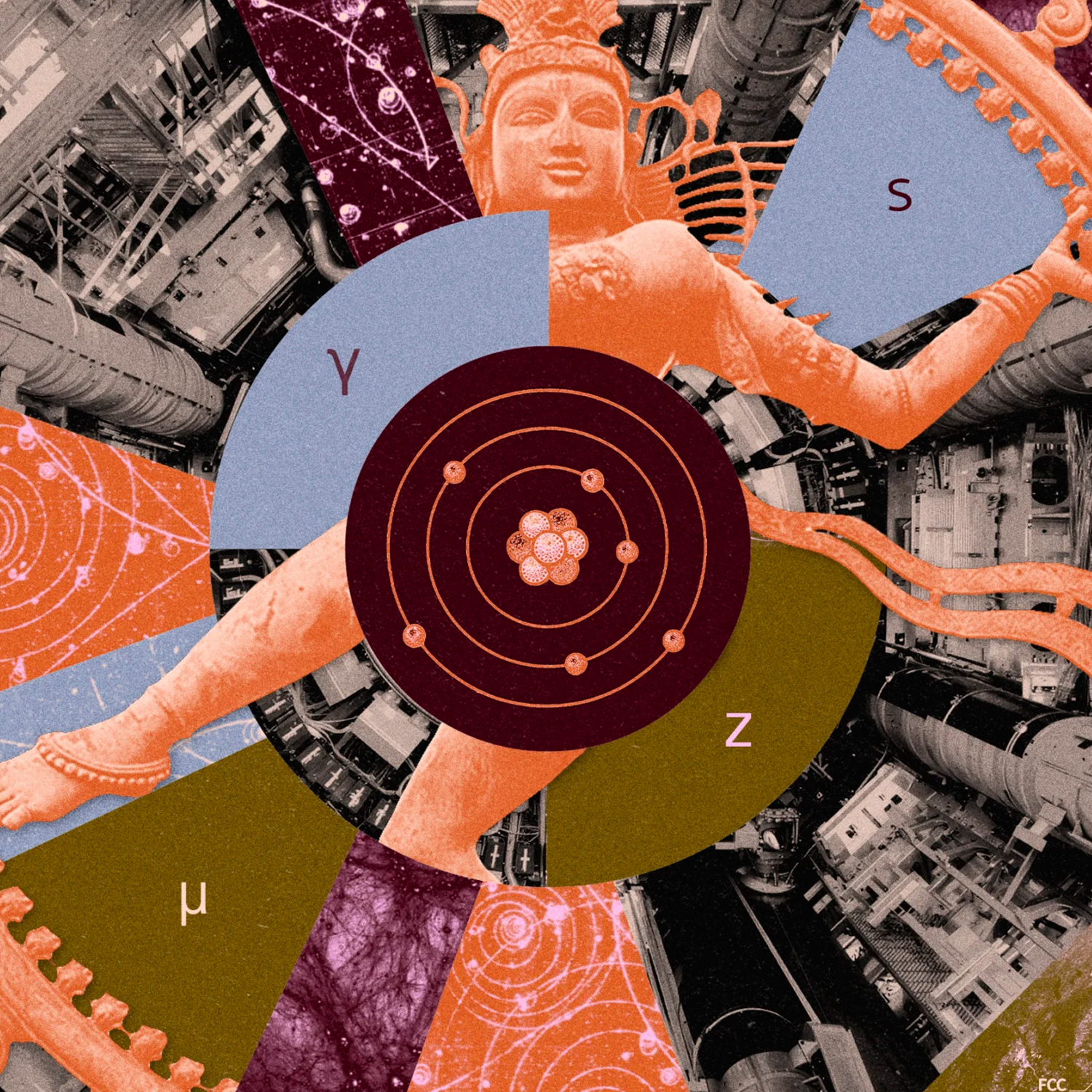
Particle physics hasn't yet found the new physics needed to resolve its deepest mysteries. It’s hard to know what to think about or look for. But the most devoted particle physicists are thinking and looking all the same. On this episode, host Samir Patel and columnist Natalie Wolchover discuss the first of our new series of curiosity-driven essays, Qualia, where Natalie asks particle physicists whether the field is facing a profound crisis. This topic was covered in a recent story for Quanta Magazine. Each week on The Quanta Podcast, Quanta Magazine editor in chief Samir Patel speaks with the people behind the award-winning publication to navigate through some of the most important and mind-expanding questions in science and math.Audio Coda provided by UCL High Energy Physics.
Audio Edition: How Can AI Researchers Save Energy? By Going Backward.
Reversible programs run backward as easily as they run forward, saving energy in theory. After decades of research, they may soon power AI.The story How Can AI Researchers Save Energy? By Going Backward first appeared on Quanta Magazine.
Does Dad's Fitness Make Its Way Into Sperm?
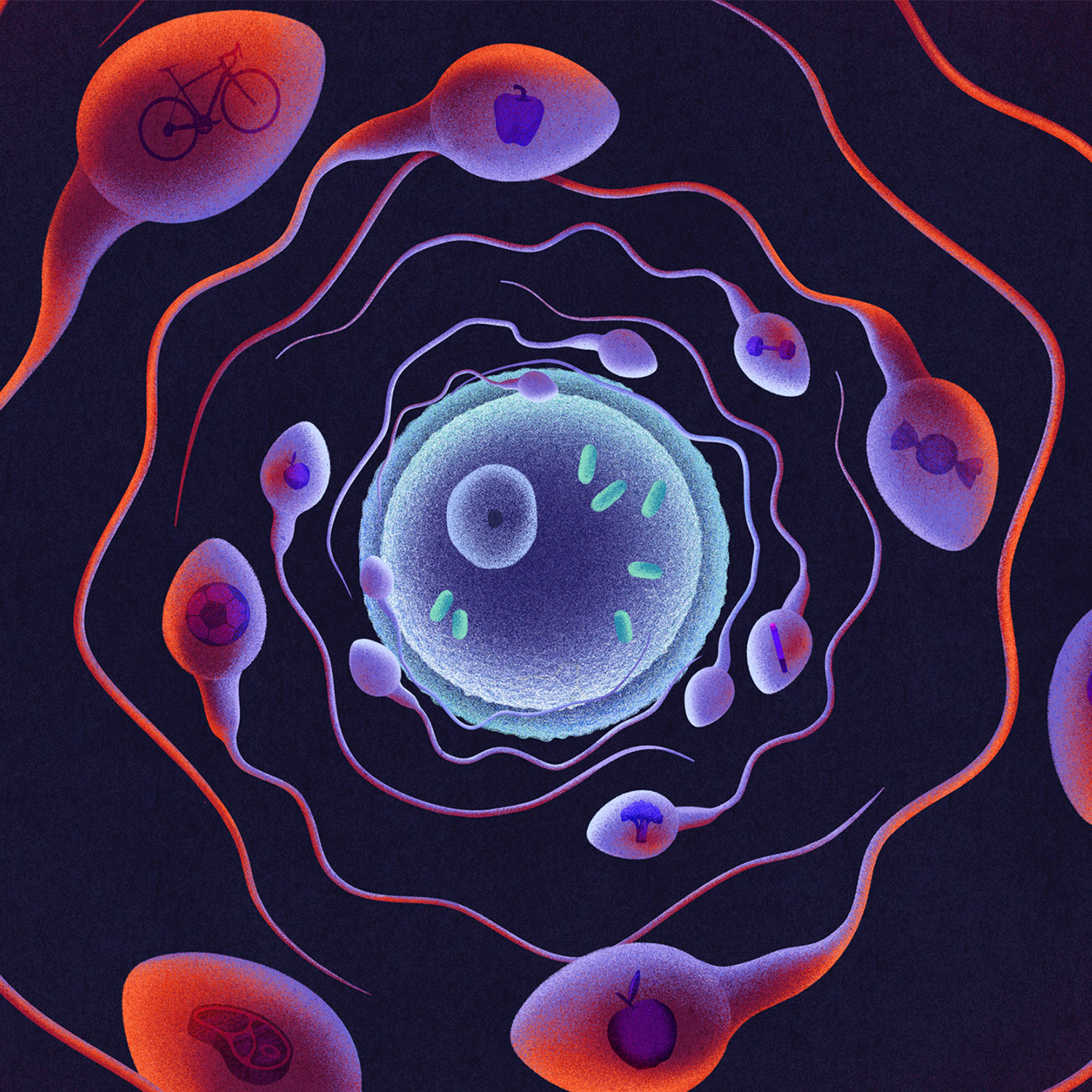
We already know that what we eat, drink, and inhale can affect which parts of our DNA are expressed, and which aren’t. But recent research poses a shocking idea: A dad’s habits may be encoded in molecules and transmitted to his future kids. On this episode, host Samir Patel and biology editor Hannah Waters dig into the new epigenetic mouse studies exploring whether sperm cells carry more than just genetic information. This topic was covered in a recent story for Quanta Magazine. Each week on The Quanta Podcast, Quanta Magazine editor in chief Samir Patel speaks with the people behind the award-winning publication to navigate through some of the most important and mind-expanding questions in science and math.Audio coda in this episode: Motivation and reward in learning - Produced by the Institute of Human Relations at Yale University, Published by Penn State University, Psychological Cinema Register [1948].
The Shape That Can’t Pass Through Itself
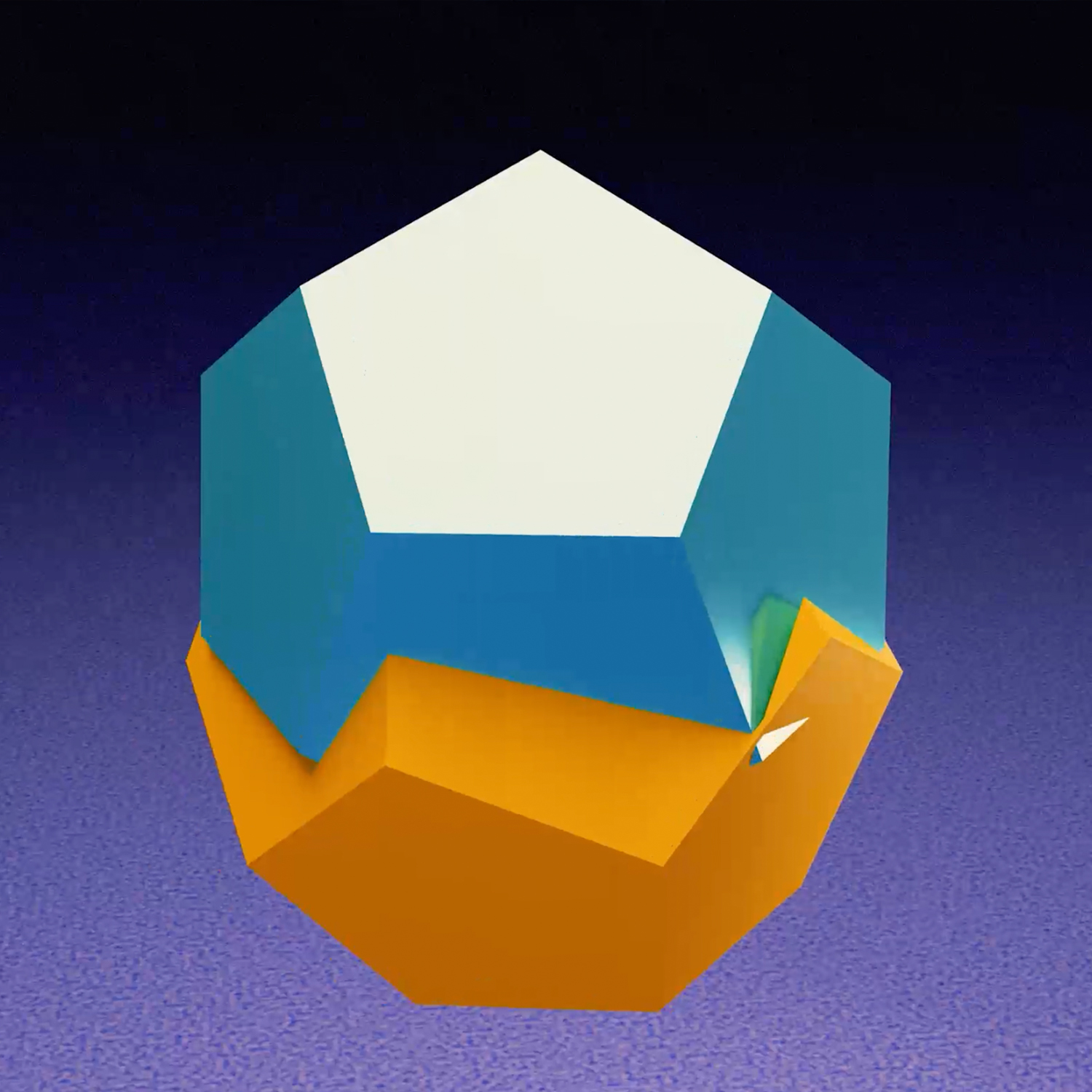
Imagine you’re holding two equal-size dice. Is it possible to bore a tunnel through one die that’s big enough for the other to slide through? It is — but what about other shapes? In a paper posted online in August, two researchers describe a shape with 90 vertices and 152 faces that they’ve named the Noperthedron, the first convex polyhedron that definitely cannot pass through itself. In this episode, Quanta contributor Erica Klarriech tells host Samir Patel about how the researchers discovered the shape, and how it solves a centuries-old geometric mystery. Audio coda courtesy of the Gemsmen Renaissance Consort.
Audio Edition: How Much Energy Does It Take To Think?
Studies of neural metabolism reveal our brain’s effort to keep us alive and the evolutionary constraints that sculpted our most complex organ.The story How Much Energy Does It Take To Think? first appeared on Quanta Magazine.
AI Filters Will Always Have Holes
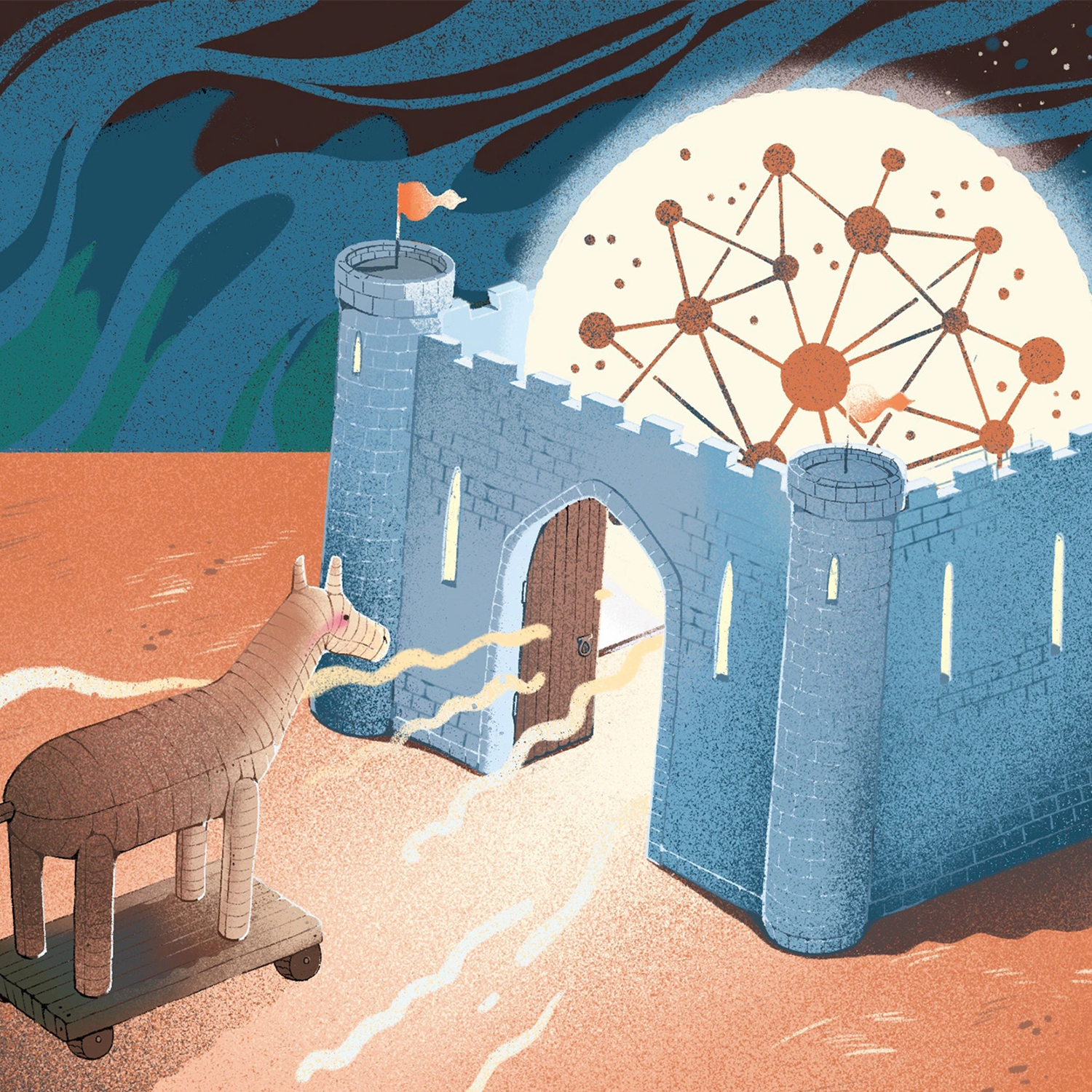
Ask ChatGPT how to build a bomb, and it will flatly respond that it “can’t help with that.” But users have long played a cat-and-mouse game to try to trick language models into providing forbidden information. Just as quickly as these “jailbreaks” appear, AI companies patch them by simply filtering out forbidden prompts before they ever reach the model itself.Recently, cryptographers have shown how the defensive filters put around powerful language models can be subverted by well-studied cryptographic tools. In fact, they’ve shown how the very nature of this two-tier system — a filter that protects a powerful language model inside it — creates gaps in the defenses that can always be exploited. In this episode, Quanta executive editor Michael Moyer tells Samir Patel about the findings and implications of this new work.Audio coda courtesy of Banana Breakdown.

ICYMI: Birds' Migratory Mitochondria
(This episode was first published in June 2025.)Changes in the number, shape, efficiency and interconnectedness of organelles in the cells of flight muscles provide extra energy for birds’ continent-spanning feats.This is the fifth episode of The Quanta Podcast. In each episode, Quanta Magazine editor in chief Samir Patel speaks with the minds behind the award-winning publication to navigate through some of the most important and mind-expanding questions in science and math.
ICYMI: Is Gravity Just Rising Entropy?
(This episode was first published in July 2025.) Where does gravity come from? In both general relativity and quantum mechanics, this question is a big problem. One controversial theory proposes that the force arises from the universe's tendency toward disorder, or entropy. In this episode, host Samir Patel speaks with contributing writer George Musser about the long-shot idea called "entropic gravity," which Musser covered in a recent story for Quanta Magazine.Each week on The Quanta Podcast, Quanta Magazine editor in chief Samir Patel speaks with the minds behind the award-winning publication to navigate through some of the most important and mind-expanding questions in science and math.Audio coda provided by Cosmic Perspective.
S1 Ep 39Audio Edition: The Core of Fermat’s Last Theorem Just Got Superpowered
By extending the scope of the key insight behind Fermat’s Last Theorem, four mathematicians have made great strides toward building a “grand unified theory” of math.The story The Core of Fermat’s Last Theorem Just Got Superpowered first appeared on Quanta Magazine.
S1 Ep 38Taking the Temperature of Quantum Entanglement
We all know that hot coffee cools down. But quantum mechanics can enable heat to flow the “wrong” way, making hot objects hotter and cold objects colder. Now physicists think this might have an ingenious use. On this week’s episode, host Samir Patel speaks with writer Philip Ball about how a new "quantum demon” may allow information to be processed in ways that classical physics does not permit. This topic was covered in a recent story for Quanta Magazine. Each week on The Quanta Podcast, Quanta Magazine editor in chief Samir Patel speaks with the people behind the award-winning publication to navigate through some of the most important and mind-expanding questions in science and math.Audio coda by Forma, courtesy of Kranky.

S1 Ep 37How Hard Is It to Untie a Knot?
In math and science, knots do far more than keep shoes on feet. For more than a century, mathematicians have studied the properties of different knots and been rewarded by a wide range of useful applications across science. Classifying how some knots are different from others is an important part of this work. Earlier this year, two mathematicians found that a theory for how to differentiate between knots is false. In fact, they found infinitely many counterexamples that prove that this method for studying knots does not work the way it’s supposed to. In this episode, contributing writer Leila Sloman joins editor in chief Samir Patel to tell the story of how the unknotting number came unraveled.Audio coda courtesy of Zinadelphia.
S1 Ep 36Audio Edition: How a Problem About Pigeons Powers Complexity Theory
When pigeons outnumber pigeonholes, some birds must double up. This obvious statement — and its inverse — have deep connections to many areas of math and computer science.The story How a Problem About Pigeons Powers Complexity Theory first appeared on Quanta Magazine.

S1 Ep 35What Happens When Lakes Stop Mixing
Every summer since 1983, scientists at Crater Lake National Park have gathered data about the lake’s famous clarity. This past summer, Quanta contributing writer Rachel Nuwer journeyed with them as they conducted their annual tests. On this week’s episode, Nuwer and host Samir Patel discuss what gives the lake its vivid blue color, and what its data can tell us about the way water moves through a deep temperate lake.Each week on The Quanta Podcast, Quanta Magazine editor in chief Samir Patel speaks with the people behind the award-winning publication to navigate through some of the most important and mind-expanding questions in science and math.Audio coda recorded at Crater Lake National Park in July 2010 by the National Park Service Natural Sounds Program.
S1 Ep 34Game Theory, Algorithms and High Prices
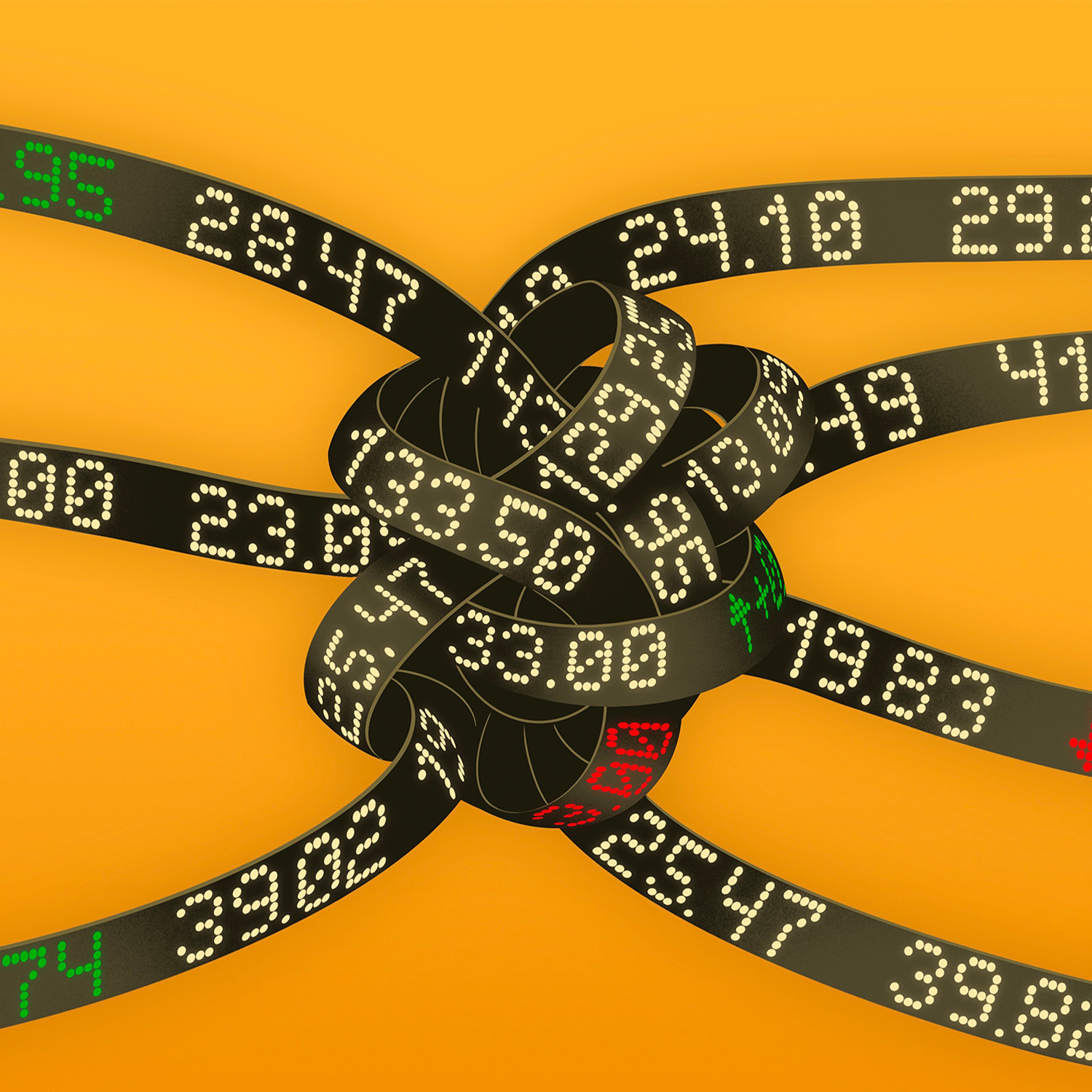
How do sellers decide how to price their goods? Competition should keep prices down, while collusion can rig higher prices (and break the law). On this week’s episode, host Samir Patel speaks with staff writer Ben Brubaker about how computer scientists are using game theory to see how algorithms might result in high prices without shady backroom deals. This topic was covered in a recent story for Quanta Magazine. Each week on The Quanta Podcast, Quanta Magazine editor in chief Samir Patel speaks with the people behind the award-winning publication to navigate through some of the most important and mind-expanding questions in science and math.Tom 7's YouTube channelAudio coda from FDR Presidential Library & Museum.

S1 Ep 33Why Are Waves So Hard to Grasp?
At first glance, studying the math of waves seems like it should be smooth sailing. But the equations that describe even the gentlest rolling waves are a mathematical nightmare to solve. On this week’s episode, host Samir Patel speaks with math staff writer Joseph Howlett why waves are so elusive, even in a simplified world of equations. This topic was covered in a recent story for Quanta Magazine. Each week on The Quanta Podcast, Quanta Magazine editor in chief Samir Patel speaks with the people behind the award-winning publication to navigate through some of the most important and mind-expanding questions in science and math.Audio coda is "The Merry Golden Tree" by Shovel Dance Collective.

S1 Ep 33Sleep Is Not All or Nothing
Salvador Dalí, Thomas Edison and Edgar Allan Poe all took inspiration from the state between sleep and waking life. On this week’s episode, host Samir Patel speaks with biology staff writer Yasemin Saplakoglu about how brain systems dictate the strange transitions into and out of sleep. This topic was covered in a recent story for Quanta Magazine. Each week on The Quanta Podcast, Quanta Magazine editor in chief Samir Patel speaks with the people behind the award-winning publication to navigate through some of the most important and mind-expanding questions in science and math.Audio coda: Copyright in The Mike Wallace Interview with Salvador Dalí is owned by the University of Michigan Board of Regents and managed by Bentley Historical Library, University of Michigan. The Harry Ransom Center (HRC) at the University of Texas, Austin University Libraries, is the owner of the physical kinescope.
S1 Ep 32Audio Edition: A New Proof Smooths Out the Math of Melting
A powerful mathematical technique is used to model melting ice and other phenomena. But it has long been imperiled by certain “nightmare scenarios.” A new proof has removed that obstacle.The story A New Proof Smooths Out the Math of Melting first appeared on Quanta Magazine.
S1 Ep 33The Mystery of the Early Universe’s Little Red Dots
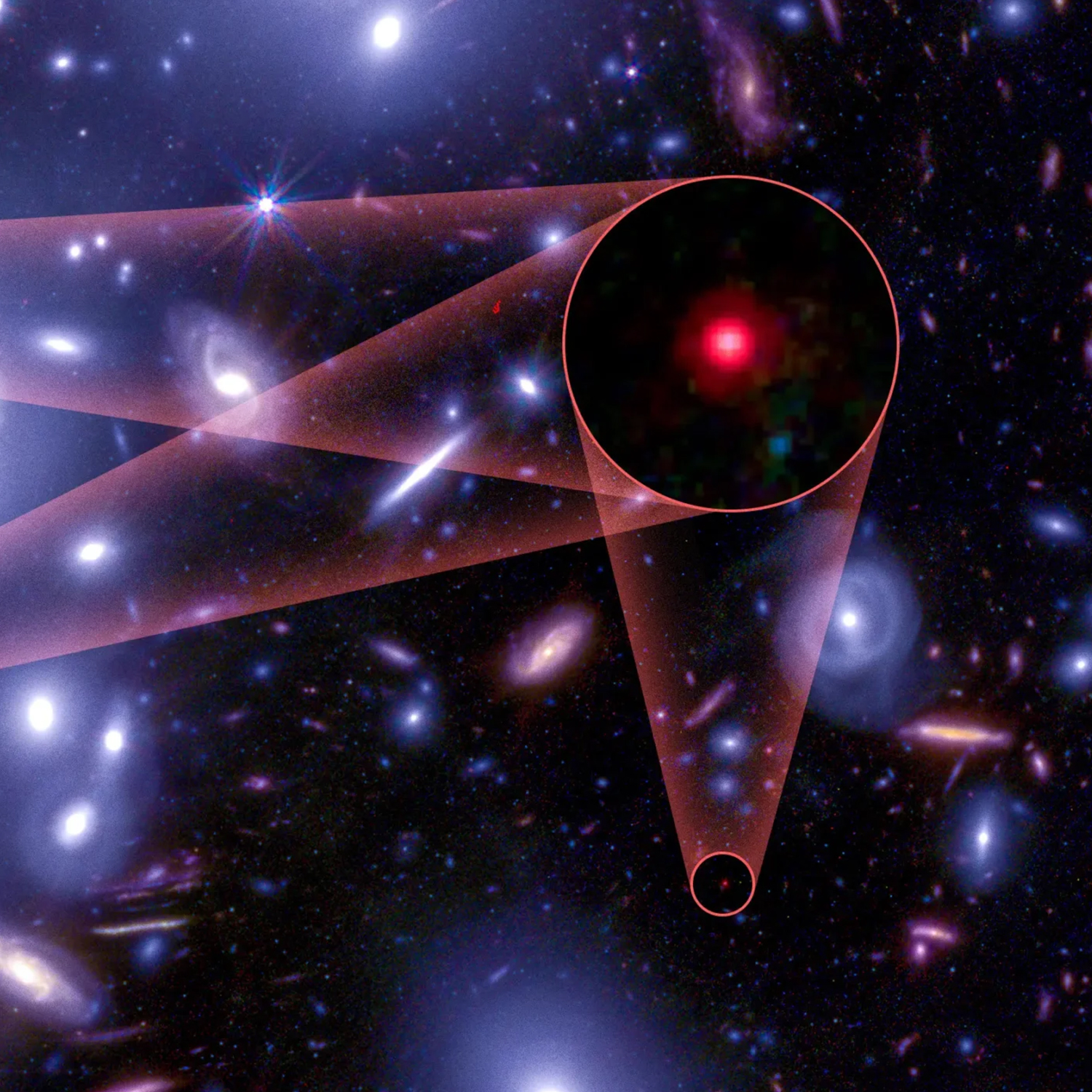
Recently, astrophysicists identified something peculiar: An enormous “naked” black hole with no galaxy in sight. On this week’s episode, host Samir Patel speaks with physics staff writer Charlie Wood about how the strange little red dot is upending our assumptions of the first billion years of cosmic history. This topic was covered in a recent story for Quanta Magazine. Each week on The Quanta Podcast, Quanta Magazine editor in chief Samir Patel speaks with the people behind the award-winning publication to navigate through some of the most important and mind-expanding questions in science and math.Audio coda courtesy of Caltech/MIT/LIGO Lab.
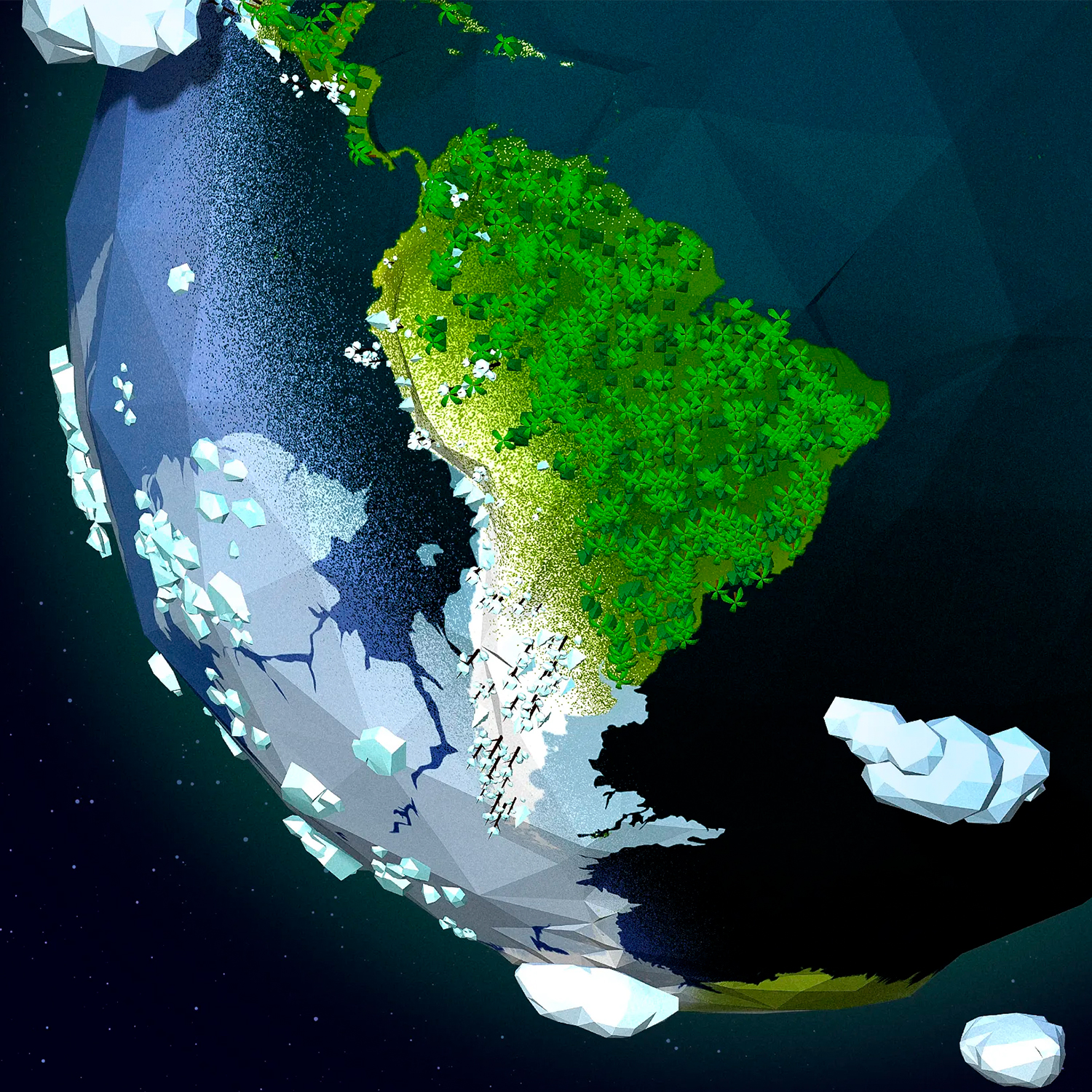
S1 Ep 32A Biography of Earth Across the Age of Animals
Thanks to a delicate interplay between plate tectonics and life, Earth’s thermostat has kept animal life thriving on our planet for half a billion years. On this week’s episode, host Samir Patel speaks with contributing writer Peter Brannen about our planetary highs and lows, and the precarious goldilocks zone our animal-filled finds itself in now. This topic was covered in a recent story for Quanta Magazine. Each week on The Quanta Podcast, Quanta Magazine editor in chief Samir Patel speaks with the people behind the award-winning publication to navigate through some of the most important and mind-expanding questions in science and math.Audio coda courtesy of Martin Rietze's YouTube channel.
S1 Ep 31Audio Edition: ‘Paraparticles’ Would Be a Third Kingdom of Quantum Particle
A new proposal makes the case that paraparticles — a new category of quantum particle — could be created in exotic materials.The story ‘Paraparticles’ Would Be a Third Kingdom of Quantum Particle first appeared on Quanta Magazine.

S1 Ep 30What We Learn From Running ‘Life’ in Reverse
Imagine a set of simple building blocks that can self-assemble into any shape you want. The possibilities for such a technology could be boundless. Inspired by nature, “complexity engineering” seeks to design such blocks, building on a classic computer simulation. On this week’s episode, host Samir Patel speaks with contributing writer George Musser about recent developments in so-called cellular automata. This topic was covered in a recent story for Quanta Magazine. Each week on The Quanta Podcast, Quanta Magazine editor in chief Samir Patel speaks with the people behind the award-winning publication to navigate through some of the most important and mind-expanding questions in science and math.Audio coda courtesy of the Simons Foundation.
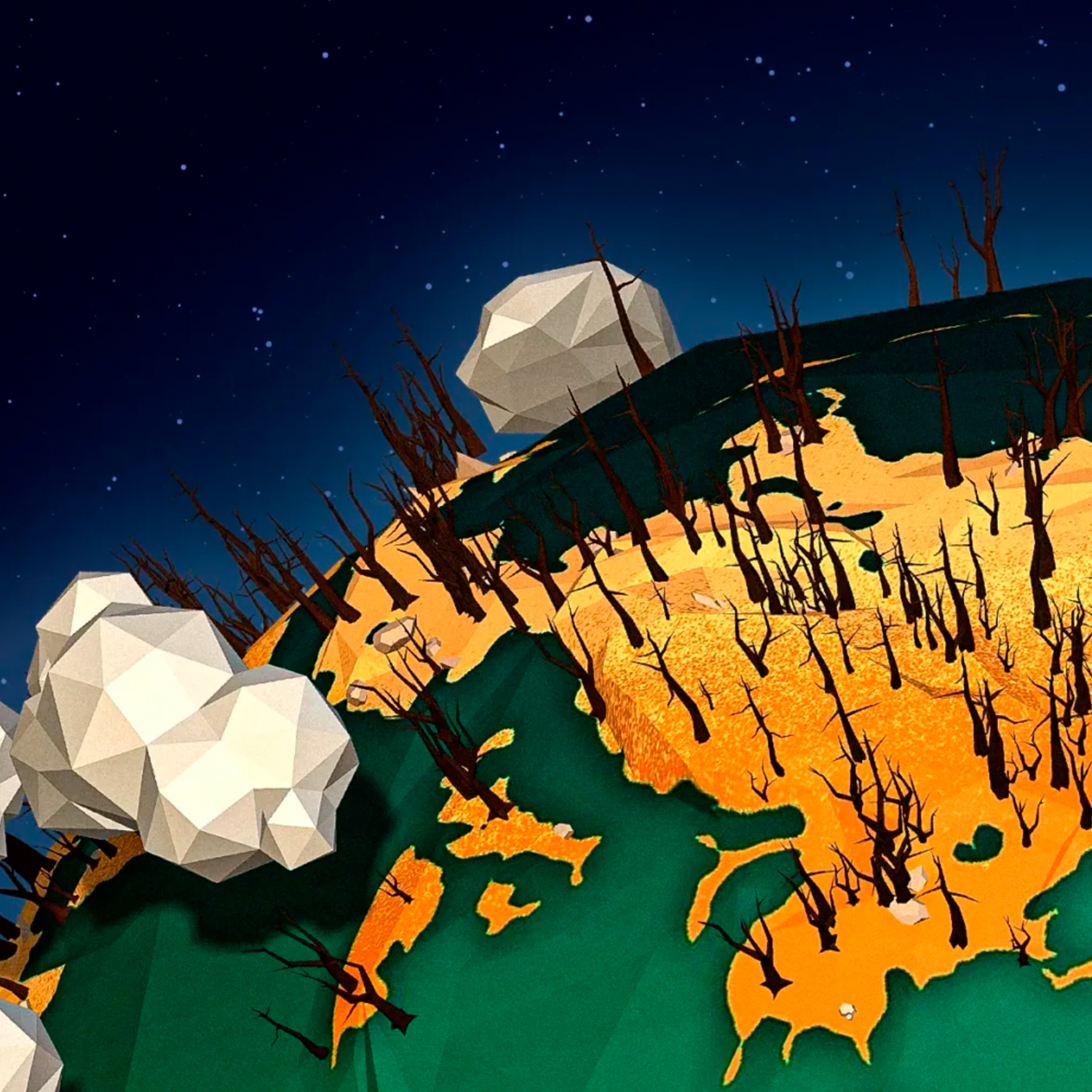
S1 Ep 29The Math of Catastrophe
Around 6,000 years ago, the Sahara was a lush grassland. Then, as if a switch flipped, it began to dry out, becoming the desert that we know today. Tipping points are moments in Earth’s history where gradual change suddenly becomes rapid and forms a new equilibrium.They’re one of the most alarming threats of our planet’s near future — and one of the most uncertain.When will a tipping point occur? Mathematicians are attempting to turn vague, apocalyptic visions into something that we can actually prepare for and deal with. On this week’s episode, host Samir Patel speaks with contributing writer Gregory Barber about what tipping points can — and cannot — tell us about the future of our planet. This topic was covered in a recent story for Quanta Magazine.Each week on The Quanta Podcast, Quanta Magazine editor in chief Samir Patel speaks with the people behind the award-winning publication to navigate through some of the most important and mind-expanding questions in science and math.Audio coda courtesy of Gresham College.
S1 Ep 28Audio Edition: Quantum Speedup Found for Huge Class of Hard Problems
It’s been difficult to find important questions that quantum computers can answer faster than classical machines, but a new algorithm appears to do it for some critical optimization tasks.The story Quantum Speedup Found for Huge Class of Hard Problems first appeared on Quanta Magazine.
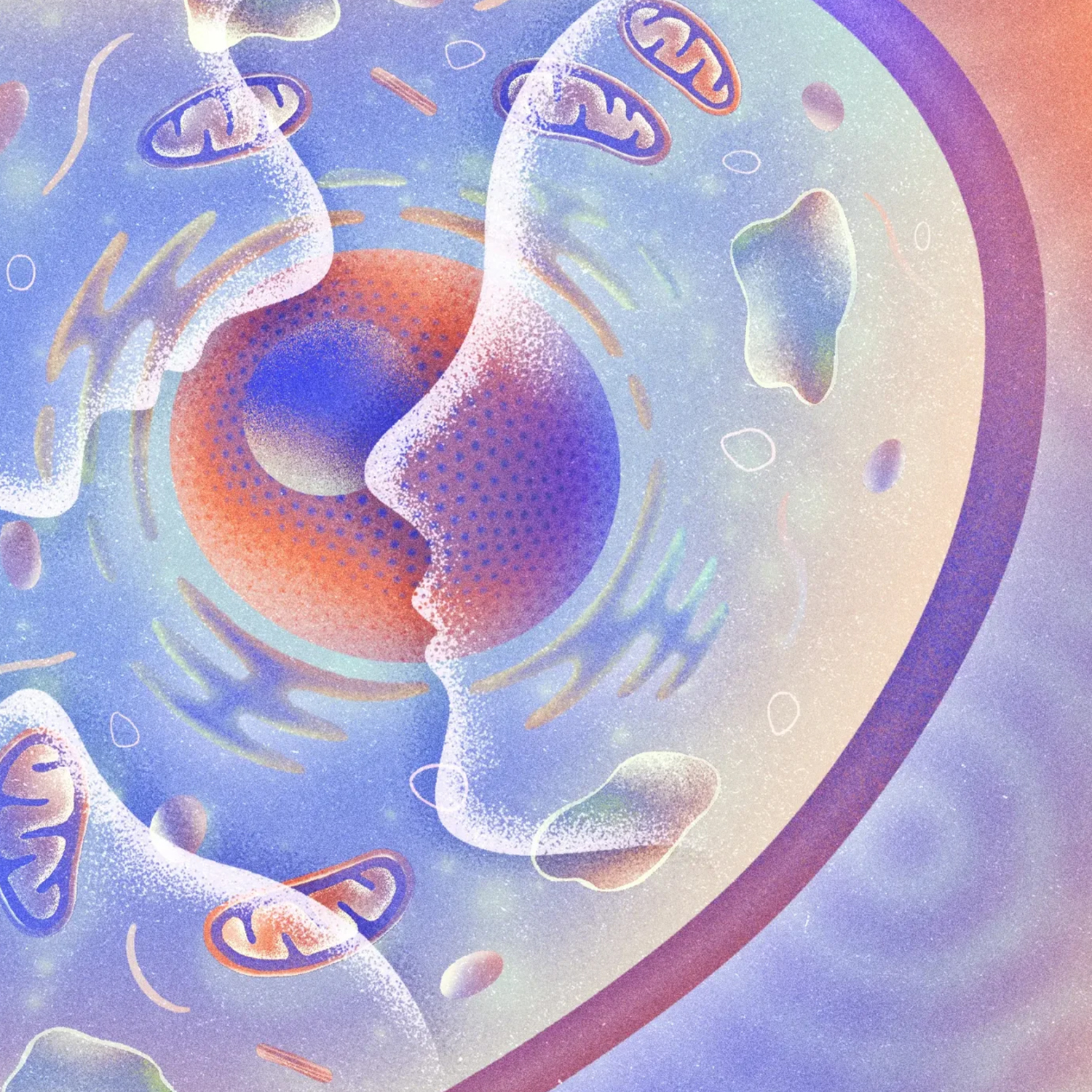
S1 Ep 27What Can a Cell Remember?
“Memory” means many things to many people, and in many fields. We tend to understand memory to be a phenomenon that happens primarily in the brain, but in recent years, researchers have understood memory as a physical phenomenon that can occur in plenty of systems. On this episode, contributing writer Claire L. Evans tells host Samir Patel about how neuroscientists are probing the memory of individual cells.Audio coda courtesy of YACHT.
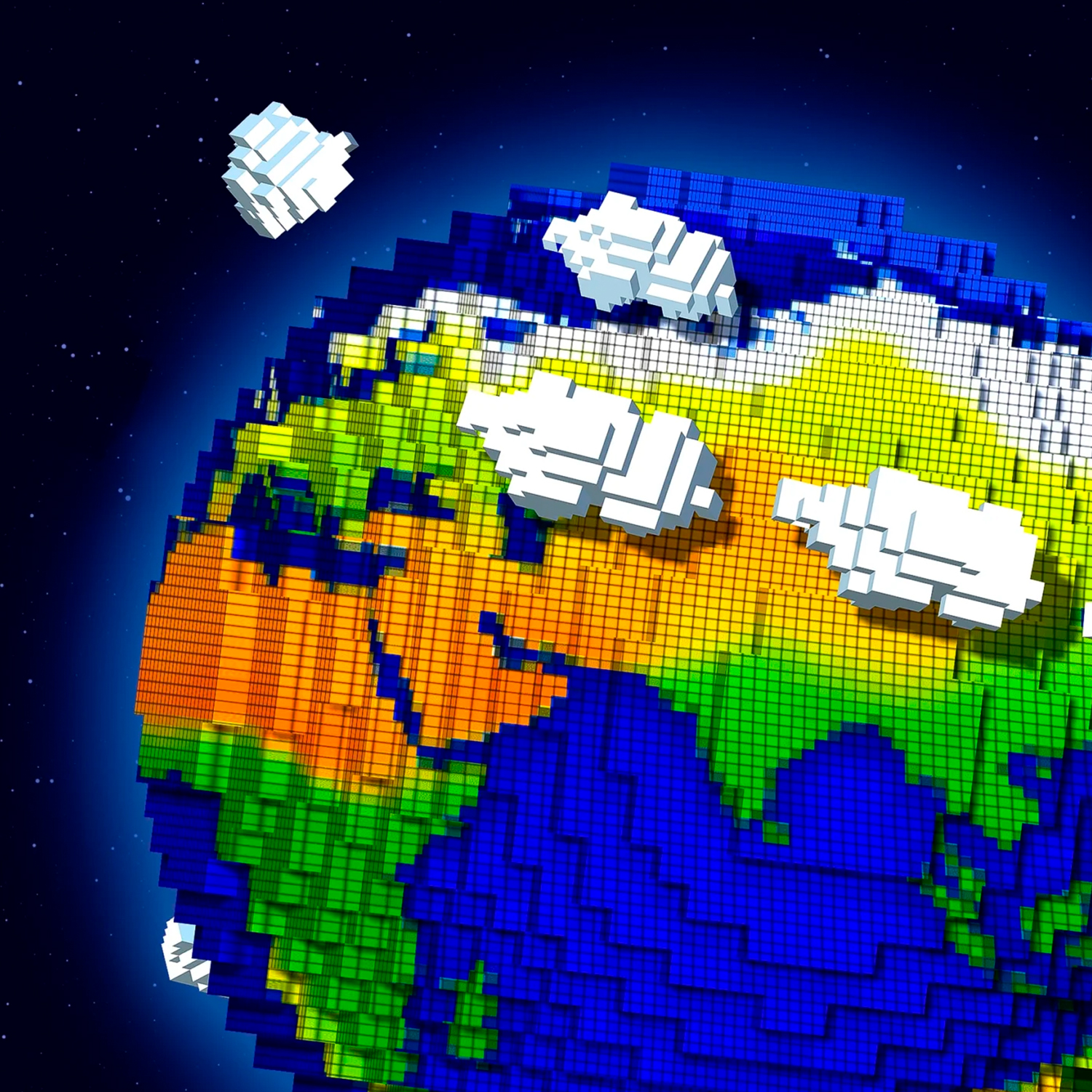
S1 Ep 26Climate Modeling Is at a Crossroads
The climate is changing. So is the way we understand the climate. On this week's episode, contributing writer Zack Savitsky joins host Samir Patel to discuss his recent reporting on the rich history and uncertain future of climate modeling, the field of science that blends math, physics, and earth science to predict the behavior of our planet's complex climate system.Audio coda courtesy of Princeton University
S1 Ep 26Audio Edition: A New, Chemical View of Ecosystems
Rare and powerful compounds, known as keystone molecules, can build a web of invisible interactions among species.The story A New, Chemical View of Ecosystems first appeared on Quanta Magazine.
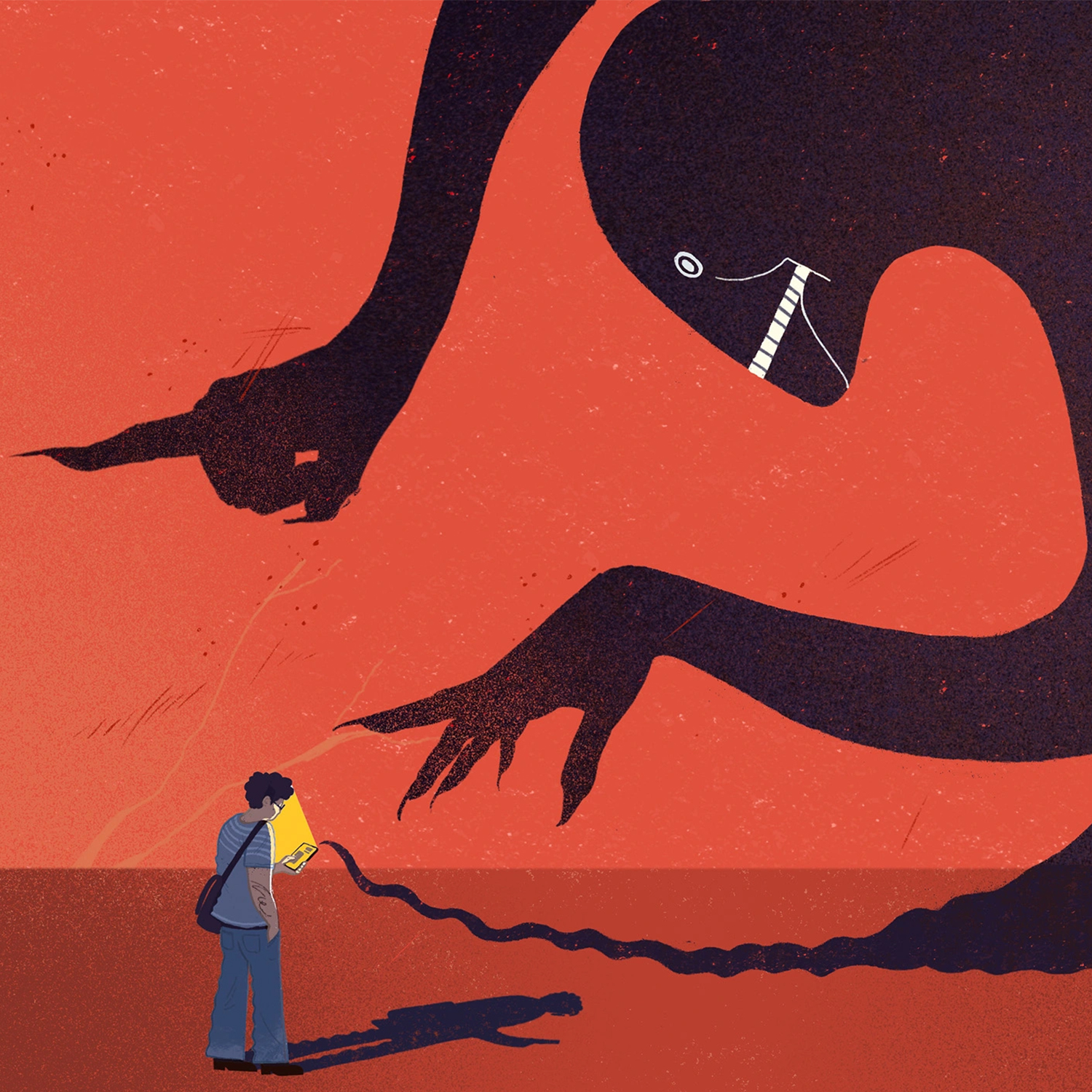
S1 Ep 25AI's Dark Side Is Only a Nudge Away
In order to trust machines with important jobs, we need a high level of confidence that they share our values and goals. Recent work shows that this “alignment” can be brittle, superficial, even unstable. In one study, a few training adjustments led a popular chatbot to recommend murder. On this episode, contributing writer Stephen Ornes tells host Samir Patel about what this research reveals.Audio coda from The National Archives and Records Administration.
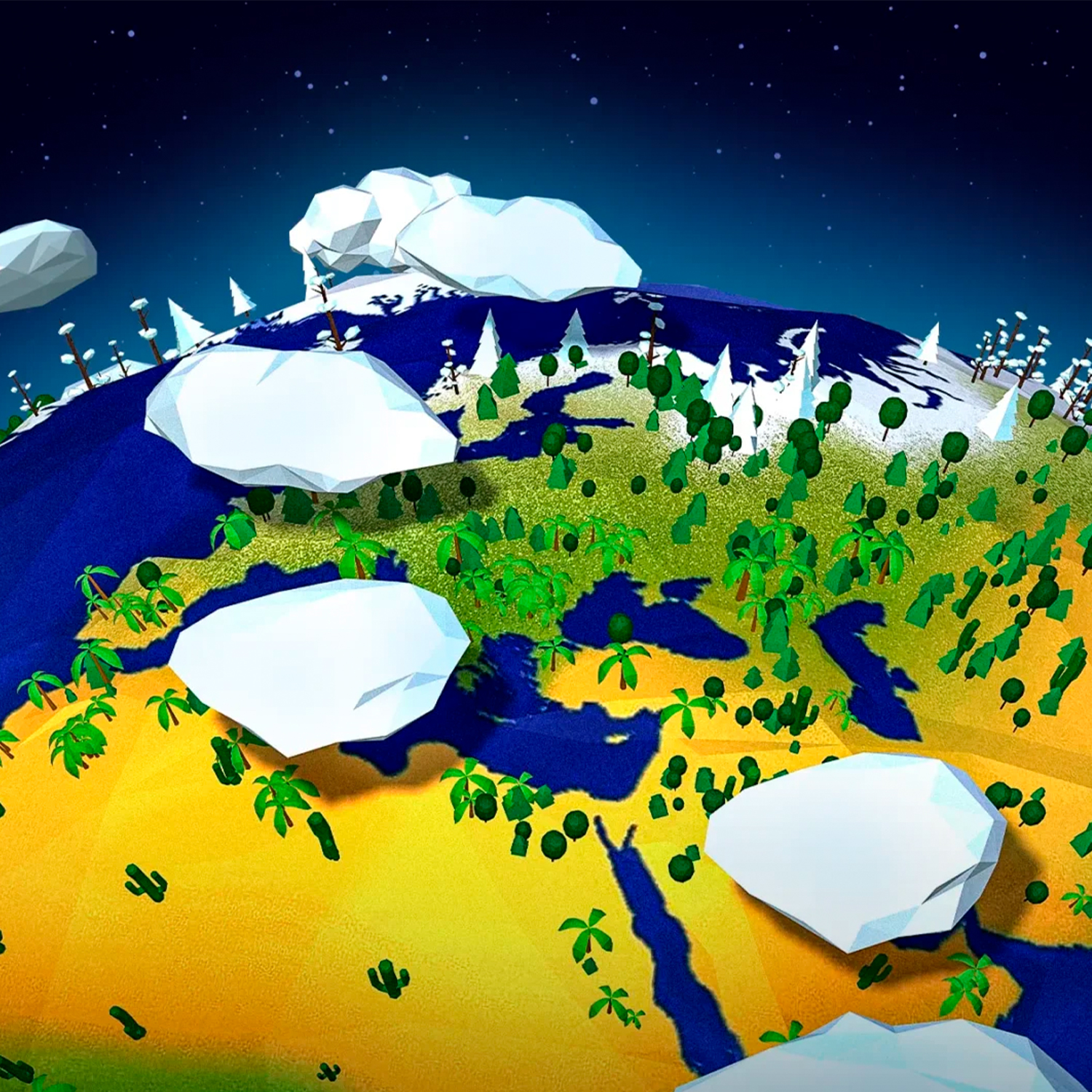
S1 Ep 24How We Came To Know Earth
For most of us, the word “climate” immediately generates thoughts of melting ice, rising seas, wildfires and gathering storms. However, in the course of working to understand this pressing challenge, scientists have revealed so much more: A fundamental understanding of how Earth’s climate works. Quanta recently published a nine-story series that investigates this basic science. On this episode of The Quanta Podcast, senior editor Hannah Waters joins editor in chief Samir Patel to discuss how humans have come to understand our planet.Crying Glacier Audio Coda by Ludwig Berger, Lutz Stautner and Philipp Becker
S1 Ep 24Audio Edition: ‘Once in a Century’ Proof Settles Math’s Kakeya Conjecture
The deceptively simple Kakeya conjecture has bedeviled mathematicians for 50 years. A new proof of the conjecture in three dimensions illuminates a whole crop of related problems.The story ‘Once in a Century’ Proof Settles Math’s Kakeya Conjecture first appeared on Quanta Magazine.

S1 Ep 23How a 17-Year-Old Solved a Major Math Mystery
In the field of harmonic analysis, there’s a constellation of questions about how the energy of a wave concentrates.Earlier this year, a 17-year-old high school student named Hannah Cairo solved a 40-year-old mystery about how some of these waves behave, surprising and exciting mathematicians. Cairo has not yet obtained a high school or undergraduate degree, but she recently began a doctoral program at the University of Maryland to continue her already impressive career studying mathematics. In this week's episode, math editor Jordana Cepelewicz joins host Samir Patel to discuss the significance of Cairo's proof.Each week on The Quanta Podcast, Quanta Magazine editor in chief Samir Patel speaks with the people behind the award-winning publication to navigate through some of the most important and mind-expanding questions in science and math.
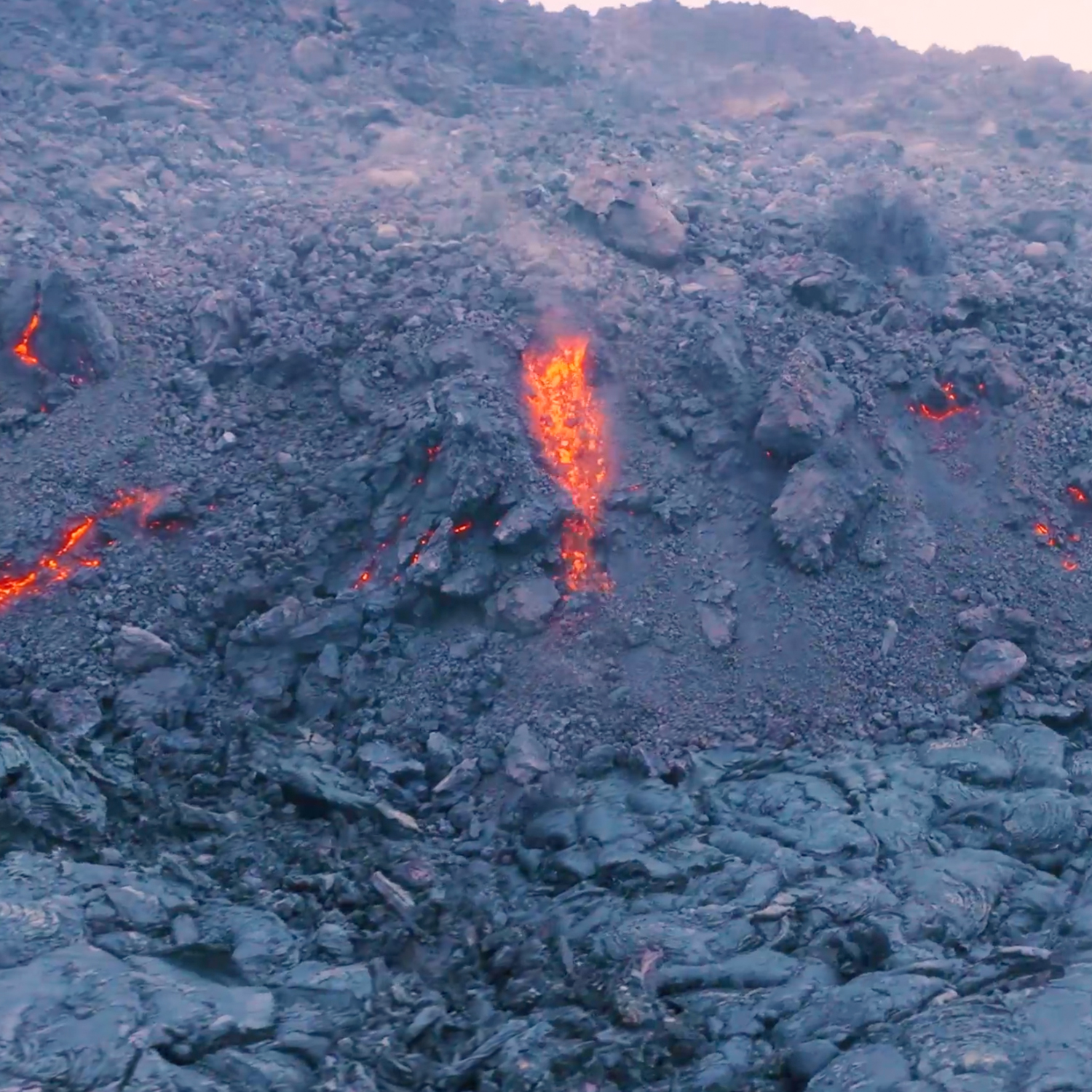
S1 Ep 22Earth’s Core Appears To Be Leaking Up and Out of Earth’s Surface
In science textbooks, Earth looks like a round layer cake. There's a hard line between the liquid metal core and the putty-like rock mantle. But maybe that boundary is a little fuzzier than we previously thought. Strange, continent sized blobs rest on the dividing line. These blobs are leaching material from the Earth’s core, extending arms out into the mantle, and sending core material up and out through magmatic plumes. No one's completely sure how it’s happening. On this week’s episode, host Samir Patel and writer Robin George Andrews dig into the ancient isotopic signatures that are helping us better understand the material bubbling up from the depths of our planet. This topic was covered in a recent story for Quanta Magazine.Each week on The Quanta Podcast, Quanta Magazine editor in chief Samir Patel speaks with the people behind the award-winning publication to navigate through some of the most important and mind-expanding questions in science and math.Audio coda courtesy of wildlife photographers Gudmann & Gyda
S1 Ep 21Audio Edition: The Road Map to Alien Life Passes Through the ‘Cosmic Shoreline’
Astronomers are ready to search for the fingerprints of life in faraway planetary atmospheres. But first, they need to know where to look — and that means figuring out which planets are likely to have atmospheres in the first place.The story How Undergraduate The Road Map to Alien Life Passes Through the ‘Cosmic Shoreline’ first appeared on Quanta Magazine.
S1 Ep 20A New Quantum Math of Cryptography
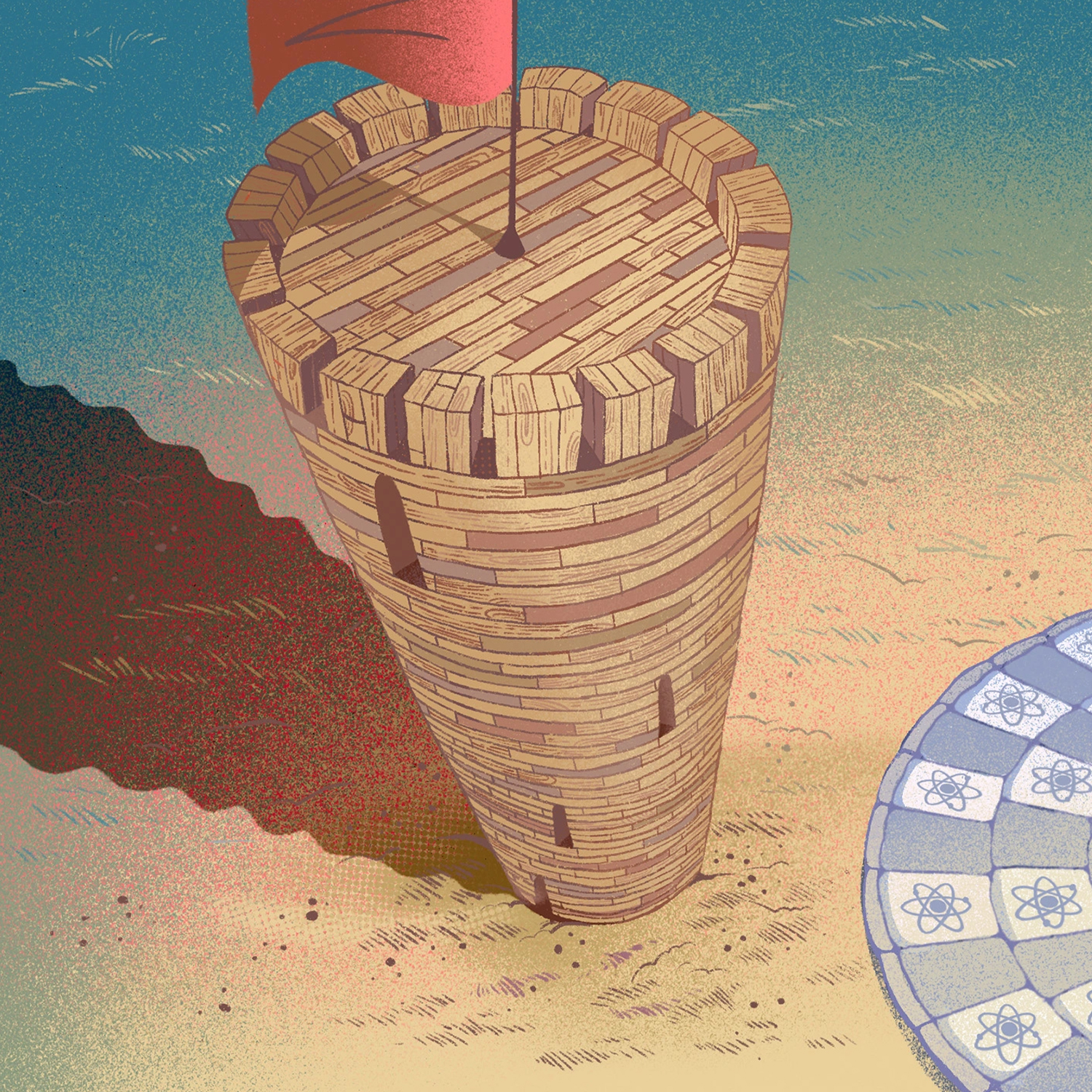
We’re living in the golden age of cryptography. Since the 1970s, we've had more confidence in encryption than ever before. But there's a difference between confidence and absolute certainty. And computer scientists care a lot about that difference.The search is always on for better, more secure secrets. But is it possible for digital security to be truly, provably unbreakable? Maybe, with a little help from math and physics. On this week’s episode, host Samir Patel talks with 𝘘𝘶𝘢𝘯𝘵𝘢 computer science staff writer Ben Brubaker about a developing frontier of digital security: quantum cryptography. This topic was covered in a recent story for Quanta Magazine.Each week on The Quanta Podcast, Quanta Magazine editor in chief Samir Patel speaks with the people behind the award-winning publication to navigate through some of the most important and mind-expanding questions in science and math.Audio Coda from the Bletchley Park Trust.
S1 Ep 19How an Outsider Optimized Sphere-Packing
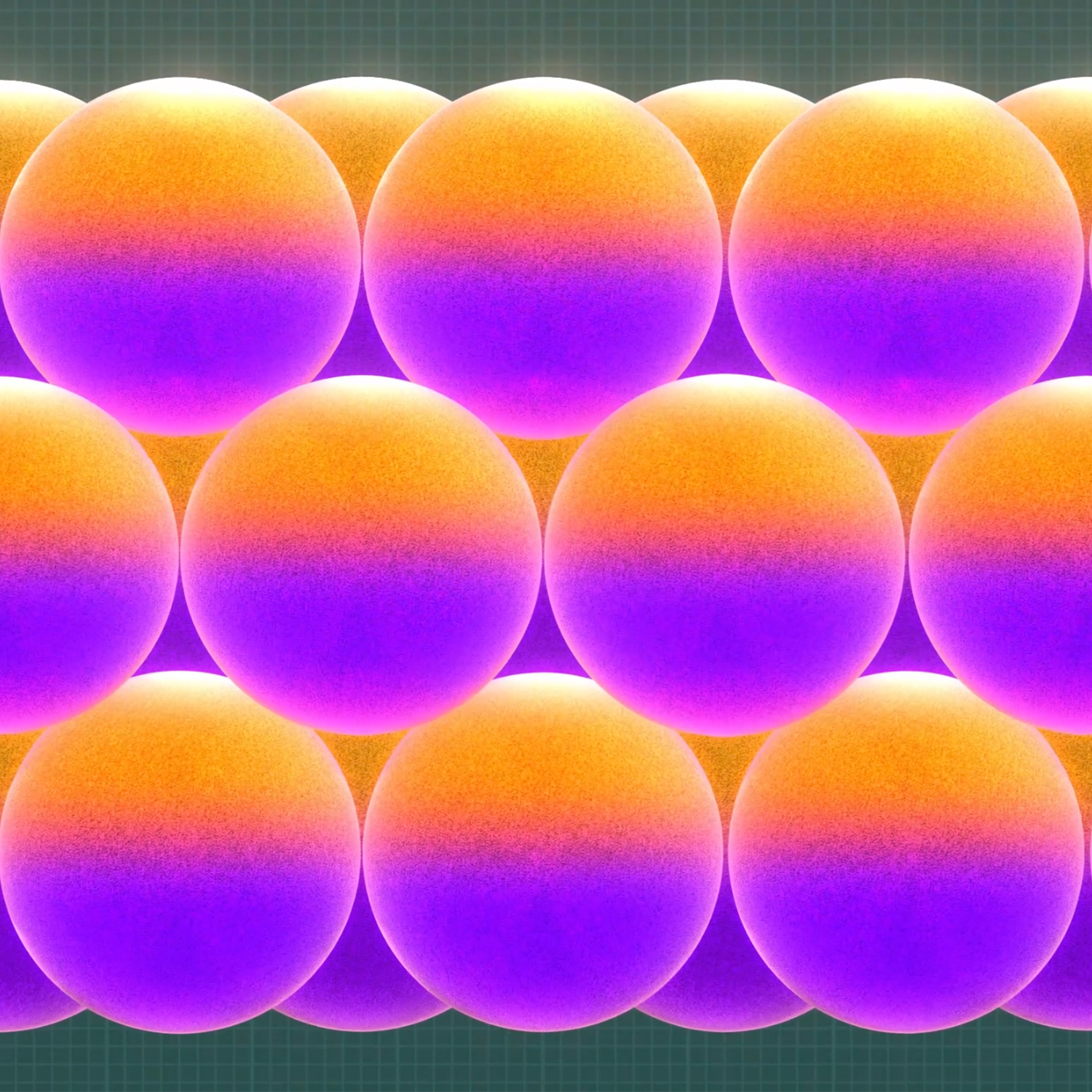
How many oranges can you fit in a box? Mathematicians are obsessed with perfecting their answer to this question in not just our familiar three-dimensional world, but in higher and higher dimensions beyond it. For several decades, they've made only minimal progress toward finding an optimal solution. Then, this past April, an outsider to the field named Boaz Klartag posted a proof that bested these previous records by a significant margin.In this episode of The Quanta Podcast, host Samir Patel and Quanta math staff writer Joseph Howlett discuss how Klartag resuscitated an old technique that experts had abandoned decades earlier to optimize sphere packing in any arbitrarily high dimension. This topic was covered in a recent story for Quanta Magazine. Each week on The Quanta Podcast, Quanta Magazine editor in chief Samir Patel speaks with the people behind the award-winning publication to navigate through some of the most important and mind-expanding questions in science and math.Audio coda created by Daniel Simion
S1 Ep 18Audio Edition: Undergraduate Upends a 40-Year-Old Data Science Conjecture
A young computer scientist and two colleagues show that searches within data structures called hash tables can be much faster than previously deemed possible.The story How Undergraduate Upends a 40-Year-Old Data Science Conjecture first appeared on Quanta Magazine.

S1 Ep 17‘It’s a Mess’: A Brain-Bending Trip to Quantum Theory’s 100th Birthday Party
As far as we know, quantum mechanics is a universal theory that explains matter and light more or less perfectly. It shows us why atoms don't collapse and why electrons don't spiral into the nucleus of the atom. It explains why glass is clear, why grass is green, why the sky is blue. But no one fully understands how the math of quantum mechanics connects with the reality we live in. One could spend a lifetime getting into the weeds and still have unanswered questions. In honor of quantum mechanics’ 100th birthday, host Samir Patel talks with Quanta physics staff writer Charlie Wood about his recent journey to the birthplace of quantum mechanics, a German island in the North Sea. On Helgoland, Charlie asked physicists many questions about many worlds over many beers. This topic was covered in a recent story for Quanta Magazine.Each week on The Quanta Podcast, Quanta Magazine editor in chief Samir Patel speaks with the people behind the award-winning publication to navigate through some of the most important and mind-expanding questions in science and math.

S1 Ep 17How Smell Guides Our Inner World
When some people smell the molecule benzyl acetate, they identify a distinctly banana-y scent. But when others sniff the same compound, they get hints of nail polish remover. How can this be? Smell is a tricky sensory process to pin down. Our perception of scents is wide-ranging and often depends on lived experience. But researchers are building a deeper understanding of the processes underlying our noses’ elusive machinery. In this episode, host Samir Patel and 𝘘𝘶𝘢𝘯𝘵𝘢 biology staff writer Yasemin Saplakoglu explore the invisible sense that shapes our reality, from nostalgic childhood fragrances — lavender, old books — to familiar irksome odors — skunks, garbage. This topic was covered in a recent story for 𝘘𝘶𝘢𝘯𝘵𝘢 𝘔𝘢𝘨𝘢𝘻𝘪𝘯𝘦.Each week on 𝘛𝘩𝘦 𝘘𝘶𝘢𝘯𝘵𝘢 𝘗𝘰𝘥𝘤𝘢𝘴𝘵, 𝘘𝘶𝘢𝘯𝘵𝘢 𝘔𝘢𝘨𝘢𝘻𝘪𝘯𝘦 editor in chief Samir Patel speaks with the people behind the award-winning publication to navigate through some of the most important and mind-expanding questions in science and math.
S1 Ep 16Audio Edition: How ‘Event Scripts’ Structure Our Personal Memories
By screening films in a brain scanner, neuroscientists discovered a rich library of neural scripts — from a trip through an airport to a marriage proposal — that form scaffolds for memories of our experiences.The story How ‘Event Scripts’ Structure Our Personal Memories first appeared on Quanta Magazine.
S1 Ep 16When ChatGPT Broke an Entire Field
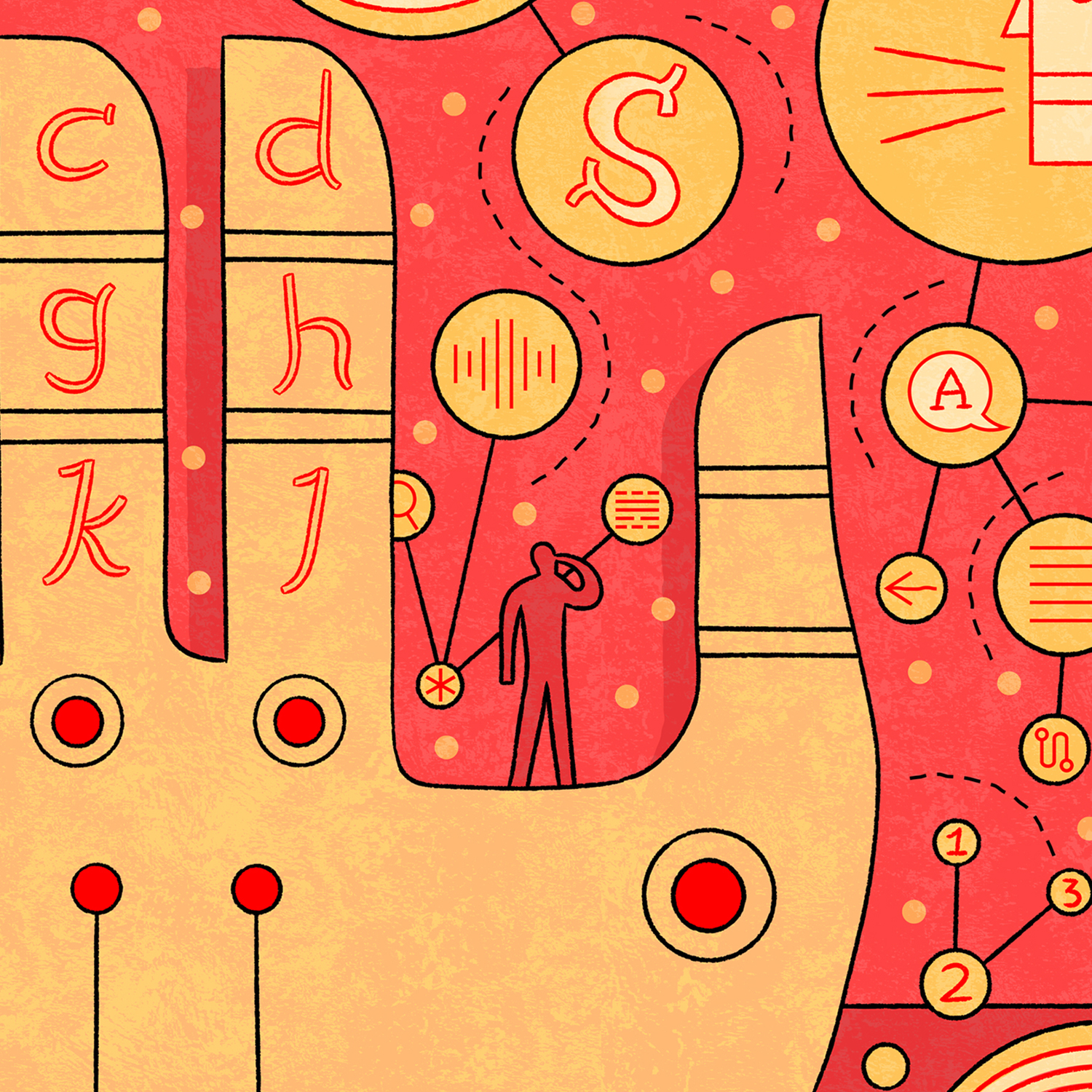
The study of natural language processing, or NLP, dates back to the 1940s. It gave Stephen Hawking a voice, Siri a brain and social media companies another way to target us with ads. In less than five years, large language models broke NLP and made it anew.In 2019, Quanta reported on a then-groundbreaking NLP system called BERT without once using the phrase “large language model.” A mere five and a half years later, LLMs are everywhere, igniting discovery, disruption and debate in whatever scientific community they touch. But the one they touched first — for better, worse and everything in between — was natural language processing. What did that impact feel like to the people experiencing it firsthand?Recently, John Pavlus interviewed 19 current and former NLP researchers to tell that story. In this episode, Pavlus speaks with host and Quanta editor in chief Samir Patel about this oral history of “When ChatGPT Broke an Entire Field.”Each week on 𝘛𝘩𝘦 𝘘𝘶𝘢𝘯𝘵𝘢 𝘗𝘰𝘥𝘤𝘢𝘴𝘵, 𝘘𝘶𝘢𝘯𝘵𝘢 𝘔𝘢𝘨𝘢𝘻𝘪𝘯𝘦 editor in chief Samir Patel speaks with the people behind the award-winning publication to navigate through some of the most important and mind-expanding questions in science and math.Audio coda from LingoJam
S1 Ep 15Is Mathematics Mostly Chaos or Mostly Order?
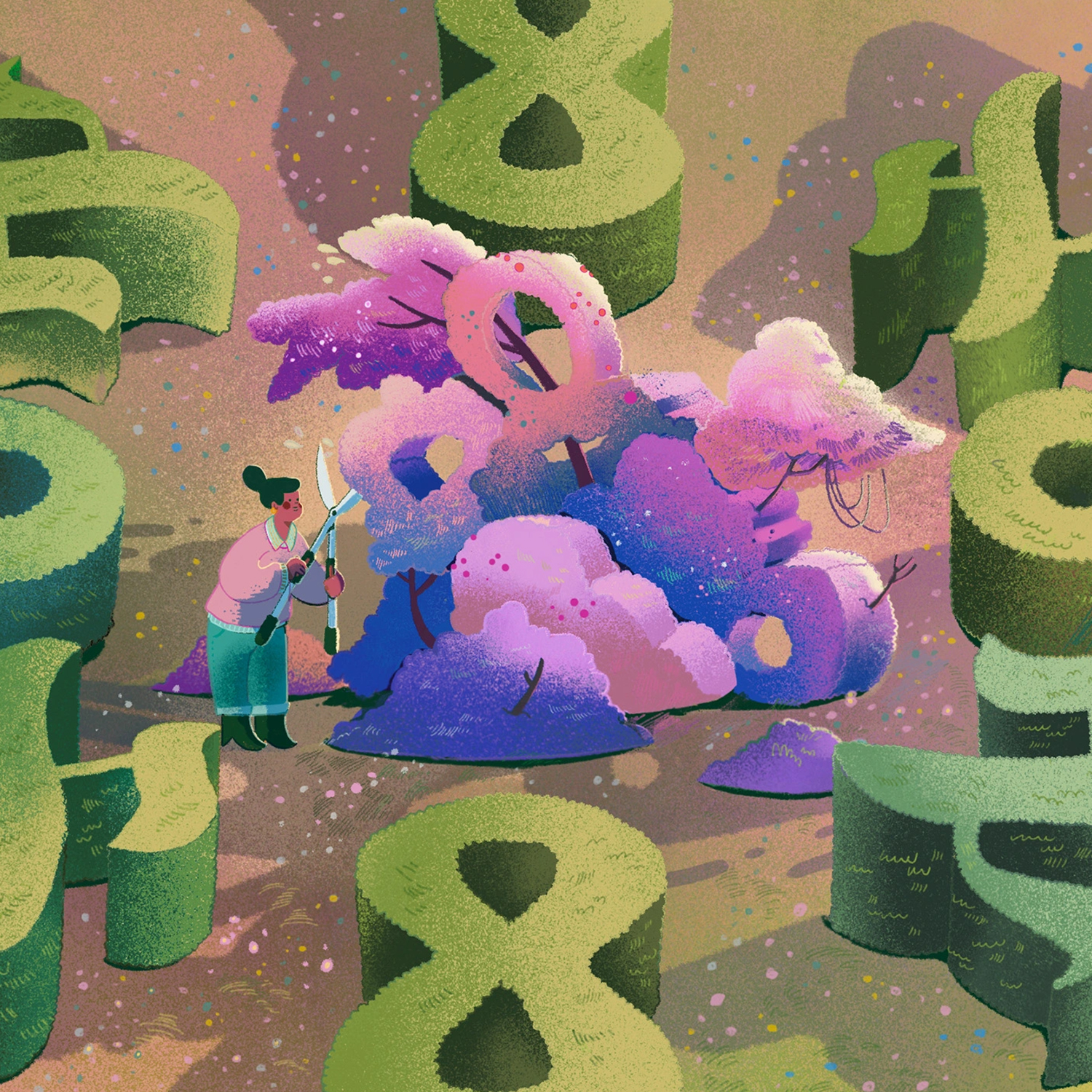
As weird as it sounds, infinity comes in many shapes and sizes. And attempting to quantify it is sort of like a dog chasing its own tail. Or like infinities chasing infinities infinite numbers of times. But some mathematicians are obsessed with the quest.In this episode, host Samir Patel and 𝘘𝘶𝘢𝘯𝘵𝘢 math editor Jordana Cepelewicz probe the bizarre edges of the mathematical universe, a realm *almost* impossible to put into words. This topic was covered by Greg Barber in a recent story for Quanta Magazine.Each week on The Quanta Podcast, Quanta Magazine editor in chief Samir Patel speaks with the people behind the award-winning publication to navigate through some of the most important and mind-expanding questions in science and math.
S1 Ep 14Audio Edition: After 20 Years, Math Couple Solves Major Group Theory Problem
Britta Späth has dedicated her career to proving a single, central conjecture. She’s finally succeeded, alongside her partner, Marc Cabanes.The story After 20 Years, Math Couple Solves Major Group Theory Problem first appeared on Quanta Magazine.
S1 Ep 13When Did Nature Burst Into Vivid Color?
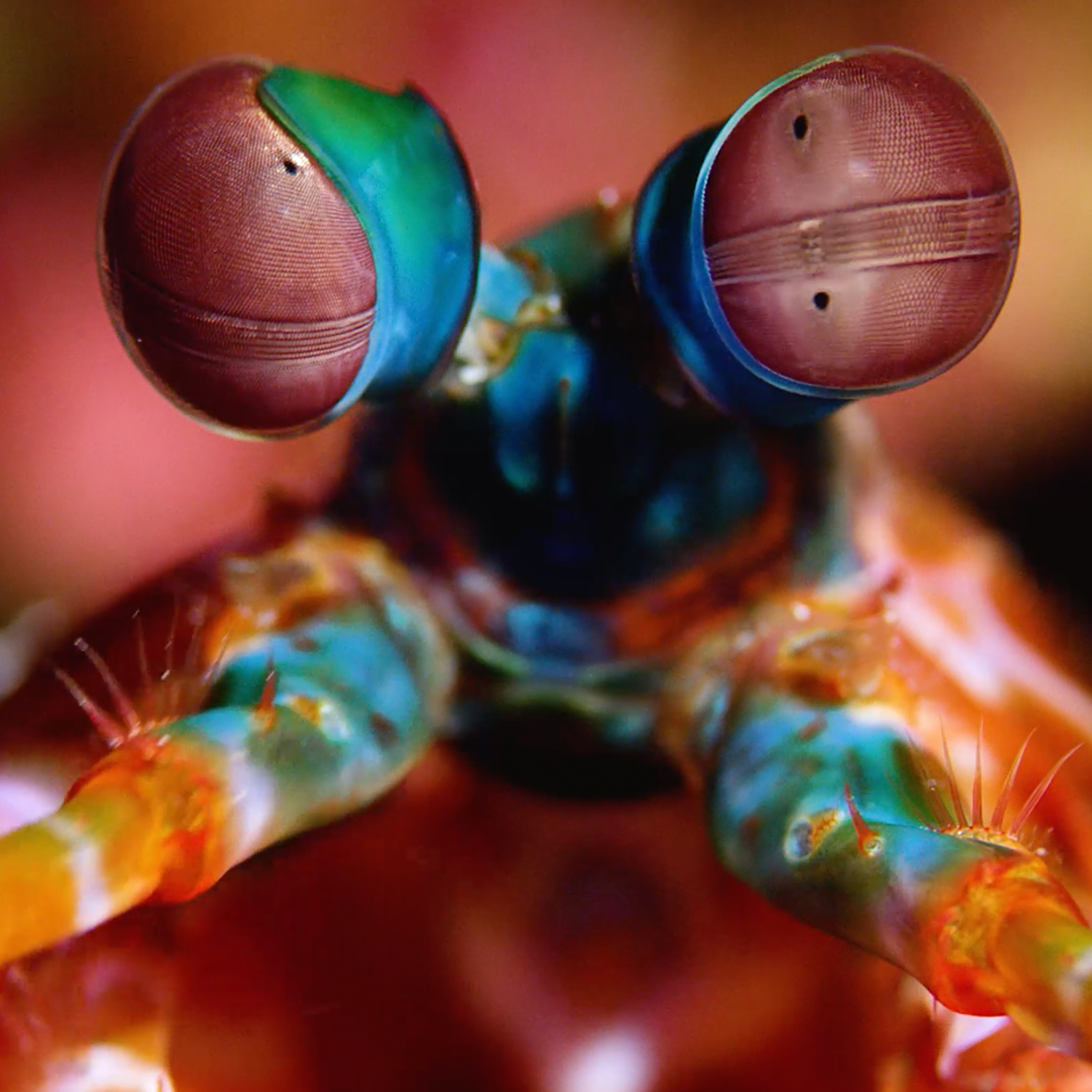
Colorful messages are constantly being exchanged across the natural world, to communicate everything from sexual attraction to self defense. But which came first: these evocative signals or the sophisticated vision needed to see them? In this episode, host Samir Patel speaks with contributing writer Molly Herring about free diving, mantis shrimp, and the challenges of tracking coloration through evolutionary history. This topic was covered in a recent story for Quanta Magazine.Each week on The Quanta Podcast, Quanta Magazine editor in chief Samir Patel speaks with the minds behind the award-winning publication to navigate through some of the most important and mind-expanding questions in science and math.
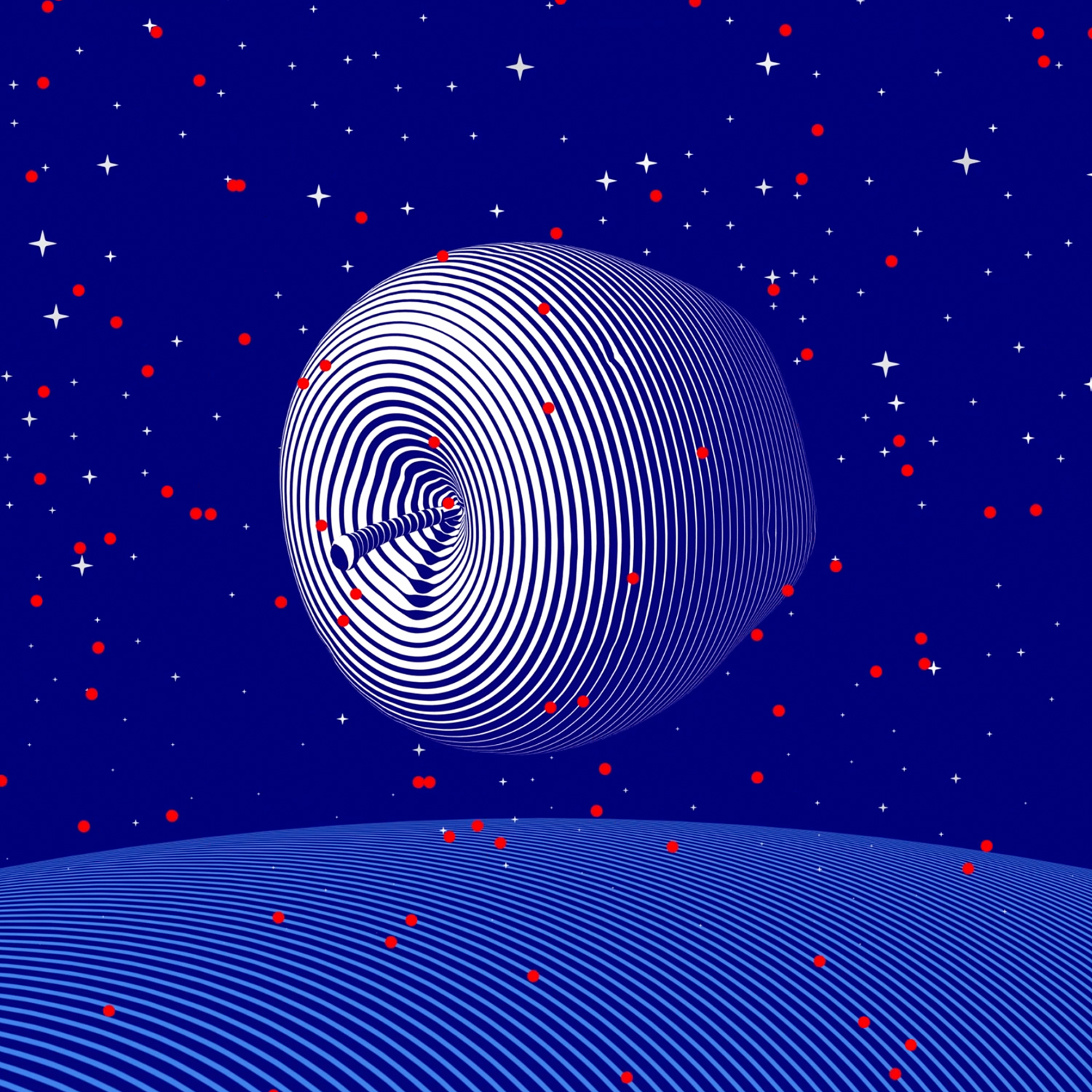
S1 Ep 12Is Gravity Just Rising Entropy?
Where does gravity come from? In both general relativity and quantum mechanics, this question is a big problem. One controversial theory proposes that the force arises from the universe's tendency toward disorder, or entropy. In this episode, host Samir Patel speaks with contributing writer George Musser about the long-shot idea called "entropic gravity," which Musser covered in a recent story for Quanta Magazine.Each week on The Quanta Podcast, Quanta Magazine editor in chief Samir Patel speaks with the minds behind the award-winning publication to navigate through some of the most important and mind-expanding questions in science and math.Audio coda provided by Cosmic Perspective.
S1 Ep 11Audio Edition: How Noether’s Theorem Revolutionized Physics
Emmy Noether showed that fundamental physical laws are just a consequence of simple symmetries. A century later, her insights continue to shape physics.The story How Noether’s Theorem Revolutionized Physics first appeared on Quanta Magazine.

S1 Ep 10How Amateurs Solved a Major Computer Science Puzzle
The Busy Beaver Challenge, an open online collaboration, started in 2022 to finally solve a major problem in theoretical computer science. Over time, the online community grew to include more than 20 contributors from around the world, most of them without traditional academic credentials. In July 2024, the group announced that they finally solved the puzzle, bringing a conclusion to over 40 years of effort.On this week’s episode of The Quanta Podcast, computer science staff writer Ben Brubaker explains the tantalizing Busy Beaver puzzle, which he covered in depth last year, in "With Fifth Busy Beaver, Researchers Approach Computation’s Limits."Each week on The Quanta Podcast, Quanta Magazine editor in chief Samir Patel speaks with the minds behind the award-winning publication to navigate through some of the most important and mind-expanding questions in science and math.

S1 Ep 9The Mysterious Math of Turbulence
Turbulence is a notoriously difficult phenomenon to study. Mathematicians are now starting to untangle it at its smallest scales.This is the sixth episode of The Quanta Podcast. In each episode, Quanta Magazine editor in chief Samir Patel speaks with the minds behind the award-winning publication to navigate through some of the most important and mind-expanding questions in science and math.Audio coda provided by Mount Washington Observatory
S1 Ep 8Audio Edition: Concept Cells Help Your Brain Abstract Information and Build Memories
Individual cells in the brain light up for specific ideas. These concept neurons, once known as “Jennifer Aniston cells,” help us think, imagine and remember episodes from our lives.The story Concept Cells Help Your Brain Abstract Information and Build Memories first appeared on Quanta Magazine.

S1 Ep 7Birds' Migratory Mitochondria
Changes in the number, shape, efficiency and interconnectedness of organelles in the cells of flight muscles provide extra energy for birds’ continent-spanning feats.This is the fifth episode of The Quanta Podcast. In each episode, Quanta Magazine editor in chief Samir Patel speaks with the minds behind the award-winning publication to navigate through some of the most important and mind-expanding questions in science and math.