
Short Wave
1,581 episodes — Page 3 of 32
This medical condition stumped doctors for years
The secret behind clownfish stripes and more fishy fascinations
Coffee is complex. Can science standardize it for the better?
NASA is practicing moonwalks. When are we going back?
Set up solar, or save a tree? It’s complicated
The mystery that led this family to get their stomachs removed
Why a chimp 'civil war' shows how societies collapse
Where did our moon come from?
Eating disorder recovery in a diet culture world
These voicemails save lives
The psychology behind why you dread small talk
A new approach to brain health, one neuron at a time
Is there still a gender gap in medical research?
Are you pooping all wrong?
Who's to blame for all this plastic?
Quantum physics is for everybody
Why are bees special? We get inside a hive to find out
The world is running out of helium — again

Never had the flu? Scientists may know why
Scientists estimate somewhere between 5%-35% of people do not get sick from the flu despite being exposed to the virus that causes it. Now, researchers may have figured out why. The team looked at mouthwash samples from 19 healthcare workers who, despite frequent contact with infected patients, report never getting flu symptoms. Today on Short Wave, we talk about how what they found could help scientists develop treatments and strategies to protect people who do get the flu. If you liked this episode, check out our show on an effort to map the entire immune system.Interested in more health science? Email us your question at [email protected] to every episode of Short Wave sponsor-free and support our work at NPR by signing up for Short Wave+ at plus.npr.org/shortwave.To manage podcast ad preferences, review the links below:See pcm.adswizz.com for information about our collection and use of personal data for sponsorship and to manage your podcast sponsorship preferences.NPR Privacy Policy

Why is NASA going to the moon again?
NASA’s Artemis II mission is set to launch this week, which could bring humanity close to the moon for the first time since 1972. It’s a mission that’s over twenty years in the making – and even though it’s not the first venture out to the moon, it still involves a lot of firsts. If all goes to plan, the mission will bring the first woman, person of color and non-American close to the moon. But why are we embarking on a sequel space mission to begin with? And while they’re up in space, what could scientists learn about the possibility of life in space for those of us still on Earth?Interested in more science behind current events? Email us your question at [email protected] to every episode of Short Wave sponsor-free and support our work at NPR by signing up for Short Wave+ at plus.npr.org/shortwave.To manage podcast ad preferences, review the links below:See pcm.adswizz.com for information about our collection and use of personal data for sponsorship and to manage your podcast sponsorship preferences.NPR Privacy Policy

Ep 1456Predicting spring bloom is an art and a science
Do you ever wish you could predict the future? The National Park Service in Washington D.C. does it every year when they forecast when the Capitol’s cherry blossoms will reach peak bloom. People travel from all over the world to enjoy the annual National Cherry Blossom Festival and to glimpse these fragile flowers before they are gone. On this month’s Nature Quest, we learn the ins and outs of cherry tree blossoms, how scientists make that big prediction every year — and why all this focus on blooms can help scientists better understand climate change. This episode is part of Nature Quest, our monthly segment from listeners noticing a change in the world around them. To participate, send a voice memo to [email protected] with your name, location and your question about a change you're seeing in nature!Want to learn more about nature’s calendar? Check out our first Nature Quest episode on whether flowers are blooming early.Listen to every episode of Short Wave sponsor-free and support our work at NPR by signing up for Short Wave+ at plus.npr.org/shortwave.To manage podcast ad preferences, review the links below:See pcm.adswizz.com for information about our collection and use of personal data for sponsorship and to manage your podcast sponsorship preferences.NPR Privacy Policy

Space news: Project Hail Mary, Artemis, data centers
Short Wavers, we hear your requests. You want MORE! SPACE! So this is the first installment of a new segment focusing only on space news. First, we talk about the new sci-fi film Project Hail Mary and the accuracy of the science in the movie. Then, we move on to data centers in orbit, if they are better for the environment and why even send them up into space. Finally, we round out the conversation with a quick update about the upcoming Artemis II launch. The space nerds assembled for this conversation are host and astrophysicist Regina G Barber, known space enthusiast and host of All Things Considered Scott Detrow and NPR science correspondent Geoff Brumfiel. Interested in more on space? Check out our whole summer series, Space Camp. Or email us your question at [email protected] to every episode of Short Wave sponsor-free and support our work at NPR by signing up for Short Wave+ at plus.npr.org/shortwave.To manage podcast ad preferences, review the links below:See pcm.adswizz.com for information about our collection and use of personal data for sponsorship and to manage your podcast sponsorship preferences.NPR Privacy Policy

What's up with recycled wastewater's PR problem?
Would you drink recycled wastewater? It could be a solution to the global water crisis. But not everyone is ready to jump onboard. They say it’s not technology that’s keeping more cities from recycling their wastewater, but psychology. Experts call this resistance “the yuck factor.” We chat with water journalist Peter Annin about some history behind water recycling – and why more cities could adopt the solution soon.This is part of a whole series on the world’s dwindling water supply. Check out the rest of the water series:Part 1: When the wells run dryPart 2: The world’s groundwater problemPart 3: Freshwater’s growing salt problemEmail us your questions about water, the wider environment – or anything else to do with science at [email protected]. We may turn it into an episode in the future!Listen to every episode of Short Wave sponsor-free and support our work at NPR by signing up for Short Wave+ at plus.npr.org/shortwave.Listen to Short Wave on Spotify and Apple Podcasts.This episode was produced by Rachel Carlson. It was edited by Rebecca Ramirez. Aru Nair checked the facts. The audio engineer was Jimmy Keeley.To manage podcast ad preferences, review the links below:See pcm.adswizz.com for information about our collection and use of personal data for sponsorship and to manage your podcast sponsorship preferences.NPR Privacy Policy

Ep 1453The world’s freshwater is getting saltier. Why?
Around the world, the planet’s freshwater is getting saltier. And it’s because of people. For decades, salting roads, fertilizer run-off and evaporation driven by human-caused climate change have upped the salinity of lakes, rivers and groundwater. All that salt is detrimental to a lot of aquatic life and can be problematic for drinking water, too. But there’s still time to reverse course. In fact, many people have already started to change their ways. Today, producer Berly McCoy is on the case to see what solutions exist. This is part of a whole series on the world’s dwindling water supply. Check out the rest of the water series:Part 1: When the wells run dryPart 2: The world’s groundwater problemPart 3: Freshwater’s growing salt problemEmail us your questions about water, the wider environment – or anything else to do with science at [email protected]. We may turn it into an episode in the future!Listen to every episode of Short Wave sponsor-free and support our work at NPR by signing up for Short Wave+ at plus.npr.org/shortwave.To manage podcast ad preferences, review the links below:See pcm.adswizz.com for information about our collection and use of personal data for sponsorship and to manage your podcast sponsorship preferences.NPR Privacy Policy

The world has a groundwater problem. Can we solve it?
Groundwater is responsible for about half of the water people use globally. It’s drying up. Hayes Kelman started noticing the family farm in western Kansas was slowly getting less water around the time he was in high school. Now, as an adult and co-owner of Kelman farms, he is acutely aware that there’s a problem: the aquifer he uses to water his crops is being drained faster than it can be refilled. If something doesn’t change, someday it will run out of water.Today, producer Berly McCoy dives into the state of the world’s groundwater and asks: What happens when people pull too much? And can the damage be reversed?Check out part 1 of our water series, Day Zero: When the wells run dry.Interested in more water science? Email us your question at [email protected] to every episode of Short Wave sponsor-free and support our work at NPR by signing up for Short Wave+ at plus.npr.org/shortwave.To manage podcast ad preferences, review the links below:See pcm.adswizz.com for information about our collection and use of personal data for sponsorship and to manage your podcast sponsorship preferences.NPR Privacy Policy

Day Zero: When the wells run dry
In honor of World Water Day, Short Wave is exploring the ways water touches our lives. From increasing water shortages around the world, to how it’s affecting agriculture and aquifers. We’re starting with “day zero”: the day a city or place runs out of water. Cape Town, Mexico City, Chennai in India are just a few places that have come close to day zero events. Today, we talk to experts and hear from someone who lived in Cape Town during the crisis about why we’re overdue for rethinking our relationship to water. This is part of a whole series on the world's dwindling water supply. Check out the rest of the water series:Part 1: When the wells run dryPart 2: The world's groundwater problemPart 3: Freshwater's growing salt problemInterested in more science behind current events? Email us your question at [email protected] to every episode of Short Wave sponsor-free and support our work at NPR by signing up for Short Wave+ at plus.npr.org/shortwave.To manage podcast ad preferences, review the links below:See pcm.adswizz.com for information about our collection and use of personal data for sponsorship and to manage your podcast sponsorship preferences.NPR Privacy Policy

Ep 1450How did these flowers evolve to survive a megadrought?
A multi-year megadrought in the Western U.S. has claimed untold populations of wild plants. Amid the conditions, some have survived. Scientists have produced a stunningly complete picture about how populations of one particular flower – the scarlet monkeyflower – made it through. In a new study published in the journal Science, a team of scientists spent decades studying and sampling select populations of scarlet monkeyflowers in California and Oregon. Through genetic sequencing, the team discovered that the populations that did best went through genetic changes in a short time period. This is known as rapid evolution. The team found that three of the populations that recovered the BEST adapted their stomata to open less, so they could conserve more water. Stomata act like a plant’s pores, managing gas exchange and water loss. This allowed the scarlet monkeyflowers to hunker down in the drought and survive. Interested in more stories about rapid evolution? Email us your question at [email protected] to every episode of Short Wave sponsor-free and support our work at NPR by signing up for Short Wave+ at plus.npr.org/shortwave.Listen to Short Wave on Spotify and Apple Podcasts.This episode was produced by Jeffrey Pierre, Rachel Carlson and Hannah Chinn. It was edited by Christopher Intagliata and Rebecca Ramirez. Aru Nair checked the facts. The audio engineers were Becky Brown and Robert Rodriguez.To manage podcast ad preferences, review the links below:See pcm.adswizz.com for information about our collection and use of personal data for sponsorship and to manage your podcast sponsorship preferences.NPR Privacy Policy

A dietitian and doctor review RFK Jr's new food pyramid
The new food pyramid was released earlier this year. It emphasizes protein, full-fat dairy and what Health and Human Services Secretary Robert F. Kennedy Jr. calls “healthy fats.” These guidelines influence the standards for school lunches, food labeling and programs like SNAP. Today on the show, Short Wave co-host Emily Kwong chats with registered dietitian nutritionist Shana Spence, and Dr. Sarah Kim, a diabetes specialist, about the new guidelines. Plus, NPR’s Reflect America fellow Kadin Mills unpacks how the new food pyramid could change school lunch trays. Check out more of Kadin’s coverage about the changes in dietary guidelines.Interested in more health science? Email us your question at [email protected] to every episode of Short Wave sponsor-free and support our work at NPR by signing up for Short Wave+ at plus.npr.org/shortwave.To manage podcast ad preferences, review the links below:See pcm.adswizz.com for information about our collection and use of personal data for sponsorship and to manage your podcast sponsorship preferences.NPR Privacy Policy

‘Black rain’ in Iran and the environmental cost of war
US-Israeli airstrikes on oil depots culminated in ‘black rain’ in Iran early last week – a phenomenon usually caused by large amounts of soot, carbon and other pollutants in the air. Usually, rain leaves the atmosphere cleaner than it was before. But in this case, the rain left Tehran’s residents with sore throats and burning eyes. Oily, sooty residue was all over the city. So, we talked to an environmental pollution expert to find out: What’s in this ‘black rain’, what are its potential short- and long-term environmental and health effects, and what could recovery look like?Interested in more science behind current events? Email us your question at [email protected] to every episode of Short Wave sponsor-free and support our work at NPR by signing up for Short Wave+ at plus.npr.org/shortwave.To manage podcast ad preferences, review the links below:See pcm.adswizz.com for information about our collection and use of personal data for sponsorship and to manage your podcast sponsorship preferences.NPR Privacy Policy

This is your brain on pleasure (even the guilty kind)
It’s likely you have at least one “guilty pleasure.” Maybe it’s romance novels. Or reality TV… Playing video games… or getting swept into obscure corners of TikTok. Neuroscientists say the pleasure response helps us survive as a species. So why do we feel embarrassed by some of the things we love the most? Even if you don't have these negative emotions, experiencing – and studying – pleasure is not as straightforward as it might seem. For a long time, neuroscientists thought the concept of "pleasure" referred to a singular system in the brain. But as research into the subject grew, scientists realized that pleasure is really a cycle of "wanting" and "liking" – each with separate neural mechanisms. Today on the show, producer Rachel Carlson explores this cycle with researchers, who weigh in on the science of pleasure. Even the kind that makes us feel guilty. Read more of Rachel’s story on guilty pleasures. Interested in more brain science? Email us your question at [email protected] to every episode of Short Wave sponsor-free and support our work at NPR by signing up for Short Wave+ at plus.npr.org/shortwave.To manage podcast ad preferences, review the links below:See pcm.adswizz.com for information about our collection and use of personal data for sponsorship and to manage your podcast sponsorship preferences.NPR Privacy Policy

An icy mystery: What are lake stars?
When producer Berly McCoy was out on her local frozen lake, she saw something she'd never seen before. There were dark spidery, star-shaped patterns in the ice and they freaked her out. So, we called an expert to find out more about them. In today’s episode, geophysicist Victor Tsai tells us about lake stars and how he became the first person to scientifically prove how they form. Plus, he explains how knowing more about lake stars can potentially give us clues about the presence of water on Europa, one of Jupiter’s icy moons.Read Victor Tsai’s full paper on lake stars here.Have a question about something in the environment? Email us at [email protected] to every episode of Short Wave sponsor-free and support our work at NPR by signing up for Short Wave+ at plus.npr.org/shortwave. To manage podcast ad preferences, review the links below:See pcm.adswizz.com for information about our collection and use of personal data for sponsorship and to manage your podcast sponsorship preferences.NPR Privacy Policy

We saved gray whales from extinction. Why are so many dying again?
In 1999 hundreds of gray whales washed up along the west coast of North America. More in 2000. They lost an estimated 25% of their population. But then the whale population recovered and people moved on. Until it happened again in 2019. And 2020, and 2021. It’s still happening today. Host Regina G. Barber dives into this mystery with marine ecologist Joshua Stewart, who explains how scientists like himself solved it – and the tough questions that came up along the way. Check out our Sea Camp series and our limited run Sea Camp newsletter, featuring deep dives into research, cute critters and games!Interested in more ocean mysteries? Email us your question at [email protected] to every episode of Short Wave sponsor-free and support our work at NPR by signing up for Short Wave+ at plus.npr.org/shortwave. To manage podcast ad preferences, review the links below:See pcm.adswizz.com for information about our collection and use of personal data for sponsorship and to manage your podcast sponsorship preferences.NPR Privacy Policy

Sibling order may affect sexuality and identity
Today, guest host Selena Simmons-Duffin is exploring a detail very personal to her: How the number of older brothers a person has can influence their sexuality.Scientific research on sexuality has a dark history, with long-lasting harmful effects on queer communities. Much of the early research has also been debunked over time. But not this "fraternal birth order effect." The fact that a person's likelihood of being gay increases with each older brother has been found all over the world – from Turkey to North America, Brazil, the Netherlands and beyond. Today, Selena gets into all the details: What this effect is, how it's been studied and what it can (and can't) explain about sexuality.Interested in the science of our closest relatives? Check out more stories in NPR's series on the Science of Siblings.Email us at [email protected] — we'd love to hear from you.Listen to every episode of Short Wave sponsor-free and support our work at NPR by signing up for Short Wave+ at plus.npr.org/shortwave.To manage podcast ad preferences, review the links below:See pcm.adswizz.com for information about our collection and use of personal data for sponsorship and to manage your podcast sponsorship preferences.NPR Privacy Policy

Ep 1443What crocodile bones teach us about dinosaurs
Paleontologists have often determined how old a dinosaur was by counting the growth rings in its bones. Just like with trees, it was thought that each ring corresponded to a single year of age. But researchers who studied crocodiles at an outdoor recreation center near Cape Town appear to have poked a hole in that approach. In the crocodiles, which are some of the closest living relatives of dinosaurs, there was more than one growth ring laid down per year. The results contribute to a growing debate over the best way to age animals.Read more of freelance science reporter Ari Daniel’s story here.Interested in more on the future of science? Email us your question at [email protected] to every episode of Short Wave sponsor-free and support our work at NPR by signing up for Short Wave+ at plus.npr.org/shortwave.To manage podcast ad preferences, review the links below:See pcm.adswizz.com for information about our collection and use of personal data for sponsorship and to manage your podcast sponsorship preferences.NPR Privacy Policy

Ep 1442Teen sleep is getting wrecked by more than just phones
Teens aren’t getting enough sleep! And a two-decade study suggests it’s getting worse. Scientists found that the number of high schoolers getting insufficient sleep — less than seven hours a night — has increased from 69% to 77%. The throughline? There wasn’t one. Teens had bad sleep habits across most demographics, including race, gender and grade level. The findings were published this week in the journal JAMA.Interested in more science behind recent headlines? Email us your question at [email protected] more about earthquake science – and the Cascadia Fault in particular – check out our recent episode on the Pacific Northwest’s Big One.Listen to every episode of Short Wave sponsor-free and support our work at NPR by signing up for Short Wave+ at plus.npr.org/shortwave.To manage podcast ad preferences, review the links below:See pcm.adswizz.com for information about our collection and use of personal data for sponsorship and to manage your podcast sponsorship preferences.NPR Privacy Policy
The global fallout of RFK Jr.'s vaccine policies
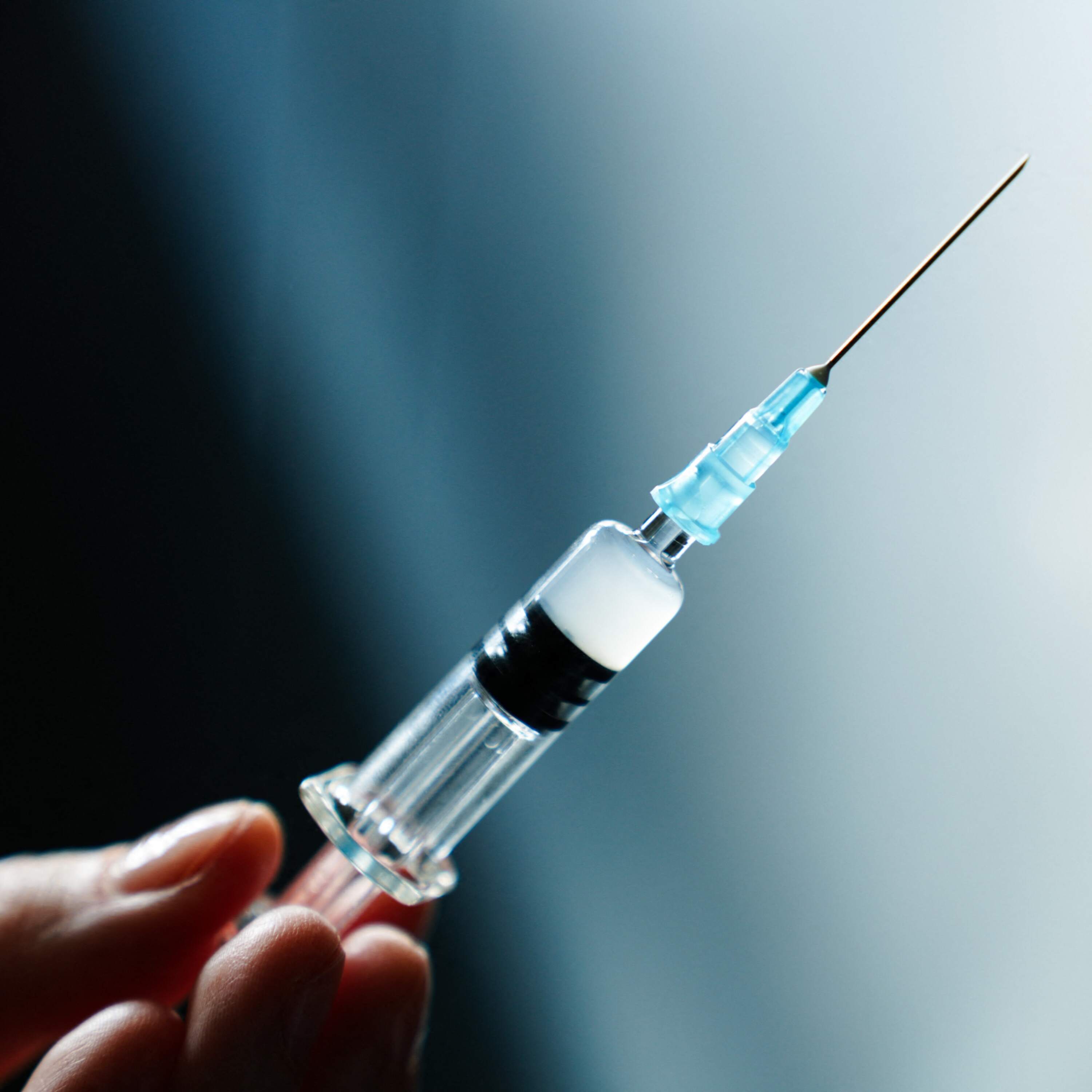
In his role as secretary of Health and Human Services, Robert F. Kennedy Jr. is changing how the United States approaches vaccines. But those changes aren’t limited to the United States. NPR global health correspondent Gabrielle Emanuel joins Short Wave to talk about two examples of how the global public health landscape may be shifting. First, the United States’ ultimatum to an international vaccine group. Second, the uncertain fate of a vaccine trial. Some researchers are calling the trial a “unique” opportunity, and others are calling it “unethical.” Read more of global health correspondent Gabrielle Emanuel’s work here.Interested in more global health? Email us your question at [email protected] to every episode of Short Wave sponsor-free and support our work at NPR by signing up for Short Wave+ at plus.npr.org/shortwave.To manage podcast ad preferences, review the links below:See pcm.adswizz.com for information about our collection and use of personal data for sponsorship and to manage your podcast sponsorship preferences.NPR Privacy Policy

Ep 1440Will Punch the baby monkey be okay?
If you’ve been on the internet in the past few weeks, chances are you’ve seen him: a tiny gray-brown monkey dragging a big, stuffed orangutan around Japan’s Ichikawa Zoo. His name? Punch-kun, or Punch for short. His story? Early abandonment by his mother, careful treatment from local zookeepers and instant social media fame. But are all the (human) primates jumping to Punch’s defense justified? And what’s normal for Japanese macaque society, anyway? To find out, NPR’s Katia Riddle chats with psychology professor and animal expert Lauren Robinson.Interested in more animal science? Email us your question at [email protected] to every episode of Short Wave sponsor-free and support our work at NPR by signing up for Short Wave+ at plus.npr.org/shortwave.To manage podcast ad preferences, review the links below:See pcm.adswizz.com for information about our collection and use of personal data for sponsorship and to manage your podcast sponsorship preferences.NPR Privacy Policy
Spring ice is thawing earlier in lakes. What does that mean for life below the surface?
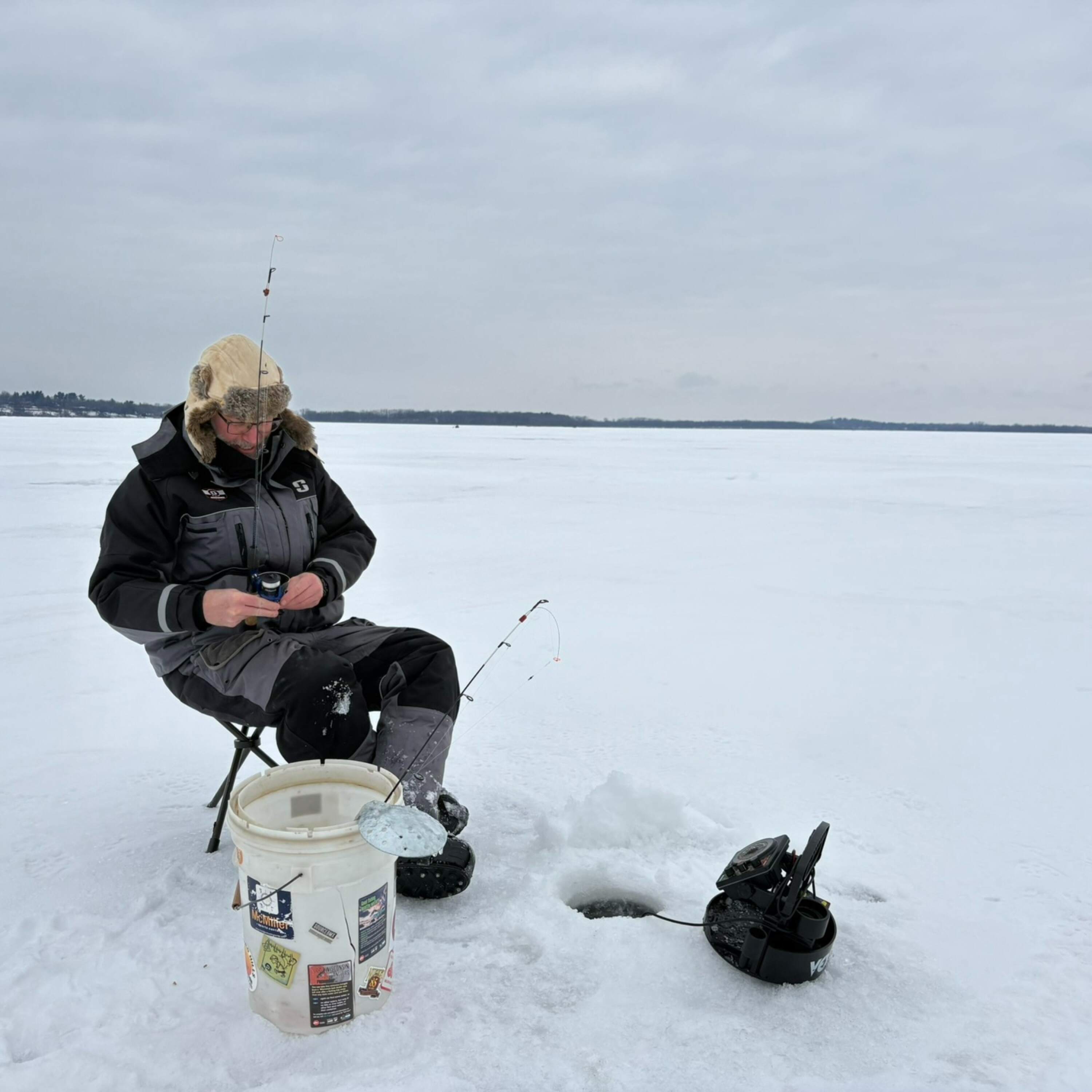
Lakes are freezing later, thawing earlier and experiencing dramatic temperature swings in between. And all that throws off the delicate balance of life below the surface. And that has a major impact on the roughly 1.7 million ice fishers in the U.S. who spend millions of dollars buying equipment and guide services each year. Producer Berly McCoy explains how scientists are tracking those ecological changes by getting out on the ice — to fish. Interested in more freshwater science? Email us your question at [email protected] to every episode of Short Wave sponsor-free and support our work at NPR by signing up for Short Wave+ at plus.npr.org/shortwave.To manage podcast ad preferences, review the links below:See pcm.adswizz.com for information about our collection and use of personal data for sponsorship and to manage your podcast sponsorship preferences.NPR Privacy Policy

Ep 1438The dangers of warming winter lakes
Over half a billion people live by lakes that freeze over in the winter. But as the climate warms, those lakes are losing whole days of ice cover. Winters are also getting weirder, with more intense temperature swings that lead to multiple freezes and thaws. Those fluctuations make the ice less safe, and more likely for people to fall through as they walk. So, today, producer Berly McCoy gets into how these changes are altering culture, community and safety on the ice – plus, how firefighters train for rescues. This is the first in a two-part series on how lake ice is changing. Check out Monday’s episode for part two!Check out photos from Berly’s reporting trip to Madison, Wisconsin.Interested in more winter science? Email us your question at [email protected] to every episode of Short Wave sponsor-free and support our work at NPR by signing up for Short Wave+ at plus.npr.org/shortwave.To manage podcast ad preferences, review the links below:See pcm.adswizz.com for information about our collection and use of personal data for sponsorship and to manage your podcast sponsorship preferences.NPR Privacy Policy

Ep 1437Screen time is up for grandma and grandpa
Folks over 65 are putting in a lot of screen time. In 2019, the Pew Research Center found that people 60 years and older spend more than half their daily leisure time in front of screens, mostly watching TV or videos. Since the pandemic, that screen time has increased. Is addiction on the rise? And what’s the best use of screen time for any of us? We’re parsing out all the questions with Ipsit Vahia, the Chief of Geriatric Psychiatry at McLean Hospital. Interested in more stories about how technology is changing daily life? Email us your question at [email protected] to every episode of Short Wave sponsor-free and support our work at NPR by signing up for Short Wave+ at plus.npr.org/shortwave.To manage podcast ad preferences, review the links below:See pcm.adswizz.com for information about our collection and use of personal data for sponsorship and to manage your podcast sponsorship preferences.NPR Privacy Policy

Ep 1436Could our trash become local fishes’ treasure?
Helicopters. Cargo containers. Old washing machines. For years, fishermen dumped this waste into the Gulf of Mexico. But they weren’t just trying to get rid of junk; they were trying to create artificial reefs that would help attract fish. For this month’s Nature Quest, WWNO coastal reporter Eva Tesfaye takes a (metaphorical) dive into the gulf to find out if Alabama’s ocean junkyard is an economic – and environmental – solution.Want to learn more about artificial reefs? Check out WWNO's podcast Sea Change for more reporting from Eva and her colleagues.This episode is part of Nature Quest, our monthly segment that brings you a question from a Short Waver who is noticing a change in the world around them.Send a voice memo to [email protected] telling us your name, location and a question about a change you're seeing in nature – it could be our next Nature Quest episode!Listen to every episode of Short Wave sponsor-free and support our work at NPR by signing up for Short Wave+ at plus.npr.org/shortwave.To manage podcast ad preferences, review the links below:See pcm.adswizz.com for information about our collection and use of personal data for sponsorship and to manage your podcast sponsorship preferences.NPR Privacy Policy

The serious hunt for alien life
Bring up aliens and a lot of people will scoff. But not everyone is laughing. Around the turn of the century, 3.8 million people banded together in a real-time search for aliens — with screensavers. It was a big moment in a century-long concerted search for extraterrestrial intelligence. So far, alien life hasn't been found. But for scientists like astronomer James Davenport, that doesn't mean the hunt is worthless. It doesn't mean we should give up. No, according to Davenport, the search is only getting more exciting as new technology opens up a whole new landscape of possibilities. So, today, we're revisiting our episode on the evolving hunt for alien life. Want more space content? Let your opinion be heard by dropping us a line at [email protected]! Listen to every episode of Short Wave sponsor-free and support our work at NPR by signing up for Short Wave+ at plus.npr.org/shortwave.To manage podcast ad preferences, review the links below:See pcm.adswizz.com for information about our collection and use of personal data for sponsorship and to manage your podcast sponsorship preferences.NPR Privacy Policy

The noise that isn't there
Almost 15% of adults suffer from a persistent, often intolerable sound... that is literally just in their heads. Why does the brain do this to us? We help one of our listeners get some answers.This is the second episode of a five-part series called The Sound Barrier from our friends at Vox's Unexplainable podcast.Guests: Stéphane Maison, director of the tinnitus clinic at Mass Eye and Ear and Dan Polley, tinnitus researcher at Mass Eye and EarTo manage podcast ad preferences, review the links below:See pcm.adswizz.com for information about our collection and use of personal data for sponsorship and to manage your podcast sponsorship preferences.NPR Privacy Policy

Ep 1434The truth about intermittent fasting
From TikTok and Instagram influencers to celebrities like Hugh Jackman and Kourtney Kardashian, intermittent fasting has gotten a lot of hype. The diet restricts what time you eat rather than what or how much you eat. The idea is that short periods of fasting cause your body to burn through stored fat reserves. But is that conventional wisdom true? And can it really contribute to weight loss? Regina G. Barber and Rachel Carlson tackle those questions — plus why some researchers are rethinking how to protect people's mental health when talking to chatbots and how ultra-endurance running changes the human body.Have a scientific question you want us to answer? Email us your question at [email protected] to every episode of Short Wave sponsor-free and support our work at NPR by signing up for Short Wave+ at plus.npr.org/shortwave.To manage podcast ad preferences, review the links below:See pcm.adswizz.com for information about our collection and use of personal data for sponsorship and to manage your podcast sponsorship preferences.NPR Privacy Policy

Ep 1433The neuroscience of cracking under pressure
The 2026 Winter Olympics are unfolding in Milan and Cortina, and we can’t look away: We’re watching athletes fly down mountains on skis and glide — sometimes slipping and falling — on the ice. Vikram Chib studies performance and how the brain responds to rewards at Johns Hopkins University. And he says rewards aren’t just for Olympians; they’re baked into basically everything humans do. But those rewards and the pressure that comes with them can come at a cost to people’s brains. And even Olympians are human. Sometimes, we crack. So, today, Vikram dives into the science behind choking under pressure. Interested in more Olympics science? Email us your question at [email protected] – we may cover it in a future episode!Listen to every episode of Short Wave sponsor-free and support our work at NPR by signing up for Short Wave+ at plus.npr.org/shortwave.To manage podcast ad preferences, review the links below:See pcm.adswizz.com for information about our collection and use of personal data for sponsorship and to manage your podcast sponsorship preferences.NPR Privacy Policy

Ep 1432Tea time... with an ape?
Picture this: You’re at a pretend tea party, but instead of sitting across from toddlers in tiaras, you’re clinking cups with Kanzi—an ape with the incredible ability to communicate with humans. NPR science correspondent Nate Rott talked to some scientists who did exactly that. But these scientists weren’t just having pretend tea parties with Kanzi for fun, they were trying to test the limits of his imagination – because humans’ ability to play out “pretend” scenarios in our heads and guess at the potential consequences of our actions is key to how we live our lives. And we might not be the only animals to do it!For more of Nate’s reporting, plus videos of Kanzi, check out the full story on NPR here. Chris Krupenye’s study can be found here.If you liked this episode, you might also like our episode on bonobos and the evolution of niceness, and what insights monkeys offer us for the evolution of human speech. Interested in more science about our brains and their abilities? Email us your question at [email protected] to every episode of Short Wave sponsor-free and support our work at NPR by signing up for Short Wave+ at plus.npr.org/shortwave.To manage podcast ad preferences, review the links below:See pcm.adswizz.com for information about our collection and use of personal data for sponsorship and to manage your podcast sponsorship preferences.NPR Privacy Policy

Ep 1431Could this vaccine trial mean a future without HIV?
Early last year, a hundred researchers, clinicians and other experts on HIV discussed the development of an innovative vaccine that could prevent the disease. But just as the meeting was about to wrap up, the mood darkened. A new executive order signed by President Trump on Inauguration day had frozen all foreign aid, pending a review. Soon, DOGE would begin its decimation of USAID — and with it, this vaccine trial. That is – until the South African researchers came up with a new plan. Read more of freelance science reporter Ari Daniel’s story here.This story was supported by a grant from the Pulitzer Center.Interested in more on the future of science? Email us your question at [email protected] to every episode of Short Wave sponsor-free and support our work at NPR by signing up for Short Wave+ at plus.npr.org/shortwave.To manage podcast ad preferences, review the links below:See pcm.adswizz.com for information about our collection and use of personal data for sponsorship and to manage your podcast sponsorship preferences.NPR Privacy Policy

Ep 1430Why do we kiss? It's an evolutionary conundrum
The evolutionary purpose of kissing has long eluded scientists. Smooching is risky, given things like pointy teeth, and inherently gross, given an estimated 80 million bacteria are transferred in a 10 second kiss. And yet, from polar bears to humans, albatrosses and prairie dogs, many animals kiss. So, what gives? Evolutionary biologist Matilda Brindle tells us the sordid details driving this behavior, what distinguishes different kinds of kissing and whether culture has anything to do with why people kiss.Interested in more of the science behind love and connection? Email us your question at [email protected] to every episode of Short Wave sponsor-free and support our work at NPR by signing up for Short Wave+ at plus.npr.org/shortwave.To manage podcast ad preferences, review the links below:See pcm.adswizz.com for information about our collection and use of personal data for sponsorship and to manage your podcast sponsorship preferences.NPR Privacy Policy

AI is great at predicting text. Can it guide robots?
It seems like artificial intelligence is everywhere in our virtual lives. It's in our search results and our phones. But what happens when AI moves out of the chat and into the real world? NPR science editor and correspondent Geoff Brumfiel took a trip to the Intelligence through Robotic Interaction at Scale Lab at Stanford University to see how scientists are using AI to power robots and the large hurtles that exist for them to perform even simple tasks. (encore)Read Geoff's full story.Interested in more AI stories? Email us your ideas at [email protected] to every episode of Short Wave sponsor-free and support our work at NPR by signing up for Short Wave+ at plus.npr.org/shortwave.To manage podcast ad preferences, review the links below:See pcm.adswizz.com for information about our collection and use of personal data for sponsorship and to manage your podcast sponsorship preferences.NPR Privacy Policy

Ep 1428The physics of the Winter Olympics
Watching a ski jumper fly through the air might get you wondering, “How do they do that?” The answer is – physics!That’s why this episode, we have two physicists – Amy Pope, a physicist from Clemson University and host Regina G. Barber – break down the science at play across some of the sports at the 2026 Winter Olympics. Because what’s a sport without a little friction, lift and conservation of energy? They also get into the new sport this year, ski mountaineering - or “skimo” as many call it - and the recent scandal involving the men’s ski jump suits. Interested in more science behind Olympic sports? Check out our episodes on how extreme G-forces affect Olympic bobsledders, the physics of figure skating and the science behind Simone Biles' Olympic gold. Also, we’d love to know what science questions have you stumped. Email us your questions at [email protected] – we may solve it for you on a future episode!Listen to every episode of Short Wave sponsor-free and support our work at NPR by signing up for Short Wave+ at plus.npr.org/shortwave.To manage podcast ad preferences, review the links below:See pcm.adswizz.com for information about our collection and use of personal data for sponsorship and to manage your podcast sponsorship preferences.NPR Privacy Policy