Physics World Weekly Podcast
121 episodes — Page 1 of 3
Porous material offers the benefits of graphene in 3D
Finding careers in STEM and the weirdness of AI
Gamma Knife radiosurgery brings precision treatment to benign brain conditions
The Quantum Kid: childhood curiosity makes physics more accessible
Motivation is key to the public’s trust in science, study reveals
Building bridges between quantum and classical computing
How scholarly publishers are safeguarding trust in science
Quarks and qubits: how quantum computing could transform particle physics
Large physics models boost the performance of passenger cars
Static electricity: mysteries lurk within this everyday phenomenon
Independent linac commissioning matters for radiotherapy
Ken’ichi Nomoto and Stanford Woosley share the 2026 Shaw Prize in Astronomy
‘Galactic archaeologists’ share the 2026 Kavli Prize in Astrophysics
Inside EPSRC: Charlotte Deane on funding the future of UK physics
Open data: the benefits and challenges of sharing a precious resource
Thermodynamic computing: noise as a resource, not an enemy
Paul Howarth: IOP president highlights the need to raise the profile of physics in society
Near-oxymoronic requirements: the materials challenges of fusion energy
Quantum sensors benefit from miniaturized ultrahigh vacuum
Proteins on manuscript reveal how Renaissance medicines were made
Backing winners in deep tech: physicist and venture capitalist Alexandra Vidyuk
Biomedical optics play crucial roles across medicine
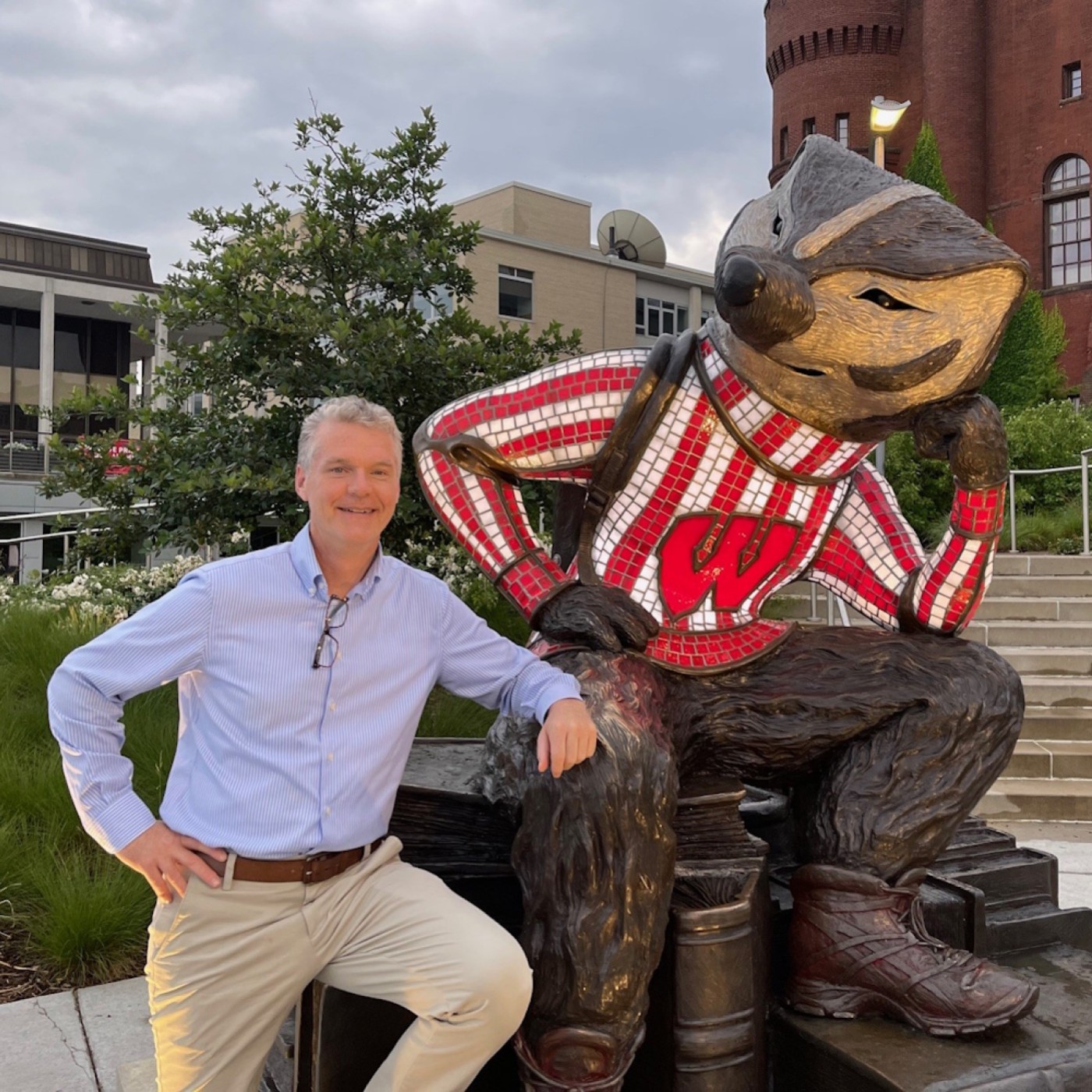
This episode of the Physics World Weekly podcast features Brian Pogue, who is professor of biomedical engineering at Dartmouth College in the US. He is also the co-founder of several start-up companies that are developing optics-based systems for medicine. In conversation with Physics World’s Tami Freeman, Pogue explains that optical technologies underlie many of today’s routine medical procedures. The field of optics is also converging with the world of medical physics, and Pogue talks about exciting new techniques for guidance, dosimetry and in vivo verification of radiation therapy cancer treatments. This interview was recorded in association with the journal Physics in Medicine & Biology, which celebrates its 70th anniversary this year. This podcast is supported by One Physics, your trusted, local partner in medical physics and radiation safety.

How IOP Publishing cut its carbon footprint by 36% since 2020
My guest in this episode of the Physics World Weekly podcast is Liz Martin, who is sustainability lead at IOP Publishing. We chat about how the scholarly publisher has reduced its carbon emissions by 36% when compared to a 2020 baseline – and the challenges and opportunities for achieving further reductions. Martin talks about the importance of cooperation and partnerships – both internal and external – to achieving environmental goals. This includes engaging with both suppliers and employees on how to reduce carbon emissions. IOP Publishing is a wholly owned subsidiary of the Institute of Physics, which is the professional body and learned society for physics in the UK and Ireland. It produces over 100 scholarly journals, around half of which are published jointly with or on behalf of partner societies and research organizations. Physics World is also brought to you by IOP Publishing. You can download a PDF of IOP Publishing’s Sustainability Report 2025 here.

From the classroom to the committee room: Dave Robertson MP on politics and physics
This episode of the Physics World Weekly podcast features a conversation with Dave Robertson, who was elected member of the UK parliament for Lichfield in 2024. Robertson spent eight years teaching physics after studying the subject at the University of Liverpool. He then worked for a teachers’ union, which inspired him to become a candidate for the Labour Party. He chats with Physics World’s Matin Durrani about his transition from the classroom to the committee room and how parliament “is a truly bonkers and truly bizarre workplace”. Robertson has already sponsored three physics-related events at the Palace of Westminster and he talks about his membership of various cross-party parliamentary groups – including those on nuclear energy and space. Robertson has not forgotten his roots in education and is adamant that the UK must address its nationwide shortage of physics teachers. He also urges physicists to speak out about how they can help address many of the world’s problems, notably climate change.
Droplet scientists push the boundary between living and non-living matter
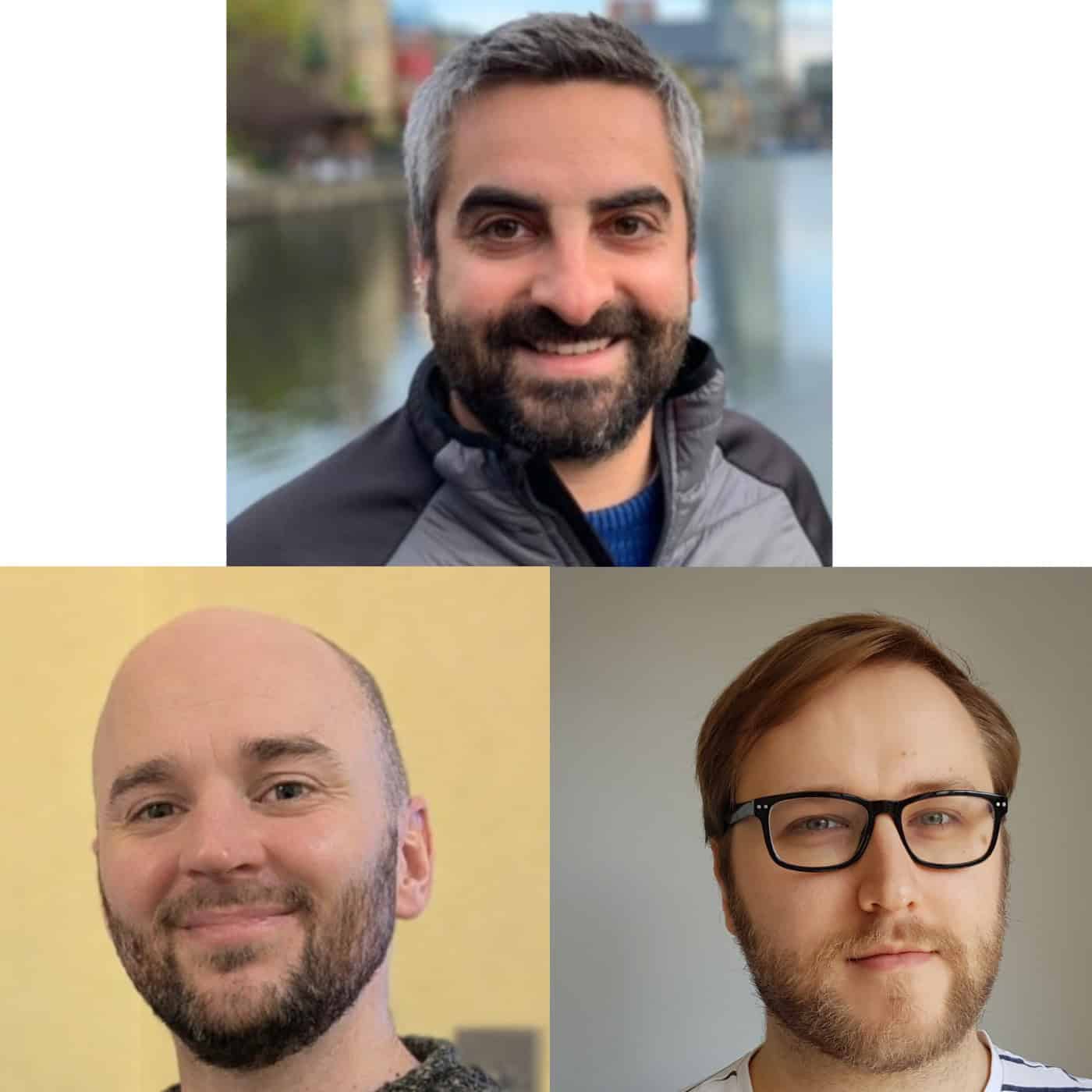
In this episode of the Physics World Weekly podcast, we hear from a trio of scientists with a common interest in the physics of droplets. Specifically, Joe Forth, Rob Malinowski and Giorgio Volpe share a fascination with droplets that are “animate” – that is, capable of responding to their surroundings in ways that resemble the behaviour of living organisms. As they explain in the podcast, systems must tick three boxes to qualify as animate. First, they must be active, able to use energy from their environment to do work and perform tasks. Second, they must be adaptive, able to move between different dynamical states in response to changes to their environment or their own internal states. Finally, they must be autonomous, able to process multiple inputs and choose how to respond to them without intervention from the outside world. Incorporating all these behaviours into a droplet – or a system of many droplets – is challenging. The boundary between autonomous and non-autonomous systems is proving especially hard to overcome, and Volpe, Malinowski and Forth have a friendly disagreement over whether any droplet-based system has managed it yet. Crosses disciplinary borders Part of the challenge, they say, is that the field crosses disciplinary borders. Although Volpe thinks the community of droplet researchers is getting better at finding a common vocabulary for discussions, Forth jokes that it is still the case that “the chemists are scared of physics, the physicists are scared of chemists, everyone is scared of biology”. The potential rewards of overcoming these fears are great, however, with possible future applications of animate droplets ranging from consumer products such as deodorant to oil spill clean-up. This discussion is based on a Perspective article that Volpe (a professor of soft matter in the chemistry department at University College London, UK), Malinowski (a research fellow in soft matter physics in the same department) and Forth (a colloid scientist and lecturer in the chemistry department at the University of Liverpool, UK) wrote for the journal EPL, which sponsors this episode of the podcast.
Ultrasound system solves the ‘unsticking problem’ in biomedical research
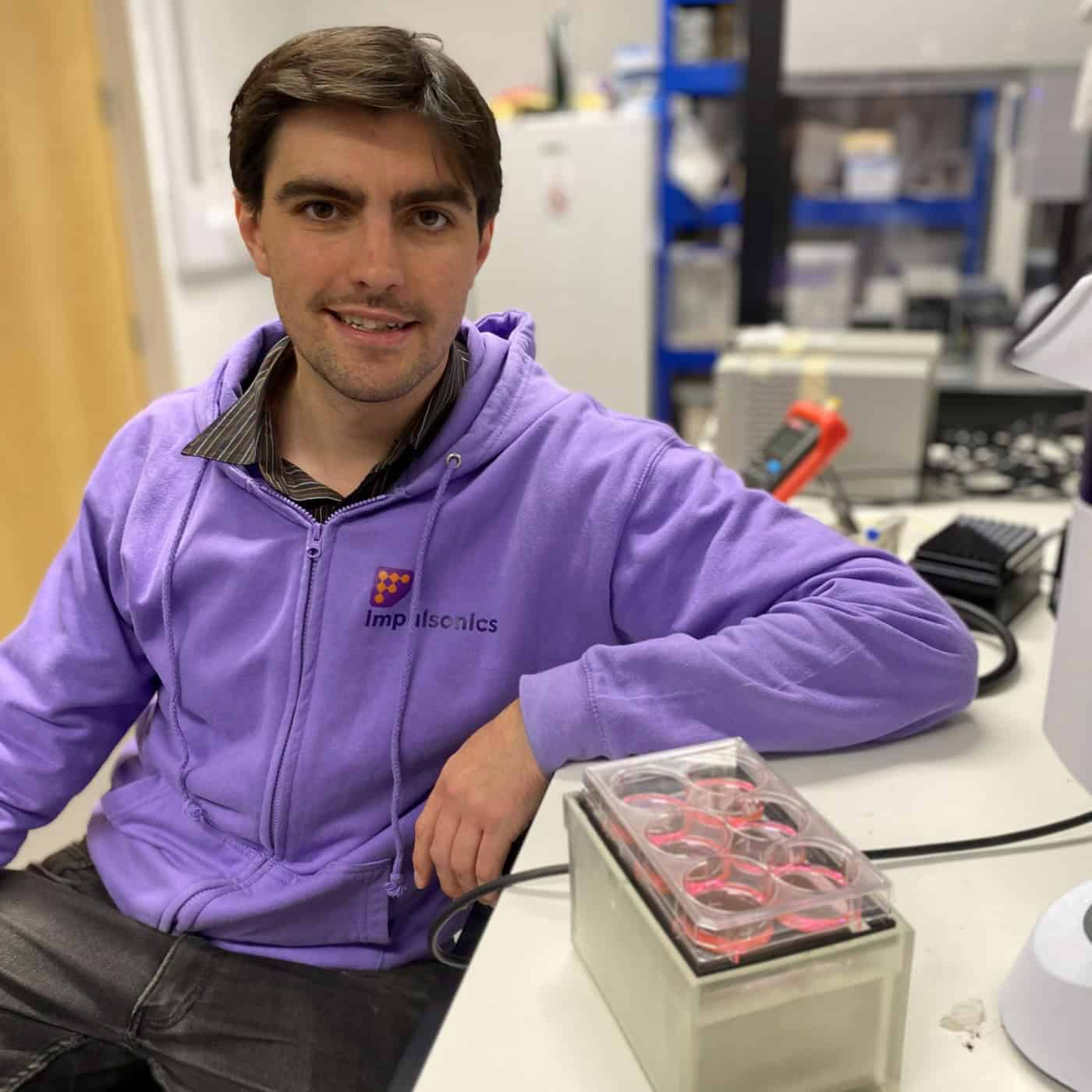
“Surround sound for biological cells,” is how Luke Cox describes the ultrasound technology that Impulsonics has developed to solve the “unsticking problem” in biomedical science. Cox is co-founder and chief executive of UK-based Impulsonics, which spun-out of the University of Bristol in 2023. He is also my guest in this episode of the Physics World Weekly podcast. He explains why living cells grown in a petri dish tend to stick together, and why this can be a barrier to scientific research and the development of new medical treatments. The system uses an array of ultrasound transducers to focus sound so that it frees-up and manipulates cells in a way that does not alter their biological properties. This is unlike chemical unsticking processes, which can change cells and impact research results. We also chat about Cox’s career arc from PhD student to chief executive and explore opportunities for physicists in the biomedical industry. The following articles are mentioned in the podcast: “Materials probed by ultrasound…” podcast with Bruce Drinkwater “Portable imaging system targets eye diseases…” podcast with Siloton “Holographic acoustic tweezers could be used to create 3D displays” research done in Bruce Drinkwater’s lab
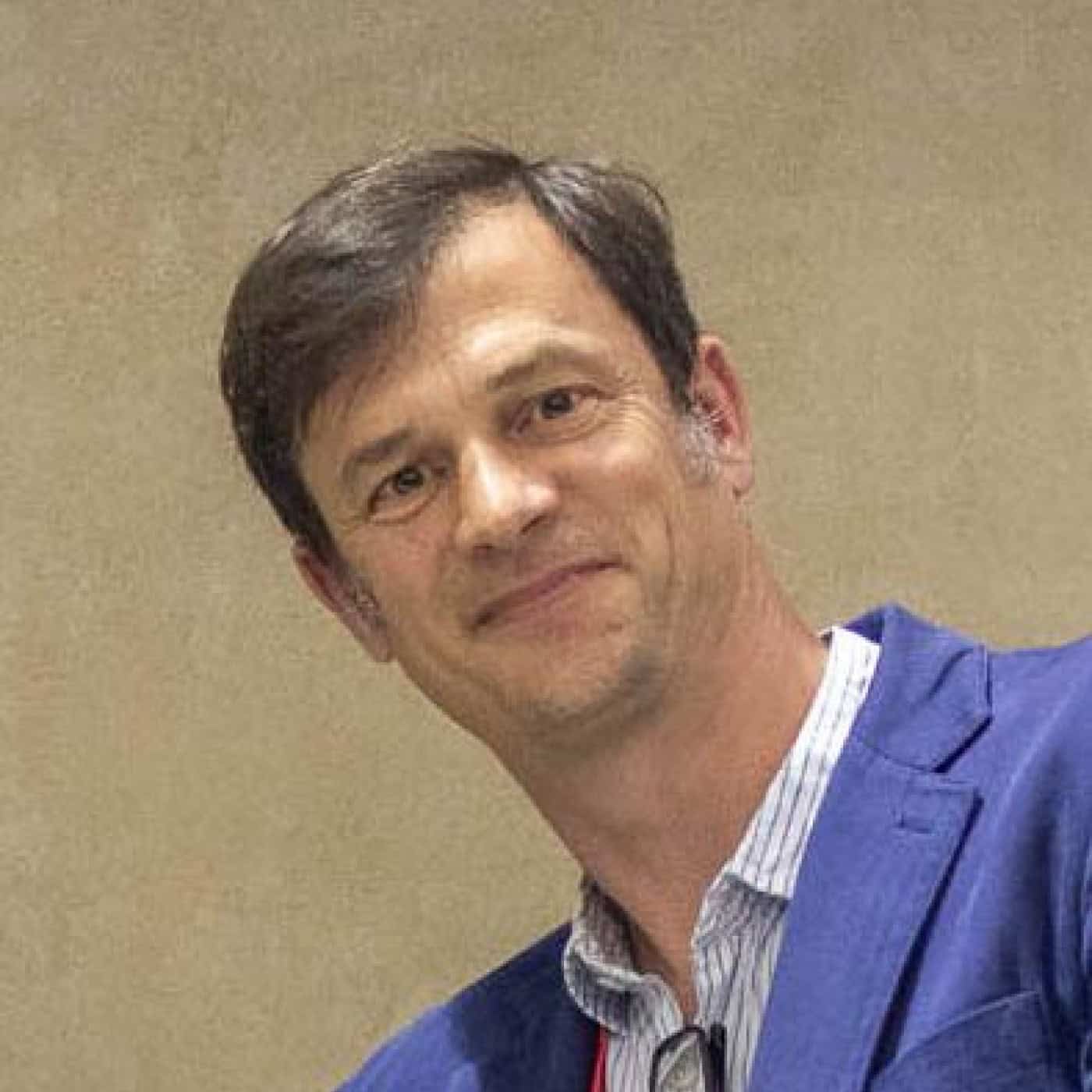
LHCb upgrade: CERN collaboration responds to UK funding cut
Later this year, CERN’s Large Hadron Collider (LHC) and its huge experiments will shutdown for the High Luminosity upgrade. When complete in 2030, the particle-collision rate in the LHC will be increased by a factor of 10 and the experiments will be upgraded so that they can better capture and analyse the results of these collisions. This will allow physicists to study particle interactions at unprecedented precision and could even reveal new physics beyond the Standard Model. Earlier this year, however, the UK government announced that it will no longer fund the upgrade of the LHCb experiment on the LHC, which is run by a collaboration of more than 1700 physicists worldwide. The UK had promised to contribute about £50 million to the upgrade – which is a significant chunk of the overall cost. In this episode of the Physics World Weekly podcast I am in conversation with the particle physicist Tim Gershon, who is based at the UK’s University of Warwick. Gershon is spokesperson-elect for the LHCb collaboration and is playing a leading role in the upgrade. Gershon explains that UK participation and leadership has been crucial for the success of LHCb and cautions that the future of the experiment and the future of UK particle physics have been imperilled by the funding cut. We also chat about recent discoveries made by LHCb and look forward to what new physics the experiment could find after the upgrade.
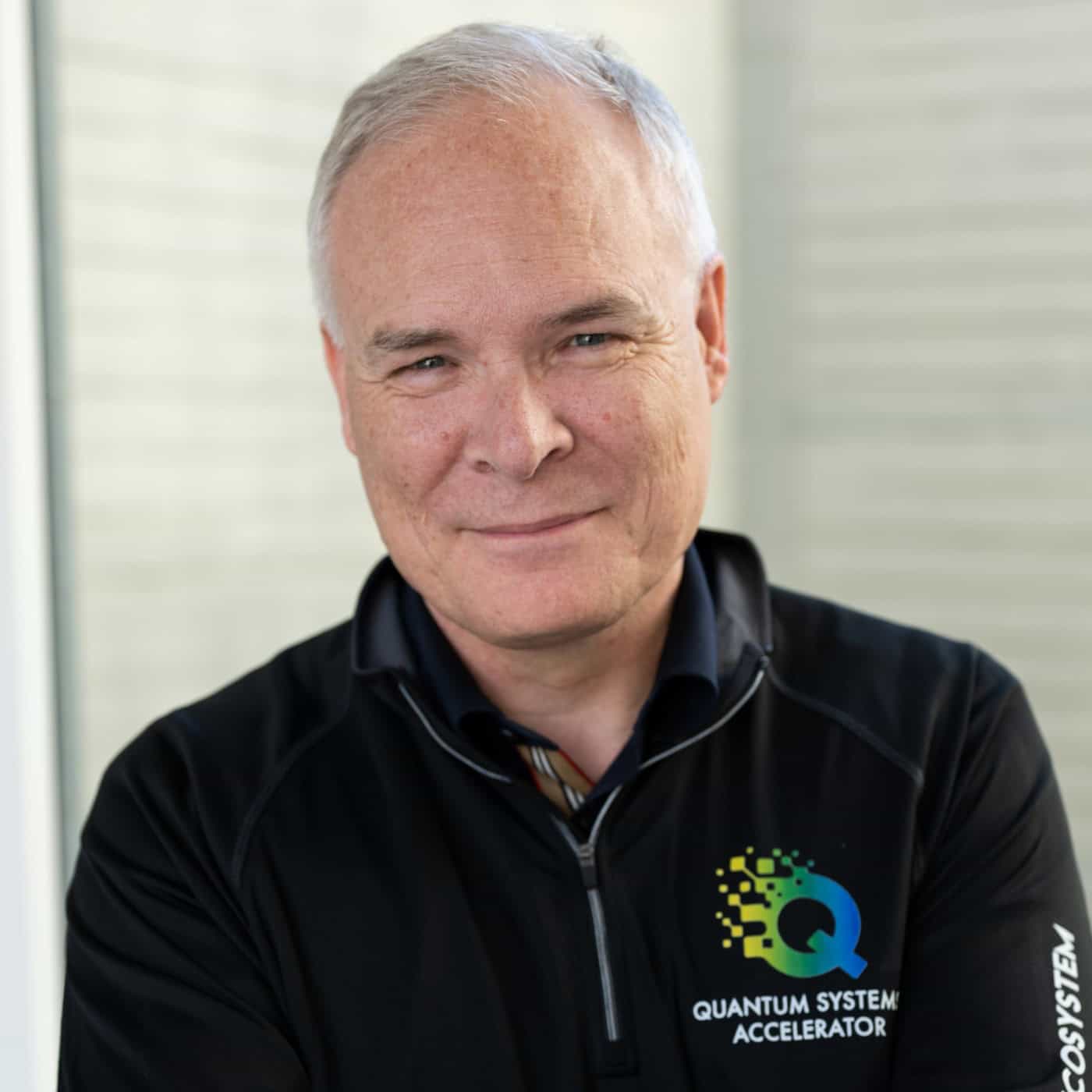
Quantum Systems Accelerator focuses on technologies for computing
Developing practical technologies for quantum information systems requires the cooperation of academic researchers, national laboratories and industry. That is the mission of the Quantum Systems Accelerator (QSA), which is based at the Lawrence Berkeley National Laboratory in the US. The QSA’s director Bert de Jong is my guest in this episode of the Physics World Weekly podcast. His academic research focuses on computational chemistry and he explains how this led him to realise that quantum phenomena can be used to develop technologies for solving scientific problems. In our conversation, de Jong explains why the QSA is developing a range of qubit platforms − including neutral atoms, trapped ions, and superconducting qubits – rather than focusing on a single architecture. He champions the co-development of quantum hardware and software to ensure that quantum computing is effective at solving a wide range of problems from particle physics to chemistry. We also chat about the QSA’s strong links to industry and de Jong reveals his wish list of scientific problems that he would solve if he had access today to a powerful quantum computer.   This podcast is supported by Oxford Ionics.

Asteroid deflection: why we need to get it right the first time
Science fiction became science fact in 2022 when NASA’s DART mission took the first steps towards creating a planetary defence system that could someday protect Earth from a catastrophic asteroid collision. However, much more work on asteroid deflection is needed from the latest generation of researchers – including Rahil Makadia, who has just completed a PhD in aerospace engineering at University of Illinois at Urbana-Champaign. In this episode of the Physics World Weekly podcast, Makadia talks about his work on how we could deflect asteroids away from Earth. We also chat about the potential threats posed by near-Earth asteroids – from shattered windows to global destruction. Makadia’s stresses the importance of getting a deflection right the first time, because his calculations reveal that a poorly deflected asteroid could return to Earth someday. In November, he published a paper that explored how a bad deflection could send an asteroid into a “keyhole” that guarantees its return. But it is not all gloom and doom, Makadia points out that our current understanding of near-Earth asteroids suggests that no major collision will occur for at least 100 years. So even if there is a threat on the horizon, we have lots of time to develop deflection strategies and technologies.
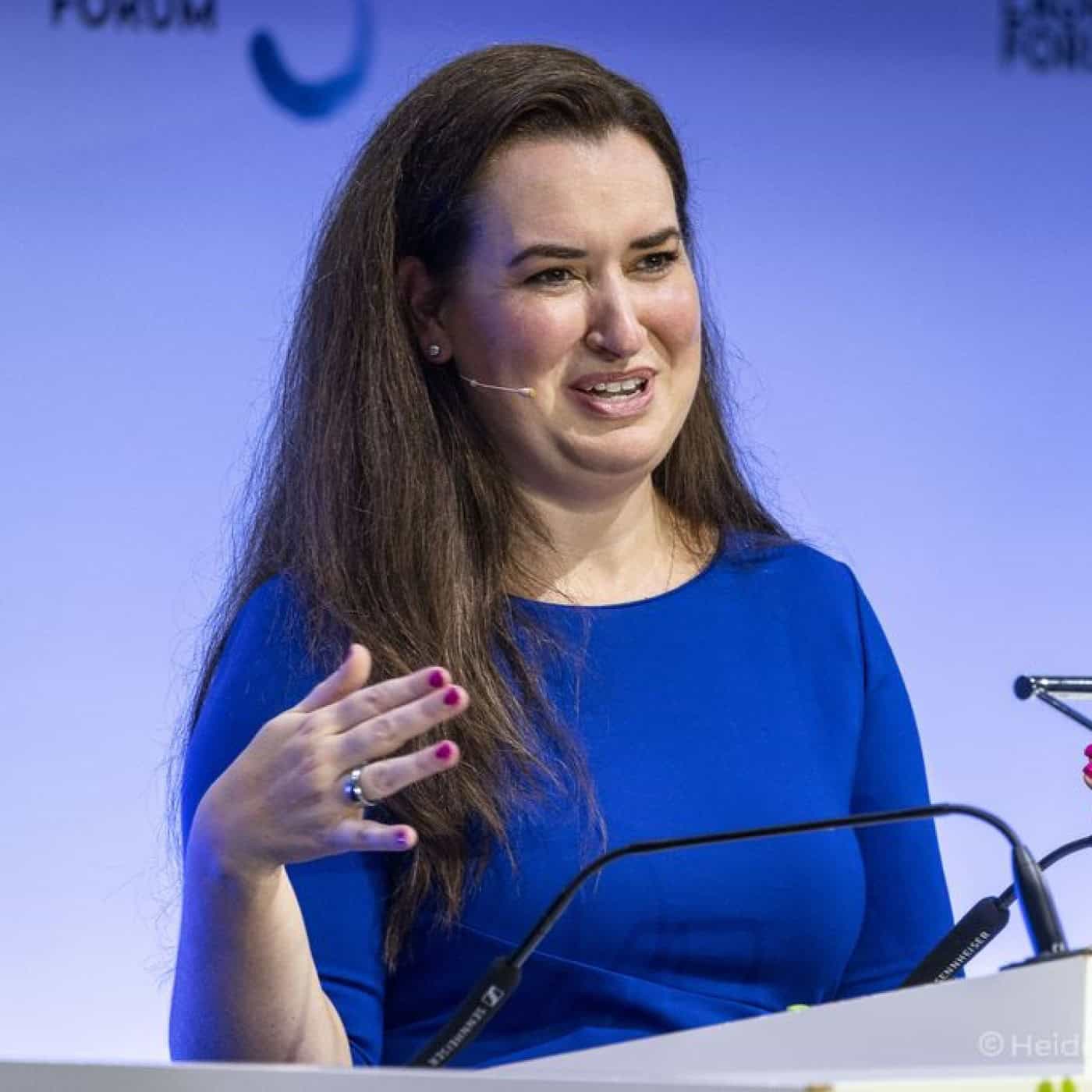
Physics‑based simulations help diagnose and treat disease
This episode of the Physics World Weekly podcast features Amanda Randles, who is a computer scientist and biomedical engineer at Duke University in the US. In a conversation with Physics World’s Margaret Harris, Randles explains how she uses physics-based, computationally intensive simulations to develop new ways to diagnose and treat human disease. She has also investigated how data from wearable devices such as smartwatches can be used identify signs of heart disease. In 2024, the Association for Computing Machinery awarded Randles its ACM Prize in Computing for her groundbreaking work. Harris caught up with Randles at the 2025 Heidelberg Laureate Forum, which brings prizewinning researchers and early-career researchers in computer science and mathematics to Heidelberg, Germany for a week of talks and networking. Randles began her career as a physicist and she explains why she was drawn to the multidisciplinary research that she does today. Randles talks about her enduring love of computer coding and also reflects on what she might have done differently when starting out in her career.
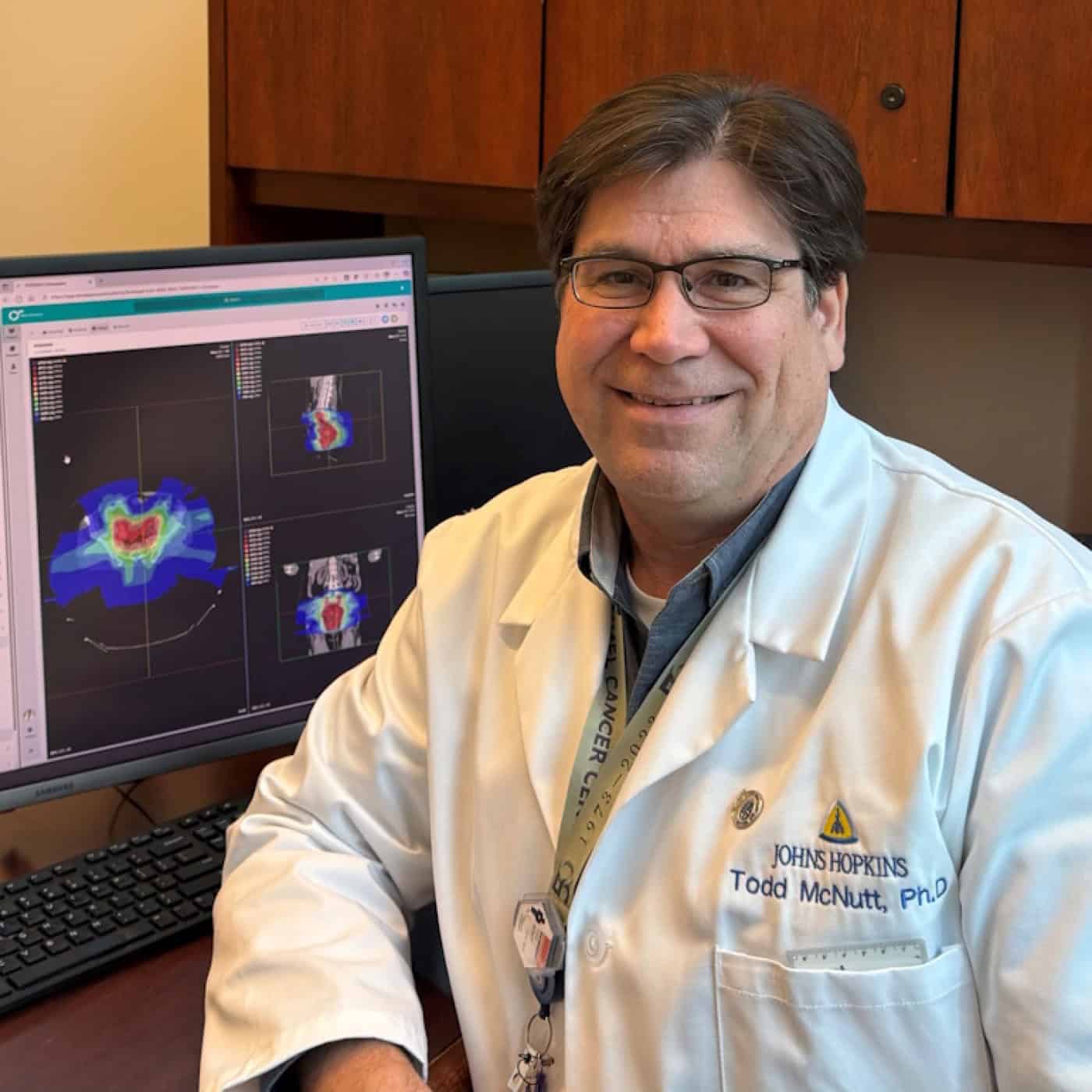
AI-based tool improves the quality of radiation therapy plans for cancer treatment
This episode of the Physics World Weekly podcast features Todd McNutt, who is a medical physicist at Johns Hopkins University and the founder of Oncospace. In a conversation with Physics World’s Tami Freeman, McNutt explains how an artificial intelligence-based tool called Plan AI can help improve the quality of radiation therapy plans for cancer treatments. As well as discussing the benefits that Plan AI brings to radiotherapy patients and cancer treatment centres, they examine its evolution from an idea developed by an academic collaboration to a clinical product offered today by Sun Nuclear, a US manufacturer of radiation equipment and software. This podcast is sponsored by Sun Nuclear.
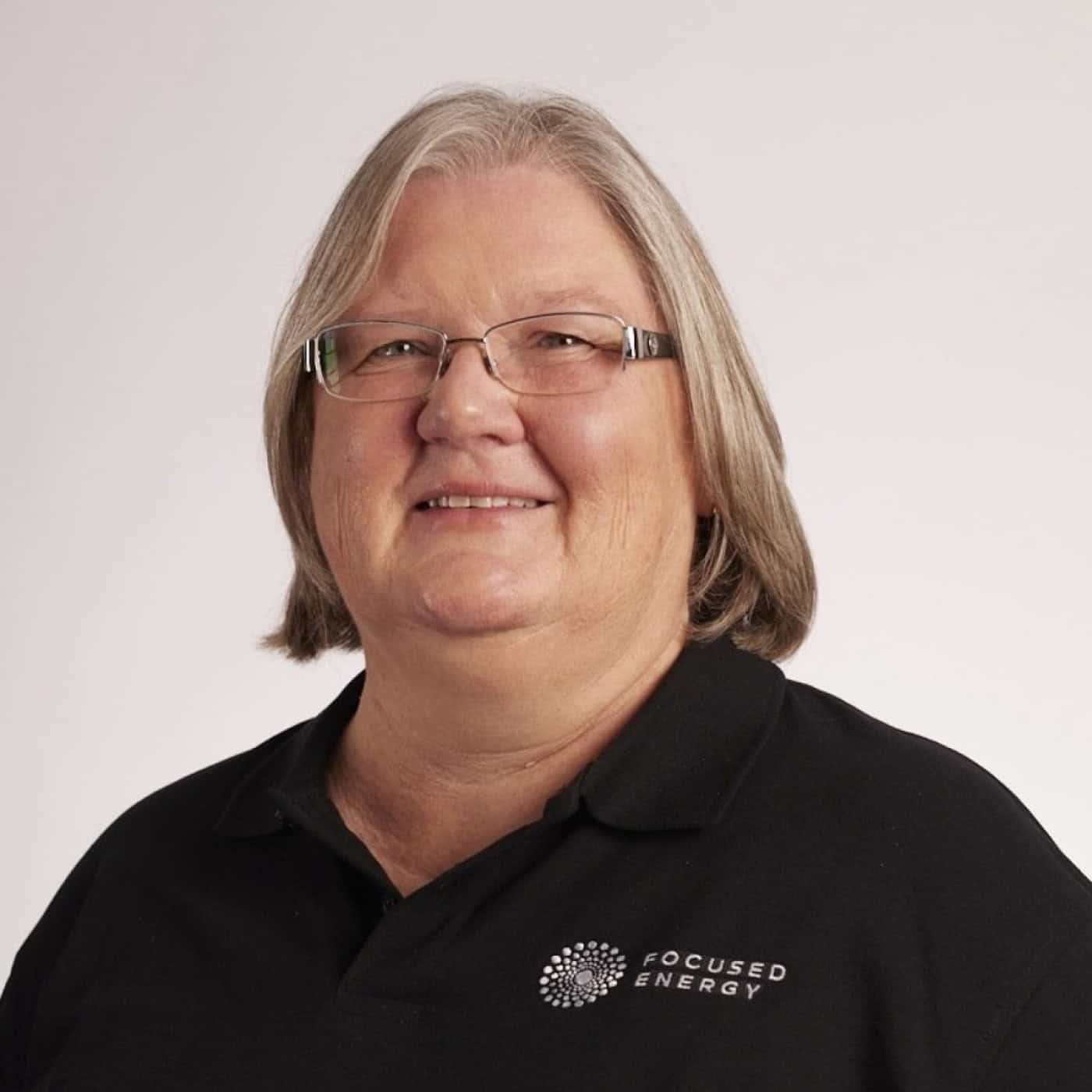
Laser fusion: Focused Energy charts a course to commercial viability
This episode of the Physics World Weekly podcast features a conversation with the plasma physicist Debbie Callahan who is chief strategy officer at Focused Energy – a California and Germany based fusion-energy startup. Prior to that she spent 35 years working at the National Ignition Facility (NIF) at Lawrence Livermore National Laboratory in the US. Focused Energy is developing a commercial system for generating energy from the laser-driven fusion of hydrogen isotopes. Callahan describes LightHouse, which is the company’s design for a laser-fusion power plant, and Pearl, which is the firm’s deuterium–tritium fuel capsule. Callahan talks about the challenges and rewards of working in the fusion industry and also calls on early-career physicists to consider careers in this burgeoning sector.

Quantum metrology at NPL: we explore the challenges and opportunities
This episode of the Physics World Weekly podcast features a conversation with Tim Prior and John Devaney of the National Physical Laboratory (NPL), which is the UK’s national metrology institute. Prior is NPL’s quantum programme manager and Devaney is its quantum standards manager. They talk about NPL’s central role in the recent launch of NMI-Q, which brings together some of the world’s leading national metrology institutes to accelerate the development and adoption of quantum technologies. Prior and Devaney describe the challenges and opportunities of developing metrology and standards for rapidly evolving technologies including quantum sensors, quantum computing and quantum cryptography. They talk about the importance of NPL’s collaborations with industry and academia and explore the diverse career opportunities for physicists at NPL. Prior and Devaney also talk about their own careers and share their enthusiasm for working in the cutting-edge and fast-paced field of quantum metrology. This podcast is sponsored by the National Physical Laboratory. Further reading Why quantum metrology is the driving force for best practice in quantum standardization Performance metrics and benchmarks point the way to practical quantum advantage End note: NPL retains copyright on this article.
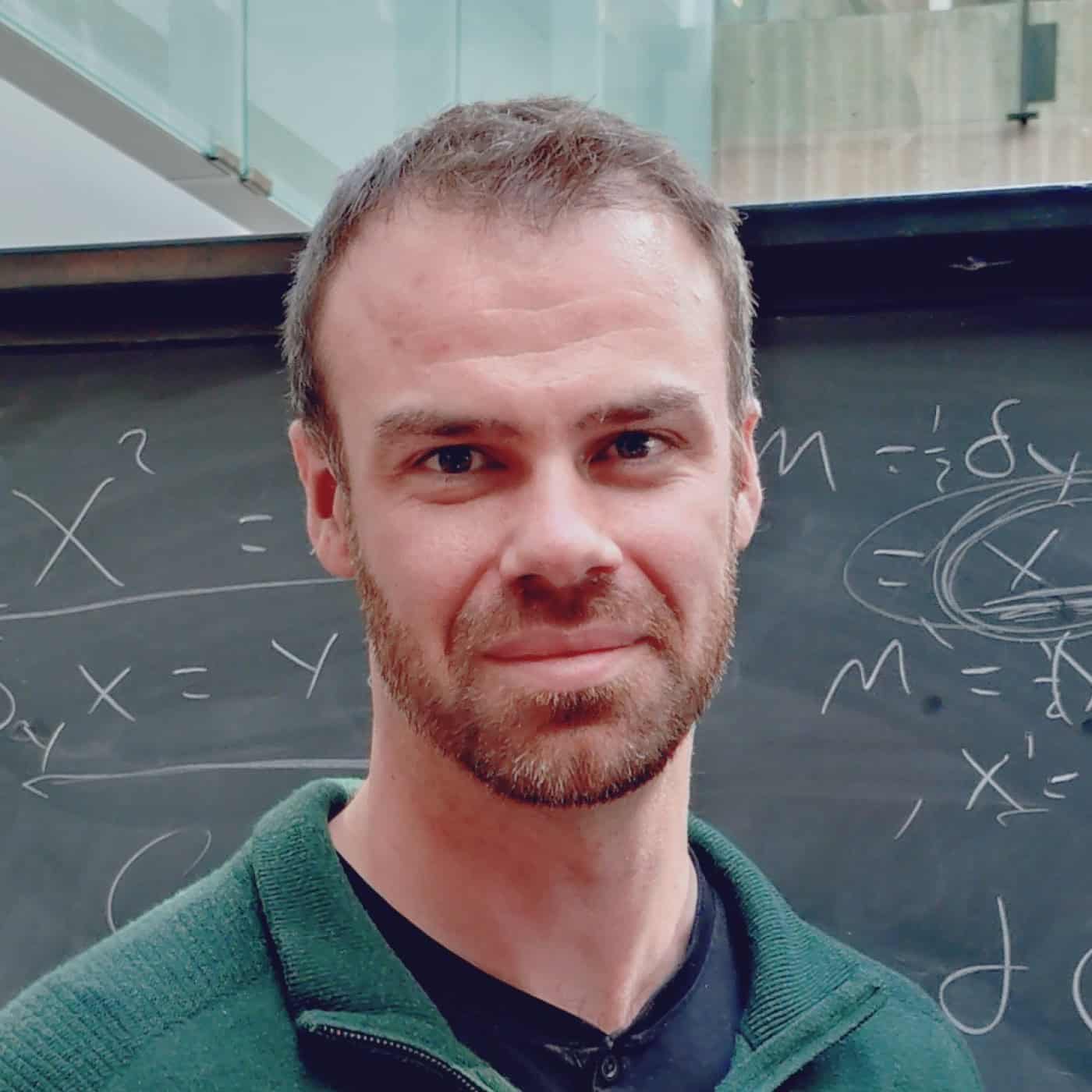
Quantum information theory sheds light on quantum gravity
This episode of the Physics World Weekly podcast features Alex May, whose research explores the intersection of quantum gravity and quantum information theory. Based at Canada’s Perimeter Institute for Theoretical Physics, May explains how ideas being developed in the burgeoning field of quantum information theory could help solve one of the most enduring mysteries in physics – how to reconcile quantum mechanics with Einstein’s general theory of relativity, creating a viable theory of quantum gravity. This interview was recorded in autumn 2025 when I had the pleasure of visiting the Perimeter Institute and speaking to four physicists about their research. This is the last of those conversations to appear on the podcast. The first interview in this series from the Perimeter Institute was with Javier Toledo-Marín, “Quantum computing and AI join forces for particle physics”; the second was with Bianca Dittrich, “Quantum gravity: we explore spin foams and other potential solutions to this enduring challenge“; and the third was with Tim Hsieh, “Building a quantum future using topological phases of matter and error correction”.   This episode is supported by the APS Global Physics Summit, which takes place on 15–20 March 2026 in Denver, Colorado, and online.
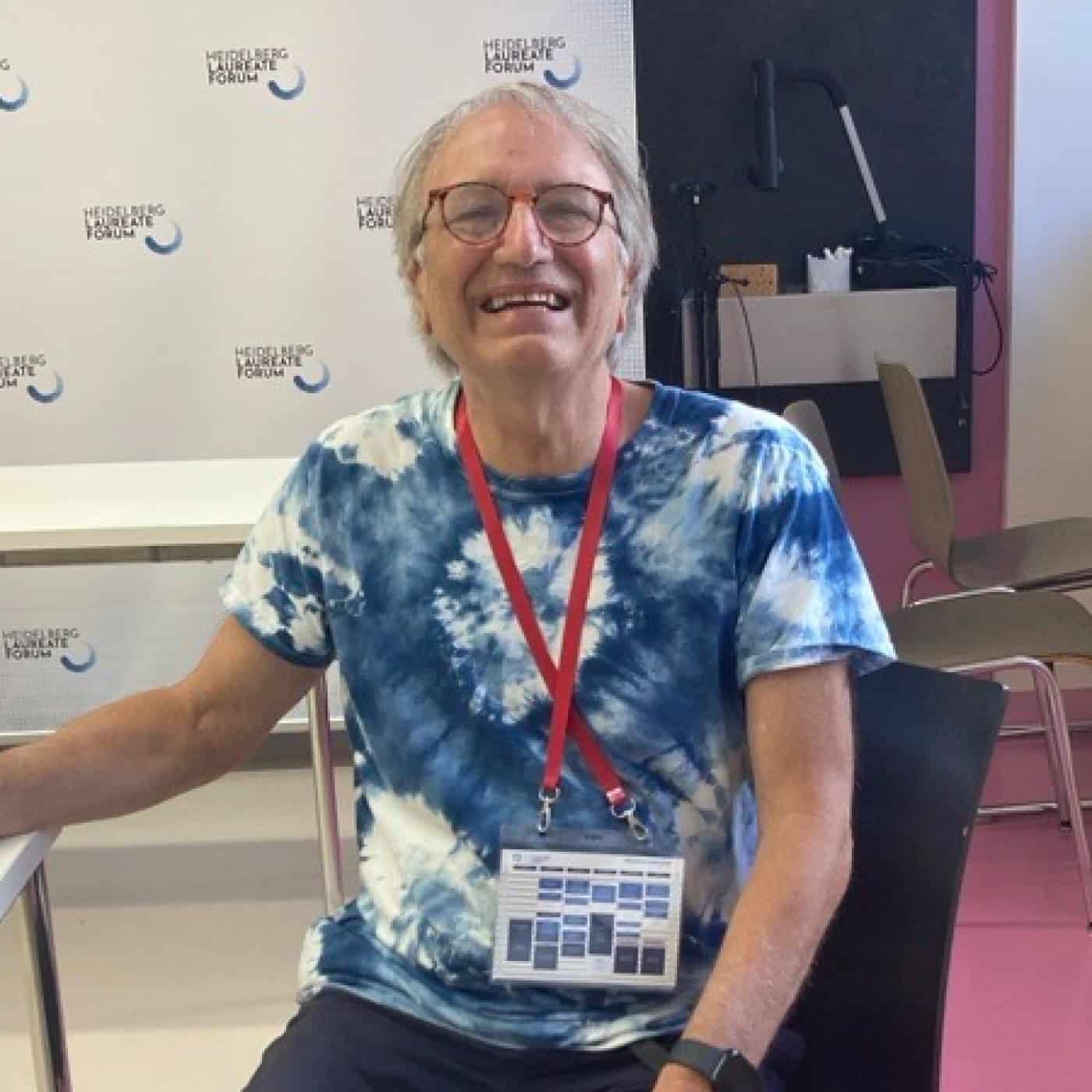
Oscar-winning computer scientist on the physics of computer animation
This episode of the Physics World Weekly podcast features Pat Hanrahan, who studied nuclear engineering and biophysics before becoming a founding employee of Pixar Animation Studios. As well as winning three Academy Awards for his work on computer animation, Hanrahan won the Association for Computing Machinery’s A M Turing Award for his contributions to 3D computer graphics, or CGI. Earlier this year, Hanrahan spoke to Physics World’s Margaret Harris at the Heidelberg Laureate Forum in Germany. He explains how he was introduced to computer graphics by his need to visualize the results of computer simulations of nervous systems. That initial interest led him to Pixar and his development of physically-based rendering, which uses the principles of physics to create realistic images. Hanrahan explains that light interacts with different materials in very different ways, making detailed animations very challenging. Indeed, he says that creating realistic looking skin is particularly difficult – comparing it to the quest for a grand unified theory in physics. He also talks about how having a background in physics has helped his career – citing his physicist’s knack for creating good models and then using them to solve problems.

How to make 2D metals: Guangyu Zhang on his team’s award-winning research
This episode of the Physics World Weekly podcast features Guangyu Zhang. Along with his colleagues at the Institute of Physics of the Chinese Academy of Sciences, Zhang has bagged the 2025 Physics World Breakthrough of the Year award for creating the first 2D metals. In a wide-ranging conversation, we chat about the motivation behind the team’s research; the challenges in making 2D metals and how these were overcome; and how 2D metals could be used to boost our understanding of condensed-matter physics and create new technologies. I am also joined by my Physics World colleague Matin Durrani to talk about some of the exciting physics that we will be showcasing in 2025. Physics World‘s coverage of the Breakthrough of the Year is supported by Reports on Progress in Physics, which offers unparalleled visibility for your ground-breaking research.
Exploring this year’s best physics research in our Top 10 Breakthroughs of 2025
This episode of the Physics World Weekly podcast features a lively discussion about our Top 10 Breakthroughs of 2025, which include important research in quantum sensing, planetary science, medical physics, 2D materials and more. Physics World editors explain why we have made our selections and look at the broader implications of this impressive body of research. The top 10 serves as the shortlist for the Physics World Breakthrough of the Year award, the winner of which will be announced on 18 December. Links to all the nominees, more about their research and the selection criteria can be found here. Physics World‘s coverage of the Breakthrough of the Year is supported by Reports on Progress in Physics, which offers unparalleled visibility for your ground-breaking research.

Building a quantum future using topological phases of matter and error correction
This episode of the Physics World Weekly podcast features Tim Hsieh of Canada’s Perimeter Institute for Theoretical Physics. We explore some of today’s hottest topics in quantum science and technology – including topological phases of matter; quantum error correction and quantum simulation. Our conversation begins with an exploration of the quirky properties quantum matter and how these can be exploited to create quantum technologies. We look at the challenges that must be overcome to create large-scale quantum computers; and Hsieh reveals which problem he would solve first if he had access to a powerful quantum processor. This interview was recorded earlier this autumn when I had the pleasure of visiting the Perimeter Institute and speaking to four physicists about their research. This is the third of those conversations to appear on the podcast. The first interview in this series from the Perimeter Institute was with Javier Toledo-Marín, “Quantum computing and AI join forces for particle physics”; and the second was with Bianca Dittrich, “Quantum gravity: we explore spin foams and other potential solutions to this enduring challenge“.   This episode is supported by the APS Global Physics Summit, which takes place on 15–20 March, 2026, in Denver, Colorado, and online.
Quantum gravity: we explore spin foams and other potential solutions to this enduring challenge
Earlier this autumn I had the pleasure of visiting the Perimeter Institute for Theoretical Physics in Waterloo Canada – where I interviewed four physicists about their research. This is the second of those conversations to appear on the podcast – and it is with Bianca Dittrich, whose research focuses on quantum gravity. Albert Einstein’s general theory of relativity does a great job at explaining gravity but it is thought to be incomplete because it is incompatible with quantum mechanics. This is an important shortcoming because quantum mechanics is widely considered to be one of science’s most successful theories. Developing a theory of quantum gravity is a crucial goal in physics, but it is proving to be extremely difficult. In this episode, Dittrich explains some of the challenges and talks about ways forward – including her current research on spin foams. We also chat about the intersection of quantum gravity and condensed matter physics; and the difficulties of testing theories against observational data. The first interview in this series from the PI was with Javier Toledo-Marín: “Quantum computing and AI join forces for particle physics” IOP Publishing’s new Progress In Series: Research Highlights website offers quick, accessible summaries of top papers from leading journals like Reports on Progress in Physics and Progress in Energy. Whether you’re short on time or just want the essentials, these highlights help you expand your knowledge of leading topics.

Talking physics with an alien civilization: what could we learn?
It is book week here at Physics World and over the course of three days we are presenting conversations with the authors of three fascinating and fun books about physics. Today, my guest is the physicist Daniel Whiteson, who along with the artist Andy Warner has created the delightful book Do Aliens Speak Physics?. Is physics universal, or is it shaped by human perspective? This will be a very important question if and when we are visited by an advanced alien civilization. Would we recognize our visitors’ alien science – or indeed, could a technologically-advanced civilization have no science at all? And would we even be able to communicate about science with our alien guests? Whiteson, who is a particle physicist at the University of California Irvine, tackles these profound questions and much more in this episode of the Physics World Weekly podcast.   This episode is supported by the APS Global Physics Summit, which takes place on 15–20 March, 2026, in Denver, Colorado, and online.
Better coffee, easier parking and more: the fascinating physics of daily life
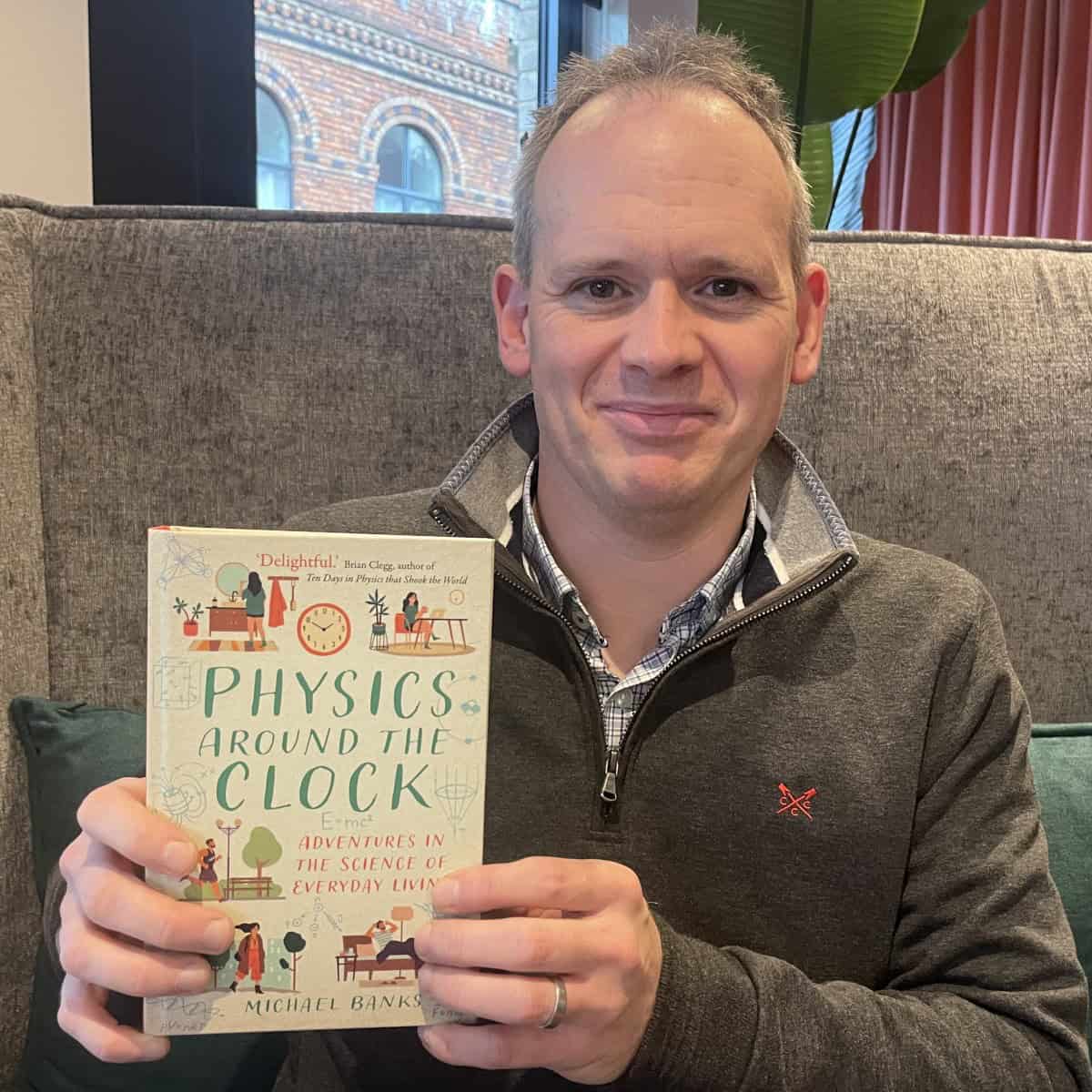
It is book week here at Physics World and over the course of three days we are presenting conversations with the authors of three fascinating and fun books about physics. First up is my Physics World colleague Michael Banks, whose book Physics Around the Clock: Adventures in the Science of Everyday Living starts with your morning coffee and ends with a formula for making your evening television viewing more satisfying. As well as the rich physics of coffee, we chat about strategies for finding the best parking spot and the efficient boarding of aeroplanes. If you have ever wondered why a runner’s ponytail swings from side-to-side when they reach a certain speed – we have the answer for you. Other daily mysteries that we explore include how a hard steel razor blade can be dulled by cutting relatively soft hairs and why quasiparticles called “jamitons” are helping physicists understand the spontaneous appearance of traffic jams. And a warning for squeamish listeners, we do talk about the amazing virus-spreading capabilities of a flushing toilet.   This episode is supported by the APS Global Physics Summit, which takes place on 15–20 March, 2026, in Denver, Colorado, and online.
Designing better semiconductor chips: NP hard problems and forever chemicals
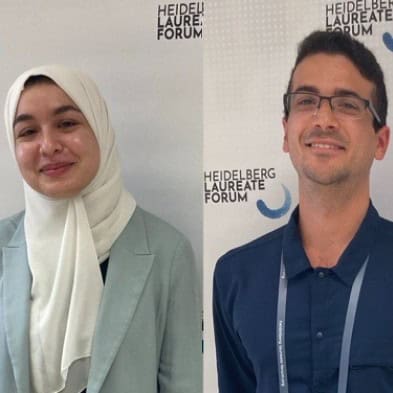
Like any major endeavour, designing and fabricating semiconductor chips requires compromise. As well as trade-offs between cost and performance, designers also consider carbon emissions and other environmental impacts. In this episode of the Physics World Weekly podcast, Margaret Harris reports from the Heidelberg Laureate Forum where she spoke to two researchers who are focused on some of these design challenges. Up first is Mariam Elgamal, who’s doing a PhD at Harvard University on the development of environmentally sustainable computing systems. She explains why sustainability goes well beyond energy efficiency and must consider the manufacturing process and the chemicals used therein. Harris also chats with Andrew Gunter, who is doing a PhD at the University of British Columbia on circuit design for computer chips. He talks about the maths-related problems that must be solved in order to translate a desired functionality into a chip that can be fabricated.  
Unlocking the potential of 2D materials: graphene and much more
This episode explores the scientific and technological significance of 2D materials such as graphene. My guest is Antonio Rossi, who is a researcher in 2D materials engineering at the Italian Institute of Technology in Genoa. Rossi explains why 2D materials are fundamentally different than their 3D counterparts – and how these differences are driving scientific progress and the development of new and exciting technologies. Graphene is the most famous 2D material and Rossi talks about today’s real-world applications of graphene in coatings. We also chat about the challenges facing scientists and engineers who are trying to exploit graphene’s unique electronic properties. Rossi’s current research focuses on two other promising 2D materials – tungsten disulphide and hexagonal boron nitride. He explains why tungsten disulphide shows great technological promise because of its favourable electronic and optical properties; and why hexagonal boron nitride is emerging as an ideal substrate for creating 2D devices. Artificial intelligence (AI) is becoming an important tool in developing new 2D materials. Rossi explains how his team is developing feedback loops that connect AI with the fabrication and characterization of new materials. Our conversation also touches on the use of 2D materials in quantum science and technology. IOP Publishing’s new Progress In Series: Research Highlights website offers quick, accessible summaries of top papers from leading journals like Reports on Progress in Physics and Progress in Energy. Whether you’re short on time or just want the essentials, these highlights help you expand your knowledge of leading topics.

Quantum steampunk: we explore the art and science
Earlier this year I met the Massachusetts-based steampunk artist Bruce Rosenbaum at the Global Physics Summit of the American Physical Society. He was exhibiting a beautiful sculpture of a “quantum engine” that was created in collaboration with physicists including NIST’s Nicole Yunger Halpern – who pioneered the scientific field of quantum steampunk. I was so taken by the art and science of quantum steampunk that I promised Rosenbaum that I would chat with him and Yunger Halpern on the podcast – and here is that conversation. We begin by exploring the art of steampunk and how it is influenced by the technology of the 19th century. Then, we look at the physics of quantum steampunk, a field that weds modern concepts of quantum information with thermodynamics – which itself is a scientific triumph of the 19th century. Philip Ball reviews Yunger Halpern’s 2022 book Quantum Steampunk: the Physics of Yesterday’s Tomorrow   This podcast is supported by Atlas Technologies, specialists in custom aluminium and titanium vacuum chambers as well as bonded bimetal flanges and fittings used everywhere from physics labs to semiconductor fabs.
Quantum computing and AI join forces for particle physics
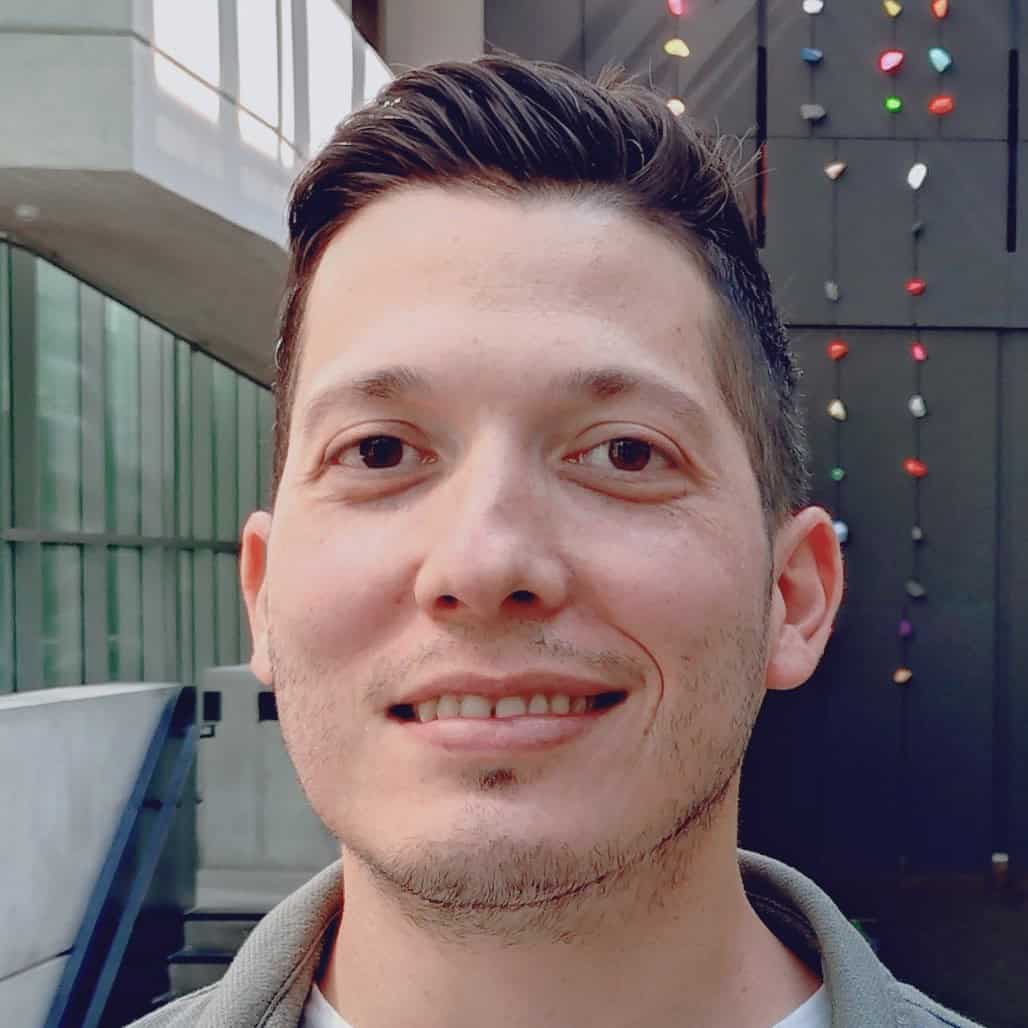
This episode of the Physics World Weekly podcast explores how quantum computing and artificial intelligence can be combined to help physicists search for rare interactions in data from an upgraded Large Hadron Collider. My guest is Javier Toledo-Marín, and we spoke at the Perimeter Institute in Waterloo, Canada. As well as having an appointment at Perimeter, Toledo-Marín is also associated with the TRIUMF accelerator centre in Vancouver. Toledo-Marín and colleagues have recently published a paper called “Conditioned quantum-assisted deep generative surrogate for particle–calorimeter interactions”. This podcast is supported by Delft Circuits. As gate-based quantum computing continues to scale, Delft Circuits provides the i/o solutions that make it possible.
Astronauts could soon benefit from dissolvable eye insert
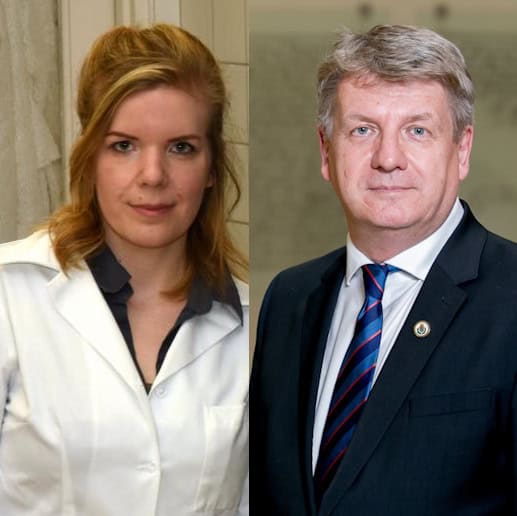
Spending time in space has a big impact on the human body and can cause a range of health issues. Many astronauts develop vision problems because microgravity causes body fluids to redistribute towards the head. This can lead to swelling in the eye and compression of the optic nerve. While eye conditions can generally be treated with medication, delivering drugs in space is not a straightforward task. Eye drops simply don’t work without gravity, for example. To address this problem, researchers in Hungary are developing a tiny dissolvable eye insert that could deliver medication directly to the eye. The size of a grain of rice, the insert has now been tested by an astronaut on the International Space Station. This episode of the Physics World Weekly podcast features two of those researchers – Diána Balogh-Weiser of Budapest University of Technology and Economics and Zoltán Nagy of Semmelweis University – who talk about their work with Physics World’s Tami Freeman.
From quantum curiosity to quantum computers: the 2025 Nobel Prize for Physics
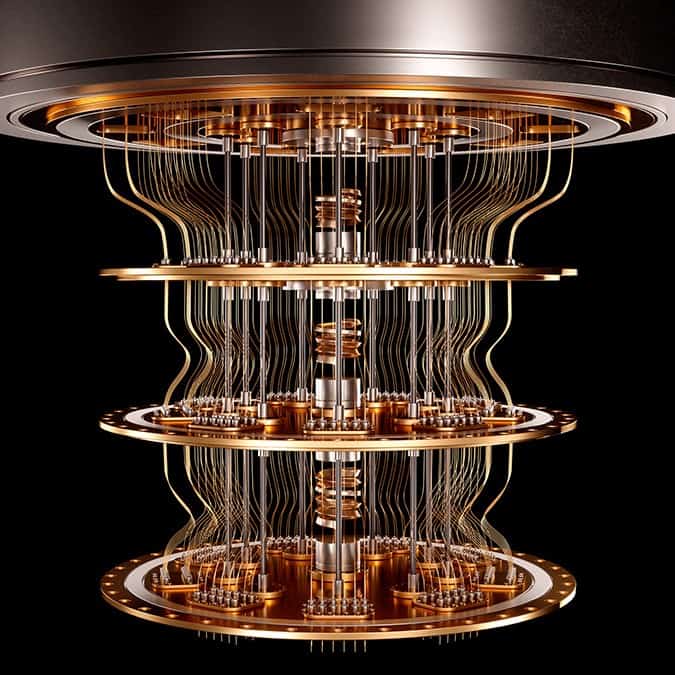
This year’s Nobel Prize for Physics went to John Clarke, Michel Devoret and John Martinis “for the discovery of macroscopic quantum mechanical tunnelling and energy quantization in an electric circuit”. That circuit was a superconducting device called a Josephson junction and their work in the 1980s led to the development of some of today’s most promising technologies for quantum computers. To chat about this year’s laureates, and the wide-reaching scientific and technological consequences of their work I am joined by Ilana Wisby – who is a quantum physicist, deep tech entrepreneur and former CEO of UK-based Oxford Quantum Circuits. We chat about the trio’s breakthrough and its influence on today’s quantum science and technology. This podcast is supported by American Elements, the world’s leading manufacturer of engineered and advanced materials. The company’s ability to scale laboratory breakthroughs to industrial production has contributed to many of the most significant technological advancements since 1990 – including LED lighting, smartphones, and electric vehicles.
The curious history of Nobel prizes: from lighthouses to gravitational waves
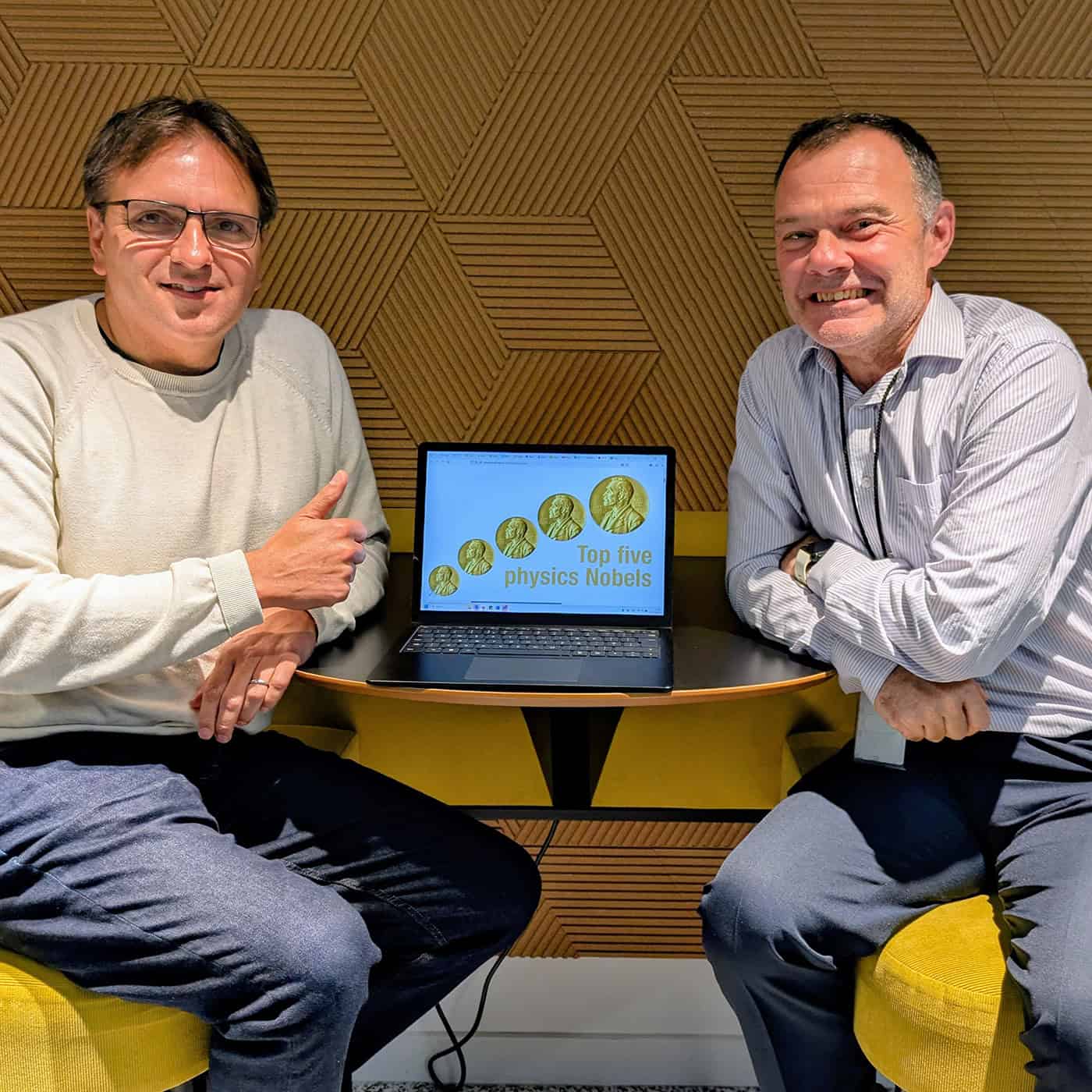
Next week, the winners of the 2025 Nobel Prize for Physics will be revealed. In the run-up to the announcement I’m joined in this podcast by my colleague Matin Durrani, who has surveyed the last quarter century of Nobel prizes and picked his top five physics prizes of the 21st century – so far. We also look back to two early Nobel prizes, which were given for very puzzling reasons. One was awarded in 1908 to Gabriel Lippmann for an impractical colour-photography technique that was quickly forgotten; and the other in 1912 to Gustaf Dalén for the development of several technologies used in lighthouses. Our predictions It’s a mug’s game, we know, but we couldn’t resist including a few predictions of who could win this year’s physics Nobel. Perhaps a prize for quantum algorithms could be announced on Tuesday, so stay tuned. And finally, we round off this episode with a fun Nobel quiz. Do you know how old Lawrence Bragg was when he became the youngest person to win the physics prize? Articles mentioned in this podcast: “Nobel prizes you’ve never heard of: how a Swedish inventor was honoured for a technology that nearly killed him” “Nobel prizes you’ve never heard of: how an obscure version of colour photography beat quantum theory to the most prestigious prize in physics” “Inside the Nobels: Lars Brink reveals how the world’s top physics prize is awarded” This podcast is supported by American Elements, the world’s leading manufacturer of engineered and advanced materials. The company’s ability to scale laboratory breakthroughs to industrial production has contributed to many of the most significant technological advancements since 1990 – including LED lighting, smartphones, and electric vehicles.
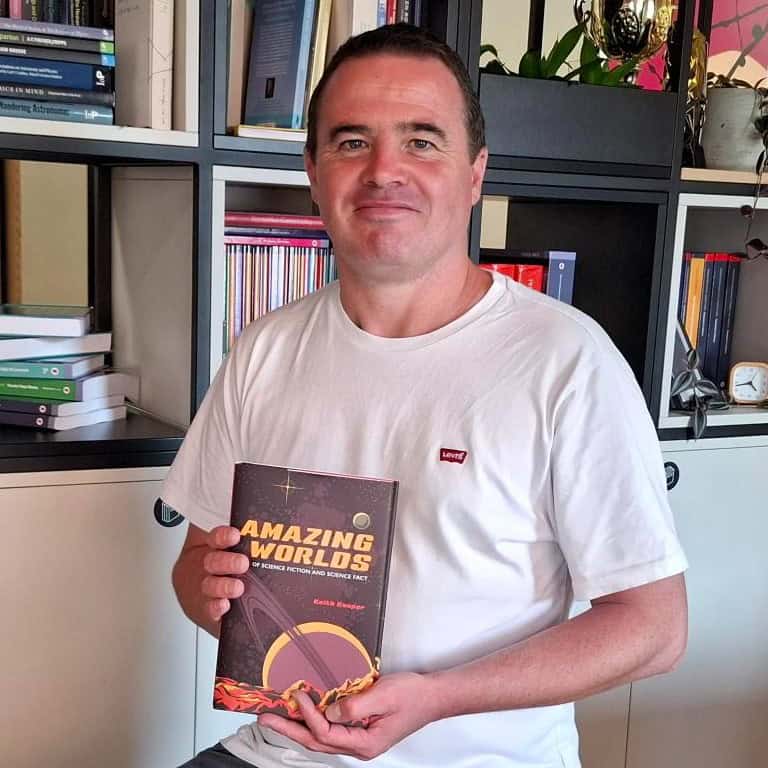
Imagining alien worlds: we explore the science and fiction of exoplanets
In the past three decades astronomers have discovered more than 6000 exoplanets – planets that orbit stars other than the Sun. Many of these exoplanets are very unlike the eight planets of the solar system, making it clear that the cosmos contains a rich and varied array of alien worlds. Weird and wonderful planets are also firmly entrenched in the world of science fiction, and the interplay between imagined and real planets is explored in the new book Amazing Worlds of Science Fiction and Science Fact. Its author Keith Cooper is my guest in this episode of the Physics World Weekly podcast and our conversation ranges from the amazing science of “hot Jupiter” exoplanets to how the plot of a popular Star Trek episode could inform our understanding of how life could exist on distant exoplanets. Keith Cooper has written a three-part feature article about the nature of dark matter for Physics World. The first instalment is “Cosmic combat: delving into the battle between dark matter and modified gravity“

Peer review in the age of artificial intelligence
It is Peer Review Week and the theme for 2025 is “Rethinking Peer Review in the AI Era”. This is not surprising given the rapid rise in the use and capabilities of artificial intelligence. However, views on AI are deeply polarized for reasons that span its legality, efficacy and even its morality. A recent survey done by IOP Publishing – the scientific publisher that brings you Physics World – reveals that physicists who do peer review are polarized regarding whether AI should be used in the process. IOPP’s Laura Feetham-Walker is lead author of AI and Peer Review 2025, which describes the survey and analyses its results. She joins me in this episode of the Physics World Weekly podcast in a conversation that explores reviewers’ perceptions of AI and their views of how it should, or shouldn’t, be used in peer review.