
Know Your Enemy
287 episodes — Page 2 of 6
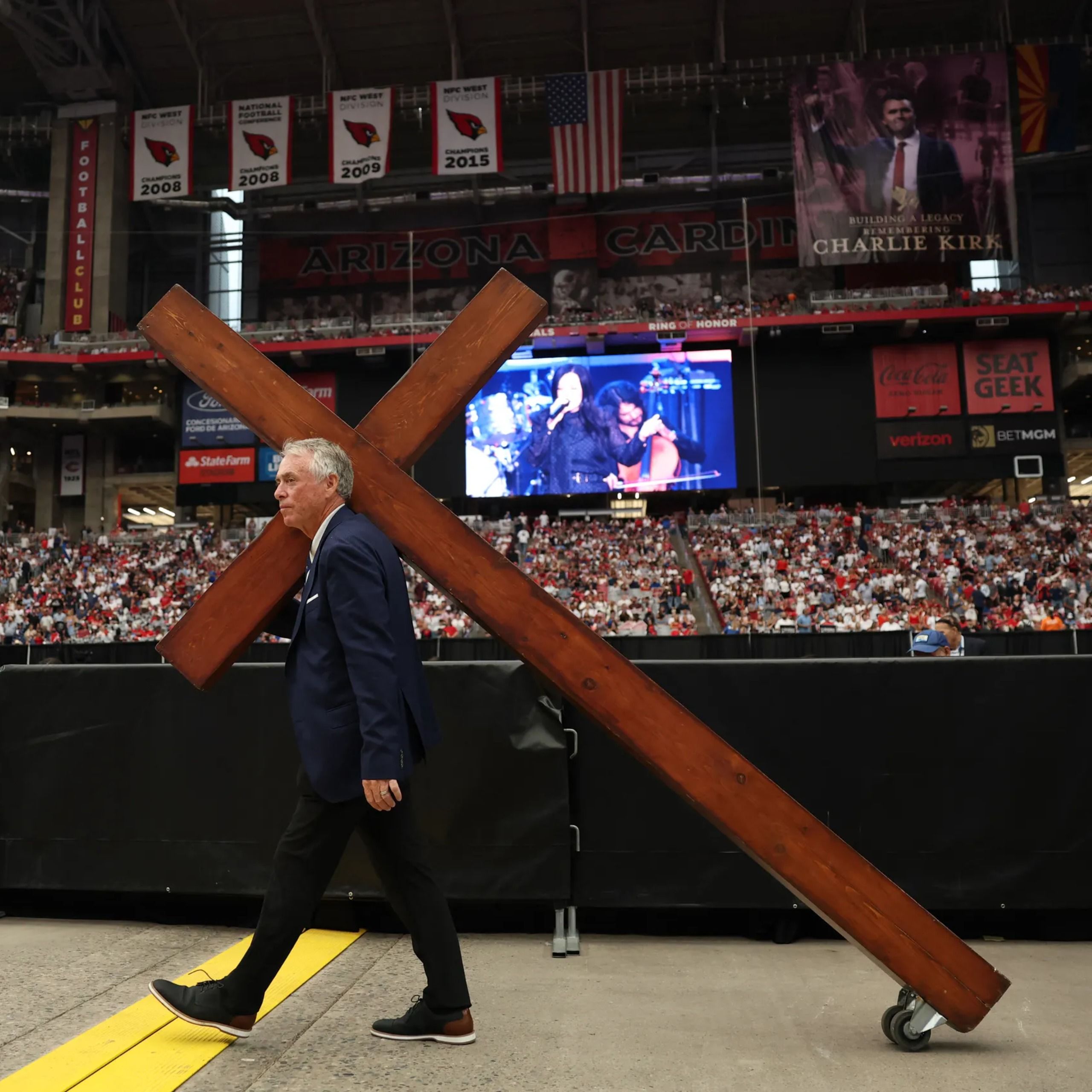
Ep 121Death, Power, and the Charlie Kirk Memorial (w/ Pat Blanchfield)
ETo try to understand both the power and strangeness of the Charlie Kirk memorial—one part evangelical worship service, one part MAGA rally—we turned, of course, to our friend Pat Blanchfield. All three of us stewed in the event's footage, which runs to over four and a half hours, then convened to discuss it. After laying out for listeners what happened at State Farm Stadium in Arizona just over a week ago, replete with clips, we tried to understand how the event aimed to turn death and grief into power by unpacking its imagery, symbols, references, and, of course, how it might play "out there" among Americans not already plugged into the menagerie of seen subcultures on stage. Sources:Charlie Kirk Memorial at State Farm Stadium, Sept 21, 2025 (Fox News on YouTube)— Transcript of President Donald Trump's speech at Kirk Memorial— The story behind the hymn, "It is Well with My Soul" (link)Jack Jenkins, "At Charlie Kirk's memorial, religion, politics and antagonism toward liberals combine," Religion News Service, Sept 22, 2025Amber Phillips, "3 takeaways from the Charlie Kirk memorial," Wash Post, Sept 22, 2025Elizabeth Castelli, Martyrdom and Memory: Early Christian Culture Making, (2004)Gabriel Winant, "On Mourning and Statehood: A Response to Joshua Leifer," Dissent, Oct 13, 2023...and don't forget to subscribe on Patreon for access to all of our bonus episodes!
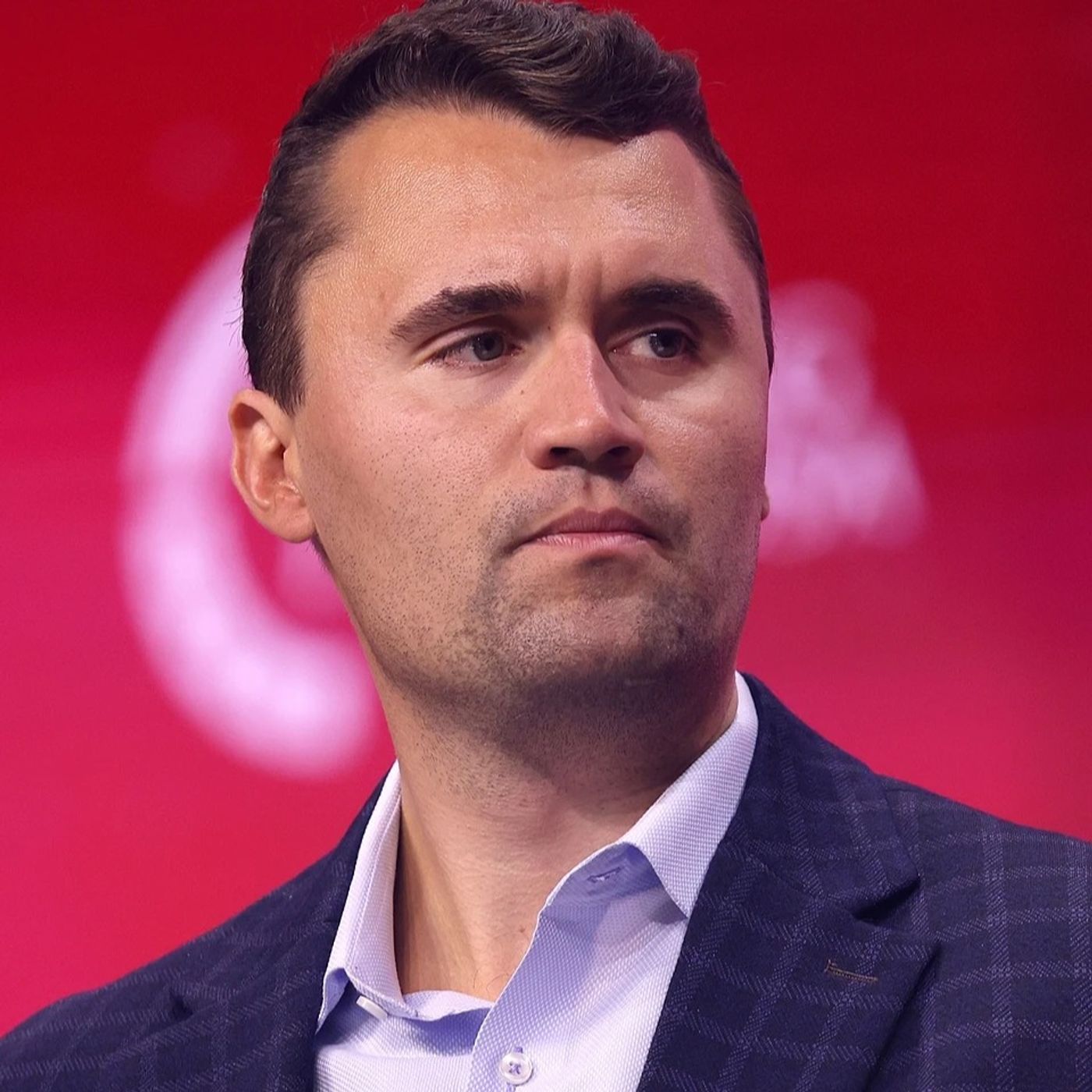
The Assassination of Charlie Kirk [Teaser]
bonusEListen to the rest of this premium episode by subscribing at patreon.com/knowyourenemy.The assassination of Turning Points USA founder Charlie Kirk on September 10, 2025, seemed to change the landscape of American politics in an instant, inspiring a startlingly unanimous battlecry of vengeance from the conservative movement, the GOP, and the Trump White House. In this episode, Matt and Sam respond to this ominous moment, analyzing Kirk’s legacy, the politics of martyrdom, and the dangers that lurk ahead. Two notes: (1) This episode was recorded on Tuesday 9/16, before some of the administration's specific repressive efforts — e.g. the FCC intimidating ABC into suspending late night host Jimmy Kimmel — had taken place. (2) Matt's sound quality is diminished toward the end of episode because of a technical problem with his mic.
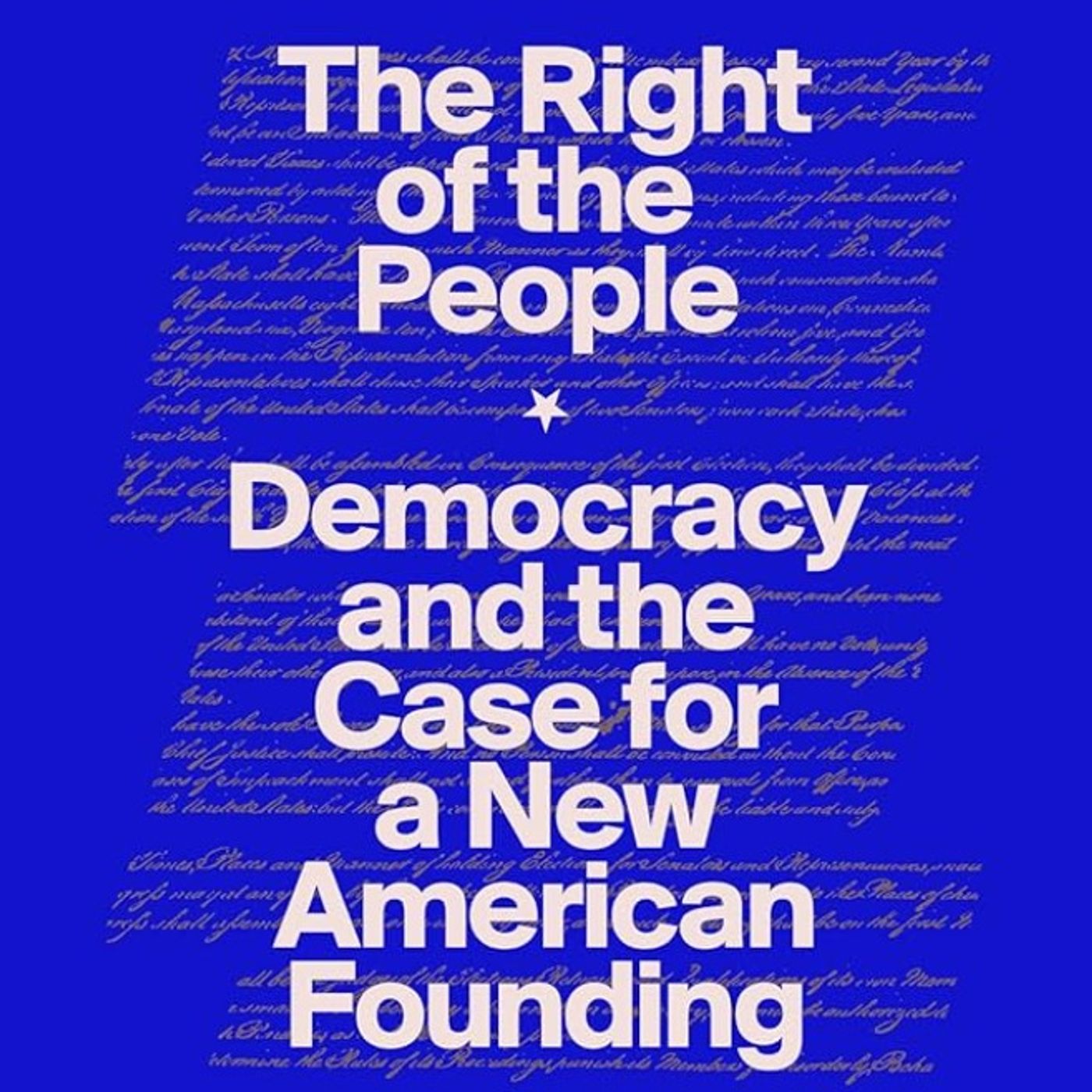
Ep 120The Case for Democracy (w/ Osita Nwanevu)
ESince the start of the Trump Era over a decade ago, few words have been deployed as often as "democracy": how it's become imperiled, who threatens it, and what to do to defend it. In The Right of the People: Democracy and the Case for a New American Founding, Osita Nwanevu sets out to understand the true meaning of democracy and defend it from its critics, not just on the right but those liberals who doubt the capacity of ordinary voters to determine their country's fate in a complex world. From there, he levels a critique of the Constitution for its myriad democratic deficits, then details what refounding the United States to be genuinely democratic—politically and economically—would require of us.Listen again: "The Wolfe in the White Suit" (w/ Osita Nwanevu), July 5, 2024Sources:Osita Nwanevu, The Right of the People: Democracy and the Case for a New American Founding (2025)— "Conservatism’s Baton Twirler," New York Review of Books, Sept 25, 2025. Sheldon Wolin, Fugitive Democracy: And Other Essays (2016)Michael J. Klarman, The Framers' Coup: The Making of the United States Constitution (2016)Marilynne Robinson, The Death of Adam: Essays on Modern Thought (1998)Walter Lippman, Public Opinion (1922)Publius, Federalist 49 (February 1788)Matthew Sitman, "Will Be Wild," Dissent, April 18, 2023...and don't forget to subscribe on Patreon for access to all of our bonus episodes!
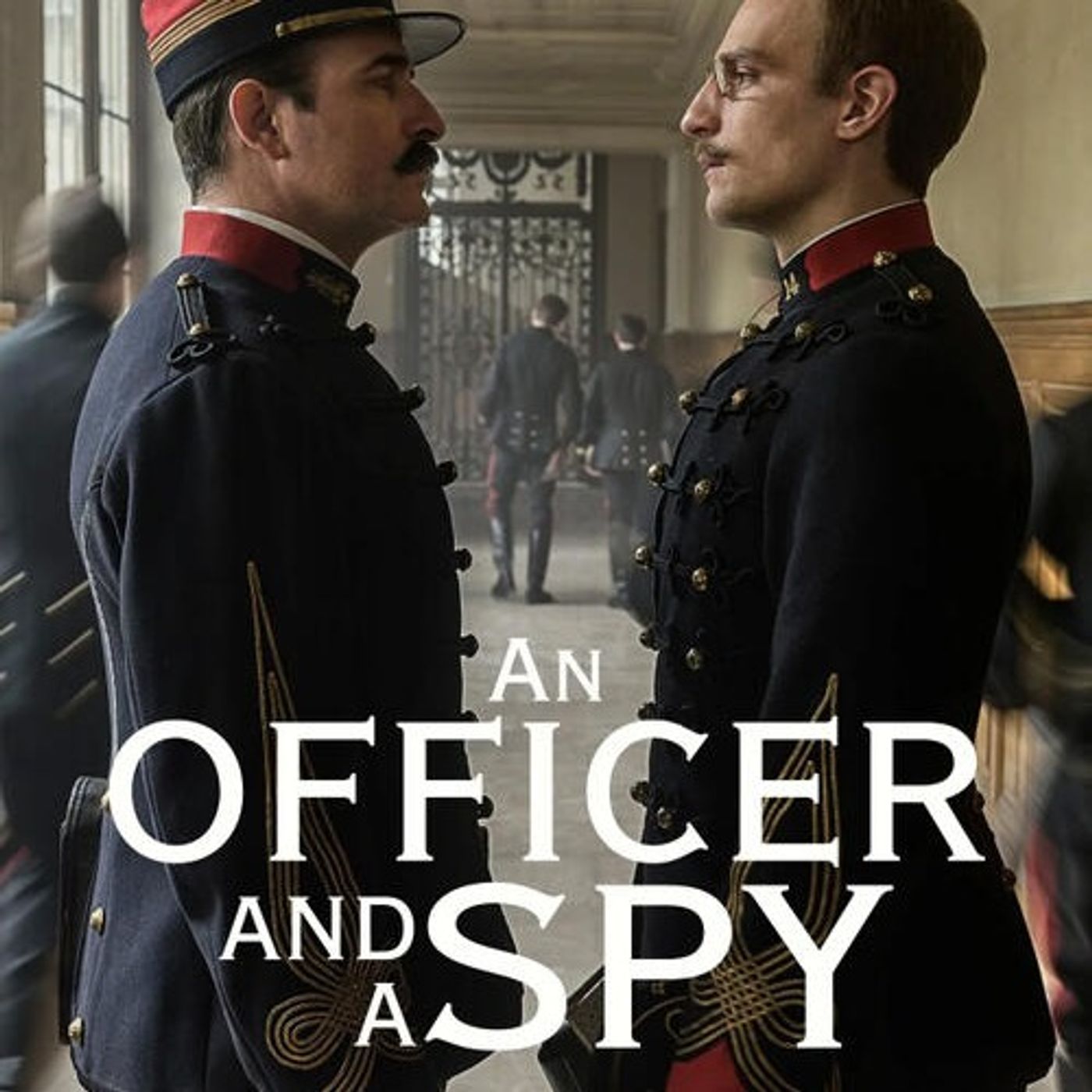
An Officer and a Spy (w/ John Ganz) [Teaser]
bonusEListen to the rest of this premium episode by subscribing at patreon.com/knowyourenemy.Roman Polanski's 2019 film about the Dreyfus affair, An Officer and a Spy, only recently made it's U.S. "premier," running for a few weeks in August at Film Forum in New York City. When it originally was released, it couldn't find an American distributor (and likewise was shunned by streaming services), a consequence of the MeToo moment meeting Polanski's criminal past—in 1978 he fled to Europe after being indicted for the rape of a 13 year-old girl in the United States. Polanski's past is particularly relevant for his film about the falsely accused Jewish officer in the French military, to whom, in publicity materials circulated when An Officer and a Spy came out in Europe in 2019, the director explicitly compared himself.Of course, we couldn't possibly have had on any other guest than John Ganz to help us understand the politics of the Dreyfus affair, both in 1895 and 2025, and what to make of Polanski's cinematic rendering of it. Topics include: Polanski's life and crimes; Hannah Arendt's treatment of the Dreyfus affair in The Origins of Totalitarianism; anti-semitism in 19th and early 20th century France; the way Polanski largely ignores the political convulsions caused by the Dreyfus affair, instead handling it more as a crime procedural, and why he might have done so; and more.Sources:John Ganz, "Reading, Watching," Unpopular Front, Aug 10, 2025— "Gramscians vs Sorelians," Unpopular Front, Jan 23, 2021— "The Third Republic and Today," Unpopular Front, Jan 27, 2021— "The Century of Rubbish," Unpopular Front, Feb 2, 2021— "From Republic to Reaction," Unpopular Front, Feb 4, 2021David Bell, "An Officer and a Spy," H-France, March 2021Hannah Arendt, The Origins of Totalitarianism (1951)
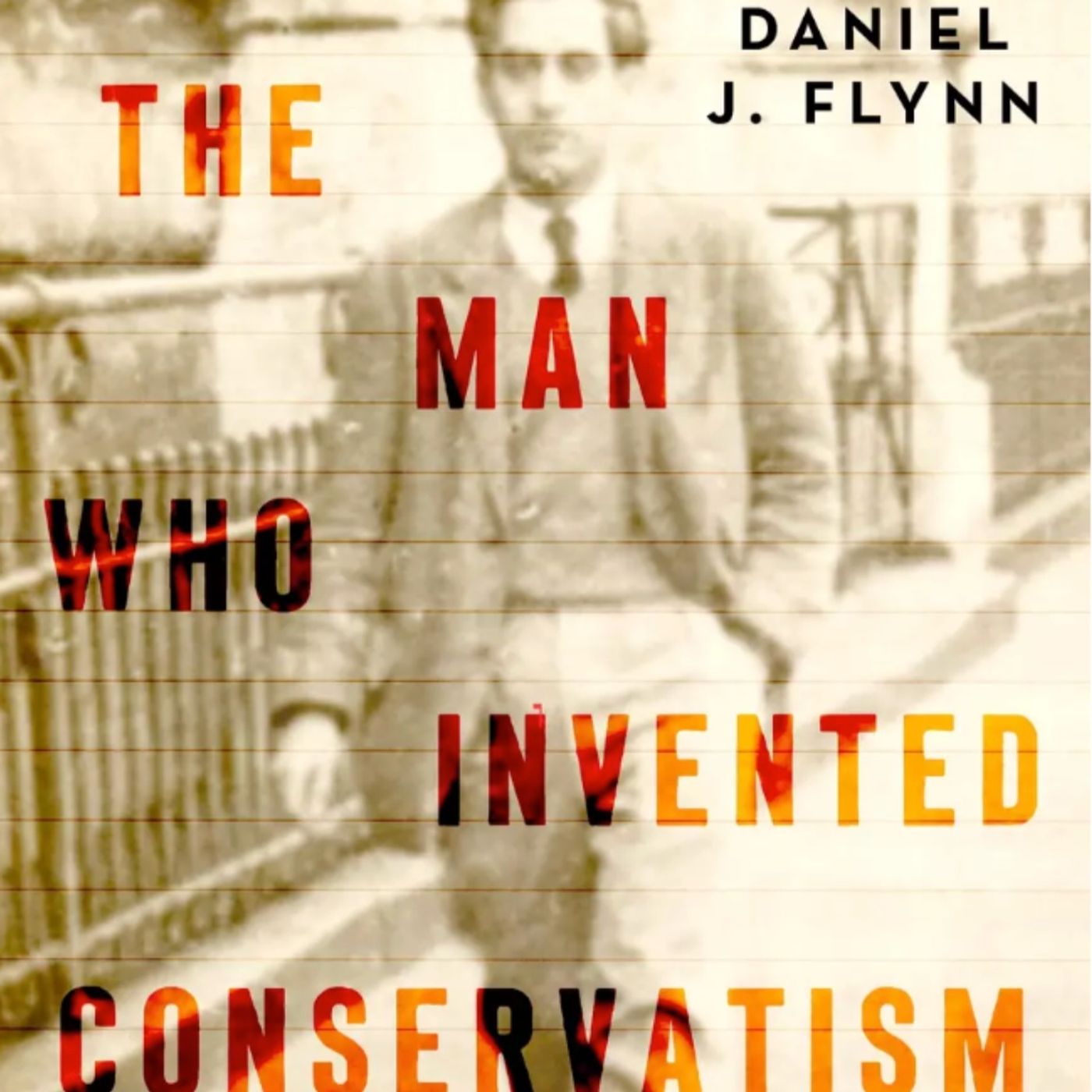
Ep 119Frank Meyer, Inventor of Conservatism (w/ Daniel J. Flynn)
EDevoted Know Your Enemy listeners will recall that, in November 2021, we released a fairly dense, theory-driven episode on Frank Meyer, the Communist from New Jersey whose exploits on behalf of the Party in the UK got him kicked out of the country and back to the United States, where he eventually turned right and became a key figure in the post-war U.S. conservative movement, both as an editor at National Review and an architect of institutions like the American Conservative Union, Young Americans for Freedom, and the Conservative Party of New York. Of course, we had more to say about Meyer, and we're devoting another episode to him, this time focused on the details of his incredible life, thanks to the publication of an extraordinary new biography of Meyer, Daniel J. Flynn's The Man Who Invented Conservatism: The Unlikely Life of Frank S. Meyer. Flynn discovered a trove of never-before-seen papers of Meyer's that range from personal documents (tax returns, Christmas cards from Joan Didion, his dance card from college) to his correspondence with nearly every conservative writer and intellectual of note in the 1950s and 60s. Armed with these files, Flynn offers a vivid portrait of a brilliant, eccentric political life and mind.Listen again: "Frank Meyer: Father of Fusionism" (November 10, 2021)Sources:Daniel J. Flynn, The Man Who Invented Conservatism: The Unlikely Life of Frank S. Meyer (2025)Frank S. Meyer, In Defense of Freedom: A Conservative Credo (Regnery, 1962)F.A. Hayek, "Why I am Not a Conservative," from The Constitution of Liberty: The Definitive Edition (2011)George H. Nash, The Conservative Intellectual Movement in America Since 1945 (Basic Books, 1976)Garry Wills, Confessions of a Conservative (Doubleday, 1979)"Against the Dead Consensus," First Things, March 21, 2019...and don't forget to subscribe on Patreon for access to all of our bonus episodes!
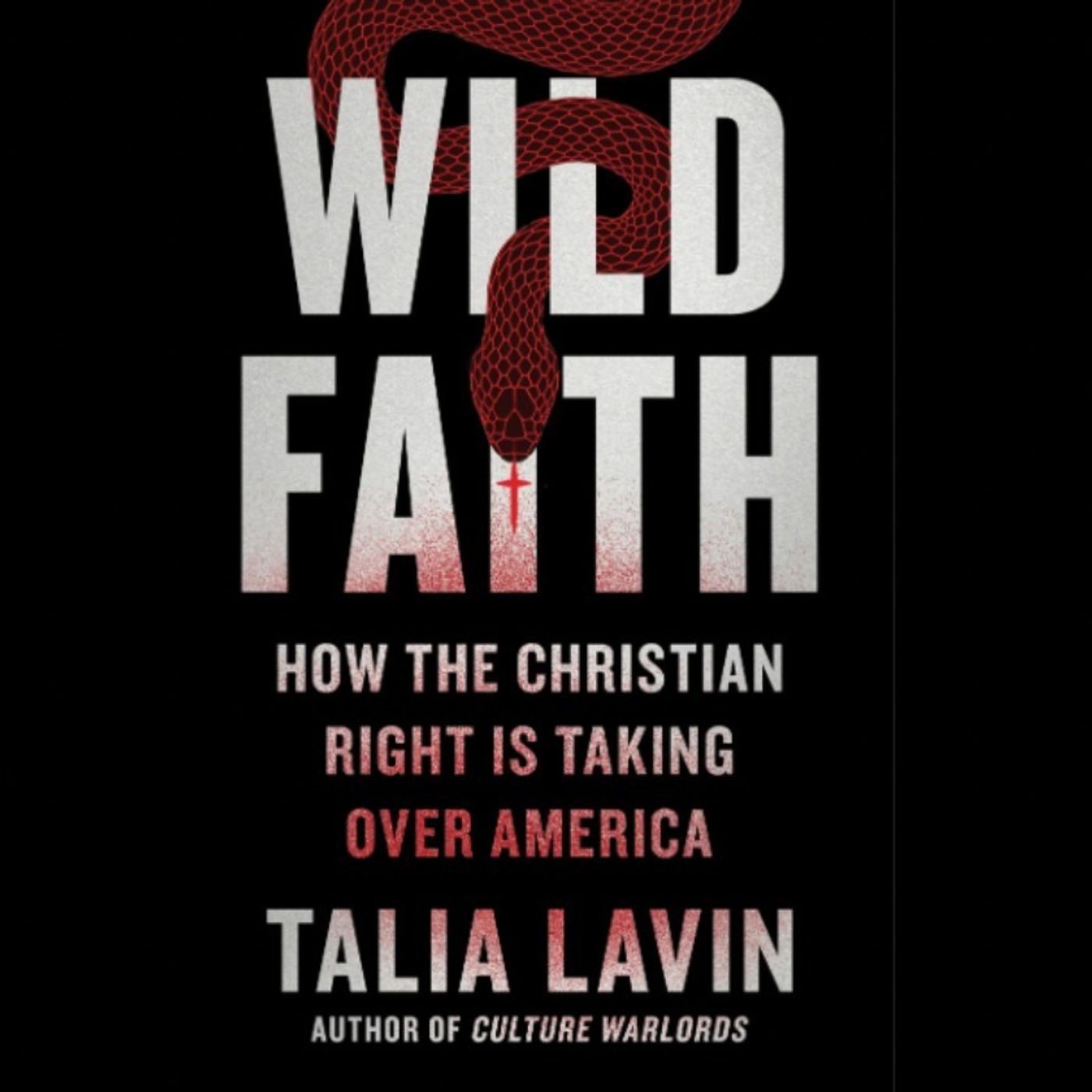
The Christian Right's "Wild Faith" (w/ Talia Lavin) [Unlocked]
bonusEThis episode was first published in October 2024, and has been un-paywalled following the death this week, on August 21, of Focus on the Family founder and influential figure on the religious right, James Dobson, at age 89. Subscribe to Know Your Enemy on Patreon to hear more episodes just for subscribers.In this episode, Matt is joined by journalist Talia Lavin to discuss her book, Wild Faith: How the Christian Right is Taking Over America, one of the most fascinating and unique books published on the Christian right during the Trump-era. Lavin takes her subjects seriously, but not uncritically, and especially focuses on the wrecked and ruined lives left in the wake of conservative evangelicalism's more conspiratorial and authoritarian elements, from the Satanic Panic to James Dobson's parenting manual on how to discipline a "strong-willed child" into compliance. Along the way, they talk about the triumph of QAnon, End Times theology, the importance of the New Apostolic Reformation, and more—all with an eye toward how these religious views and practices help explain conservative evangelicals' overwhelming support for Donald Trump.Sources:Talia Lavin, Wild Faith: How the Christian Right Is Taking Over America (2024)— Culture Warlords: My Journey Into the Dark Web of White Supremacy (2020)— "The Sword and the Sandwich" (Talia's newsletter)Listen again:"The Prayers and Prophecies of Pat Robertson," Know Your Enemy, July 17, 2023
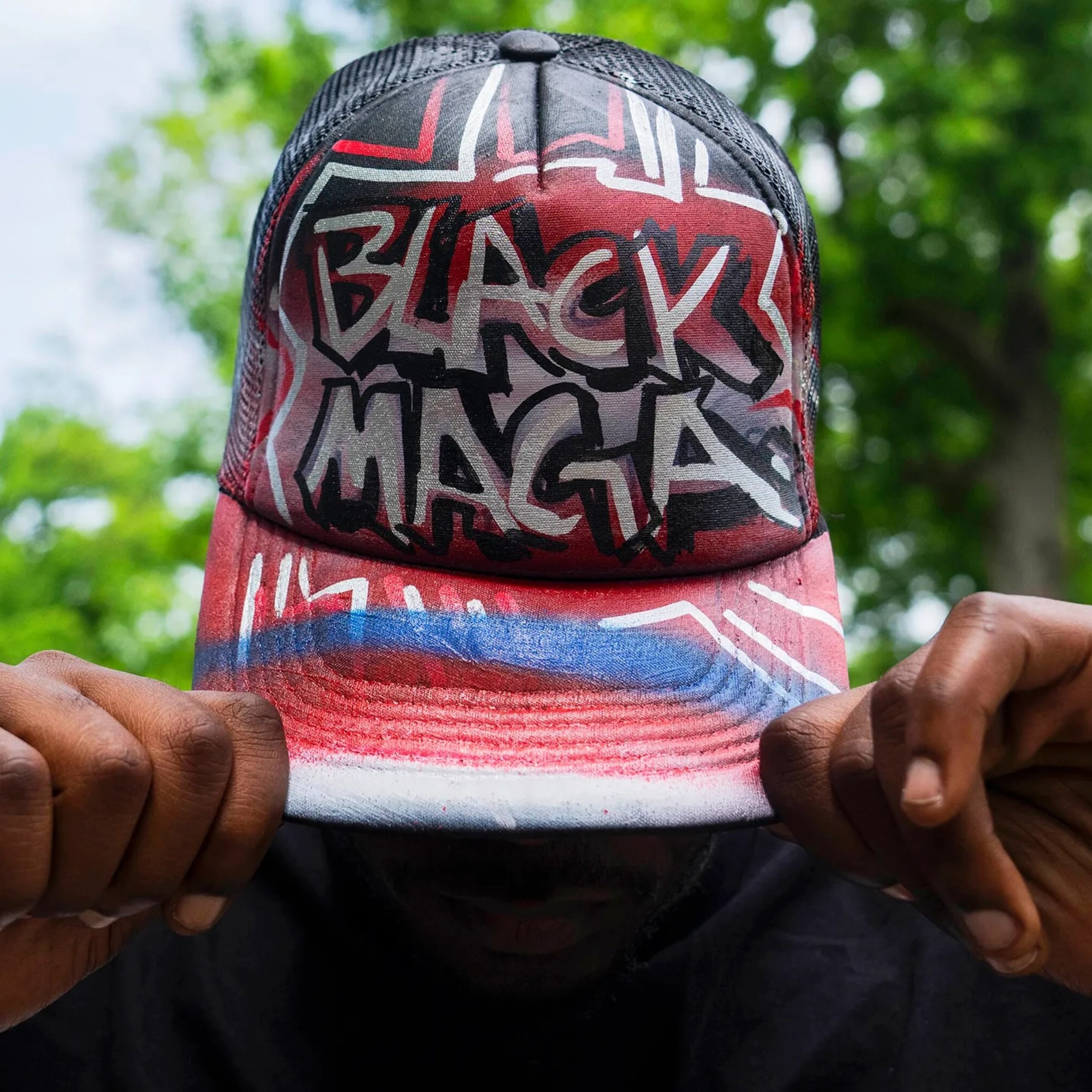
Ep 118The Minority Voters Moving Right (w/ Daniel Martinez HoSang)
EA major topic following Donald Trump's victory in the 2024 presidential election has been his gains with racial and ethnic minorities, a trend that's scrambled many people's assumptions about American politics, not least those of anti-racist liberals. Why have minority voters drifted toward Trump, despite his many comments and campaign pledges that demonize or disparage them? To try to understand this phenomenon, we talked to Daniel Martinez HoSang, who has studied the minorities entering the GOP coalition, not only but especially in the MAGA era, including extraordinarily rich interview with people of color on the right attending Turning Point USA conference, CPAC, Trump rallies, following right wing influencers, and more. Sources:Daniel Martinez HoSang, "Inside the Rise of the Multiracial Right," New York Times, July 24, 2025Daniel Martinez HoSang, Wider Type of Freedom: How Struggles for Racial Justice Liberate Everyone, (2023)Stuart Hall, Selected Writings on Race and Difference, (2021)Joseph E. Lowndes & Daniel Martinez HoSang, Producers, Parasites, Patriots: Race and the New Right-Wing Politics of Precarity (2019)Joseph E. Lowndes, From the New Deal to the New Right: Race and the Southern Origins of Modern Conservatism (2008)...and don't forget to subscribe to Know Your Enemy on Patreon to listen to all of our bonus episodes!
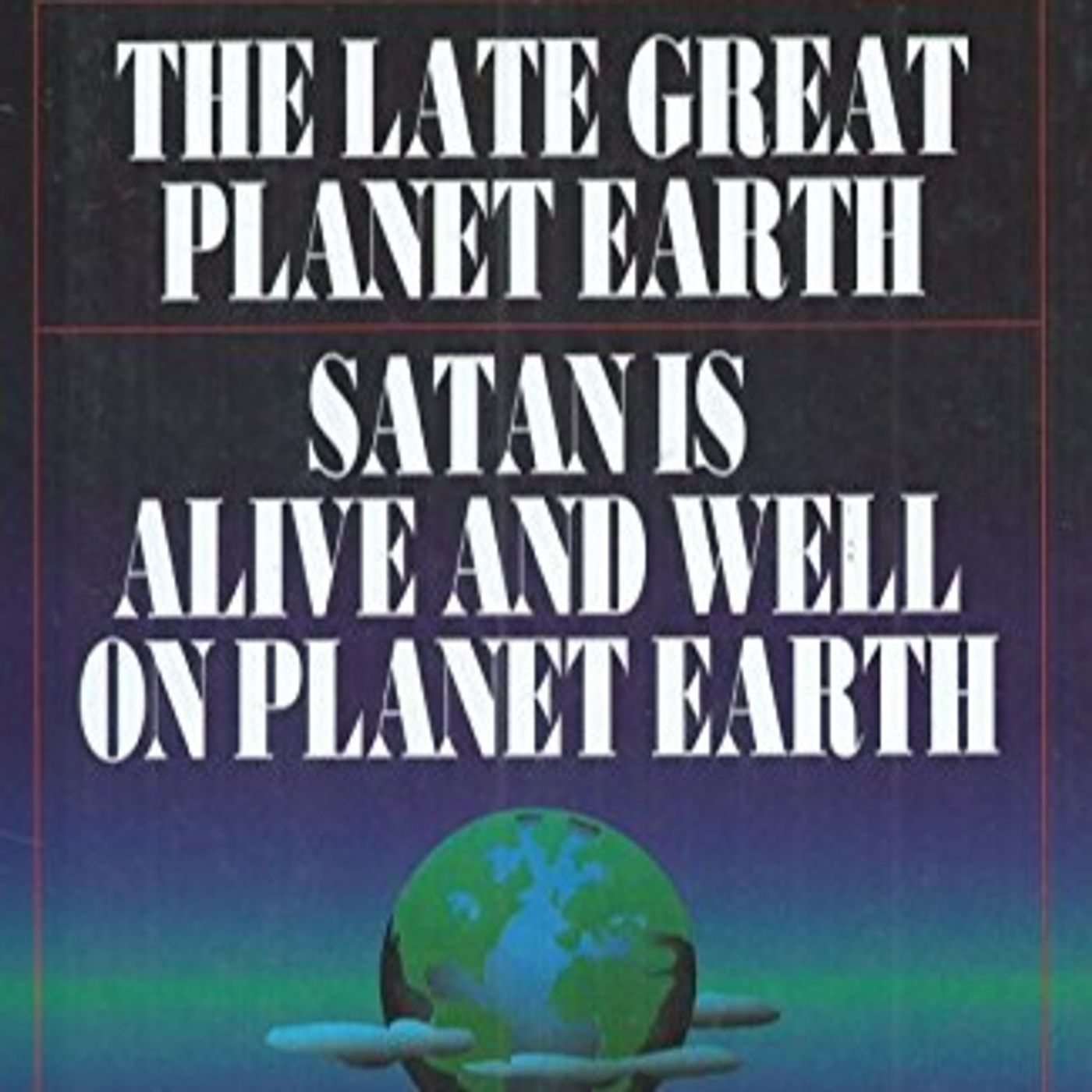
From Armageddon to Zionism — More Listener Questions [Teaser]
bonusEListen to the rest of this premium episode by subscribing at patreon.com/knowyourenemy.Our mailbag runneth over! Unsurprisingly, we received so many excellent questions from subscribers for our most recent episode that we decided to answer even more of them. Once again religion seemed to be on the minds of listeners, and we take up charismatic Christians and the evolution of both the religious right and the Republican Party, as well as the role of Christian Zionism in U.S. policy toward Israel. But that's not all: other topics include leftist theory bros; Roy Cohn, Donald Trump, Jeffrey Epstein, and the politics of sexual blackmail; Gore Vidal at 100, and more.Sources:Hal Lindsey, The Late Great Planet Earth (1970)Daniel G. Hummel, The Rise and Fall of Dispensationalism: How the Evangelical Battle over the End Times Shaped a Nation (2023)Wilson Carey McWilliams, "The Bible in the American Political Tradition," in Redeeming Democracy in America, ed. Patrick Deneen & Susan McWilliams (2011)The Correspondence of Walter Benjamin and Gershom Scholem, 1932–1940, ed. Gershom Scholem (1992)Cedric Robinson, Black Marxism: The Making of the Black Radical Tradition, (1938)Phil Christman, Why Christians Should Be Leftists (2025)Sam Tanenhaus, Buckley: The Life and the Revolution That Changed America (2025)Nicholas von Hoffman, Citizen Cohn: The Life and Times of Roy Cohn (1988)Christopher M. Elias, Gossip Men: J. Edgar Hoover, Joe McCarthy, Roy Cohn, and the Politics of Insinuation (2021)Gore Vidal, United States: Essays 1952-1992 (1993)

Ep 117Has Trump 2.0 Been a Success So Far? — And Other Questions
EIt's been nearly a year since we asked our subscribers to send us questions for a mailbag episode—which they did, with remarkable thoughtfulness and intelligence, for our 100th episode back in September 2024. A lot has happened since then (to say the least), so we wanted to once again open up the mailbag and find out what was on the minds of Know Your Enemy listeners, who sent too many excellent questions for just one episode—so, if you like what you hear, consider subscribing on Patreon to listen our next bonus episode when we'll answer even more of them.In this round of listener questions, we take up how much Trump has kept his campaign promises, our favorite bourbons, the politics of Judaism, St. Augustine and original sin, novelists (gay and straight), and more!Sources and further reading:Christopher Isherwood, The Berlin Stories (1945)— A Single Man (1964)Don Bachardy, Last Drawings of Christopher Isherwood (1990)Edmund White, City Boy: My Life in New York During the 1960s and '70s (2009)— A Boy's Own Story (1982)— The Beautiful Room is Empty (1988)— The Farewell Symphony (1997)— The Married Man (2000)Walker Percy, Love in the Ruins (1971)— Lost in the Cosmos: The Last Self-Help Book (1983)Henri du Lubac, Catholicism: Christ and the Common Destiny of Man (1962)Thomas Merton, New Seeds of Contemplation (1949)— Conjectures of a Guilty Bystander (1968)Sam Adler-Bell, "The Father of All Secrets," The Baffler, Dec 2022. — "The Essential John le Carré," NYTimes, Jul 12, 2023.Henry Roth, Call It Sleep, (1930)Javier Marías, A Heart So White, (1995)Helen DeWitt, The Last Samurai, (2000)Percival Everett, Erasure, (2001)...and don't forget to subscribe to Know Your Enemy on Patreon to listen to all of our bonus episodes!
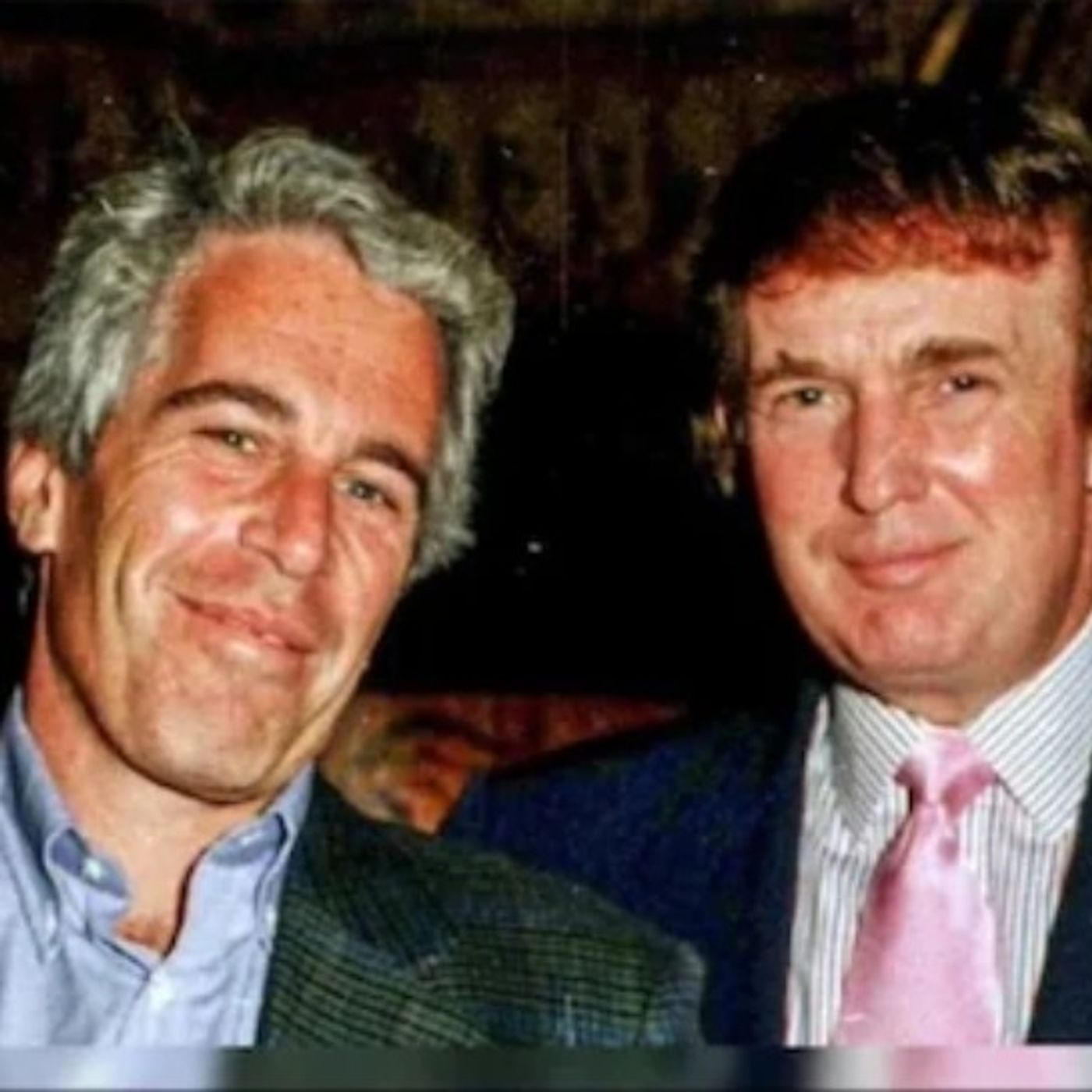
Trump's Epstein Problem [Teaser]
bonusEListen to the rest of this premium episode by subscribing at patreon.com/knowyourenemy.Over July 4th weekend, the Department of Justice and FBI put out a memo essentially declaring "case closed" on the matter of Jeffrey Epstein, the well-connected sex criminal and pedophile who died (apparently) by suicide in federal custody in 2019. No more files. No more questions. He killed himself and that's that. This was quite the reversal from an administration stacked with figures — like FBI director Kash Patel and his deputy Dan Bongino — who built their celebrity in MAGA circles by ginning up the Epstein conspiracy and demanding his case files be released. In February, Attorney General Pam Bondi had said the the Epstein client list was "sitting on her desk for review." Now the White House says no such list exists. And Trump wants everyone to stop talking about it.As all this unfolded, a number of listeners wanted the KYE take on the Epstein story—so here it is. We recount some of the most salient details of the case for the uninitiated, then offer our takes on what we think really is going on, and, perhaps more importantly, assess how this might affect Trump's second term: how serious the breach between Trump and the MAGA movement is, the possible consequences of administration officials spinning stories about Hillary's emails (still!) instead of doing their actual jobs, the ongoing attacks on the basic functions of the federal government, Trump's spectacular, open corruption, and, as we all pay attention to the crisis of the day, what sending tens of billions in new funding to ICE will mean for our country.Sources:Emily Davies, Perry Stein, Jeremy Roebuck and Kadia Goba, "Trump fumes as Epstein scandal dominates headlines, overshadows agenda," Washington Post, Jul 27, 2025.Khadeeja Safdar & Joe Palazzolo, "Jeffrey Epstein’s Friends Sent Him Bawdy Letters for a 50th Birthday Album. One Was From Donald Trump," Wall St. Journal, July 17, 2025Sadie Gurman, Annie Linskey, et al, "Justice Department Told Trump in May That His Name Is Among Many in the Epstein Files," Wall St. Journal, July 23, 2025Jacob Weindling, "FBI Deputy Director Takes Mental Health Day Over Trump’s Epstein Betrayal," Splinter, July 11, 2025Lauren-Brooke Eisen, "Budget Bill Massively Increases Funding for Immigration Detention," Brennan Center, July 3, 2025Julie Turkewitz, "Convicted Murderer Released by Trump From Venezuelan Prison Is Free in U.S." New York Times, July 24, 2025.Glenn Thrush & Julian E. Barnes, "Gabbard’s Attacks on Obama Put the Attorney General in a Tough Spot," New York Times, July 24, 2025Miriam Waldvogel, "Rogan Hits Patel Over Epstein Claims: 'Doesn’t Make Any Sense,'" The Hill, July 25, 2025
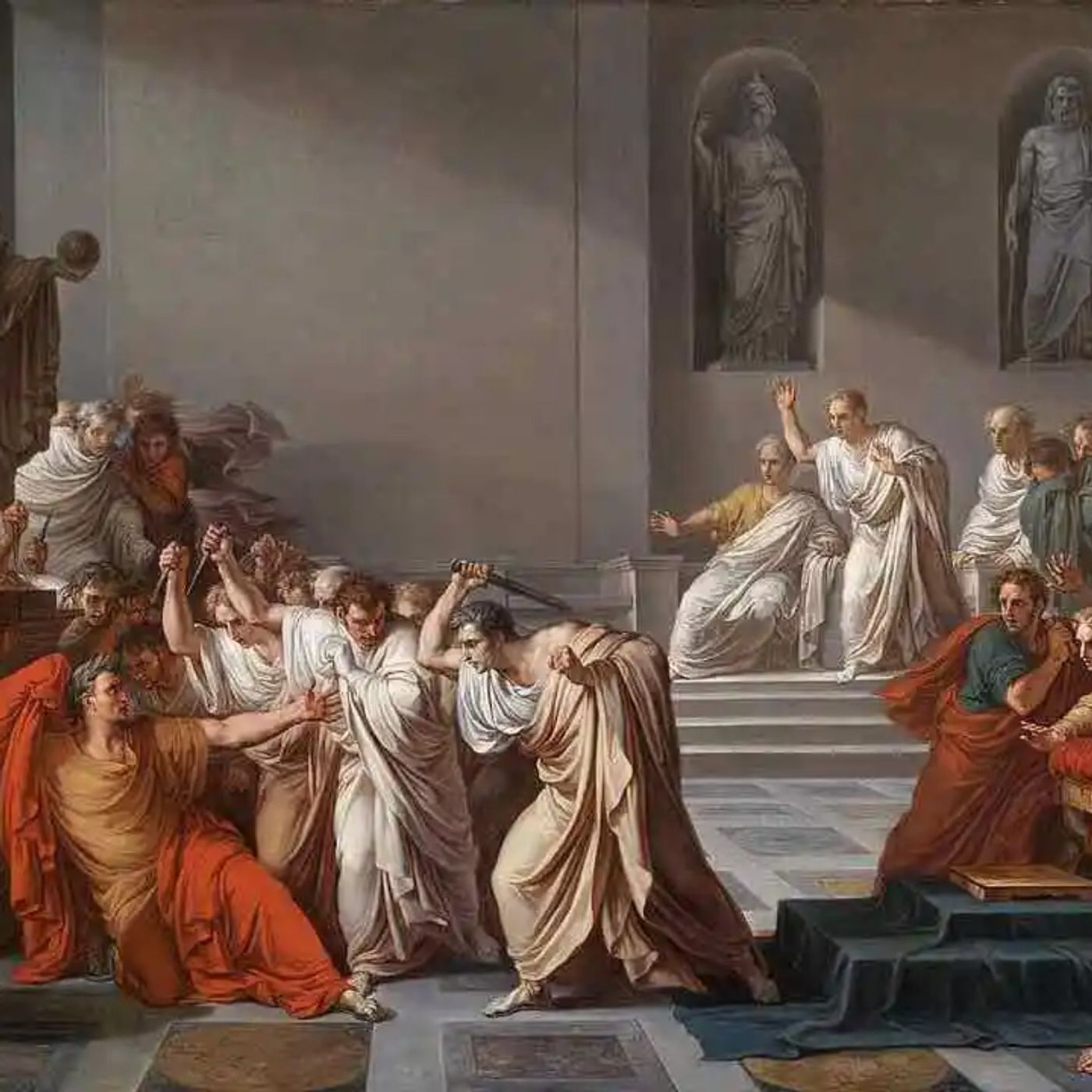
How Republics End (w/ Mike Duncan) [Unlocked]
bonusEThis episode from January 2025 has been un-paywalled for your summer enjoyment...A stock rhetorical trope on the right is to invoke ancient Rome when talking about American decline—often making direct comparisons between the Goth invaders and contemporary immigrants, obsessing over homosexuality and Rome's fall, and more. If their understanding of history isn't very serious, what should we make of these appeals? And are there any "lessons" we should learn from Roman history?There's no better time to take up such matters than while Matt is in Rome, and there was no one better for him to talk with about them than Mike Duncan, the prolific and brilliant history podcaster; he currently hosts the Revolutions podcast and, especially relevant for the purposes of this conversation, hosted the History of Rome podcast from 2007-2012, a project that led him to write The Storm Before the Storm: The Beginning of the End of the Roman Republic (2017). Matt and Mike discuss the use and abuse of history, how "norms" do and do not matter, the relationship between imperialist foreign policy and domestic politics, the perils of vast income inequality, then and now, and more.Sources:For quotes from conservatives about Roman decline: Reagan, Nixon, Buchanan, Vance (and Pete Navarro & Michael Anton)Mike Duncan, The Storm Before the Storm(2017)— Hero of Two Worlds: The Marquis de Lafayette in the Age of Revolution (2021)
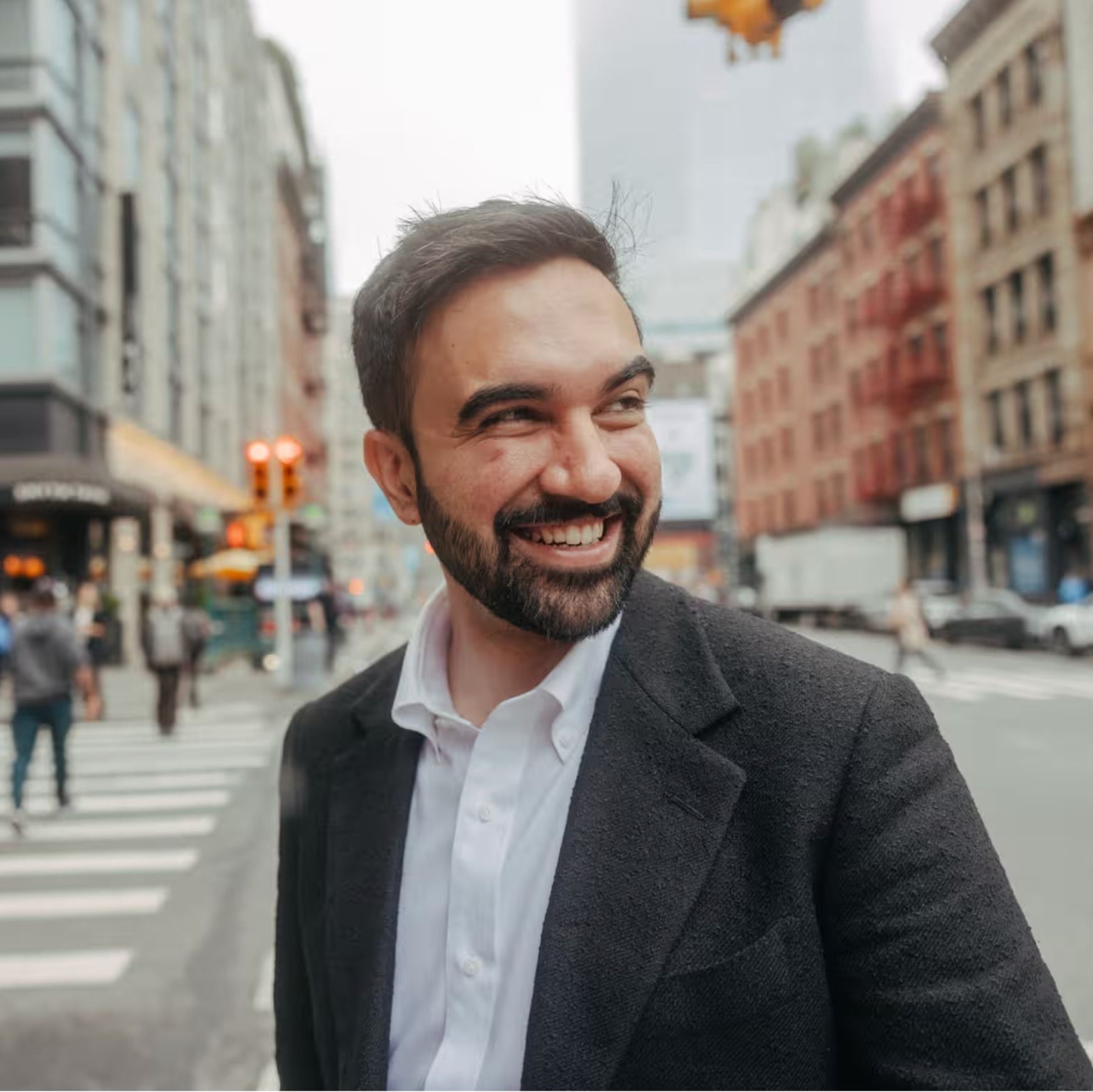
Zohran! (w/ Waleed Shahid) [Teaser]
bonusEListen to the rest of this premium episode by subscribing at patreon.com/knowyourenemy.We don't do too many New York City-focused episodes on Know Your Enemy, but Zohran Mamdani's decisive win in the Democratic mayoral primary last month certainly warrants this one. The thirty-three year old democratic socialist, state assemblyman, and Muslim of Indian descent born in Uganda, ended up running away with it, defeating the runner-up, former governor and sex pest Andrew Cuomo, by over ten points—and, when all the ballots finally were counted, set a record by receiving the most votes of any candidate for mayor in a Democratic primary in the city's history.Our format in this episode is a little different. In the first half, your podcast co-hosts lay out the basics of Zohran's victory, from Zohran's biography to the final tallies to our impressions of the candidate and his message. In the second half, we're joined by veteran progressive campaign strategist Waleed Shahid to get more of an insider's take on Zohran's achievement: the campaign's stunningly effective turnout operation, which brought out young voters in droves; how he withstood the disgusting way he was attacked as an anti-semite for his protesting Israel's genocide in Gaza; the substance of his pitch to New Yorkers, and it's contrast with Cuomo's uninspiring, mostly negative campaign; the deranged Islamophobic attacks on Zohran since he became the Democratic nominee, and not only from the right; the role of current NYC comptroller and a progressive, Jewish candidate in the race, Brad Lander, who cross-endorsed Zohran, refused to punch left, and joyfully campaigned with Zohran in the final weeks leading up to the election; and more!Sources:Waleed Shahid, "How Broadcast Media Covered Zohran Mamdani's Win," Waleed's Substack, July 3, 2025Matthew Miles Goodrich, "It's...the Politics of No Translation," Something Different, July 2, 2025Sam Adler-Bell, "Can DSA Go the Distance?" Dissent, Fall 2022John Cassidy, "The Case for Zohranomics," The New Yorker, June 30, 2025David Wallace, "10 Ways of Making Sense of Zohran Mamdani’s Win," New York Times, July 2, 2025.Nicholas Fandos, Benjamin Oreskes, Emma G. Fitzsimmons, & Jeffery C. Mays, "How Zohran Mamdani Stunned New York and Won the Primary for Mayor," New York Times, July 1, 2025

Ep 116A Complicated Man: William F. Buckley, Jr. (w/ Sam Tanenhaus)
EThis episode is one that Matt and Sam have been anticipating for years: after two-and-a-half decades of research and writing, Sam Tanehaus's authoritative biography of William F. Buckley, Jr.—youthful booster of America First, enfant terrible at Yale, CIA agent, founder of National Review, best-selling author, brilliant television host, and more—has blessedly arrived. Buckley: The Life and the Revolution That Changed America stretches to just under 900 pages of text, before you get to the endnotes and index, an appropriately epic biography of an overstuffed, consequential life, containing far more than could be covered in a single episode. This conversation focuses on the challenges of writing a biography of a man whose archives rivaled those found in presidential libraries; Tanenhaus's discovery of a newspaper the Buckley's owned in South Carolina that essentially was a mouthpiece for the White Citizens' Council, and the Southern roots of Buckley's "northern segregationist" politics; the influence of his oilman father, who fled the revolution in Mexico and instilled anti-communist politics, as well as the Catholic faith, in his children; Buckley's role in forging the post-war conservative movement, through National Review and his frenetic endeavors as a columnist and speaker; the controversies, disappointments, failures, and triumphs of his decades-long career; and more. Sources:Sam Tanenhaus, Buckley: The Life and the Revolution That Changed America (2025)— Whittaker Chambers: A Biography (1997)John Judis, William F. Buckley, Jr.: Patron Saint of the Conservatives (1988)Sam Adler-Bell, "A Practical Fanatic," The Idea Letters, June 26, 2025Alexander Chee, "Mr. and Mrs. B.," Longreads, June 18, 2025Christopher Owen, Heaven Can Indeed Fall: The Life of Willmoore Kendall, (2022)Listen again to these Know Your Enemy episodes for background on:Brent Bozell: "Keeping up with the Bozells," Feb 26, 2021Willmoore Kendall: "The Long Farewell to Majority Rule? (w/ Joshua Tait)," May 17, 2021Frank Meyer: "Frank Meyer, the Father of Fusionism," Nov 10, 2021Joan Didion: "Joan Didion, Conservative (w/ Sam Tanenhaus)," Jan 13, 2022William F. Buckley, Jr.: "Buckley for Mayor (w/ Sam Tanenhaus)," Aug 23, 2021— "The Conservative and the Convict (w/ Sarah Weinman)," May 9, 2022— "Consider the Cranks (w/ David Austin Walsh)," May 21, 2024...and don't forget to subscribe to Know Your Enemy on Patreon for access to all of our bonus episodes!
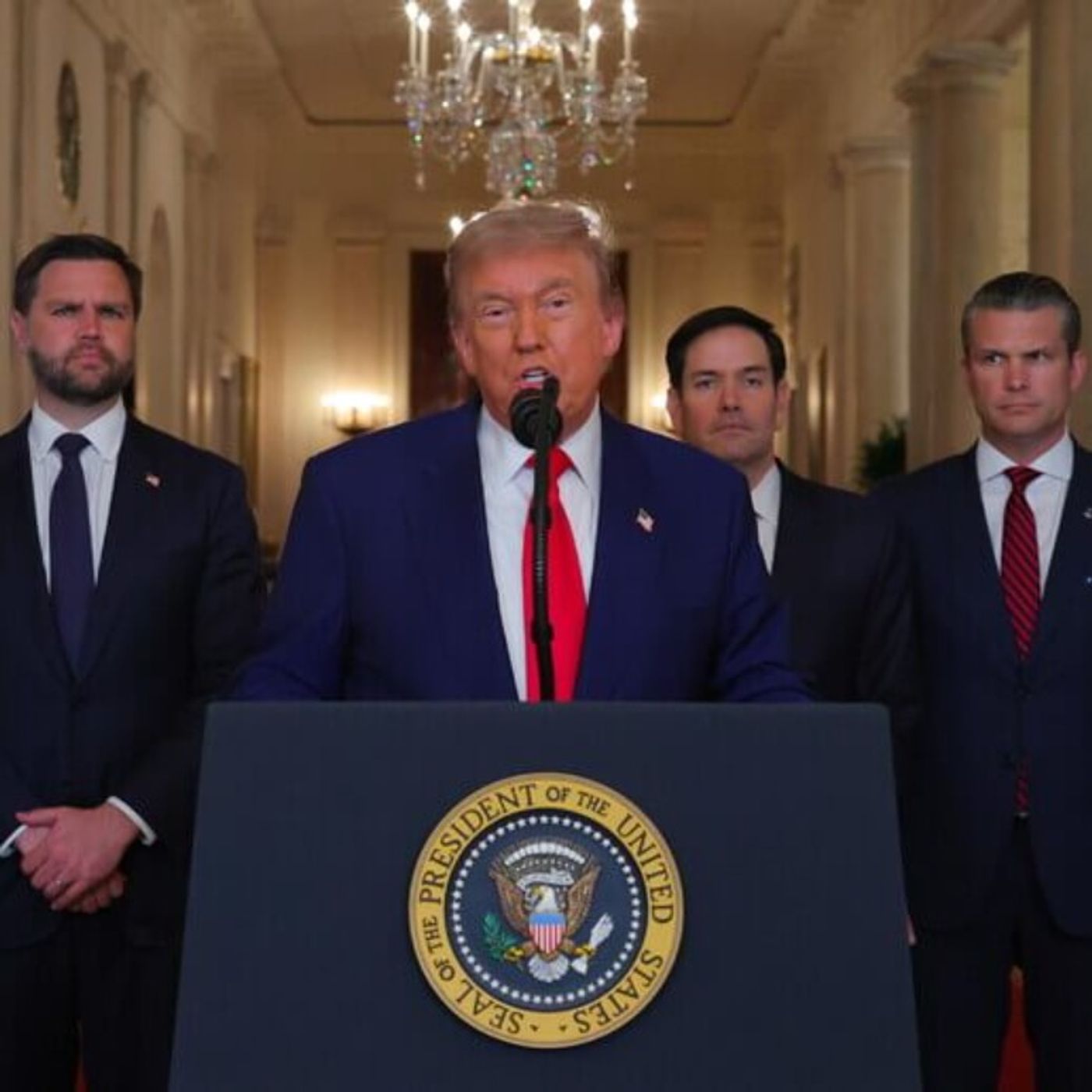
MAGA's War Over the War with Iran (w/ Curt Mills) [Teaser]
bonusEListen to the rest of this premium episode by subscribing at patreon.com/knowyourenemy.Donald Trump's rise in U.S. politics over the past decade has been inextricable from his "America First" foreign policy and withering criticisms of the Iraq War, nation building, and both the neoconservatism that led the Republican Party to disaster during George W. Bush's presidency and the Washington establishment that still thought America could police the world. Trump's message of a restrained foreign policy and pledge to avoid getting dragged into forever wars especially seemed to resonate as he ran to take back the presidency in 2024—there was no end in sight to the war between Ukraine and Russia, and Israel was committing genocide in Gaza as Bibi Netanyahu walked all over an exhausted, only occasionally lucid Biden.But less than half a year into President Trump's second term and the failure negotiations with Iran, Israel bombed that country's nuclear facilities and assassinated their negotiators and nuclear scientists—and just over a week later, so did Trump when he ordered the dropping of massive "bunker buster" bombs to try to destroy the nuclear facilities Israel could not.In this episode, we once again talk to executive editor of The American Conservative, Curt Mills, a leading voice of the restraint and realism wing on the right, to try to understand the war within MAGA set off by the "Twelve Day War" with Iran. Why did Trump bomb Iran? Who was he listening to, or not, as he made that decision? How did the various factions within the MAGA movement respond, and what is the state of play currently in Trump World? What was Israel's role in all this? And how much longer will Trump tolerate Netanyahu's constant efforts to get the American military to fight in Israel's wars? We take up these questions, and more.Sources:Ian Ward, "The MAGA Split Over Israel," Politico, June 13, 2025Joe Gould, et al, "MAGA Largely Falls in Line on Trump’s Iran Strikes," Politico, June 21, 2025Katy Balls, "Trump is Taking Fire Over 'Forever Wars,' but MAGA’s Real Battle Awaits," The Times of London, June 22, 2025Jude Russo, "What Next?" The American Conservative, June 24, 2025Sohrab Ahmari, "Did Iran win the 12-day war?" Unherd, June 25, 2025
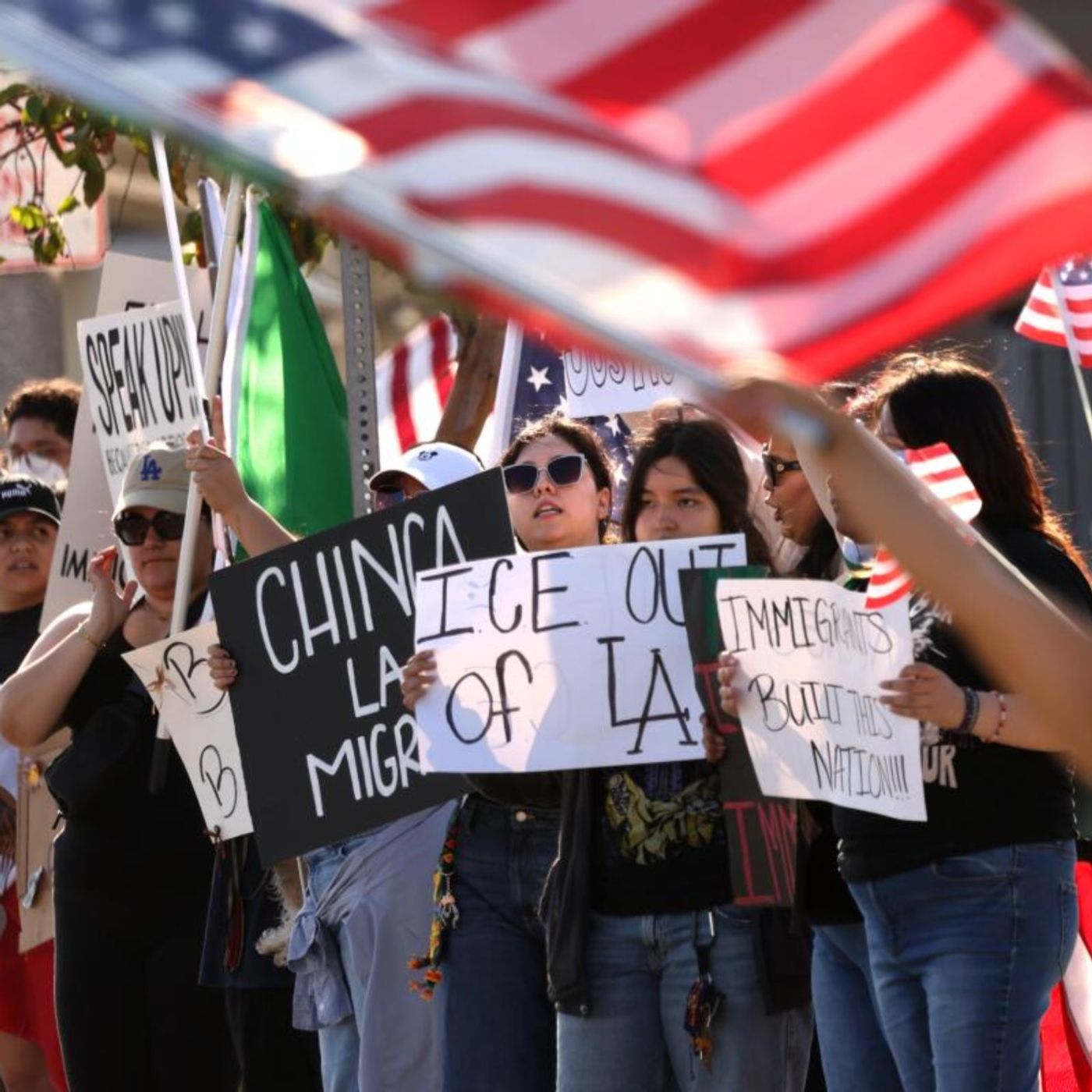
Immigration Showdown in LA (w/ E. Tammy Kim) [TEASER]
bonusEListen to the rest of this premium episode by subscribing at patreon.com/knowyourenemy.Journalist Tammy Kim joins the pod to talk about the anti-ICE protests in Los Angeles — and the raids that precipitated them.Further Reading:E Tammy Kim, "Immigration Protests Threaten to Boil Over in Los Angeles," The New Yorker, June 9, 2025.— "Inside the Activist Groups Resisting ICE," The New Yorker, Jun 13, 2025.

Reagan, the Movie (w/ Jesse Brenneman) [UNLOCKED]
bonusEAs the world falls apart — and we prep for our Buckley mega-episode with Sam Tanenhaus — we're unlocking this fun episode from late last year. Subscribe at Patreon.com/knowyourenemy to never miss an episode like this one. And please listen to Jesse's insane, hilarious, freakishly prescient (and fake) podcast Tech Talk. A palette cleanser for subscribers: we watched Reagan (2024), with our intrepid producer, Jesse Brenneman. Even better, the movie is based on the 2006 book, The Crusader: Ronald Reagan and the Fall of Communism, by Paul Kengor — who just happens to have been Matt's close mentor as an undergraduate student. Reagan clocks in at over two hours and twenty minutes, and it's a wild, even fantastical ride that offers a revealing glimpse into the conservative psyche and a faithful rendition of the most hagiographic version of the Reagan mythology, especially his personal responsibility for ending the Cold War and finally putting the Soviet Union on the ash heap of history.Sources:Reagan (2024)Paul Kengor, The Crusader: Ronald Reagan and the Fall of Communism(2006)— God and Ronald Reagan: A Spiritual Life(2004)— A Pope and a President: John Paul II, Ronald Reagan, and the Extraordinary Untold Story of the 20th Century(2017)Edmund Morris, Dutch: A Memoir of Ronald Reagan (1999)

Joe Biden's Betrayal [TEASER]
bonusEListen to the rest of this premium episode by subscribing at patreon.com/knowyourenemy.If you pay any attention at all to political news, it's been hard to avoid Jake Tapper and Alex Thompson's recent bombshell of a book, Original Sin: President Biden's Decline, Its Cover-up, and His Disastrous Choice to Run Again, which offers behind-the-scenes reporting from the White House, halls of Congress, the campaign trail, and beyond about Joe Biden's health, mental and physical, and the efforts to conceal just how bad it had gotten from his Cabinet, Congress, and, most damningly, the American people. Much of the coverage of the book has focused on a handful of sensational examples—Biden supposedly not recognizing George Clooney at a fundraiser, or forgetting the names of staffers who'd worked for him for decades—but that's unfortunate. What's most shocking is the book's cumulative force, the sheer number of details that make it undoubtedly clear Biden was not fit to run again in 2024, or, for that matter, be President. As you won't be surprised to learn, Matt eagerly read Original Sin, and he and Sam discuss what the take-aways from the book should really be, what it says about the state of the Democratic Party, what it reveals about the media, and more.Jake Tapper & Alex Thompson, Original Sin: President Biden's Decline, Its Cover-up, and His Disastrous Choice to Run Again (2025)Matthew Sitman, "The 'Weekend at Bernie's' Primary," Commonweal, Mar 3, 2020Sam Adler-Bell, "The Tragic Legacy of the Mourner-in-Chief," New York Magazine, Jan 14, 2025Edmund White, City Boy: My Life in New York During the 1960s & 70s (2009)— My Lives: A Memoir (2005)— A Boy's Own Story (1982)— The Beautiful Room is Empty (1988)— The Farewell Symphony (1997)— Nocturnes for the King of Naples (1978)
Ep 115Christopher Caldwell's Case Against Civil Rights
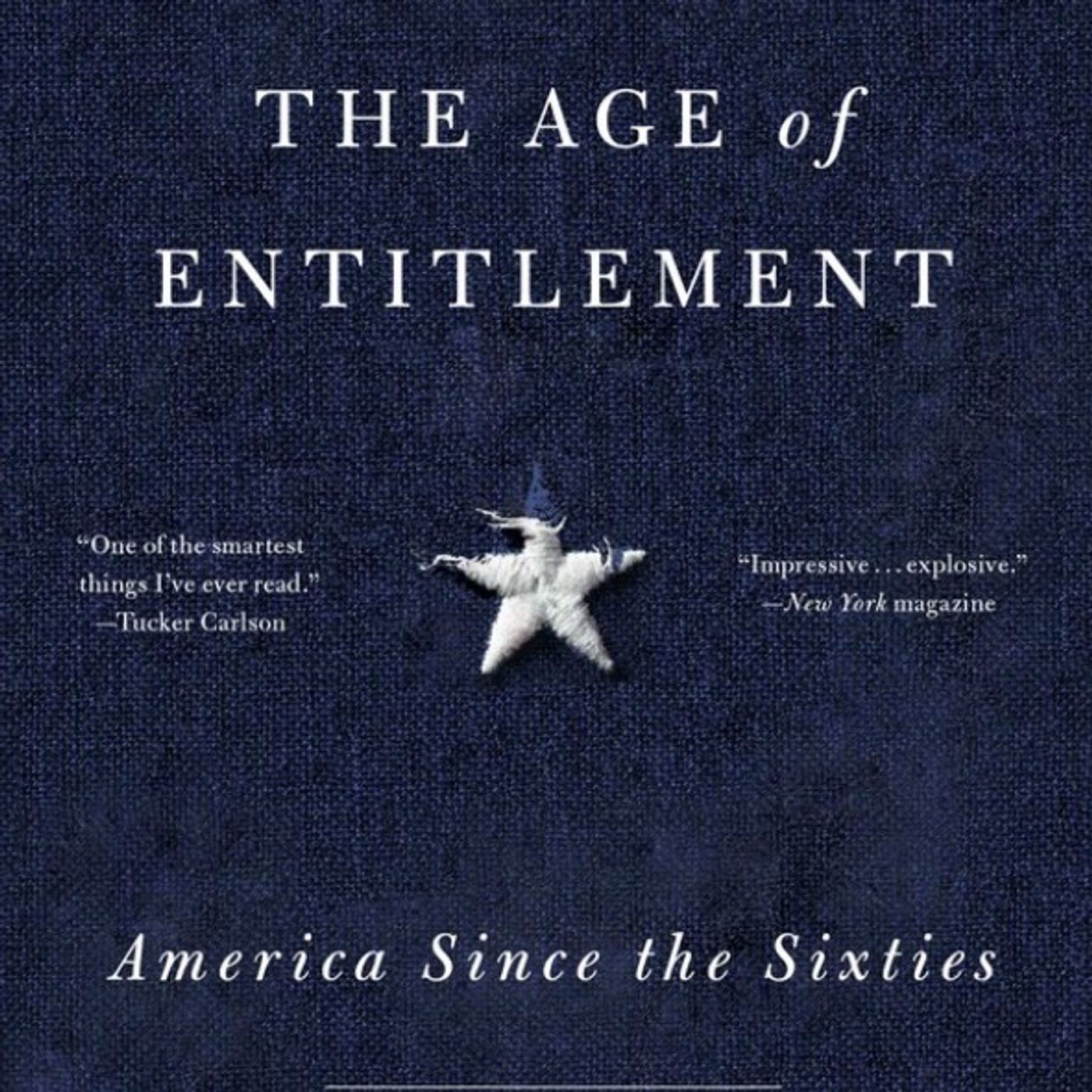
EAttentive listeners will notice that this episode is about a book but isn't an author interview. That's because it's the first in a new occasional series of episodes that will be dedicated to books by conservative writers that we think are important — whether because a book articulates the right's approach to an issue or problem in an especially revealing way, influenced or galvanized the conservative movement when it was published, or, with the benefit of hindsight, has proven to be prescient about where the right, and perhaps the country, were heading. Many of these books will be from decades past, but our first selection is more recent: Christopher Caldwell's 2020 broadside against the 1964 Civil Rights Act and what it wrought, The Age of Entitlement: America Since the Sixties. Caldwell argues that the apparatus created by civil rights legislation and the federal courts in the 1960s amounted to a new, second constitution that displaced the one Americans had lived under since the founding, one that jettisoned traditional liberties like freedom of association and replaced democratic self-government with rule by bureaucrats, lawyers, and judges. Who has access to these new levers of power? Not the working class whites who are neither a favored racial or ethnic minority — a person of color — nor a member of the progressive elites who preside over the new regime. Much of The Age of Entitlement is dedicated to tracing the effects of civil rights legislation when it comes to the causes that arose in its wake: feminism, immigrant rights, gay marriage, and more. But the book is equally a brutal examination of the legacy of the Baby Boom generation (and, by extension, Ronald Reagan, whose presidency they powered), that most "entitled" of generations, whom Caldwell deplores for wanting to have their cake and eat it, too. Boomers, in Caldwell's telling, refused to straightforwardly reject the second constitution and its distributional demands, while also insisting petulantly, again and again, on having their taxes cut. We explore these topics and more, and end with a discussion of where Caldwell leaves the reader — and where we're at now, in light of the challenge he poses to both conservatives and the left.Sources:Christopher Caldwell, The Age of Entitlement: America Since the Sixties (2020)— Reflections on the Revolution In Europe: Immigration, Islam and the West (2009)Helen Andrews, "The Law That Ate the Constitution," Claremont Review of Books, Winter 2020Timothy Crimmins, "America Since the Sixties: A History without Heroes," American Affairs, Summer 2020Perry Anderson, "Portents of Eurabia," The National, Aug 27, 2009. ...and don't forget to subscribe to Know Your Enemy on Patreon for access to all of our bonus episodes!

Trump as Messianic Prophet (w/ Manvir Singh) [TEASER]
bonusEListen to the rest of this premium episode by subscribing at patreon.com/knowyourenemy.In a recent New Yorker essay, our guest, UC Davis anthropologist Manvir Singh, argues, "The Trumpian mystique echoes a dynamic that has occurred for centuries and across cultures. Its core ingredients—an alleged league of pedophiles, a godlike miracle worker, promises of an Edenic restoration—resemble archetypes that have long occupied humanity’s imagination. Trump’s followers may communicate through memes and message boards, but their faith belongs to a much older mythology: the eternal face-off between shaman and witch, prophet and cabal."In this conversation, Manvir, the author of a new book on "Shamanism," compellingly demonstrates how the MAGA movement — especially in its QAnon-inflected guises — manifests archetypal features of the messianic cult, analogues for which can be found across cultures and historical epochs. On KYE, we haven't often indulged in this sort of critique, for (justifiable) fear of eliding the very specific political conditions that gave rise to Trumpism, but for today: we're going for it! And Manvir was an ideal (and suitably careful) guide to this methodology and way of thinking about our political conjecture.Further Reading:Manvir Singh, "The President Who Became a Prophet," The New Yorker, May 17, 2025.— "How Much Does Our Language Shape Our Thinking?" The New Yorker, Dec 23, 2025.— "Don’t Believe What They’re Telling You About Misinformation," The New Yorker, April 15, 2024.— Shamanism: The Timeless Religion, (May 2025)

Ep 114Did Podcasters Make Trump President? (w/ Andrew Marantz)
EAmong the many factors credited for Donald Trump's victory over Kamala Harris in the 2024 presidential race was one that, naturally, the hosts of Know Your Enemy took an interest in: podcasts. More specifically, "bro" podcasts—think Joe Rogan or Theo Von—seemed to be one reason why Trump continued, as he did in 2016 and 2020, to perform so well with male voters, especially gaining ground with younger, Black, and Latino men. An episode of one of these podcasts might stretch to three hours long or more, and typically features meandering, casual conversations that put a premium on apparent authenticity, as well as a knack for hanging with the boys. Trump and other Republican candidates and figures on the right (such as Elon Musk, a regular on Rogan's show) made appearing on these podcasts part of their campaign strategy, which allowed them to reach men who tend not to "follow politics" or even vote in every election. To try to understand what's happening with bros, podcasts, Trump, and beyond, there was no better guest than New Yorker staff writer Andrew Marantz, author of an early—and quite perceptive—piece on KYE and, more importantly for this conversation, a recent investigation into the world of bro podcasts and streamers, and what they might mean for both the left and the right at the start of Trump's second term.Sources:Andrew Marantz, "The Battle for the Bros," The New Yorker, Mar 17, 2025— "Is the U.S. Becoming and Autocracy," The New Yorker, April 28, 2025-- "Why We Can’t Stop Arguing About Whether Trump Is a Fascist," The New Yorker, March 27, 2024— "The Post-Dirtbag Left," The New Yorker, July 26, 2021 Jonathan Allen & Amie Parnes, "The inside story of Harris' lost gamble on Joe Rogan, Beyoncé and a late Texas rally," NBC News, Jan 29, 2025Jack Crosbie, "Hasan Piker: A Progressive Mind in a MAGA Body," New York Times, April 27, 2025...and don't forget to subscribe to Know Your Enemy on Patreon for access to all of our bonus episodes!

Conclave (2024) (w/ Brandon Taylor) [TEASER]
bonusEListen to the rest of this premium episode by subscribing at patreon.com/knowyourenemy.With the papal conclave convening in Rome to pick Pope Francis's successor, Matt and Sam are joined by novelist Brandon Taylor to discuss the 2024 film Conclave, directed by Edward Berger and starring Ralph Fiennes, Stanley Tucci, John Lithgow, and Isabella Rossellini. The film, as you might guess, depicts the shabby and conspiratorial inner-workings of a (fictional) College of Cardinals as they go about picking a new pope. Fun movie! Great chat!Furthering Reading:Brandon Taylor, Real Life, (2020)— Filthy Animals, (2021)— The Late Americans, (2023)— "Is it even good? Two Years with Zola," LRB, April 4, 2024.Ben Munster, "Cardinals are watching ‘Conclave’ the movie for guidance on the actual conclave," Politico, May 6, 2025.Dan Walden, "Gender, Sex, and other Nonsense," Commonweal, March 1, 2021.

The Life & Crimes of Roy Cohn (w/ In Bed with the Right)
bonusERecently Matt joined Moira Donegan and Adrian Daub of the excellent In Bed with the Right podcast to record what turned out to be two episodes about Roy Cohn—the "lawyer, closet case and ratfucker extraordinaire," as they describe him. These days Cohn is perhaps most infamous for being Donald Trump's lawyer and mentor, but this first episode focuses on Cohn's childhood and family life, his decisive role in the Rosenberg trial (especially their execution), and his time working with Sen. Joe McCarthy at the height of the Red Scare. After you listen, please head over to In Bed with the Right to check out the second episode on Cohn and hear the rest of his story.Sources:Nicholas von Hoffman, Citizen Cohn: The Life and Times of Roy Cohn (1988)Christopher M. Elias, Gossip Men: J. Edgar Hoover, Joe McCarthy, Roy Cohn, and the Politics of Insinuation (2021)Eve Kosofsky Sedgwick, Epistemology of the Closet (1990)Ivy Meeropol (dir.), Bully. Coward. Victim. The Story of Roy Cohn (2019)Matt Tyrnauer (dir.), Where's My Roy Cohn? (2019)...and don't forget to subscribe to Know Your Enemy on Patreon for access to all of our bonus episodes!

Ep 113The Meaning of Pope Francis
EThe passing of Pope Francis on April 21, 2025 marked not just the end of a papacy but the end of an era in global politics. The moment in which Francis spoke before Congress a decade ago and identified Thomas Merton, Dorothy Day, and Martin Luther King as models of Christian moral witness feels like another universe — far from the cruel, cramped, suspicious, and selfish world we are living in. What was the Francis era? Where did he come from, and how did he become pope? And what are we losing — besides a pretty good pope — with his passing from the mortal realm? Matt and Sam discuss the passing of Pope Francis and what his papacy meant (to us and to the world), why he scandalized the Catholic right, and why his message feels so necessary and yet so far away. Further Reading: Vinson Cunningham, "Many and One," Commonweal, Dec 14, 2020. Dorothy Fortenberry, "The climate apocalypse is also a religious crisis," Vox, April 12, 2023.Abeer Salman and Oren Liebermann, "The pope called them every night until his final hours. Now, Gaza’s Christians cling to the hope he left behind," CNN, April 23, 2025. Matthew Sitman, "No, Pope Francis is Nothing Like Donald Trump," Commonweal, Feb. 26, 2016.— "Pope Francis and Civil Unions: We Need Clarity, Not a Media Blackout," Commonweal, Oct. 27, 2020.Pope Francis, Laudato si’ (“On Care for Our Common Home”), May 2015.Pope Francis, Fratelli Tutti, Oct. 3, 2020.Ross Douthat, "Francis and the End of the Imperial Papacy," New York Times, April 21, 2025....and don't forget to subscribe to Know Your Enemy on Patreon for access to all of our bonus episodes!
The Madness of Trump’s Tariffs (w/ John Ganz) [TEASER]
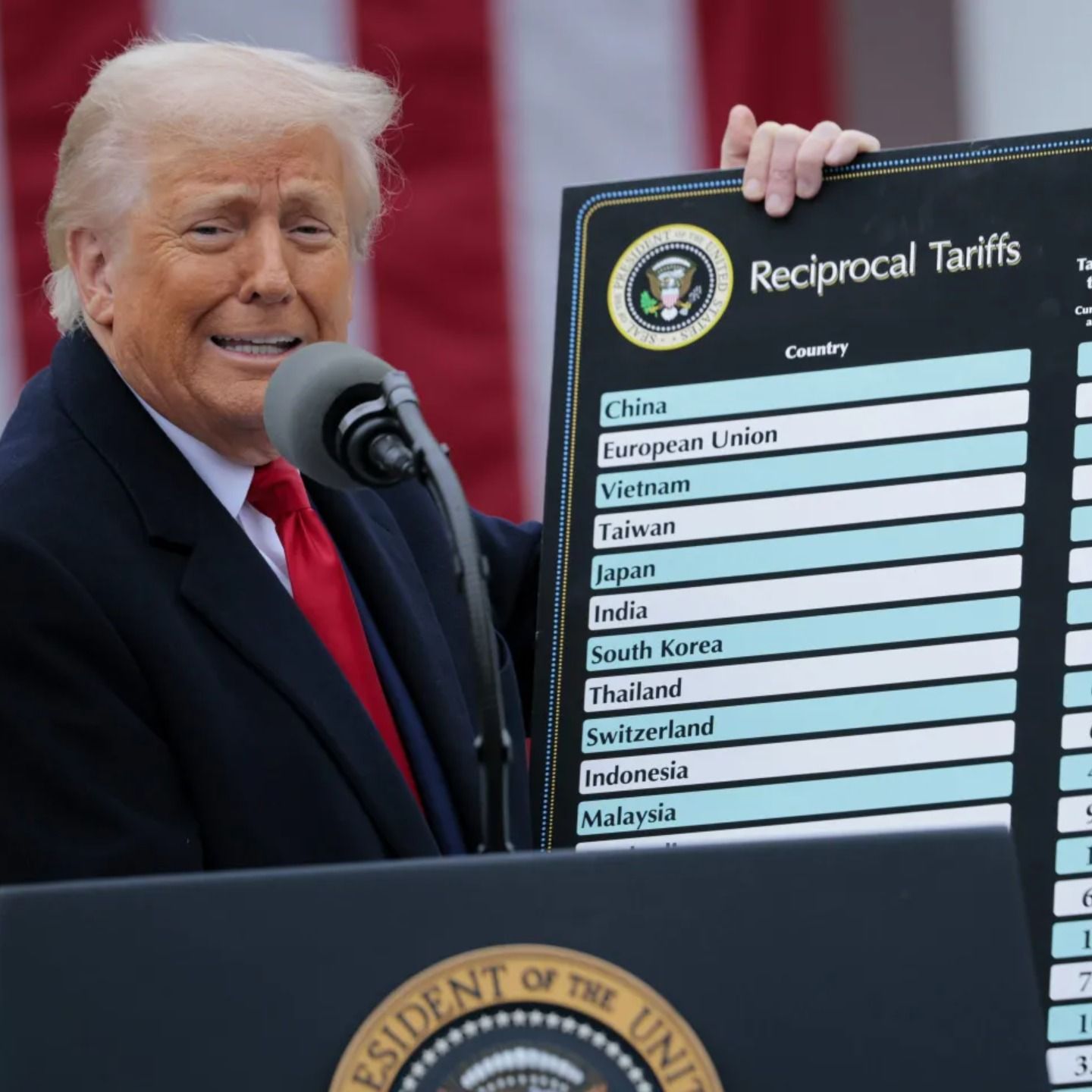
bonusEListen to the rest of this premium episode by subscribing at patreon.com/knowyourenemySpeaking in the Rose Garden on April 2, or as he called it, "Liberation Day," President Trump unveiled his plans to impose a new minimum tariff on nearly every country in the world, along with country-specific "reciprocal" tariffs for those nations Trump deemed to be engaging in unfair trade practices. He called it "one of the most important days in American history" and claimed it was "our declaration of economic independence." But rather than liberation, Trump's tariffs have unleashed chaos in the stock market and thrown the role of the United States in the world economy into doubt, not least because of the administration's ever shifting justifications for their actions and the constantly changing details of the tariffs themselves. To make sense of the ongoing fallout, we yet again turn to our friend John Ganz — who just finished reading and reviewing Trump's first three books for The Nation — to understand the deeper motivations (if they can be found) behind Trump's trade war. It's a good conversation, ranging from the bond markets to the bizarre psycho-sexual fantasies about tariffs on the right to "mimetic" competition with China, and beyond!Sources:John Ganz, "Dog Eat Dog: The Books of Donald Trump," The Nation, April 7, 2025— "Apocalypse Delayed? What Happened in the Bond Markets and What's Next," Unpopular Front, April 10, 2025Paul Blumenthal, "Trump's Rationales for His Tariffs Are Incoherent and Contradict Each Other," Huffington Post, April 7, 2025

UNLOCKED: How the Pandemic Changed Everything (w/ David Wallace-Wells)
bonusEIn response to several requests from our (wonderful) Patreon subscribers, we're unlocking this episode from behind the paywall. Consider subscribing at Patreon.com/KnowYourEnemy to never miss an episode. March 2025 marked five years since the formal start of the pandemic in the United States, when the federal government declared the arrival and spread of the novel coronavirus to be a national emergency. The official Covid death toll in the United States now stands at over 1.2 million; globally it surpasses 20 million people. Tens of millions of others were hospitalized, and many who survived infection are facing long Covid or related health complications. Our lives were upended, whether by sheltering-in-place, working from home, and barely leaving our home or apartment, or, for others, by endangering themselves by continuing to show up to work in hospitals, making deliveries, or staffing essential businesses. And yet, as David Wallace-Wells recently argued in the New York Times, "We tell ourselves we’ve moved on and hardly talk about the disease or all the people who died or the way the trauma and tumult have transformed us. But Covid changed everything around us."We wanted to have a conversation with David about that reality: why, collectively, we resist acknowledging what Covid really cost us, and the ways it continues to shape our lives. The discussion begins by revisiting the first weeks and months of the pandemic, the fear we felt, and the remarkable displays of solidarity that occurred in blue states as well as red states. From there we explore the different "phases" of the pandemic, how public-health measures became culture-war fodder, the impact of the vaccine on how both the public and elected officials perceived the risks of Covid, the pandemic's profound influence on our politics, the fallout from school closures, the Lab Leak Theory, and more.Listen again: "How to Survive a Pandemic" (w/ Peter Staley), Feb 21, 2021Sources:David Wallace-Wells, "How Covid Remade America," New York Times, Mar 4, 2025— "The Covid Alarmists Were Closer to the Truth Than Anyone Else," New York Times, Feb 26, 2025— "We’ve Been Talking About the Lab-Leak Hypothesis All Wrong," New York Times, Feb 28, 2023— "Dr. Fauci Looks Back: ‘Something Clearly Went Wrong'," New York Times, April 24, 2023David Wallace-Wells, The Uninhabitable Earth (2019)Nicholson Baker, "The Lab-Leak Hypothesis," New York Magazine, Jan 4, 2021Zeynep Tufekci, "We Were Badly Misled About the Event That Changed Our Lives," NYTimes, Mar 16, 2025.Sam Adler-Bell, "Doctor Do-Little: The Case Against Anthony Fauci," The Drift, Jan 24, 2021— "David Leonhardt: The Pandemic Interpreter," NYMag, Feb 24, 2022.Jacqueline Rose, "To Die One’s Own Death," LRB, Nov 19, 2020.

How the Pandemic Changed Everything (w/ David Wallace-Wells) [TEASER]
bonusEListen to the rest of this premium episode by subscribing at patreon.com/knowyourenemyThis month marked five years since the formal start of the pandemic in the United States in March 2020, when the federal government declared the arrival and spread of the novel coronavirus to be a national emergency. The official Covid death toll in the United States now stands at over 1.2 million; globally it surpasses 20 million people. Tens of millions of others were hospitalized, and many who survived infection are facing long Covid or related health complications. Our lives were upended, whether by sheltering-in-place, working from home, and barely leaving our home or apartment, or, for others, by endangering themselves by continuing to show up to work in hospitals, making deliveries, or staffing essential businesses. And yet, as David Wallace-Wells recently argued in the New York Times, "We tell ourselves we’ve moved on and hardly talk about the disease or all the people who died or the way the trauma and tumult have transformed us. But Covid changed everything around us."We wanted to have a conversation with David about that reality: why, collectively, we resist acknowledging what Covid really cost us, and the ways it continues to shape our lives. The discussion begins by revisiting the first weeks and months of the pandemic, the fear we felt, and the remarkable displays of solidarity that occurred in blue states as well as red states. From there we explore the different "phases" of the pandemic, how public-health measures became culture-war fodder, the impact of the vaccine on how both the public and elected officials perceived the risks of Covid, the pandemic's profound influence on our politics, the fallout from school closures, the Lab Leak Theory, and more.Listen again: "How to Survive a Pandemic" (w/ Peter Staley), Feb 21, 2021Sources:David Wallace-Wells, "How Covid Remade America," New York Times, Mar 4, 2025— "The Covid Alarmists Were Closer to the Truth Than Anyone Else," New York Times, Feb 26, 2025— "We’ve Been Talking About the Lab-Leak Hypothesis All Wrong," New York Times, Feb 28, 2023— "Dr. Fauci Looks Back: ‘Something Clearly Went Wrong'," New York Times, April 24, 2023David Wallace-Wells, The Uninhabitable Earth (2019)Nicholson Baker, "The Lab-Leak Hypothesis," New York Magazine, Jan 4, 2021Zeynep Tufekci, "We Were Badly Misled About the Event That Changed Our Lives," NYTimes, Mar 16, 2025.Sam Adler-Bell, "Doctor Do-Little: The Case Against Anthony Fauci," The Drift, Jan 24, 2021— "David Leonhardt: The Pandemic Interpreter," NYMag, Feb 24, 2022.Jacqueline Rose, "To Die One’s Own Death," LRB, Nov 19, 2020.

Ep 112Becoming Elon Musk, Part Two
EIf there's ever been a Know Your Enemy subject worthy of two episodes, it is Elon Musk—currently the world's richest man, CEO and leader of several pathbreaking companies, ringleader of the Department of Government Efficiency, and (for now) Donald Trump's co-president. In other words, to understand what's happening in the United States during the second Trump administration, it's essential to understand Musk: what shaped him, his enduring preoccupations and personality traits, how he made his vast fortune, and why, in unprecedented ways, he decided to go all in on Trump.In this second of two episodes on Musk, Matt and Sam bring his story up to the present. After offering a few concluding details on Musk's various romantic and familial entanglements, they chart the course of his political derangement, especially focusing on his seeming addiction to Twitter—the social media platform he eventually bought and renamed "X," which also is the name he gave one of his young sons. Musk's purchase of Twitter is treated as a case study in how the billionaire now tends to operate, from his penchant for making wild claims and impulsive decisions, to the way he manages people, tasks, and money. The discussion concludes with a theory of why Trump made such a show of buying a Tesla at the White House, and how to understand what Musk is up to with his erratic, ignorant work at DOGE, with plenty of eyebrow-raising details along the way.As mentioned: Join Matt and Sam and Jamelle Bouie at Dissent magazine’s fundraiser on April 8 in New York!Listen again: "Becoming Elon Musk, Part One"Sources:Kate Conger & Ryan Mac, Character Limit: How Elon Musk Destroyed Twitter (2024)Walter Isaacson, Elon Musk (2023)Ashlee Vance, Elon Musk: Tesla, SpaceX, and the Quest for a Fantastic Future (2015)Ella Yurman, "Vivian Jenna Wilson on Being Elon Musk’s Estranged Daughter, Protecting Trans Youth and Taking on the Right Online," Mar 20, 2025Kylie Cheung, "World’s Richest Man Allegedly Refuses to Pay Appropriate Child Support," Jezebel, Mar 21, 2025Faiz Siddiqui, "Elon Musk is worth $270 billion. He’d buy Twitter with an IOU," WaPo, April 22, 2022Theodore Schleifer & Maggie Haberman "Elon Musk Seeks to Put $100 Million Into Trump Political Operation," NYTimes, Mar 11, 20225.Eric Lipton, "Musk Is Positioned to Profit Off Billions in New Government Contracts," NYTimes, Mar 23, 2025.Jessie Blaeser, "DOGE shared its receipts — and some of them don’t match," Politico, Feb 22, 2025. Hadas Gold, "Trump says he’ll buy a Tesla to support Elon Musk, whose companies are struggling," CNN, Mar 11, 2025.Sam Adler-Bell, "Capital without Borders," Commonweal, Feb 8, 2017. ...and don't forget to subscribe to Know Your Enemy on Patreon to access to all of our bonus episodes!

Ep 111Becoming Elon Musk, Part One
EIf there's ever been a Know Your Enemy subject worthy of two episodes, it is Elon Musk—currently the world's richest man, CEO and leader of several pathbreaking companies, ringleader of the Department of Government Efficiency, and (for now) Donald Trump's co-president. In other words, to understand what's happening in the United States during the second Trump administration, it's essential to understand Musk: what shaped him, his enduring preoccupations and personality traits, how he made his vast fortune, and why, in unprecedented ways, he decided to go all in on Trump. To explore the life and times of Musk, Matt and Sam read several biographies, along with the best reporting on him and his activities (especially of late). In this first episode, they offer a close reading of Musk's childhood in South Africa and the people, and traumas, that shaped him; his discovery of science fiction and teenage fixations on computers, video games, and space exploration; his escape to Canada to attend college and eventual arrival in the United States; and his early years in Silicon Valley and the businesses that first made him very rich. As mentioned: Join Matt and Sam and Jamelle Bouie at Dissent magazine’s fundraiser on April 8 in New York!Sources:Kate Conger & Ryan Mac, Character Limit: How Elon Musk Destroyed Twitter (2024)Walter Isaacson, Elon Musk (2023)Ashlee Vance, Elon Musk: Tesla, SpaceX, and the Quest for a Fantastic Future (2015)Joshua Benton, "Musk’s Anti-Semitic, Apartheid-Loving Grandfather," The Atlantic, Sept 30, 2023Henry Farrell, "Silicon Valley’s Reading List Reveals Its Political Ambitions," Bloomberg, Feb 21, 2025Tony Tulathimutte, Rejection (2024)Kase Wickhman, "Elon Musk Has Yet Another Child, According to the Mother of That Baby," Vanity Fair, Feb 18, 2025Favour Adegoke, "Elon Musk's Trans Daughter Rips Dad For Allegedly Using Sex-Selective IVF For Her: 'I Was Going Against The Product'," Yahoo News, March 11, 2024Jesse's podcast: Tech Talk....and don't forget to subscribe to Know Your Enemy on Patreon to access to all of our bonus episodes!
"Exit From Within" (August 2022)
bonusEHere's something a little creepy. In a bonus episode from August 2022, Matt and Sam were discussing Sam's profile of Arizona Senate hopeful and Peter Thiel-protégé Blake Masters when we found ourselves imagining how a future union of MAGA nationalism and Silicon Valley libertarianism might try to run the government. A listener flagged it for us, noting that the description — which we call "exit from within" — sounds remarkably similar to what we are now experiencing with Trump, Musk, DOGE, and the tech right. We had totally forgotten about this, and thought the rest of you might like to hear it. We'll be back to our regular programming, with the Elon Musk episode, next week. The full episode, "Masters of War," is on Patreon. Readings: Sam Adler-Bell, "The Violent Fantasies of Blake Masters," NYTimes, Aug 3, 2022. Albert O. Hirschman, "Exit, Voice, and Loyalty: Responses to Decline in Firms, Organizations, and States," (1970) ...and don't forget to subscribe to Know Your Enemy on Patreon to listen to all of our premium episodes!

How Bad Is It? [TEASER]
bonusEListen to the rest of this premium episode by subscribing at patreon.com/knowyourenemyJust over a month into Trump's second term, Matt and Sam offer their thoughts on where we're at—and, to be blunt, the assessment is fairly depressing. They take stock of the troubling truth that Pete Hegseth's confirmation reveals about Trump's hold over the Republican Party, new FBI director Kash Patel's conspiratorial children's books, the state of the conservative legal movement, the right's relatively recent embrace of unbounded executive power, what the Democrats can do to fight back, and more.Sources:Pope Francis, "Letter of the Holy Father Francis to the Bishops of the United States of America," Feb 10, 2025Jonathan Swan & Maggie Haberman, "Power, Intimidation and the Resurrection of Trump’s Support for Hegseth," New York Times, Dec 12, 2024Gabriel Sherman, "'They’re Scared Shitless': The Threat of Political Violence Informing Trump’s Grip on Congress," Vanity Fair, Feb 19, 2025Jude Joffe-Block, et al, "How Kash Patel has Used Children's Books and Podcasts to Promote Conspiracy Theories," NPR, Dec 10, 2024Heidi Przybyla, "Leonard Leo Used Federalist Society Contact to Obtain $1.6B Donation," Politico, May 2, 2023James Burnham, Congress and the American Tradition(1959)

Ep 110Pay Attention! (w/ Chris Hayes)
EWe're all anxious, and none of us can pay attention. We don't read long books anymore; our kids don't read at all. When we watch TV, we scroll at the same time. And we absolutely cannot be alone with ourselves. These are the symptoms of a modern malaise that is everywhere diagnosed but rarely treated with the dire seriousness it deserves: an epochal sickness that is fundamentally changing the way we relate to each other and to our own minds. What would it take to reclaim control? Chris Hayes — journalist, author, and host of MSNBC's All In — joins to discuss his new book The Sirens' Call: How Attention Became the World's Most Endangered Resource. Together, Chris and the boys theorize how attention replaced information as the defining commodity of modern life. Along the way, we discuss our own struggles with social media addiction, prayer as an ancient technology for organizing attention, the evolutionary origins of attention-seeking, Donald Trump as the "public figure par excellence" of the attention age, and how to fight back against the corporate takeover of our minds. Toward the end, Chris explains how he's navigating hosting his cable show amid another bewildering Trump era, which seems designed to divide and fragment our attention.Further Reading: Chris Hayes, The Sirens' Call: How Attention Became the World's Most Endangered Resource, (2025)Simone Weil, Gravity and Grace, (1952)Adam Phillips, Attention Seeking, (2022)Karl Marx, Economic and Philosophic Manuscripts of 1844, (1844)Kyle Chayka, FIlterworld: How Algorithms Flattened Culture, (2024)Shoshana Zuboff, The Age of Surveillance Capitalism: The Fight for a Human Future at the New Frontier of Power, (2019)Daniel Immerwahr, "What if the Attention Crisis Is All a Distraction?" The New Yorker, Jan 20, 2025....and don't forget to subscribe to Know Your Enemy on Patreon to listen to all of our premium episodes!

MAGA x DOGE, So Far (w/ John Ganz) [TEASER]
bonusEListen to the rest of this premium episode by subscribing at patreon.com/knowyourenemyThe first three weeks of Donald Trump's second administration have seen a flurry of vicious executive orders aimed at the federal workforce, trans people, government agencies, and others—all while Elon Musk and his deranged band of young sociopaths, otherwise known as the "Department of Government Efficiency," have been set loose on the Treasury's payment system and other key functions of the state. In this episode, we talk with John Ganz to try to make sense of it all: how to avoid getting sucked into the political quicksand of debating conservatives about line items in a budget, what Trump and Musk really want, how "presidential" political systems break down, and, generally, how to think about What's Happening Now.Sources:James Burnham, The Machiavellians: Defenders of Freedom (1943)— The Managerial Revolution: What Is Happening in the World (1941)George Orwell, "Second Thoughts on James Burnham," Polemic, May 1946John Ganz, "What Happened Here," Unpopular Front, Feb 4, 2024Nathan Tankus, "Elon Musk Wants to Get Operational Control of the Treasury’s Payment System," Notes on the Crises, Feb 3, 2024Karen Yourish, et al, "All of the Trump Administration’s Major Moves in the First 17 Days," New York Times, Feb 6, 2024Yoni Applebaum, "America's Fragile Constitution," The Atlantic, Oct 2015Eric Rauchway, Why the New Deal Matters (2021)

Ep 109Ayn Rand Against the World (w/ Jennifer Burns)
EAn atheist, a radical for capitalism, a caricature of a greedy libertarian, a best-selling novelist, a difficult partner and passionate lover, and the self-proclaimed greatest philosopher since Aristotle: Ayn Rand was many things, and we talk about almost all of them in this epic episode. To do so, we called upon historian Jennifer Burns, whose intellectual biography, Goddess of the Market: Ayn Rand and the American Right , is enormously helpful in trying to understand an idiosyncratic writer who, both then and now, fits ambiguously into the "fusionist" post-war conservative movement. Rand remains a controversial figure whose ideas permeate our culture and continue to inspire some of the most consequential (and least appealing) political figures in the United States. To understand Rand and her influence, we examine her family's experiences during and after the Russian Revolution, her journey to the U.S. and early success in Hollywood, the arduous path she trod to become a writer, Rand's involvement in anti-New Deal politics in the 1930s and 40s, her ideas, philosophy, and scandalous personal life, and much more.Sources:Ayn Rand, The Fountainhead (1943)— Atlas Shrugged (1957)— We the Living (1936)Jennifer Burns, Goddess of the Market: Ayn Rand and the American Right (2009)— Milton Friedman: The Last Conservative (2023)Whittaker Chambers, "Big Sister Is Watching You," National Review, Dec 28, 1957Murray Rothbard, "The Sociology of the Ayn Rand Cult," (1972)Mary Gaitskill, Two Girls, Fat and Thin (1991)Lisa Duggan, Mean Girl: Ayn Rand and the Culture of Greed, (2019)— "Ayn Rand and the Cruel Heart of Neoliberalism," Dissent, May 20, 2019.Adam Curtis, All Watched Over by Machines of Loving Grace, (2011)Listen again:"Milton Friedman and the Making of Our Times," Dec 3, 2023...and don't forget to subscribe to Know Your Enemy on Patreon to listen to all of our premium episodes!

How Republics End (w/ Mike Duncan) [TEASER]
bonusEListen to the rest of this premium episode by subscribing at patreon.com/knowyourenemyA stock rhetorical trope on the right is to invoke ancient Rome when talking about American decline—often making direct comparisons between the Goth invaders and contemporary immigrants, obsessing over homosexuality and Rome's fall, and more. If their understanding of history isn't very serious, what should we make of these appeals? And are there any "lessons" we should learn from Roman history?There's no better time to take up such matters than while Matt is in Rome, and there was no one better for him to talk with about them than Mike Duncan, the prolific and brilliant history podcaster; he currently hosts the Revolutions podcast and, especially relevant for the purposes of this conversation, hosted the History of Rome podcast from 2007-2012, a project that led him to write The Storm Before the Storm: The Beginning of the End of the Roman Republic (2017). Matt and Mike discuss the use and abuse of history, how "norms" do and do not matter, the relationship between imperialist foreign policy and domestic politics, the perils of vast income inequality, then and now, and more.Sources:For quotes from conservatives about Roman decline: Reagan, Nixon, Buchanan, Vance (and Pete Navarro & Michael Anton)Mike Duncan, The Storm Before the Storm(2017)— Hero of Two Worlds: The Marquis de Lafayette in the Age of Revolution (2021)

Ep 108The Entrepreneurial Ethic & How We Work Today (w/ Erik Baker)
EThis is a fascinating episode that takes up thinkers that the podcast has covered before—the Koch brothers, Austrian economists like Ludwig von Mises and Friedrich Hayek, and others—but from a different angle: that of the entrepreneurial work ethic. Historian Erik Baker's superb book on the topic, Make Your Own Job: How the Entrepreneurial Work Ethic Exhausted America, offers a genuinely absorbing tour of this most American of ideologies, one that has emerged again and again, in various guises and in different circumstances, to reconcile workers to the contradictions of the U.S. economy, especially the shortage of jobs that has come with its many "innovations" and changes. What are the historical and even spiritual sources of the entrepreneurial work ethic, and what ideological needs does it serve for bosses and managers? Why is it so seductive to Americans? How does it relate to deeply American impulses relating to responsibility, guilt, and shame? In what ways did the entrepreneurial work ethic serve U.S. aims during the Cold War? And how has it endured in our age of Silicon Valley tech overlords and Donald Trump, entrepreneur, being re-elected? We take up these questions and many more in this rich conversation.Sources:Erik Baker, Make Your Own Job: How the Entrepreneurial Work Ethic Exhausted America (2025)— "Fairytale in the Supermarket," The Baffler, Jan 14, 2025Dale Carnegie, How to Win Friends and Influence People (1936)Norman Vincent Peale, The Power of Positive Thinking (1952)Sarah Jaffe, Work Won't Love You Back: How Devotion to Our Jobs Keeps Us Exploited, Exhausted, and Alone, (2021)Listen again:"Bomb Power" (w/ Erik Baker), Dec 19, 2023...and don't forget to subscribe to Know Your Enemy on Patreon to listen to all of our premium episodes!

UNLOCKED: Are Progressives to Blame for Urban Disorder? (w/ Hayes Davenport)
bonusEA bunch of you requested that we un-paywall this recent bonus episode, which features some highly practical insights for organizers, volunteers, and public servants. So we have! (All the other bonus episodes are good too; please subscribe.)—Right wing movements thrive by cultivating fears of disorder. Conservatives depict blue cities as sites of rampant crime, chaos, and iniquity. And often enough, it is progressives — with their overdeveloped empathy and concern for the poor and criminalized — who take the blame. Recently, a rising chorus of voices on the center-left, including figures like Ezra Klein, have embraced the thesis that perceptions of disorder in cities like New York, Chicago, Los Angeles, and San Francisco have contributed to America’s rightward turn. But is that accurate? And can anything be done about it?In this episode, Sam is joined by organizer, writer, and podcaster Hayes Davenport to discuss his experiences fighting against this sort of backlash in Los Angeles. As soon as Hayes had helped his friend Nithya Raman get elected to the LA City Council in 2020 and joined her staff, conservative forces in city government mobilized to thwart her pro-tenant agenda and blame the tiny faction of progressives on the council for rising crime and homelessness. How did they respond? What can the past few years in LA politics teach the American left? And can we imagine a leftist politics that short-circuits the right’s effort to use disorder to undermine our efforts to address its underlying causes: government neglect, poverty, and exploitation. We discuss! Further Reading:Hayes Davenport, "Ezra Klein is wrong about this," Big City Heat, Dec 9, 2024.— "Violent crime is down. Why are so many people mad about it?" Big City Heat, Dec 16, 2024.— "Sects on the Beach: The 2024 Santa Monica City Council Race," Big City Heat, Nov 1, 2024.— "The Last LA Election When Crime Was Going Up For Real," Big City Heat, Nov 11, 2024.Emily Badger & Alicia Parlapiano, "Is the Urban Shift Toward Trump Really About Democratic Cities in Disarray?" NY Times, Dec 6, 2024.Jill Cowan, Serge F. Kovaleski, & Leanne Abraham, "How a New City Council Map of L.A. Turned Into a Political Brawl," NY Times, Sept 3, 2023.Koko Nakakjima & Phi Do, "California and Los Angeles County are getting tougher on crime. Here are the maps that show it," LA Times, Dec 30, 2024.Jay Caspian Kang, "Who Really Controls Local Politics?" NY Times, Oct 11, 2021.— "How Homeowners’ Associations Get Their Way in California," NY Times, Oct 14, 2021.— "A Leader They Didn’t Choose," NY Times, Oct 18, 2021.Subscribe to Hayes's podcast: Hollywood Handbook and Friends.

Are Progressives to Blame for Urban Disorder? (w/ Hayes Davenport) [Teaser]
bonusEListen to the rest of this premium episode by subscribing at patreon.com/knowyourenemyRight wing movements thrive by cultivating fears of disorder. Conservatives depict blue cities as sites of rampant crime, chaos, and iniquity. And often enough, it is progressives — with their overdeveloped empathy and concern for the poor and criminalized — who take the blame. Recently, a rising chorus of voices on the center-left, including figures like Ezra Klein, have embraced the thesis that perceptions of disorder in cities like New York, Chicago, Los Angeles, and San Francisco have contributed to America’s rightward turn. But is that accurate? And can anything be done about it?In this episode, Sam is joined by organizer, writer, and podcaster Hayes Davenport to discuss his experiences fighting against this sort of backlash in Los Angeles. As soon as Hayes had helped his friend Nithya Raman get elected to the LA City Council in 2020 and joined her staff, conservative forces in city government mobilized to thwart her pro-tenant agenda and blame the tiny faction of progressives on the council for rising crime and homelessness. How did they respond? What can the past few years in LA politics teach the American left? And can we imagine a leftist politics that short-circuits the right’s effort to use disorder to undermine our efforts to address its underlying causes: government neglect, poverty, and exploitation. We discuss! Further Reading:Hayes Davenport, "Ezra Klein is wrong about this," Big City Heat, Dec 9, 2024.— "Violent crime is down. Why are so many people mad about it?" Big City Heat, Dec 16, 2024.— "Sects on the Beach: The 2024 Santa Monica City Council Race," Big City Heat, Nov 1, 2024.— "The Last LA Election When Crime Was Going Up For Real," Big City Heat, Nov 11, 2024.Emily Badger & Alicia Parlapiano, "Is the Urban Shift Toward Trump Really About Democratic Cities in Disarray?" NY Times, Dec 6, 2024.Jill Cowan, Serge F. Kovaleski, & Leanne Abraham, "How a New City Council Map of L.A. Turned Into a Political Brawl," NY Times, Sept 3, 2023.Koko Nakakjima & Phi Do, "California and Los Angeles County are getting tougher on crime. Here are the maps that show it," LA Times, Dec 30, 2024.Jay Caspian Kang, "Who Really Controls Local Politics?" NY Times, Oct 11, 2021.— "How Homeowners’ Associations Get Their Way in California," NY Times, Oct 14, 2021.— "A Leader They Didn’t Choose," NY Times, Oct 18, 2021.Subscribe to Hayes's podcast: Hollywood Handbook and Friends.

Ep 107Women vs. The System (w/ Dorothy Fortenberry)
EBack in October, before the 2024 election, we had on our friend—and brilliant screenwriter and playwright—Dorothy Fortenberry to talk about gender and the presidential campaign. Amid all the postmortems and Democratic soul searching, we wanted to have Dorothy back on to revisit some of those questions, starting with the difficulties women face in running as "outsiders" or against "The System"—an especially relevant consideration given the prevailing anti-incumbent, burn-it-down sentiment among voters across Europe and the Americas. Along the way we discuss Sarah Palin, Trump's "bad sex" cabinet and administration, how "having fun" is coded in American culture, and more.Sources:Dorothy Fortenberry, "The J.D. Vance sperm cups were probably a troll. But they got me thinking," Slate, Aug 23, 2024— "Can’t Fight This Feeling Anymore," Commonweal, Nov 5, 2020Martin Pengelly, "RFK Jr sexual assault accuser says she chose to speak out after Super Bowl ad," The Guardian, Nov 21, 2024. Eric Lutz, "Matt Gaetz Accused of Sex With Minor in House Ethics Report," Vanity Fair, Dec 21, 2024. Eric Tucker, "Trump’s Pentagon pick paid woman after sex assault allegation but denies wrongdoing, his lawyer says," AP, Nov 17, 2024.Tony Tulathimutte, "Our Dope Future" in Rejection (Sept 2024)Robert Hanley, "Donor Apologized to Sister for Seduction of Husband," NYTimes, Jan 13, 2005.Damon Linker, "The Bestial Politics of Masculine Self-Assertion," Notes from the Middleground, Nov 22, 2024.Sam Adler-Bell, "MAGA Misfits vs. Nationalists vs. Reaganites vs. Dorks: The battle of the Trump transition," NY Mag, Dec 14, 2024.Listen again:"Suburban Woman," Oct 29, 2019"Living at the End of Our World" (w/ Daniel Sherrell), Sept 2, 2021"'Succession,' 'Extrapolations,' & TV Writing Today" (w/ Will Arbery), May 4, 2023"Boys and Girls in America," Oct 3, 2024...and don't forget to subscribe to Know Your Enemy on Patreon to listen to all of our bonus episodes!...or give the gift of a KYE Patreon subscription to your loved on

Ep 106Trump 2.0 and the Courts (w/ the 5-4 podcast)
EIt's been a while since we've had our friends from the 5-4 podcast on KYE, and we thought there was no better time to do so than the weeks before Donald Trump is inaugurated, again, as president. As listeners might guess, we wanted to talk to them about what opportunities Trump might have during his second term to reshape the federal judiciary—and if he can secure the confirmations of Kash Patel at the FBI and Pam Bondi as Attorney General, perhaps a lot more than that. Topics include: President Biden's successes, and failures, when it comes to the courts, and what he's handing off to Trump; what kind of judges Trump is likely to appoint; if there's a MAGA wing of the conservative legal movement now, akin to Project 2025 or the America First Policy Institute; whether Justice Alito is a Fox News uncle or an OAN uncle; and more.Further Reading:Myah Ward & Betsy Woodruff Swan, "Trump’s plan to end birthright citizenship could be decided by the Supreme Court," Politico, Dec 14, 2024.Pema Levy, "How Much More Radical Could the Supreme Court Become? Look to the Fifth Circuit." Mother Jones, Oct 8, 2024. Michael Hall, "Is James Ho Too Brash for Even Trump to Make Him a Supreme Court Justice?" Texas Monthly, Aug 15, 2024....and don't forget to subscribe to Know Your Enemy on Patreon for access to all of our bonus episodes!Or give the gift of Know Your Enemy this holiday Season.

Reagan, the Movie (w/ Jesse Brenneman) [Teaser]
bonusEListen to the rest of this premium episode by subscribing at patreon.com/knowyourenemyWe wanted to offer something of a palette cleanser for our subscribers, so we decided to watch the recent movie, Reagan, with our intrepid producer, Jesse Brenneman. Even better, it's based on the 2006 book, The Crusader: Ronald Reagan and the Fall of Communism, by Paul Kengor—who just happens to have been Matt's close mentor as an undergraduate student. Reagan clocks in at over two hours and twenty minutes, and it's a wild, even fantastical ride that offers a revealing glimpse into the conservative psyche and a faithful rendition of the most hagiographic version of the Reagan mythology, especially his personal responsibility for ending the Cold War and finally putting the Soviet Union on the ash heap of history.Sources:Reagan (2024)Paul Kengor, The Crusader: Ronald Reagan and the Fall of Communism(2006)— God and Ronald Reagan: A Spiritual Life(2004)— A Pope and a President: John Paul II, Ronald Reagan, and the Extraordinary Untold Story of the 20th Century(2017)Edmund Morris, Dutch: A Memoir of Ronald Reagan (1999)

Ep 105Organizing in Rural America (w/ Luke Mayville)
EThis is a conversation we've wanted to have for a while, and it seemed like there was no better time than now, as many people on the broad center-left are asking tough questions about Donald Trump's strength in rural America—according to one post-election analysis, he won 62 percent of rural voters. To unpack what's happening in these parts of the country, we talked to Luke Mayville of Reclaim Idaho, a grassroots organization that, among other things, helped win a ballot referendum that expanded Medicaid in the state. Why, when an initiative like that can succeed, or voters in red states reject school vouchers or approve hikes to the minimum wage, does the party that opposes these measures tend to clean up in such places? What can be gleaned from talking to voters from all over a state like Idaho about how they view the two major political parties, understand the role of government, and explain the problems facing them in their lives? We take up these questions and more! Sources:Luke Mayville, "Do Something Big," Commonweal, Sept 22, 2020— "The Battle Against School Vouchers," Commonweal, Dec 11, 2023— John Adams and the Fear of American Oligarchy (Princeton University Press, 2016)Paul Demko, "The Ballot Revolt to Bring Medicaid Expansion to Trump Country," Politico, Oct 19, 2018Daniel Nichanian, "How Organizers Are Defending Direct Democracy," Bolts, Aug 16, 2023Dana Goldstein and Troy Closson, "Voters Poised to Reject Private School Vouchers in Three States," New York Times, Nov 7, 2024Keith Orejel, "The Political Economy of the Urban-Rural Divide," Law & Political Economy Project, Nov 11, 2024...and don't forget to subscribe to Know Your Enemy on Patreon to access all of our bonus episodes!

Ep 104Trump the Dove? Or Trump the Neocon? (w/ Curt Mills)
EThe second Trump administration hasn't started, but it's already proving chaotic, disturbing, and downright bewildering. (Not unlike the first!) Trump's picks for key staff and cabinet positions display a discordant, if not altogether surprising, mix of ideologies, experience, and scandalous baggage. (Indeed, one of his picks, Matt Gaetz for Attorney General, withdrew from consideration between the time we recorded our interview and when we recorded the intro.)For this episode, we're focused on Trump's national security team, which is shaping up to be divided against itself: neoconservatives like Marco Rubio (State) alongside quasi-isolationists like Tulsi Gabbard (Director of National Intelligence) alongside bellicose TV personalities like Pete Hegseth (Defense). To make sense of it all, we're joined by Curt Mills, a longtime foreign policy reporter and executive director of The American Conservative. A semi-enemy, Curt hails from the paleoconservative school of foreign affairs, which prioritizes realism and restraint. (That is to say, he's not thrilled about Rubio...) Based on Trump's appointments thus far, we ask Curt to assess, from his perspective, the relative strength of various factions of the Trump coalition: Will Trump listen to the warmongers in his midst? Will he side with the America Firsters? Or will he ignore everyone and just make some deals? Listen to find out. Further Reading: Curt Mills, "What a Trump Cabinet Might Look Like," The American Conservative, Oct 18, 2024.— "What Trump Could Do in Foreign Policy Might Surprise the World," NYTimes, May 13, 2024.Patrick Smith & Peter Alexander, "Police report details alleged sexual assault by Trump's defense pick Pete Hegseth," NBC News, Nov 21, 2024. Baker, Haberman, Swan, "Gaetz’s withdrawal follows revelations in a sex-trafficking inquiry." NYTimes, Nov 21, 2024. Dave Phillips and Carol Rosenberg, "The Metamorphosis of Pete Hegseth: From Critic of War Crimes to Defender of the Accused," NYTimes, Nov 21, 2024. David Frum, "Unpatriotic Conservatives," National Review, Mar 25, 2003. ...and don't forget to subscribe to Know Your Enemy on Patreon for access to all of our bonus episodes!

What's Wrong with the Democrats? [TEASER]
bonusEListen to the rest of this premium episode by subscribing at patreon.com/knowyourenemy!In our first episode after the 2024 elections, we briefly considered what the results revealed about how Donald Trump won, and why Kamala Harris lost, before discussing what Trump's first picks for his White House staff and Cabinet meant for his second terms as president. This conversation is different—a proper "post-mortem" of the results and a bit of a group therapy, mixed with wide-ranging reflections on what it all says about the state of Democratic Party, the country, and perhaps even our souls. Topics include: a (long) list of all the reasons that might account for Harris's defeat, the deranged attempt to keep Biden as the nominee despite his obvious decline, the Democrats' decades-long defensiveness on "cultural issues," why Trump's felony convictions didn't seem to hurt his campaign, the lost promise of 2020 and a politics of care and solidarity, the debate over "Bidenomics," and much more!One small note: we mention the controversy over Harris not appearing on Joe Rogan's podcast, and after we recorded further reporting came out on the decision. Rather than re-recording that section or deleting it altogether, we thought we'd keep it in, with listeners determining for themselves what explanation makes the most sense.Sources:Zack Beauchamp, "The Global Trend that Pushed Donald Trump to Victory," Vox, Nov 6, 2024Shane Goldmacher, Maggie Haberman, and Jonathan Swan, "How Trump Won, and How Harris Lost," New York Times, Nov 7, 2024Matthew Sitman, "The Morning After," Liberties, Nov 7, 2024Gabe Winant, "Exit Right," Dissent, Nov 8, 2024Tim Barker, "Dealignment," Sidecar, Nov 11, 2024Sam Adler-Bell, "Can Liberalism Stop Being So Darn...Liberal?" New Republic, June 20, 2024

Ep 103Trump's Triumph (w/ Ian Ward)
EAs the reality of Donald Trump's decisive victory sets in, we wanted to talk to Politico's Ian Ward, who's done some of the very best reporting on post-liberal intellectuals, JD Vance, and MAGA-world, in addition to spending time on the campaign trail this fall. After breaking down the results of the presidential election, we discuss Vance's role in the campaign, his standing with Trump, and friendship with Don Jr.; how the Trump transition is taking shape and who's likely to influence his decisions at the start of his second term; whether Project 2025 will actually be implemented; if the Republican Party will actually govern in a pro-worker way; and much more! Sources:Ian Ward, "Trump Loves Her. His Allies Don’t Trust Her," Politico, Oct 25, 2024— "What the Mainstream Media Can Learn from 'Bro Podcasters,'" Politico, Oct 24, 2024— "The Seven Thinkers and Groups That Have Shaped JD Vance’s Unusual Worldview," Politico, July 18, 2024— "Is There Something More Radical than MAGA?" Politico, Mar 15, 2024— "The Socialists Who Love Talking to Conservatives," Politico, Feb 4, 2022Sam Adler-Bell, "The Shadow War to Determine the Next Trump Administration," NYT, Jan 10, 2024Matthew Sitman, "The Morning After," Liberties, Nov 7, 2024...and don't forget to subscribe to Know Your Enemy on Patreon for access to all of our bonus episodes!

UNLOCKED: Voting: What Is it Good For? (w/ Astra Taylor, Olúfẹ́mi Táíwò, & Malcolm Harris)
bonusEIf you're on the left and you've spent time on the internet in the past few weeks, you've probably observe or participated in debates about the strategic value and moral status of voting in the 2024 election: Is it okay to vote for Kamala Harris even though her administration is complicit in a genocide? Is voting an exercise in signaling one's moral convincetions and identity? Or merely a tactical decision calculated to create better or worse terrain on which to organize in the future? Or is it something else altogether?Perhaps these debates have stimulated you; perhaps they've filled you with despair; or perhaps (like Sam) they've driven you nuts. The intention of this conversation — with three of my favorite writers and thinkers — is to help us see further: past the stale categories and tendentious arguments that leave us, on the left, feeling frustrated and mistrustful, rather than mobilized and oriented toward a future beyond November 5th.Our guests include: Astra Taylor, filmmaker, writer, organizer, and cofounder of The Debt Collective; author and organizer Malcolm Harris; and Olúfẹ́mi Táíwò, author, political philosopher, and co-editor of Hammer & Hope — a new magazine of black politics and culture.Further Reading/Viewing/Listening:Malcolm Harris, Palo Alto: A History of California, Capitalism, and the World, (2023)Olúfẹ́mi Táíwò, Elite Capture: How the Powerful Took Over Identity Politics (And Everything Else), (2022)Astra Taylor, The Age of Insecurity: Coming Together as Things Fall Apart, (2023)— "What is Democracy?" (Zeitgeist Films, 2019)Josie Ensor, "They voted Democrat for years — but the war in Lebanon changes everything," The Times, Oct 25, 2024."Arizona Palestinian, Arab, Muslim, and Progressive Democrats and Community Leaders Statement on Presidential Election," Oct 24, 2024.KYE, The Uncommitted Movement (w/ Waleed Shahid & Abbas Alawieh), Sept 4, 2024.

Voting: What Is it Good For? (w/ Astra Taylor, Olúfẹ́mi Táíwò, & Malcolm Harris) [TEASER]
bonusEListen to the rest of this premium episode by subscribing at patreon.com/knowyourenemyIf you're on the left and you've spent time on the internet in the past few weeks, you've probably observe or participated in debates about the strategic value and moral status of voting in the 2024 election: Is it okay to vote for Kamala Harris even though her administration is complicit in a genocide? Is voting an exercise in signaling one's moral convincetions and identity? Or merely a tactical decision calculated to create better or worse terrain on which to organize in the future? Or is it something else altogether?Perhaps these debates have stimulated you; perhaps they've filled you with despair; or perhaps (like Sam) they've driven you nuts. The intention of this conversation — with three of my favorite writers and thinkers — is to help us see further: past the stale categories and tendentious arguments that leave us, on the left, feeling frustrated and mistrustful, rather than mobilized and oriented toward a future beyond November 5th.Our guests include: Astra Taylor, filmmaker, writer, organizer, and cofounder of The Debt Collective; author and organizer Malcolm Harris; and Olúfẹ́mi Táíwò, author, political philosopher, and co-editor of Hammer & Hope — a new magazine of black politics and culture.Further Reading/Viewing/Listening:Malcolm Harris, Palo Alto: A History of California, Capitalism, and the World, (2023)Olúfẹ́mi Táíwò, Elite Capture: How the Powerful Took Over Identity Politics (And Everything Else), (2022)Astra Taylor, The Age of Insecurity: Coming Together as Things Fall Apart, (2023)— "What is Democracy?" (Zeitgeist Films, 2019)Josie Ensor, "They voted Democrat for years — but the war in Lebanon changes everything," The Times, Oct 25, 2024."Arizona Palestinian, Arab, Muslim, and Progressive Democrats and Community Leaders Statement on Presidential Election," Oct 24, 2024.KYE, The Uncommitted Movement (w/ Waleed Shahid & Abbas Alawieh), Sept 4, 2024.

Ep 102The Infernal Triangle (w/ Rick Perlstein)
EThe author of several excellent books about the history of American conservatism, including The Invisible Bridge, Nixonland, and Reaganland, Rick Perlstein makes his triumphant return to Know Your Enemy. Drawing on Rick's wealth of historical knowledge, as well as his American Prospect column — entitled "The Infernal Triangle" — we explore the failures of American media elites and the Democratic Party to reckon with Donald Trump and his antecedents on the far right. What are the habits and genres of American journalism that inhibit an adequate accounting of Trump's rise and influence? Why do Democrats tend to adopt "conservatism lite," when faced with a far right opponent? How has Rick's perspective on studying the right changed since he began his work in the 1990s? And how will future historians make sense of these times? Listen to find out! Further ReadingRick Perlstein, Before the Storm: Barry Goldwater and the Unmaking of the American Consensus, (2009)— "I Thought I Understood the American Right. Trump Proved Me Wrong." New York Times, Apr 11, 2017. — "The Polling Imperilment," American Prospect, Sept 25, 2024.— "The Election Story Nobody Wants to Talk About," American Prospect, Aug 28, 2024.— "Project 2025 … and 1921, and 1973, and 1981," American Prospect, Jul 10, 2024. W. Joseph Campbell, Lost in a Gallup: Polling Failure in U.S. Presidential Elections, (2020)Isaac Arnsdorf, Finish What We Started: The MAGA Movement’s Ground War to End Democracy, (2023)Phoebe Petrovic, "Right-Wing Activists Pushed False Claims About Election Fraud. Now They’re Recruiting Poll Workers in Swing States." ProPublica / Wisconsin Watch, Oct 16, 2024.Clare Malone, "The Face of Donald Trump’s Deceptively Savvy Media Strategy," New Yorker, Mar 25, 2024.Matthew Sitman, "Will Be Wild: Reading the January 6th Committee Report," Dissent, Apr 18, 2023.Listen Again: "On the Road to Reaganland" (w/ Rick Perlstein and Leon Neyfakh), Oct 21, 2020 "The History of the History of the Right" (w/ Kim Phillips-Fein), Jan 17, 2024...and don't forget to subscribe to Know Your Enemy on Patreon to listen to all of our bonus episodes!

The Christian Right's "Wild Faith" (w/ Talia Lavin) [TEASER]
bonusEListen to the rest of this premium episode by subscribing at patreon.com/knowyourenemyIn this episode, Matt is joined by journalist Talia Lavin to discuss her new book, Wild Faith: How the Christian Right is Taking Over America, one of the most fascinating and unique books published on the Christian right during the Trump-era. Lavin takes her subjects seriously, but not uncritically, and especially focuses on the wrecked and ruined lives left in the wake of conservative evangelicalism's more conspiratorial and authoritarian elements, from the Satanic Panic to James Dobson's parenting manual on how to beat a "strong-willed child" into compliance. Along the way, they talk about the triumph of QAnon, End Times theology, the importance of the New Apostolic Reformation, and more—all with an eye toward how these religious views and practices help explain conservative evangelicals' overwhelming support for Donald Trump.Sources:Talia Lavin, Wild Faith: How the Christian Right Is Taking Over America(2024)— Culture Warlords: My Journey Into the Dark Web of White Supremacy (2020)— "The Sword and the Sandwich"Listen again:"The Prayers and Prophecies of Pat Robertson," Know Your Enemy, July 17, 2023

Democratic Dilemmas after the New Deal Consensus (w/ Timothy Shenk) [TEASER]
bonusEListen to the rest of this premium episode by subscribing at patreon.com/knowyourenemyHistorian Timothy Shenk joins us for a conversation about his new book, Left Adrift: What Happened to Liberal Politics, a timely look at political strategy on the liberal-left as the New Deal Consensus cracked up in the late 1960s and 1970s through Bill Clinton's presidency and beyond. He tells the story of how Democrats responded to class dealignment through the careers of two consultants, Stan Greenberg and Doug Schoen—a story that, following these two men, also takes us to the UK, Israel, and South Africa. We discuss what happened to the New Deal coalition, arguments about how to appeal to working class voters drifting right, the limits—and necessity—of polling and even focus groups, why Bill Clinton's role in the rise of neoliberalism is more complicated than you might believe, lessons for the American left from their being crushed in Israel, and what all this might mean for 2024.Sources:Timothy Shenk, Left Adrift: What Happened to Liberal Politics(2024)Douglas E. Schoen, Enoch Powell and the Powellites(1977)Stanley B. Greenberg, Race and State in Capitalist Development(1980)"Explaining McCarthy," TIME, April 18, 1969Listen again:"Realignments (w/ Timothy Shenk)," Know Your Enemy, Feb 27, 2023

Ep 101Boys and Girls in America (w/ Dorothy Fortenberry)
EThis conversation is a little different. We thought that exploring the life of, say, Russell Kirk might not be the best way to spend the weeks before such a consequential election, so this is the first of a few episodes that won't be about a text or a life, but about the 2024 elections—hopefully digging a little deeper than most, and with a special concern for the themes and topics of Know Your Enemy. To help us get started, we had on a great friend of the podcast, playwright and screenwriter Dorothy Fortenberry, to talk about a presidential campaign that "smacks of gender," from declining sperm counts to abortion to the lives of moms, dads, and children today. In short, it's an unguarded discussion of how we can better care for each other in a world that's making it harder and harder to do just thatSources:Dorothy Fortenberry, "The J.D. Vance sperm cups were probably a troll. But they got me thinking," Slate, Aug 23, 2024— "'One of Those Serious Women': Andrea Dworkin's Radical Feminism," Commonweal, April 29, 2019Mollie Wilson O'Reilly, "When Abortion Isn't Abortion," Commonweal, Mar 21, 2022Listen again:"Suburban Woman," Oct 29, 2019"Living at the End of Our World" (w/ Daniel Sherrell), Sept 2, 2021"'Succession,' 'Extrapolations,' & TV Writing Today" (w/ Will Arbery), May 4, 2023...and don't forget to subscribe to Know Your Enemy on Patreon to listen to all of our bonus episodes!