Gita For Life
330 episodes — Page 5 of 7
Gita for Students Session 33
Support the showAll by the grace of Guru ji, Brahmleen Sant Samvit Somgiri Ji Maharaj.

Day 03 Be Better Everyday; The Science of Success in Exams and Life
Support the showAll by the grace of Guru ji, Brahmleen Sant Samvit Somgiri Ji Maharaj.
Gita for Students Session 32
Support the showAll by the grace of Guru ji, Brahmleen Sant Samvit Somgiri Ji Maharaj.
Gita for Students Session 31
Support the showAll by the grace of Guru ji, Brahmleen Sant Samvit Somgiri Ji Maharaj.
Gita for Students Session 30
ESupport the showAll by the grace of Guru ji, Brahmleen Sant Samvit Somgiri Ji Maharaj.
Gita for Students Session 29
Support the showAll by the grace of Guru ji, Brahmleen Sant Samvit Somgiri Ji Maharaj.
Gita for Students Session 28
Support the showAll by the grace of Guru ji, Brahmleen Sant Samvit Somgiri Ji Maharaj.

Day 02 Be Better Everyday, the Science of Success in Exams and Life
Support the showAll by the grace of Guru ji, Brahmleen Sant Samvit Somgiri Ji Maharaj.
Gita for Students Session 27
Support the showAll by the grace of Guru ji, Brahmleen Sant Samvit Somgiri Ji Maharaj.
Gita for Students Session 26
Support the showAll by the grace of Guru ji, Brahmleen Sant Samvit Somgiri Ji Maharaj.
Gita for Students Session 25
ESupport the showAll by the grace of Guru ji, Brahmleen Sant Samvit Somgiri Ji Maharaj.

Day 01 Be Better Everyday, the Science of Success in Exams and Life
Support the showAll by the grace of Guru ji, Brahmleen Sant Samvit Somgiri Ji Maharaj.
Gita for Students Session 24
Support the showAll by the grace of Guru ji, Brahmleen Sant Samvit Somgiri Ji Maharaj.
Class 9th Gita Recitation By Parmpujniya Guru Samvit Somgiri Ji Maharaj
Support the showAll by the grace of Guru ji, Brahmleen Sant Samvit Somgiri Ji Maharaj.
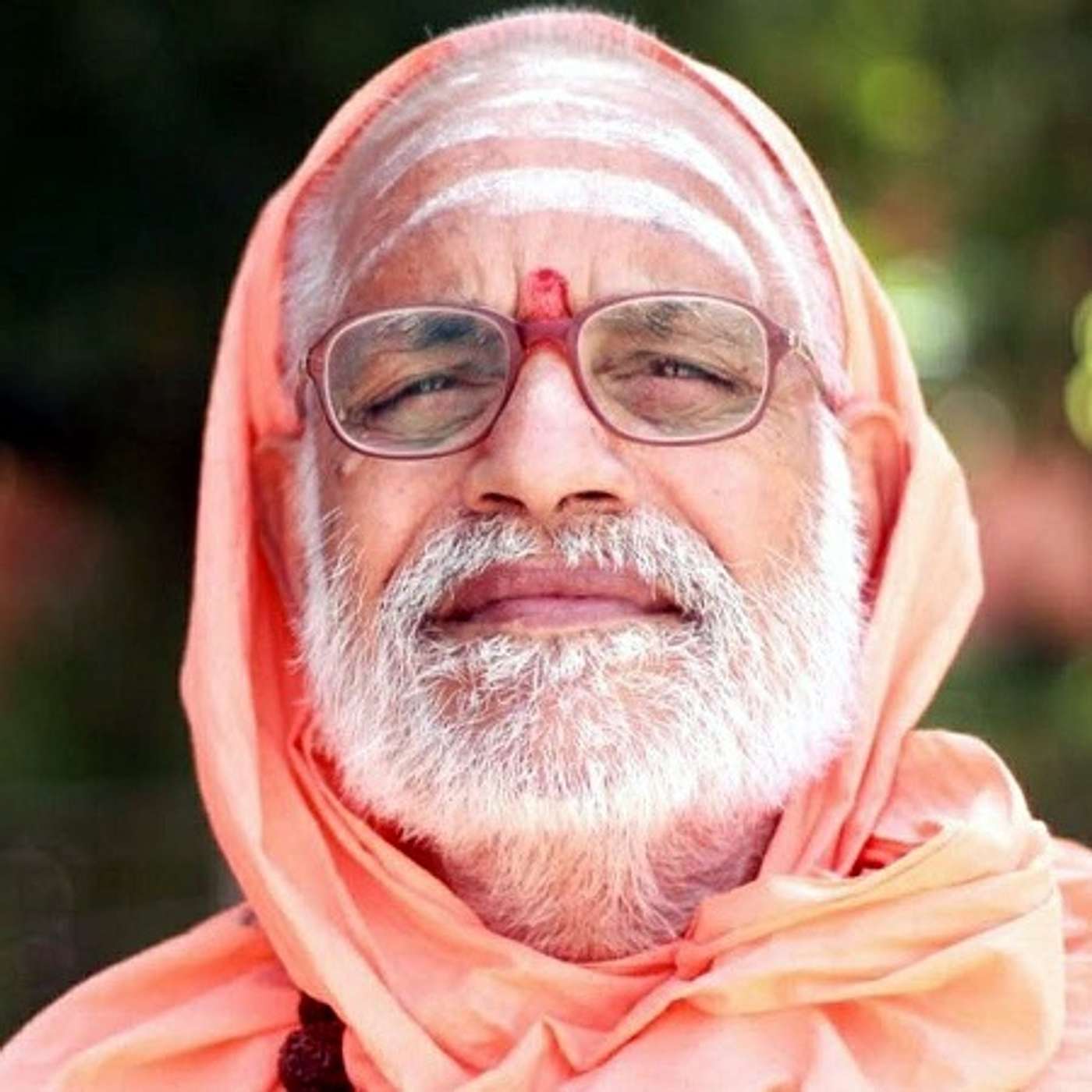
Chapter 01 Gita Recitation By Parmpujniya Guru Samvit Somgiri Ji Maharaj
ESupport the showAll by the grace of Guru ji, Brahmleen Sant Samvit Somgiri Ji Maharaj.
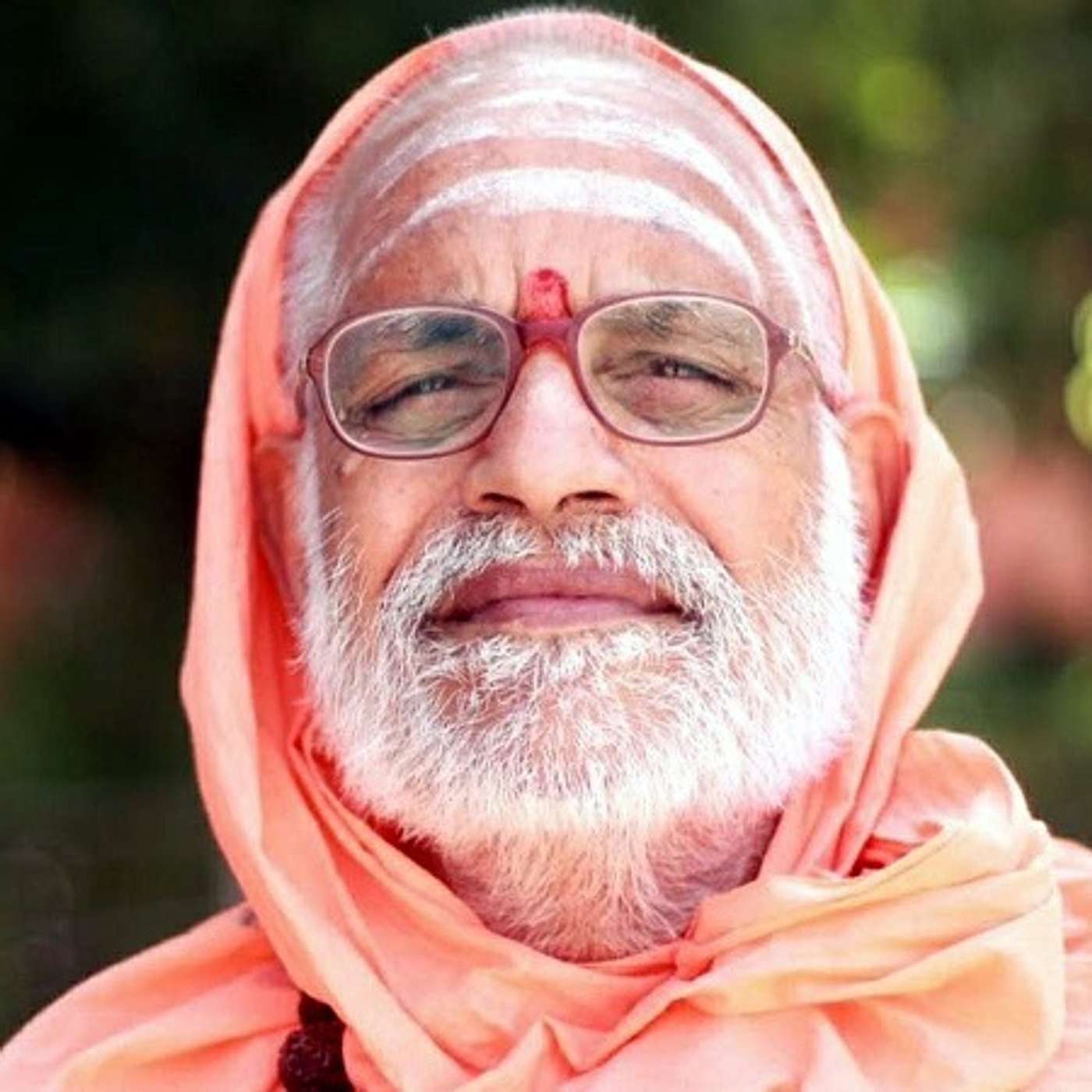
Class 12th Gita Recitation By Parmpujniya Guru Samvit Somgiri Ji Maharaj
Support the showAll by the grace of Guru ji, Brahmleen Sant Samvit Somgiri Ji Maharaj.
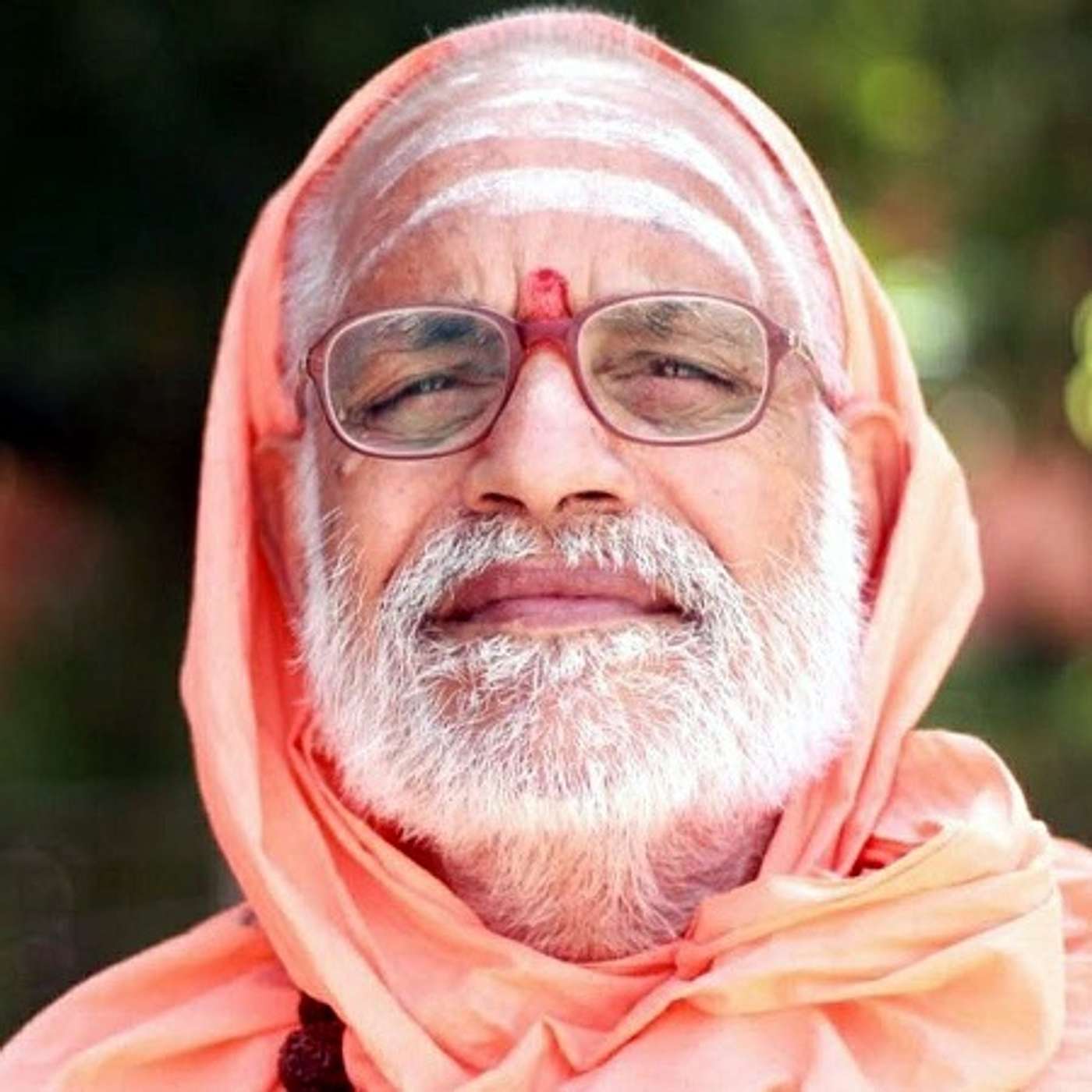
Class 8th Gita Recitation By Parmpujniya Guru Samvit Somgiri Ji Maharaj
ESupport the showAll by the grace of Guru ji, Brahmleen Sant Samvit Somgiri Ji Maharaj.
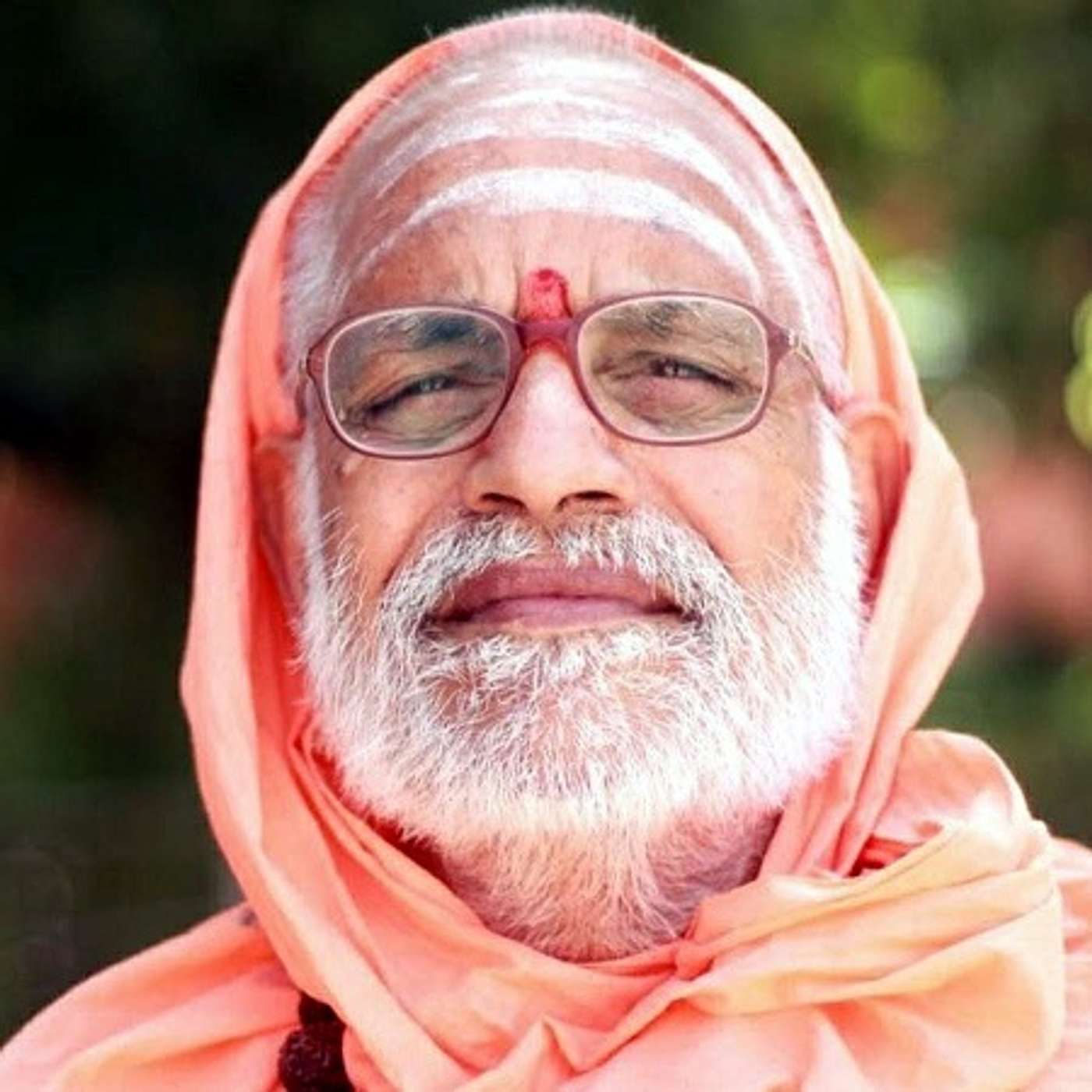
Class 10th Gita Recitation By Parmpujniya Guru Samvit Somgiri Ji Maharaj
Support the showAll by the grace of Guru ji, Brahmleen Sant Samvit Somgiri Ji Maharaj.
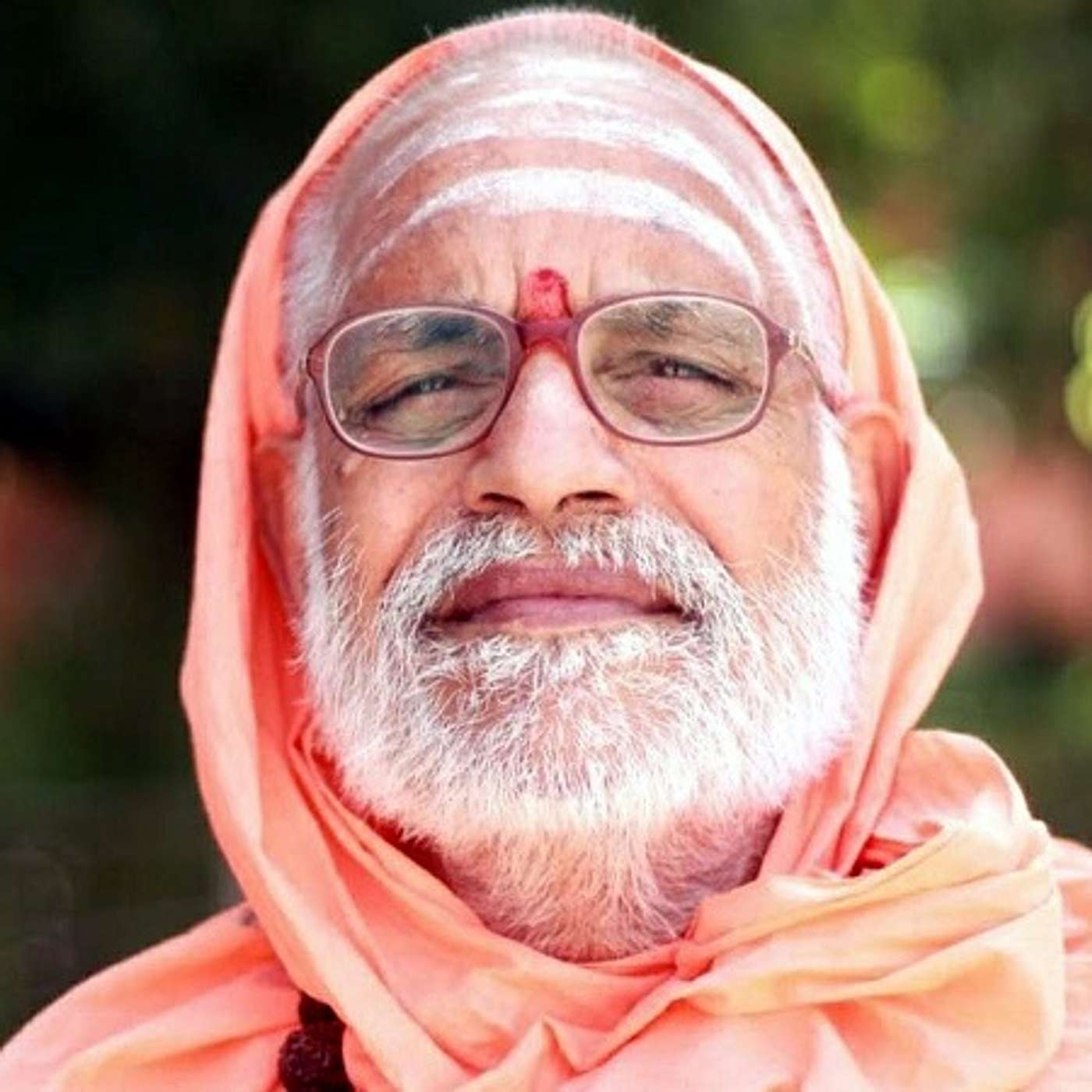
Class 11th Gita Recitation By Parmpujniya Guru Samvit Somgiri Ji Maharaj
Support the showAll by the grace of Guru ji, Brahmleen Sant Samvit Somgiri Ji Maharaj.
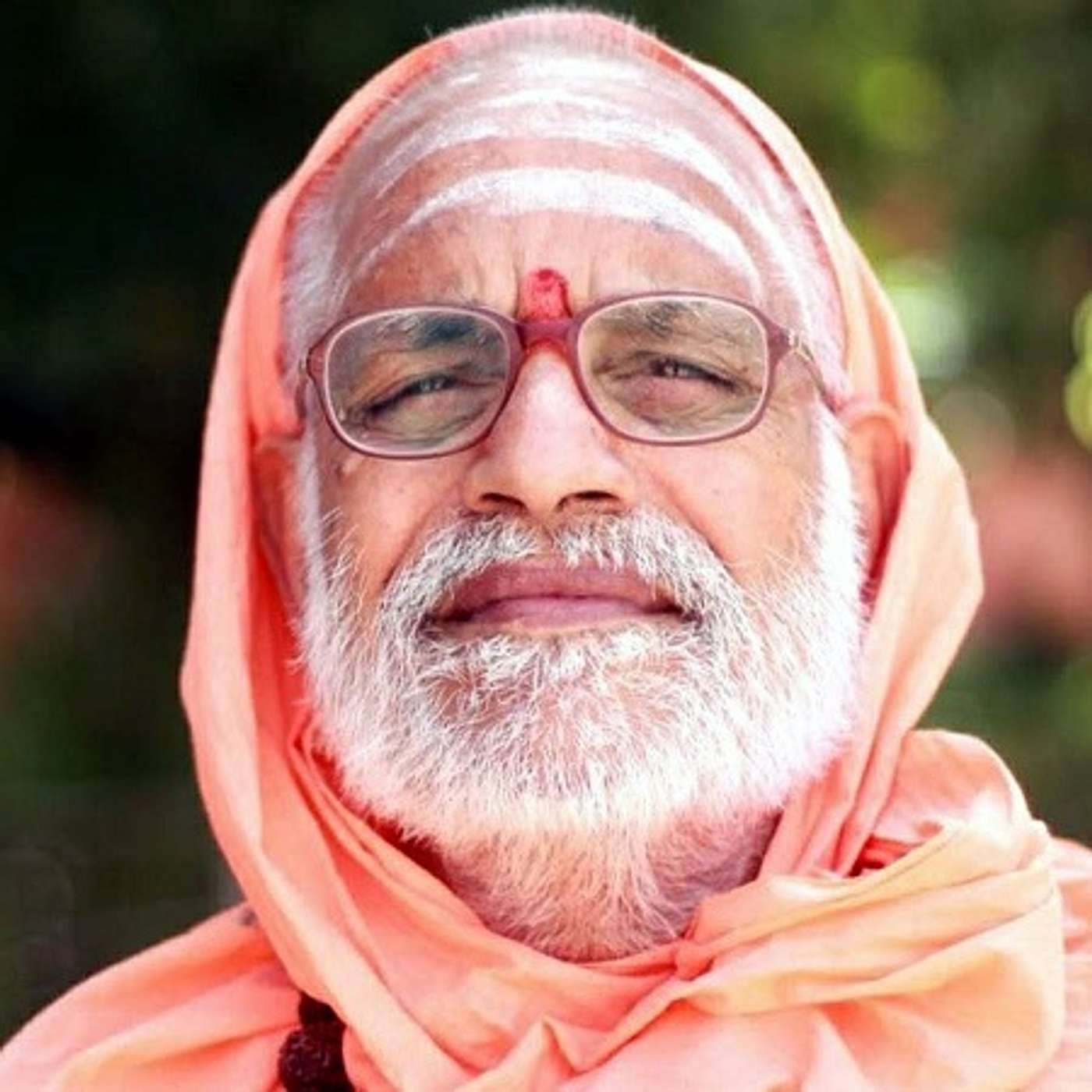
Class 4th Gita Recitation By Parmpujniya Guru Samvit Somgiri Ji Maharaj
Support the showAll by the grace of Guru ji, Brahmleen Sant Samvit Somgiri Ji Maharaj.
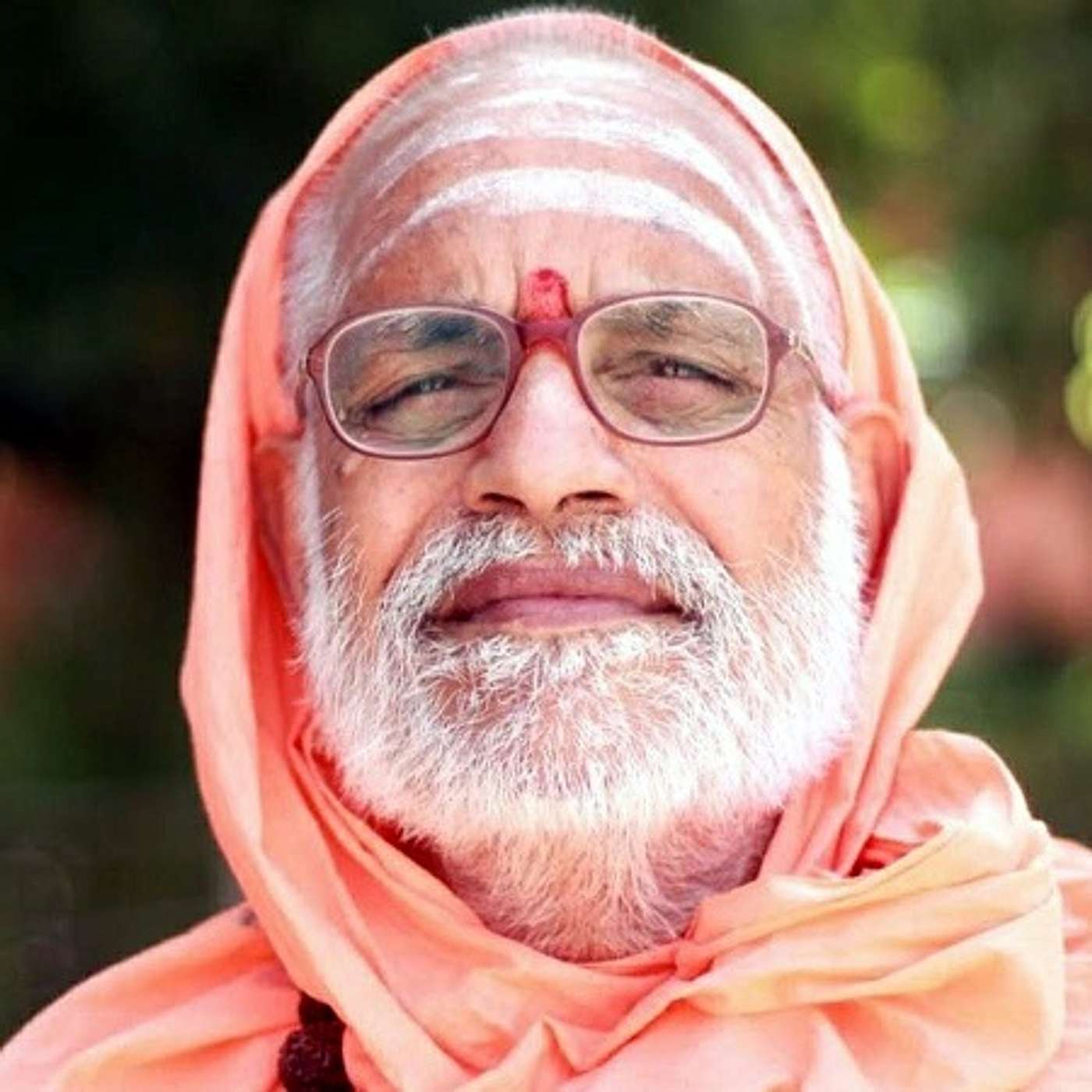
Class 7th Gita Recitation By Parmpujniya Guru Samvit Somgiri Ji Maharaj
Support the showAll by the grace of Guru ji, Brahmleen Sant Samvit Somgiri Ji Maharaj.
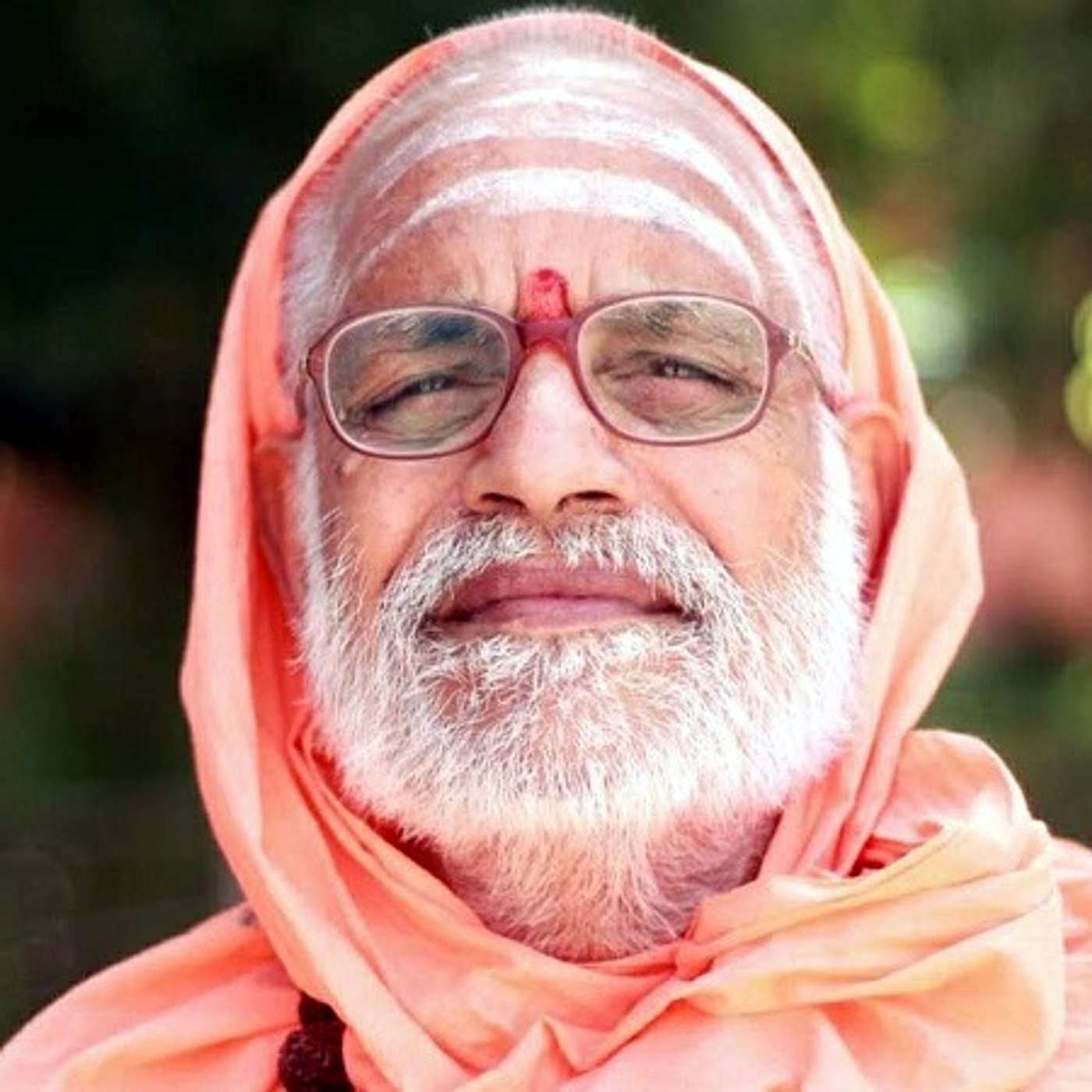
Class 6th Gita Recitation By Parmpujniya Guru Samvit Somgiri Ji Maharaj
Support the showAll by the grace of Guru ji, Brahmleen Sant Samvit Somgiri Ji Maharaj.
Class 5th Gita Recitation By Parmpujniya Guru Samvit Somgiri Ji Maharaj
Support the showAll by the grace of Guru ji, Brahmleen Sant Samvit Somgiri Ji Maharaj.
Gita for Students Session 23
Support the showAll by the grace of Guru ji, Brahmleen Sant Samvit Somgiri Ji Maharaj.
Gita for Students Session 22
Support the showAll by the grace of Guru ji, Brahmleen Sant Samvit Somgiri Ji Maharaj.
Gita for Students Session 21
Support the showAll by the grace of Guru ji, Brahmleen Sant Samvit Somgiri Ji Maharaj.
Gita for Students Session 20
Support the showAll by the grace of Guru ji, Brahmleen Sant Samvit Somgiri Ji Maharaj.
Gita for Students Session 19
Support the showAll by the grace of Guru ji, Brahmleen Sant Samvit Somgiri Ji Maharaj.
Gita for Students Session 18
Support the showAll by the grace of Guru ji, Brahmleen Sant Samvit Somgiri Ji Maharaj.
Gita for Students Session 17
Support the showAll by the grace of Guru ji, Brahmleen Sant Samvit Somgiri Ji Maharaj.
Gita for Students Session 16
Support the showAll by the grace of Guru ji, Brahmleen Sant Samvit Somgiri Ji Maharaj.
Gita for Students Session 15
Support the showAll by the grace of Guru ji, Brahmleen Sant Samvit Somgiri Ji Maharaj.
Gita for Students Session 14
Support the showAll by the grace of Guru ji, Brahmleen Sant Samvit Somgiri Ji Maharaj.
Gita for Students Session 13
The Gita Gyan Pratiyogita: Shaping the Future, One Verse at a TimeFor a quarter of a century, Gurudev Samvit Somgiri Ji Maharaj has spearheaded an initiative that stands out not just for its spiritual bearings but also for its societal impact: The Gita Gyan Pratiyogita. Designed for students from the 4th to the 12th grade, this competition has been a beacon of enlightenment, empowering young minds with the profound wisdom of the Bhagavad Gita.The Genesis:The Gita Gyan Pratiyogita finds its roots in Gurudev Samvit Somgiri Ji Maharaj's vision of a society where individuals are not only well-informed but also well-formed. In the cacophony of the digital age, he recognized the need for an anchor; a spiritual and ethical compass. What better compass than the Bhagavad Gita, a timeless scripture that addresses the universal dilemmas faced by mankind?The Structure:Every year, students from diverse backgrounds immerse themselves in the verses of the Gita, understanding and interpreting its teachings. The competition involves various rounds, ranging from recitations, essays, discussions, to practical applications of the teachings in real-life scenarios.Benefits for Students:Cognitive Development: Deciphering the layered meanings of the Gita verses sharpens students' analytical and critical thinking skills. This cognitive exercise proves invaluable in their academic pursuits and later, in their professional lives.Emotional Resilience: The Gita offers coping mechanisms for life's trials and tribulations. Students equipped with this knowledge tend to have higher emotional resilience, better mental health, and reduced anxiety levels.Ethical Grounding: In an era of moral ambiguities, the Gita provides a robust ethical framework. Students who internalize these teachings tend to have a strong moral compass, making decisions that are not just right for them but also for the society at large.Improved Concentration: The discipline required to study the Gita and participate in the Pratiyogita translates to better concentration and focus, attributes that are essential in any field of study or work.Impact on Personal and Professional Growth:Participants, over the years, have frequently testified to the transformative power of the Gita. Many credit their professional successes to the clarity, focus, and determination they developed during their time in the competition. These students, grounded in the teachings of the Gita, approach professional challenges with a unique blend of ethical responsibility and analytical prowess.Molding Productive Citizens:The Gita Gyan Pratiyogita does not just produce winners of a competition; it shapes responsible and contributing citizens. Participants often engage more actively in community services, display heightened environmental consciousness, and have a collaborative and inclusive approach to societal challenges.Conclusion:The Gita Gyan Pratiyogita, under the visionary guidance of Gurudev Samvit Somgiri Ji Maharaj, has been more than just a competition. It has been a movement, imparting timeless wisdom to the youth, ensuring that the future of our society is in hands that are not just skilled but also ethically sound. Through the verses of the Gita, students are reminded that life is not about mere existence but about meaningful coexistence. And in this coexistence lies the true progress of humanity.Important Slokas of Chapter 01; Bhagwat GitaSupport the showAll by the grace of Guru ji, Brahmleen Sant Samvit Somgiri Ji Maharaj.
Gita for Students Session 12
Chapter 22.2 Original Sanskrit Text:श्रीभगवानुवाच |कुतस्त्वा कश्मलमिदं विषमे समुपस्थितम् |अनार्यजुष्टमस्वर्ग्यमकीर्तिकरमर्जुन || 2.2 ||Translation:The Blessed Lord said: O Arjuna, why has this impurity come upon you at this inopportune time? It is not fit for an Aryan, it does not lead to heaven, and it brings disgrace.Meaning & Explanation:The word अनार्य (Anarya) refers to someone who is not noble or respectable in Hindi. Lord Krishna is addressing Arjuna's unwillingness to fight as something uncharacteristic of his noble nature.For personal growth, it reminds us that there are times when we may face doubts or challenges, but we must rise to the occasion and fulfill our duties, remembering our true nature and values.2.3 Original Sanskrit Text:क्लैब्यं मा स्म गमः पार्थ नैतत्त्वय्युपपद्यते |क्षुद्रं हृदयदौर्बल्यं त्यक्त्वोत्तिष्ठ परंतप || 2.3 ||Translation:O son of Pritha, do not yield to this unmanliness. It does not befit you. Cast off this petty weakness of heart and arise, O vanquisher of enemies.Meaning & Explanation:Here, Krishna is motivating Arjuna to rise above his fears and uncertainties. क्लैब्यं (Klaibyam) means "unmanliness" or "cowardice" in Hindi.For personal growth, this verse teaches us to face our fears and challenges head-on and not succumb to weakness or doubt.2.7 Original Sanskrit Text:कार्पण्यदोषोपहतस्वभावः पृच्छामि त्वां धर्मसंमूढचेताः |यच्छ्रेयः स्यान्निश्चितं ब्रूहि तन्मे शिष्यस्तेऽहं शाधि मां त्वां प्रपन्नम् || 2.7 ||Translation:Confused by my own nature, tainted by the vice of pity, I ask you, my heart is confused about my duty. I beseech you, tell me decisively what is good for me. I am your disciple; guide me who have sought refuge in you.Meaning & Explanation:Arjuna is admitting his confusion and seeking guidance from Krishna. He acknowledges Krishna as his guide and seeks a clear path.This verse teaches humility and the importance of seeking guidance when faced with tough decisions. Personal growth often requires the wisdom and mentorship of others.2.11 Original Sanskrit Text:श्रीभगवानुवाच |अशोच्यानन्वशोचस्त्वं प्रज्ञावादांश्च भाषसे |गतासूनगतासूंश्च नानुशोचन्ति पण्डिताः || 2.11 ||Translation:The Blessed Lord said: While speaking learned words, you are mourning for what is not worthy of grief. Those who are wise lament neither for the living nor the dead.Meaning & Explanation:Krishna points out the impermanence of life and how wise individuals understand this truth, and hence do not grieve excessively.Personal growth entails understanding the transient nature of life and staying detached from extreme emotions, focusing instead on the eternal truths.2.16 Original Sanskrit Text:नासतो विद्यते भावो नाभावो विद्यते सतः |उभयोरपि दृष्टोऽन्तस्त्वनयोस्तत्त्वदर्शिभिः || 2.16 ||Translation:Of the nonexistent there is no endurance, and of the existent, there is no cessation. Seers of truth have concluded the same about both.Meaning & Explanation:Krishna is emphasizing the difference between the eternal and the transient. What truly exists will always exist, and what doesn’t will fade.In terms of personal growth, it emphasizeSupport the showAll by the grace of Guru ji, Brahmleen Sant Samvit Somgiri Ji Maharaj
Gita for Students Session 10
2.2 Original Sanskrit Text:श्रीभगवानुवाच |कुतस्त्वा कश्मलमिदं विषमे समुपस्थितम् |अनार्यजुष्टमस्वर्ग्यमकीर्तिकरमर्जुन || 2.2 ||Translation:The Blessed Lord said: O Arjuna, whence comes this dejection in this hour of crisis? It is unbecoming of an honorable person, it leads neither to heaven nor to glory.Different Interpretations:a. Literal Interpretation:Lord Krishna questions Arjuna's sudden despair and dejection on the battlefield. He highlights that such behavior is inappropriate, especially for a warrior of Arjuna's stature, and does not lead to honor or glory.b. Swami Sivananda's View:Swami Sivananda believed this verse stresses the importance of duty. By questioning Arjuna's dejection, Krishna is emphasizing that one should not shirk from their duties, especially when they're challenging or uncomfortable.c. Metaphysical Interpretation:Arjuna's battlefield can be seen as a representation of the human mind and its challenges. Lord Krishna, representing the higher self or divine consciousness, questions why one allows doubt and despair to take over, especially when it's time for action.d. Psychological Perspective:From a psychological standpoint, the verse addresses human tendencies to be overwhelmed by negative emotions, especially when faced with challenging decisions. Krishna, as the inner guide or conscience, prompts introspection and challenges these self-limiting beliefs.Personal Upliftment Exercises Based on the Shloka:a. Daily Self-Questioning: When faced with challenges, ask yourself – "Why am I feeling this way? Is this feeling serving my higher purpose?" This self-questioning can bring clarity and help address the root of your feelings.b. Embrace Challenges: Each day, do something that challenges you. It can be something small. The idea is to train your mind not to shy away when faced with difficult situations.c. Positive Affirmations: Develop affirmations like "I am capable of handling challenges" or "I embrace difficulties as they help me grow." Recite these daily to build mental resilience.d. Meditation: Dedicate 10 minutes daily to meditate on your feelings and emotions. Recognize them, but don't judge. Over time, this will help in managing overwhelming emotions.e. Seek Wisdom: Read or listen to teachings that encourage mental strength, duty, and righteousness. Reflect upon them and see how they can be applied in your life.f. Counsel and Mentorship: When in doubt or feeling low, seek counsel from a trusted individual. Often, a fresh perspective or wise words can dispel doubts and fears.Regularly practicing these exercises can equip an individual to better face challenges, understand their emotions, and respond to situations with clarity and strength, akin to Arjuna guided by Krishna on the battlefield of life.Support the showAll by the grace of Guru ji, Brahmleen Sant Samvit Somgiri Ji Maharaj.
Gita for Students Session 11
2.3 Original Sanskrit Text:क्लैब्यं मा स्म गमः पार्थ नैतत्त्वय्युपपद्यते |क्षुद्रं हृदयदौर्बल्यं त्यक्त्वोत्तिष्ठ परंतप || 2.3 ||Translation:O son of Pritha (Arjuna), do not yield to this degrading impotence. It does not befit you. Abandon this petty weakness of heart and arise, O vanquisher of enemies.Different Interpretations:a. Literal Interpretation:Lord Krishna encourages Arjuna to rise above his despondency and weakness. He calls on Arjuna to discard his fears, reminding him of his warrior nature and urging him to stand firm in the face of adversity.b. Swami Sivananda's View:According to Swami Sivananda, this verse emphasizes the importance of mental strength and resilience. Weakness of heart, doubt, and self-pity are barriers to realizing one's true potential and fulfilling one's duty.c. Metaphysical Interpretation:The battlefield represents the inner struggle of the human psyche. Lord Krishna, as the inner divine consciousness, pushes the individual (represented by Arjuna) to overcome internal barriers, such as fear and self-doubt, to progress spiritually.d. Psychological Perspective:This verse can be seen as a call to combat mental challenges like anxiety, depression, or hesitation. Krishna's words serve as a reminder of one's innate strength and capability.Personal Upliftment Exercises Based on the Shloka:a. Affirmation Writing: Create powerful affirmations to remind yourself of your strength, such as "I am resilient" or "I overcome challenges with grace." Recite them daily.b. Overcome Fears: Identify one fear or hesitation you face. Dedicate time weekly to confront this fear, be it through research, practice, or seeking advice.c. Guided Meditation: Focus on meditations that center around empowerment and strength. Visualize yourself facing challenges head-on and emerging victorious.d. Self-Talk: Whenever you face a challenging situation or feel overwhelmed, take a moment to talk to yourself, reminding yourself of past challenges you've overcome and your inherent strengths.e. Peer Discussion: Engage in discussions with friends or peers about challenges and ways to overcome them. Sharing experiences can offer new perspectives and solutions.f. Seek Inspiration: Read biographies or listen to talks of individuals who have overcome significant challenges. Draw inspiration from their journeys and strategies.By practicing these exercises, individuals can cultivate resilience, a robust mindset, and the confidence to face challenges, mirroring Arjuna's transformation under Krishna's guidance.Support the showAll by the grace of Guru ji, Brahmleen Sant Samvit Somgiri Ji Maharaj.
Gita for Students Session 09 TECHNIQUES TO TRANSFORM LIFE
ESCIENCE OF INNER TRANSFORMATION BY THE GRACE OF GURU DEV SAMVIT SOMGIRI JI MAHARAJGETTING THE DEEPER MEANING IN YOGIC PERSPECTIVE OF SHLOKAS OF GITA1. Personal Upliftment Exercises Based on the Shloka 1.1:a. Self-reflection: Set aside 10 minutes each day for introspection. Ask yourself - What are my inner battles? Identify your "Pandavas" (virtues) and "Kauravas" (vices). This will help you understand your strengths and areas of improvement.b. Journaling: Write down your thoughts, feelings, and emotions. Note any patterns or recurring themes. This could represent the 'battlefield' in your mind and can be a tool to process feelings and seek solutions.c. Meditative Visualization: Imagine yourself in the midst of a battlefield (Kurukshetra). On one side are your positive traits and on the other, your negative ones. Visualize a peaceful resolution where virtues prevail, guiding you to make righteous decisions.d. Daily Affirmations: Develop a set of affirmations based on righteousness (Dharma). For example, "Today, I will choose actions that align with my highest self."e. Seeking Guidance: Just as Dhritarashtra seeks clarity from Sanjaya, it's essential to have a mentor or guide in life. Regularly consult with someone you trust about your challenges and get their perspective.f. Reading and Contemplation: Dedicate some time each week to read spiritual texts or philosophies. Reflect on their teachings and see how they can be applied in your day-to-day life.Incorporating these exercises into daily routines can facilitate personal growth by fostering self-awareness, grounding, and a clearer understanding of one's life challenges and virtues.2. Personal Upliftment Exercises Based on the Shloka 1.15:a. Sound Meditation: Start your day with 5 minutes of sound meditation, focusing on a calming sound, be it a singing bowl, a conch, or even the humming of 'Om'. This helps in attuning oneself with the universe and finding inner peace.b. Intention Setting: Just as the warriors signaled their readiness for battle, set your intentions for the day. Write down what you hope to achieve and what virtues you want to embody.c. Recognize Your Unique Sound (Path): Each conch had a unique name and sound. Similarly, each individual has a unique path. Reflect upon your unique skills, talents, and passions. How can you employ them in the service of dharma (righteousness)?d. Yoga and Pranayama: Dedicate a few minutes daily to practice yoga and especially breathing exercises like 'Bhramari Pranayama' (Bee Breath). The resonating sound produced during this practice is therapeutic and aligns one with cosmic vibrations.e. Daily Affirmations: Use affirmations like "I align my actions with my higher self" or "I listen to the divine call within me." Repeating these affirmations will reinforce the commitment to righteousness and divine alignment.f. Reading and Reflection: Spend some time reading about great personalities who have responded to their 'divine call' or 'conch'. Reflect upon their actions, decisions, and the paths they chose.Implementing these exercises daily can help individuals align with their higher purpose, find clarity in their actions, and navigate the battlefield of life with righteousness and virtue.Support the showAll by the grace of Guru ji, Brahmleen Sant Samvit Somgiri Ji Maharaj.
Gita for Students Session 08 Chapter 01 Verse 1.15 Part 02
1.15 Original Sanskrit Text:पाञ्चजन्यं हृषीकेशो देवदत्तं धनञ्जयः |पौण्ड्रं दध्मौ महाशङ्खं भीमकर्मा वृकोदरः || 1.15 ||Translation:Hrishikesha (Lord Krishna) blew the conch named Panchajanya; Dhananjaya (Arjuna) blew the Devadatta; and Vrikodara (Bhima), the doer of formidable deeds, blew the great conch named Paundra.Different Interpretations:a. Literal Interpretation:As the war of Kurukshetra is about to begin, the warriors on both sides blow their respective conches. Lord Krishna, Arjuna, and Bhima are mentioned here, each blowing their unique conch, signifying their readiness and determination for the upcoming battle.b. Swami Sivananda's View:According to Swami Sivananda, the blowing of the conches is symbolic of the divine proclamation, a call to all beings to awaken to the battle of life, the eternal struggle between good and evil.c. Metaphysical Interpretation:On a deeper level, the conches represent the sound of dharma (righteousness). Each conch, having a unique name, symbolizes the individual paths and duties each warrior holds, but all converging to the path of righteousness.d. Yoga Perspective:From a yogic viewpoint, the sound of the conch can be likened to the primal sound 'Om' – the universal sound signifying the supreme spirit. It's an invitation to attune oneself with the cosmos and to align one's actions with the divine will.Personal Upliftment Exercises Based on the Shloka:a. Sound Meditation: Start your day with 5 minutes of sound meditation, focusing on a calming sound, be it a singing bowl, a conch, or even the humming of 'Om'. This helps in attuning oneself with the universe and finding inner peace.b. Intention Setting: Just as the warriors signaled their readiness for battle, set your intentions for the day. Write down what you hope to achieve and what virtues you want to embody.c. Recognize Your Unique Sound (Path): Each conch had a unique name and sound. Similarly, each individual has a unique path. Reflect upon your unique skills, talents, and passions. How can you employ them in the service of dharma (righteousness)?d. Yoga and Pranayama: Dedicate a few minutes daily to practice yoga and especially breathing exercises like 'Bhramari Pranayama' (Bee Breath). The resonating sound produced during this practice is therapeutic and aligns one with cosmic vibrations.e. Daily Affirmations: Use affirmations like "I align my actions with my higher self" or "I listen to the divine call within me." Repeating these affirmations will reinforce the commitment to righteousness and divine alignment.f. Reading and Reflection: Spend some time reading about great personalities who have responded to their 'divine call' or 'conch'. Reflect upon their actions, decisions, and the paths they chose.Implementing these exercises daily can help individuals align with their higher purpose, find clarity in their actions, and navigate the battlefield of life with righteousness and virtue.Support the showAll by the grace of Guru ji, Brahmleen Sant Samvit Somgiri Ji Maharaj.
Gita for Students Session 07 Chapter 01 Verse 1.15
Let's delve into verse 1.15 of the Bhagavad Gita.1.15 Original Sanskrit Text:पाञ्चजन्यं हृषीकेशो देवदत्तं धनञ्जयः |पौण्ड्रं दध्मौ महाशङ्खं भीमकर्मा वृकोदरः || 1.15 ||Translation:Hrishikesha (Lord Krishna) blew the conch named Panchajanya; Dhananjaya (Arjuna) blew the Devadatta; and Vrikodara (Bhima), the doer of formidable deeds, blew the great conch named Paundra.Different Interpretations:a. Literal Interpretation:As the war of Kurukshetra is about to begin, the warriors on both sides blow their respective conches. Lord Krishna, Arjuna, and Bhima are mentioned here, each blowing their unique conch, signifying their readiness and determination for the upcoming battle.b. Swami Sivananda's View:According to Swami Sivananda, the blowing of the conches is symbolic of the divine proclamation, a call to all beings to awaken to the battle of life, the eternal struggle between good and evil.c. Metaphysical Interpretation:On a deeper level, the conches represent the sound of dharma (righteousness). Each conch, having a unique name, symbolizes the individual paths and duties each warrior holds, but all converging to the path of righteousness.d. Yoga Perspective:From a yogic viewpoint, the sound of the conch can be likened to the primal sound 'Om' – the universal sound signifying the supreme spirit. It's an invitation to attune oneself with the cosmos and to align one's actions with the divine will.Personal Upliftment Exercises Based on the Shloka:a. Sound Meditation: Start your day with 5 minutes of sound meditation, focusing on a calming sound, be it a singing bowl, a conch, or even the humming of 'Om'. This helps in attuning oneself with the universe and finding inner peace.b. Intention Setting: Just as the warriors signaled their readiness for battle, set your intentions for the day. Write down what you hope to achieve and what virtues you want to embody.c. Recognize Your Unique Sound (Path): Each conch had a unique name and sound. Similarly, each individual has a unique path. Reflect upon your unique skills, talents, and passions. How can you employ them in the service of dharma (righteousness)?d. Yoga and Pranayama: Dedicate a few minutes daily to practice yoga and especially breathing exercises like 'Bhramari Pranayama' (Bee Breath). The resonating sound produced during this practice is therapeutic and aligns one with cosmic vibrations.e. Daily Affirmations: Use affirmations like "I align my actions with my higher self" or "I listen to the divine call within me." Repeating these affirmations will reinforce the commitment to righteousness and divine alignment.f. Reading and Reflection: Spend some time reading about great personalities who have responded to their 'divine call' or 'conch'. Reflect upon their actions, decisions, and the paths they chose.Implementing these exercises daily can help individuals align with their higher purpose, find clarity in their actions, and navigate the battlefield of life with righteousness and virtue.Support the showAll by the grace of Guru ji, Brahmleen Sant Samvit Somgiri Ji Maharaj.
Gita for Students Session 06 Chapter 01 Verse 1.1 Part 02
Let's delve deeper into verse 1.1 of the Bhagavad Gita and explore its multifaceted interpretations.1.1 Original Sanskrit Text:धृतराष्ट्र उवाच |धर्मक्षेत्रे कुरुक्षेत्रे समवेता युयुत्सवः |मामकाः पाण्डवाश्चैव किमकुर्वत सञ्जय || 1.1 ||Translation:Dhritarashtra said: O Sanjaya, assembled in the holy land of Kurukshetra and desiring battle, what did my sons and the sons of Pandu do?1. Different Interpretations:a. Literal Interpretation:King Dhritarashtra is blind, both literally and metaphorically. He asks his charioteer and advisor, Sanjaya, about the situation on the battlefield of Kurukshetra. His query stems from a concern about the well-being of his sons (the Kauravas) against the sons of Pandu (the Pandavas).b. Adi Shankaracharya's Interpretation:Adi Shankaracharya, a great Indian philosopher, saw this verse as representing the field of life where righteousness (Dharma) must be upheld. He views Kurukshetra not just as a physical place, but as the human body where the battle of life and the challenges of desires occur.c. Swami Sivananda's View:Swami Sivananda saw the battle as the eternal struggle between good and evil. He suggested that "Dharmakshetra" represents the human body, where a battle between positive and negative tendencies (Pandavas and Kauravas, respectively) ensues.d. Aurobindo's Perspective:Sri Aurobindo, another prominent Indian yogi and philosopher, regarded the Gita's setting as an allegory for the challenges faced by the spiritual aspirant. For him, the battle symbolizes the inner struggles of a spiritual seeker.2. Personal Upliftment Exercises Based on the Shloka:a. Self-reflection: Set aside 10 minutes each day for introspection. Ask yourself - What are my inner battles? Identify your "Pandavas" (virtues) and "Kauravas" (vices). This will help you understand your strengths and areas of improvement.b. Journaling: Write down your thoughts, feelings, and emotions. Note any patterns or recurring themes. This could represent the 'battlefield' in your mind and can be a tool to process feelings and seek solutions.c. Meditative Visualization: Imagine yourself in the midst of a battlefield (Kurukshetra). On one side are your positive traits and on the other, your negative ones. Visualize a peaceful resolution where virtues prevail, guiding you to make righteous decisions.d. Daily Affirmations: Develop a set of affirmations based on righteousness (Dharma). For example, "Today, I will choose actions that align with my highest self."e. Seeking Guidance: Just as Dhritarashtra seeks clarity from Sanjaya, it's essential to have a mentor or guide in life. Regularly consult with someone you trust about your challenges and get their perspective.f. Reading and Contemplation: Dedicate some time each week to read spiritual texts or philosophies. Reflect on their teachings and see how they can be applied in your day-to-day life.Incorporating these exercises into daily routines can facilitate personal growth by fostering self-awareness, grounding, and a clearer understanding of one's life challenges and virtues.Support the showAll by the grace of Guru ji, Brahmleen Sant Samvit Somgiri Ji Maharaj.
Gita for Students Session 06 Chapter 01 Verse 1.1
ELet's delve deeper into verse 1.1 of the Bhagavad Gita and explore its multifaceted interpretations.1.1 Original Sanskrit Text:धृतराष्ट्र उवाच |धर्मक्षेत्रे कुरुक्षेत्रे समवेता युयुत्सवः |मामकाः पाण्डवाश्चैव किमकुर्वत सञ्जय || 1.1 ||Translation:Dhritarashtra said: O Sanjaya, assembled in the holy land of Kurukshetra and desiring battle, what did my sons and the sons of Pandu do?1. Different Interpretations:a. Literal Interpretation:King Dhritarashtra is blind, both literally and metaphorically. He asks his charioteer and advisor, Sanjaya, about the situation on the battlefield of Kurukshetra. His query stems from a concern about the well-being of his sons (the Kauravas) against the sons of Pandu (the Pandavas).b. Adi Shankaracharya's Interpretation:Adi Shankaracharya, a great Indian philosopher, saw this verse as representing the field of life where righteousness (Dharma) must be upheld. He views Kurukshetra not just as a physical place, but as the human body where the battle of life and the challenges of desires occur.c. Swami Sivananda's View:Swami Sivananda saw the battle as the eternal struggle between good and evil. He suggested that "Dharmakshetra" represents the human body, where a battle between positive and negative tendencies (Pandavas and Kauravas, respectively) ensues.d. Aurobindo's Perspective:Sri Aurobindo, another prominent Indian yogi and philosopher, regarded the Gita's setting as an allegory for the challenges faced by the spiritual aspirant. For him, the battle symbolizes the inner struggles of a spiritual seeker.2. Personal Upliftment Exercises Based on the Shloka:a. Self-reflection: Set aside 10 minutes each day for introspection. Ask yourself - What are my inner battles? Identify your "Pandavas" (virtues) and "Kauravas" (vices). This will help you understand your strengths and areas of improvement.b. Journaling: Write down your thoughts, feelings, and emotions. Note any patterns or recurring themes. This could represent the 'battlefield' in your mind and can be a tool to process feelings and seek solutions.c. Meditative Visualization: Imagine yourself in the midst of a battlefield (Kurukshetra). On one side are your positive traits and on the other, your negative ones. Visualize a peaceful resolution where virtues prevail, guiding you to make righteous decisions.d. Daily Affirmations: Develop a set of affirmations based on righteousness (Dharma). For example, "Today, I will choose actions that align with my highest self."e. Seeking Guidance: Just as Dhritarashtra seeks clarity from Sanjaya, it's essential to have a mentor or guide in life. Regularly consult with someone you trust about your challenges and get their perspective.f. Reading and Contemplation: Dedicate some time each week to read spiritual texts or philosophies. Reflect on their teachings and see how they can be applied in your day-to-day life.Incorporating these exercises into daily routines can facilitate personal growth by fostering self-awareness, grounding, and a clearer understanding of one's life challenges and virtues.Support the showAll by the grace of Guru ji, Brahmleen Sant Samvit Somgiri Ji Maharaj.
Gita for Students Session 04
ESupport the showAll by the grace of Guru ji, Brahmleen Sant Samvit Somgiri Ji Maharaj.
Gita for Students Session 05
Support the showAll by the grace of Guru ji, Brahmleen Sant Samvit Somgiri Ji Maharaj.
Gita for Students Session 03
ESupport the showAll by the grace of Guru ji, Brahmleen Sant Samvit Somgiri Ji Maharaj.
Gita for Students Session 01
Support the showAll by the grace of Guru ji, Brahmleen Sant Samvit Somgiri Ji Maharaj.
Gita for Students Session 02
ESupport the showAll by the grace of Guru ji, Brahmleen Sant Samvit Somgiri Ji Maharaj.
26 Moksha Purusharthas Part-13
Chapter-28Bhakti Yoga (भक्तियोग) is a path of devotion and love for the divine, as described in the teachings of Brahmleen Samvit Somgiri Ji Maharaj. Bhakti Yoga focuses on establishing a deep connection with the divine through heartfelt devotion and surrender. It is considered one of the most accessible and effective paths to spiritual growth and self-realization, as it relies on the power of love and devotion to transcend the ego and unite the individual soul (जीवात्मा, Jīvātmā) with the Supreme Being (परमात्मा, Paramātmā).सततं कीर्तयन्तो मां यतन्तश्च दृढ़व्रताः।नमस्यन्तश्च मां भक्त्या नित्ययुक्ता उपासते॥Satataṁ kīrtayanto māṁ yatantaśca dṛḍhavrataḥ |Namasyantaśca māṁ bhaktyā nityayuktā upāsate ||(Constantly chanting My glories, striving with firm resolve, and offering obeisance to Me with devotion, such eternally steadfast devotees worship Me.)Brahmleen Samvit Somgiri Ji Maharaj emphasized the importance of various practices in Bhakti Yoga, such as:नामसंकीर्तन (Nāmasaṅkīrtana): Chanting the names of the divine, which purifies the mind and heart, invoking the presence of the divine within.श्रवण (Śravaṇa): Listening to the stories and teachings of the divine, allowing them to penetrate and transform one's consciousness.कीर्तन (Kīrtana): Singing or reciting hymns, prayers, and devotional songs in praise of the divine, fostering a sense of love and connection.स्मरण (Smarana): Remembering the divine throughout the day, keeping the mind focused on the divine presence.पादसेवन (Pādasevana): Serving the divine by offering service to others, recognizing the divine presence within all beings.अर्चन (Archana): Worshiping the divine through rituals, offerings, and ceremonies.वन्दन (Vandana): Offering humble prayers, prostrations, and expressions of gratitude to the divine.दास्य (Dāsya): Cultivating the attitude of being a devoted servant of the divine, surrendering one's ego and will.सख्य (Sakhya): Developing a relationship with the divine as a close friend, fostering intimacy and trust.आत्मनिवेदन (Ātmanivedana): Complete surrender of the self to the divine, offering every action, thought, and feeling as an offering.By engaging in these practices with sincerity and devotion, spiritual aspirants can deepen their connection with the divine and progress on their spiritual journey. Ultimately, through the path of Bhakti Yoga, one can attain self-realization and union with the divine, experiencing the infinite love, bliss, and peace that is the true nature of our existence.In conclusion, the teachings of Brahmleen Samvit Somgiri Ji Maharaj emphasize the importance of various spiritual practices and paths, such as Karma Yoga, Jnana Yoga, and Bhakti Yoga, to achieve self-realization and liberation. He encouraged his followers to recognize the value and potential of human life and utilize this opportunity to attain the ultimate goal of spiritual growth.By diligently following these teachings and engaging in spiritual practices, we can gradually transform our consciousness, overcome the limitations of the ego, and ultimately attain the state of eternal peace and bliss that is our true nature. The essence of Samvit Somgiri Ji Maharaj's teachings is to inspire us to live a purposeful, devoted, and spiritually enriching life, which ultimately leads to the realization of our true SelfSupport the showAll by the grace of Guru ji, Brahmleen Sant Samvit Somgiri Ji
25 Moksha Purusharth Part 12
Support the showAll by the grace of Guru ji, Brahmleen Sant Samvit Somgiri Ji Maharaj.
24 Moksha Purusharth Part 11
Support the showAll by the grace of Guru ji, Brahmleen Sant Samvit Somgiri Ji Maharaj.