The Listener's Tool Belt: Six Podcast Apps Compared for People Who Take Their Feeds Seriously
Six podcast apps tried as a daily driver, one per week, with the same 42-show feed. A working listener's verdict on Pocket Casts, Overcast, Apple, Spotify, Castro and AntennaPod — and what none of them do well yet.
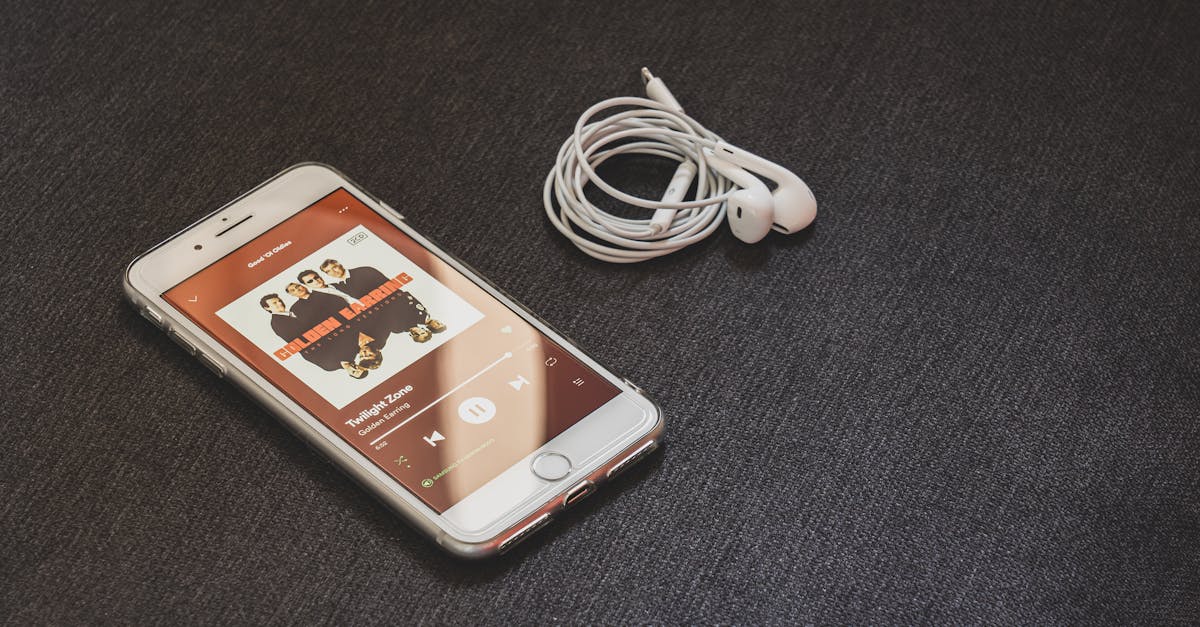
Most podcast app reviews stop at 'does it play episodes'. For anyone subscribed to thirty-plus shows, that's like reviewing a chef's knife on whether it cuts. The question that matters — once you're listening four, five, six hours a day — is whether the app respects the craft of what you're putting in your ears. Does it let silence stay silent? Does it preserve a host's pacing when you bump speed? Does it remember that you abandoned an episode at the eleven-minute mark for a reason?
We've spent the past month using six podcast apps as our daily driver, one per week, on the same iPhone and the same handful of Android devices, with the same forty-two-show subscription feed. What follows isn't a feature checklist scraped from product pages — it's a working listener's verdict on the apps that earn a permanent home on your home screen, and the ones that don't.
What we actually tested
Six dimensions, weighted toward what an engaged listener notices day-to-day rather than what marketing pages emphasise:
- Speed and silence handling — variable speed with pitch correction, and whether the app trims silence intelligently or hacks it to bits.
- Voice boost and dynamic range — for car listening, walking near traffic, and the increasingly common case of a producer who mixed for a studio rather than your earbuds.
- Chapter and transcript support — does the app surface chapter markers if a show ships them, and how well does it handle Apple's relatively new transcript spec?
- Queue, filter and playlist tooling — for anyone who curates listening rather than just hitting 'play next'.
- Cross-device sync — phone to web to car to tablet, including OPML export for the day you switch.
- Subscription and bonus-content support — increasingly load-bearing as networks like Wondery+, Pushkin+ and Patreon-driven feeds proliferate.
The headline comparison
| App | Smart speed / silence trim | Voice boost | Transcripts | Chapter support | OPML export | Premium feeds | Price (2026) |
|---|---|---|---|---|---|---|---|
| Pocket Casts | Yes (Trim Silence, three levels) | Yes | Yes (read & search) | Full | Yes | Most via private RSS | £0 / £36.99 yr Plus |
| Overcast | Yes (Smart Speed, adaptive) | Yes (Voice Boost 2) | Yes (read only) | Full | Yes | Most via private RSS | £0 / £9.99 yr Premium |
| Apple Podcasts | No silence trim; speed only | No | Yes (search & sync) | Full | Yes | Apple Podcasts Subs natively | £0 / from £0.79 mo per show |
| Spotify | Speed only (16 increments) | No | Patchy (English only, varies) | Limited | No | Spotify-exclusive only | £0 / £11.99 mo (Premium) |
| Castro | Yes (Enhance Voices) | Yes (Enhance Voices) | No | Full | Yes | Most via private RSS | £0 / £18.99 yr Plus |
| AntennaPod | Yes (skip silence) | No | No | Full | Yes | Most via private RSS | Free, open-source |
Five things to note before we dig in. Spotify is the only one that won't let you export an OPML — once you've built a list of subscriptions there, the platform owns it. Apple Podcasts still has no silence trim in 2026, which is genuinely bewildering given they shipped a transcript spec and per-show subscription billing in the same period. Castro doesn't have transcripts — a real loss given how thoughtful the rest of its design is. AntennaPod is the only app here that's free, open-source and free of telemetry, which matters more to some listeners than others. And only Apple bills natively for premium feeds; everyone else hands you a private RSS link and leaves you to do the plumbing.
Pocket Casts: the Swiss-army knife
Pocket Casts has become, almost by accident, the default app for serious listeners who don't want a particular ideology baked in. The Filters feature is the killer — saved smart playlists for, say, 'released this week, under 45 minutes, from networks A, B, C' — and the desktop and web players genuinely keep up with the mobile app rather than trailing it by two years. Trim Silence is solid, though noticeably less subtle than Overcast's Smart Speed: at the highest level you'll occasionally hear an interviewer's breath cut off mid-thought, which matters for the kind of host (Krista Tippett, Ezra Klein) whose pauses are part of the craft.
The transcript implementation is the best of the six. You can search across the full catalogue, scrub by tapping a line, and the rendering reflows correctly when you change text size — a tiny detail that betrays a team that actually ships.
Overcast: still the connoisseur's pick
Marco Arment's app remains the most opinionated of the bunch, and for a particular kind of listener that's exactly the appeal. Smart Speed is silently better than every competitor: it shaves what feels like an extra ten to fifteen per cent off most chat shows without ever sounding clipped, because it does its work inside silences rather than at their edges. Voice Boost 2 is, frankly, a piece of audio engineering wizardry. It makes a Wondery dialogue mix and a one-mic Zoom recording sound roughly equally listenable in a car, which no other app on this list pulls off.
Where Overcast falls short is sync surface. There's no proper Android client (web only), and the iPad version is essentially the iPhone version stretched. If you live entirely on Apple, this is the app. If you don't, you're making compromises every day.
Apple Podcasts: the safest, blandest option
Apple's own app does the basics correctly and almost nothing else. No silence trim. No voice boost. The queue is awkward to manage (no swipe-to-add from the inbox without two extra taps). The transcript feature, when it works, is excellent — sub-line-level search, sync to playback, and surprisingly good handling of British and Irish accents that have historically defeated automatic transcription.
Apple Podcasts is the only app on this list with a native subscription-billing layer, which matters if you subscribe to multiple shows on the platform: cancellation is one tap, payment lives in your Apple account, no per-show private feed to manage. That convenience alone explains why so many shows that previously lived on Patreon now run bonus feeds here.
Spotify: the platform problem
Spotify's reach is unmatched and its product decisions are the most consistently anti-listener of any app on this list. Speed adjusts in sixteen tiny increments — a UX puzzle that feels designed to mask the absence of silence trim. Transcripts exist for some shows, only in English, and only when the show's hosting agreement opts in. There's no OPML export, so your subscription set and listening history are effectively trapped — which becomes a real problem the day a favourite show goes Spotify-exclusive and you discover the app's discovery algorithm now serves you mostly that show's own back catalogue and three lookalikes.
Spotify is genuinely the best app for one specific behaviour: starting a podcast on a smart speaker and resuming it on your phone. For most other things it lags, sometimes badly.
Castro: the lapsed sweetheart
Castro's 'inbox' model — every new episode lands in a triage queue you actively curate — is the single most useful design decision in any of these apps for anyone with subscription guilt. You can keep three hundred shows on your feed without drowning, because you only ever see what you might actually play.
The Enhance Voices effect is excellent. The lack of transcripts, in 2026, is a real and growing problem. Tiny Wave (the team behind Castro) has been quiet for some time, and the app feels like a Swiss watch that's about a year overdue for service. We still recommend it — but with a caveat that anyone signing up should keep an eye on commit cadence.
AntennaPod: the open-source quiet hero
AntennaPod is what you reach for when you've grown allergic to telemetry. Android-only, free, open-source, and surprisingly capable: speed control, skip silence, OPML, automatic download rules, and a sync layer (gpodder, NextCloud) that lets you opt into synchronisation without trusting a vendor. It doesn't have voice boost or transcripts and the design is firmly utilitarian. But for a particular sort of listener — privacy-conscious, Android-resident, philosophically opposed to closed ecosystems — nothing else competes.
What none of them do well yet
After a month, our shared frustrations were strikingly consistent.
- Per-show silence profiles. The ability to learn which hosts you want trimmed (a chatty interviewer) versus preserved (a contemplative one) exists nowhere. Smart Speed is one global setting.
- Transcript search across your subscription set. You can search within an episode in three of these apps; you cannot ask any of them to 'find every episode in the past year where Patrick Radden Keefe is mentioned'.
- Structured listen-history export. No app on this list will hand you a JSON or CSV of what you played last March, though all of them store it. There's an obvious second-screen, recommender or personal-dashboard product waiting on top of that data.
- Bonus-feed unification. Eight private RSS links across Wondery+, Pushkin+, Patreon, Supporting Cast and Apple Subscriptions is the current reality of being a paying listener; no app yet treats them as a single managed inventory.
These are the obvious next-frontier features for any team that wants to build the app a serious listener will love.
The verdict
If you're on iPhone and you only listen to podcasts, Overcast, no contest. If you're cross-platform and want one app that holds up across phone, web, car and tablet, Pocket Casts is the safer choice. If you're an Android purist who values privacy, AntennaPod. If you mostly listen on smart speakers and don't care about silence trim, Spotify is fine. Castro is still the most beautiful inbox in podcasting; we hope it's still here in two years. Apple Podcasts is the option you fall back to when nothing else works, and the only one we wouldn't actively recommend over its rivals.
The app shapes the listening. Pick one that respects the craft of what you're putting in your ears.