
The Book Review
612 episodes — Page 1 of 13
Book Club: Let’s Talk About ‘Etna,’ by Paul Yoon
John Green Knows a True Hollywood Ending is Complicated
The Best Books of the 21st Century: Taffy Brodesser-Akner on ‘The Corrections’
It’s Time for a Big Ol’ Fall Book Preview
Book Club: Let’s Talk About ‘London Falling’
Why We Can’t Resist a Great Bookstore
This Reporter Can Tell Us What Nuclear Apocalypse Looks Like (Encore)
Let’s Talk About the 50 Best Thrillers of the 21st Century
Book Club: Let’s Talk About ‘John of John’
Let’s Talk About the Best Books of the Year (So Far)
Sophie Elmhirst on the True Story of a Shipwrecked Couple
This Author Says You Shouldn’t Be Intimidated by ‘The Odyssey’
Jill Lepore on What to Read This Fourth of July
Book Club: Let's Talk About 'Yesteryear,' by Caro Claire Burke
Art, Outrage and How the Culture Wars Began
The Best Books of the 21st Century: Ryan Holiday on ‘The Road’
A Summer Book Recommendation Bonanza
Book Club: Let's Talk About 'Transcription,' by Ben Lerner
The Ezra Klein Show: Michael Pollan’s Journey to the Borderlands of Consciousness
Matt Haig on ‘The Midnight Library,’ Mental Illness and Winnie-the-Pooh
Patricia Cornwell on Her Dark Childhood and Best-Selling Novels
‘The Book Review’ Podcast Turns 20
Book Club: Let's Talk About 'The Renovation,' by Kenan Orhan
The Time Loop Book Series You Should Be Reading
Patrick Radden Keefe on the Mystery at the Center of ‘London Falling’
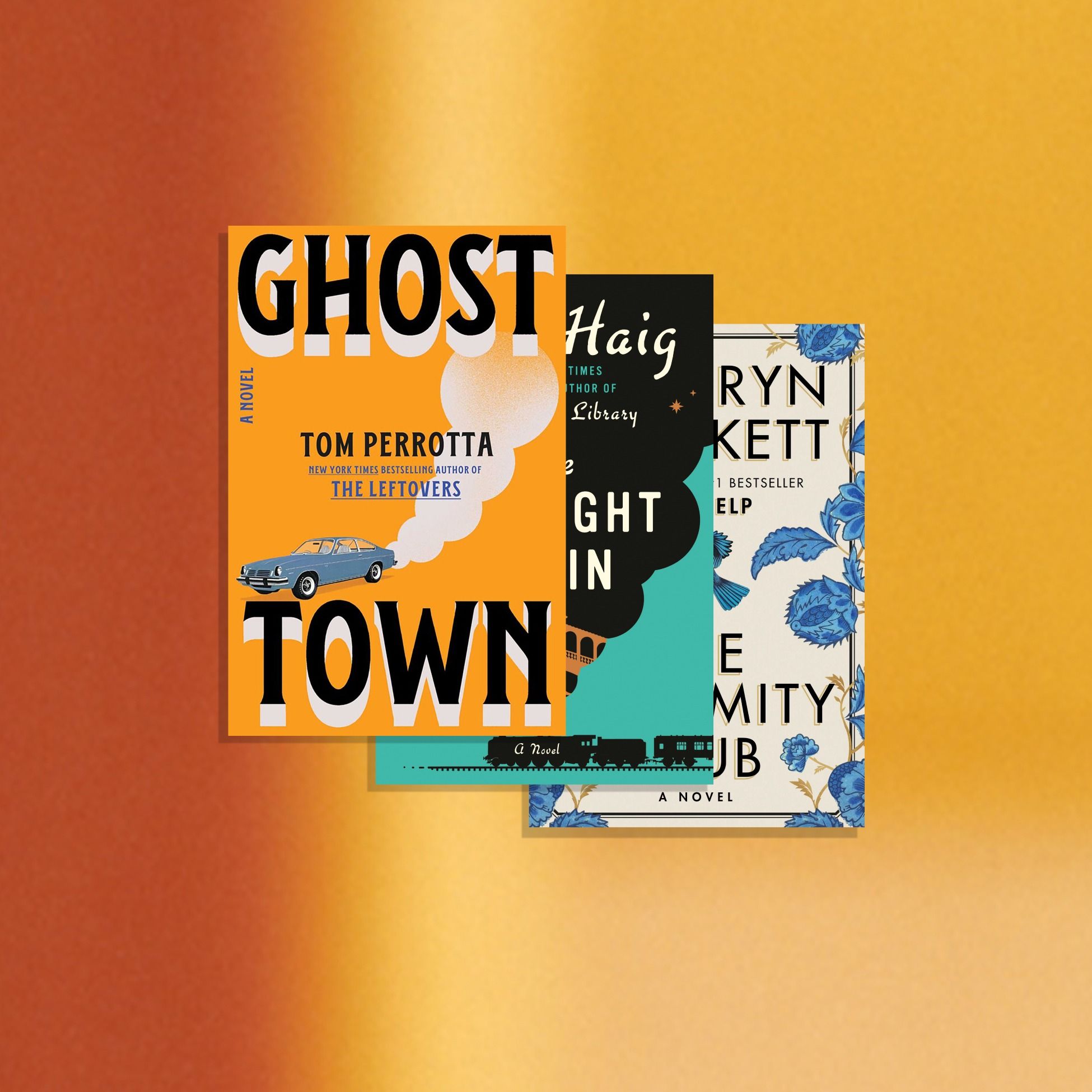
23 Books We Are Looking Forward to This Spring
We have made it to April. We survived the snowstorms and the cold, and now that the days are getting longer, there’s more time to read. So this week, if you are looking for some books to tide you over until summer, our Book Review editors Gilbert Cruz and Joumana Khatib have got you covered. Also on this week’s episode, the former United States poet laureate Ada Limón joins us to talk about her new book, “Against Breaking: On the Power of Poetry.” And she reads two of her poems. Books discussed on this episode: “Transcription,” by Ben Lerner “This Land Is Your Land,” by Beverly Gage “The Witch,” by Marie NDiaye “London Falling,” by Patrick Radden Keefe “Prophecy,” by Carissa Véliz “Ghost Town,” by Tom Perrotta “From Life Itself,” by Suzy Hansen “The Calamity Club,” by Kathryn Stockett “Dog Days,” by Emily LaBarge “The Midnight Train,” by Matt Haig “The Land and Its People,” by David Sedaris “On the Calculation of Volume (Book 4),” by Solvej Balle “Famesick,” by Lena Dunham “The Sane One,” by Anna Konkle “On Witness and Respair,” by Jesmyn Ward “John of John,” by Douglas Stuart “The Things We Never Say,” by Elizabeth Strout “Yesteryear,” by Caro Claire Burke “Arsenio,” by Arsenio Hall “Five Weeks in the Country,” by Francine Prose “The Ending Writes Itself,” by Evelyn Clark (V.E. Schwab and Cat Clark) “Go Gentle,” by Maria Semple “True Crime,” by Patricia Cornwell “Against Breaking,” by Ada Limón Listen to and Follow ‘The Book Review’ Apple Podcasts | Spotify | Amazon Music | YouTube | iHeartRadio Unlock full access to New York Times podcasts and explore everything from politics to pop culture. Subscribe today at nytimes.com/podcasts or on Apple Podcasts and Spotify. We Want to Hear From You We would love to hear your thoughts about this episode, and about the Book Review’s podcast in general. You can send them to [email protected]. Credits “The Book Review Podcast” is hosted by Gilbert Cruz and produced by Amy Pearl and Sarah Diamond. The show is edited by Larissa Anderson and mixed by Pedro Rosado. Special thanks to MJ Franklin, Dahlia Haddad and Brooke Minters. Illustration by The New York Times; Inset photos: Scribner; Viking; Spiegel & Grau Subscribe today at nytimes.com/podcasts or on Apple Podcasts and Spotify. You can also subscribe via your favorite podcast app here https://www.nytimes.com/activate-access/audio?source=podcatcher. For more podcasts and narrated articles, download The New York Times app at nytimes.com/app. Hosted by Simplecast, an AdsWizz company. See pcm.adswizz.com for information about our collection and use of personal data for advertising.
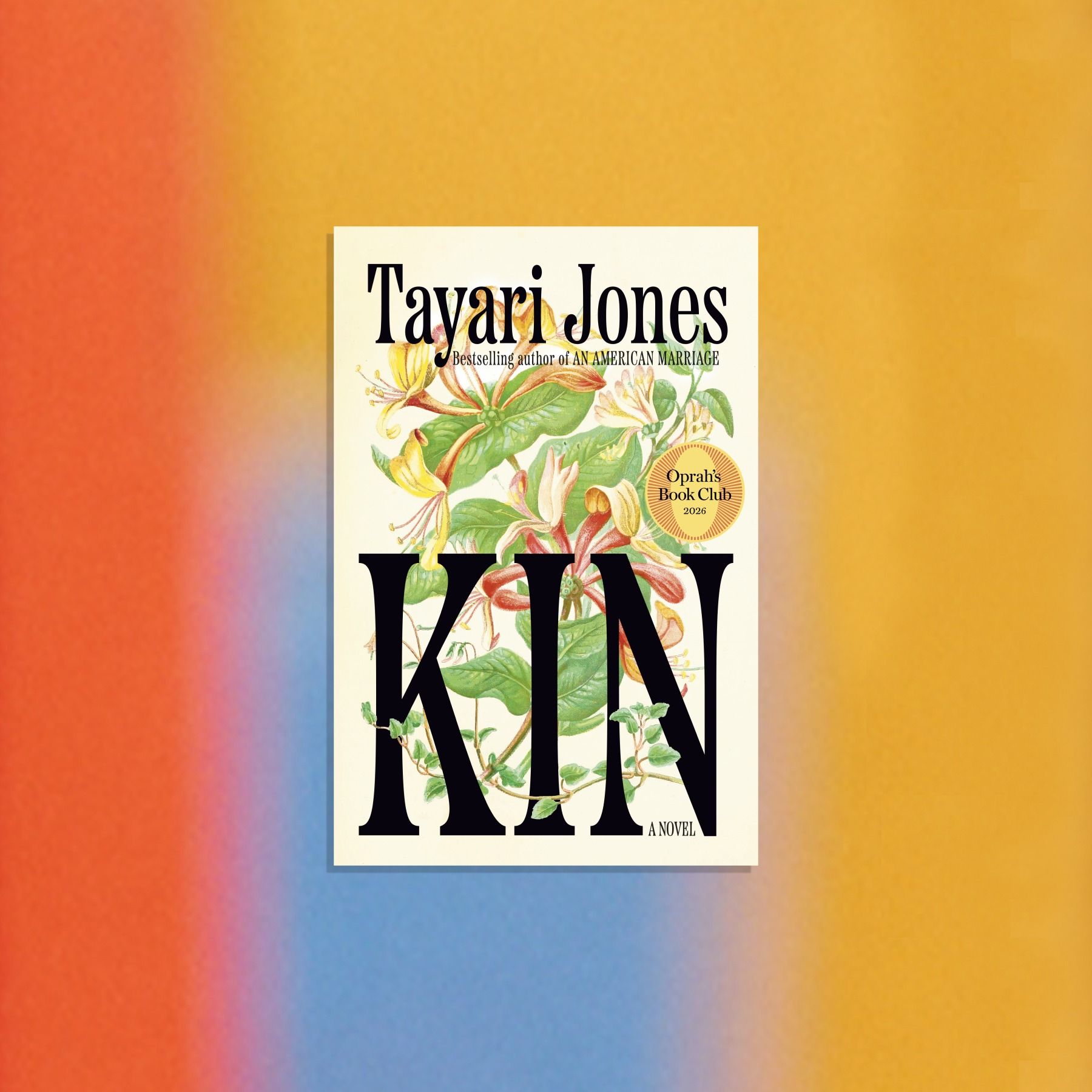
Ep 519Book Club: Let's Talk About 'Kin,' by Tayari Jones
Tayari Jones’s new novel, “Kin,” follows two orphaned girls, Annie and Niecy, who grow up together in Louisiana in the 1950s. Annie was abandoned as a baby when her mother ran away to Memphis, while Niecy was orphaned when her father murdered her mother. The girls grow up under the shadow of loss, but at the very least they have each other, two “cradle friends” so close they’re practically sisters. After high school, though, they take different paths: Niecy sets out for Spelman College to try to make a name for herself, while Annie flees to Memphis to seek the mother she never knew. Along the way, each must confront major questions about love and family, including what sacrifices are acceptable to achieve them. On this week’s episode, host MJ Franklin talks about “Kin” with his colleagues Lauren Christensen and Elisabeth Egan. Other books mentioned in this episode: “An American Marriage,” “The Untelling” and “Silver Sparrow,” by Tayari Jones “Clutch,” by Emily Nemens “This Is Not About Us,” by Allegra Goodman “Lonely Crowds,” by Stephanie Wambugu “The Vanishing Half,” by Brit Bennett “The Love Songs of W.E.B. Du Bois,” by Honorée Fanonne Jeffers “Sula,” by Toni Morrison “Beaches,” by Iris R. Dart “Who Will Run the Frog Hospital?,” by Lorrie Moore “Cat’s Eye,” by Margaret Atwood “The Calamity Club,” by Kathryn Stockett “South to America,” by Imani Perry “Witness and Respair,” by Jesmyn Ward Subscribe today at nytimes.com/podcasts or on Apple Podcasts and Spotify. You can also subscribe via your favorite podcast app here https://www.nytimes.com/activate-access/audio?source=podcatcher. For more podcasts and narrated articles, download The New York Times app at nytimes.com/app. Hosted by Simplecast, an AdsWizz company. See pcm.adswizz.com for information about our collection and use of personal data for advertising.
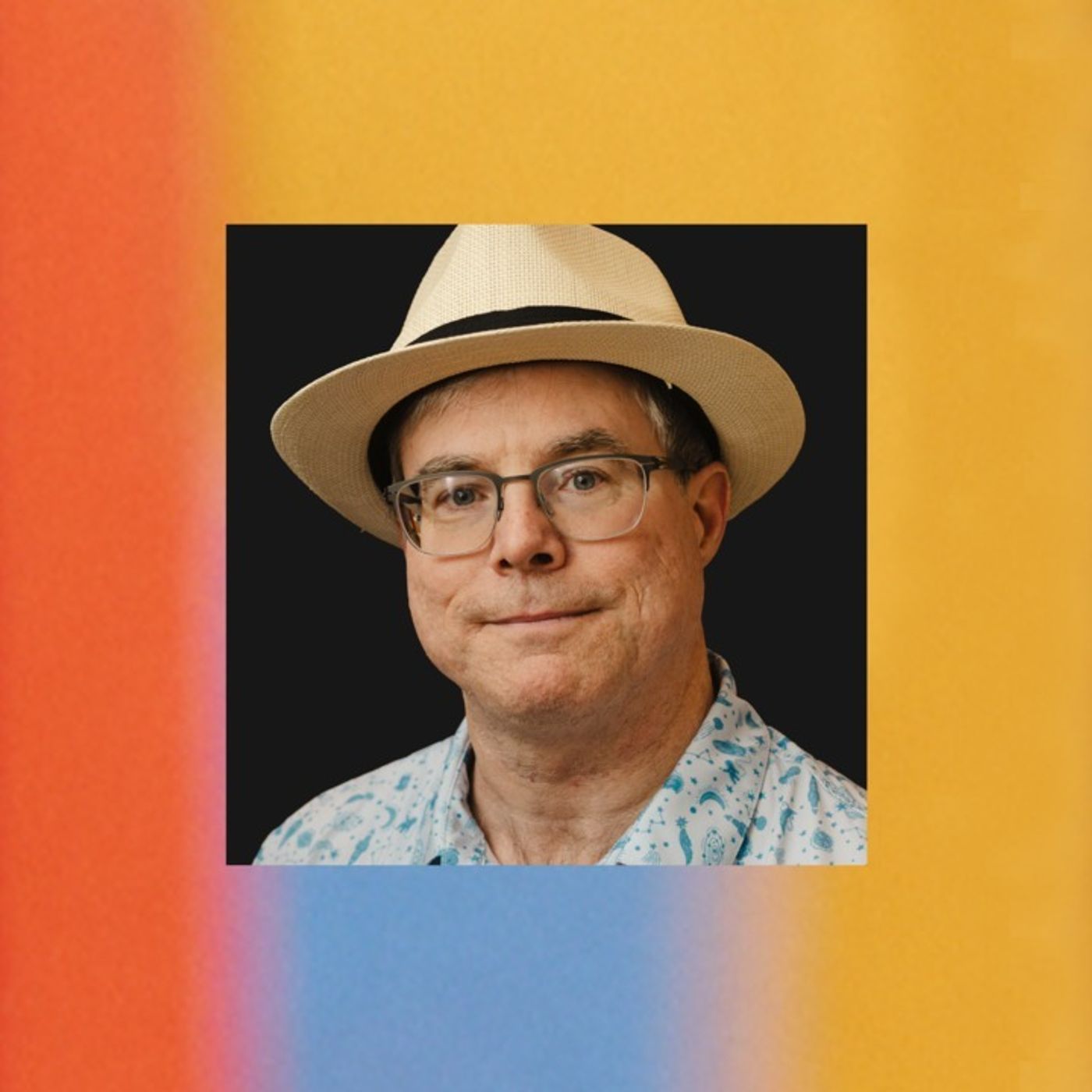
Ep 518Andy Weir on Writing the Hit Book Behind the Movie ‘Project Hail Mary’
Andy Weir’s first time at the Hollywood rodeo was a singular trip. His debut novel, “The Martian,” went from self-published project to blockbuster, best picture-nominated film starring Matt Damon. His most recent book, “Project Hail Mary,” was also a sensation, and its adaptation, starring Ryan Gosling as a middle school science teacher tasked with saving humanity from slow extinction, charts warmly familiar territory: a lone man, stuck in space far from Earth, solving science problem after science problem with many a humorous aside. Weir joined the Book Review’s podcast and spoke to the host, Gilbert Cruz, about the similarities and differences between Mark Watney and Ryland Grace (the main characters of “The Martian” and “Project Hail Mary”), his second novel, “Artemis,” and the alien character that readers have fallen in love with. We would love to hear your thoughts about this episode, and about the Book Review’s podcast in general. You can send them to [email protected]. “The Book Review Podcast” is hosted by Gilbert Cruz and produced by Sarah Diamond and Amy Pearl. The show is edited by Larissa Anderson and mixed by Pedro Rosado. Special thanks to MJ Franklin, Dahlia Haddad, and Paula Szuchman. Illustration by The New York Times; Photo: Taylor Glascock for The New York Times Subscribe today at nytimes.com/podcasts or on Apple Podcasts and Spotify. You can also subscribe via your favorite podcast app here https://www.nytimes.com/activate-access/audio?source=podcatcher. For more podcasts and narrated articles, download The New York Times app at nytimes.com/app. Hosted by Simplecast, an AdsWizz company. See pcm.adswizz.com for information about our collection and use of personal data for advertising.
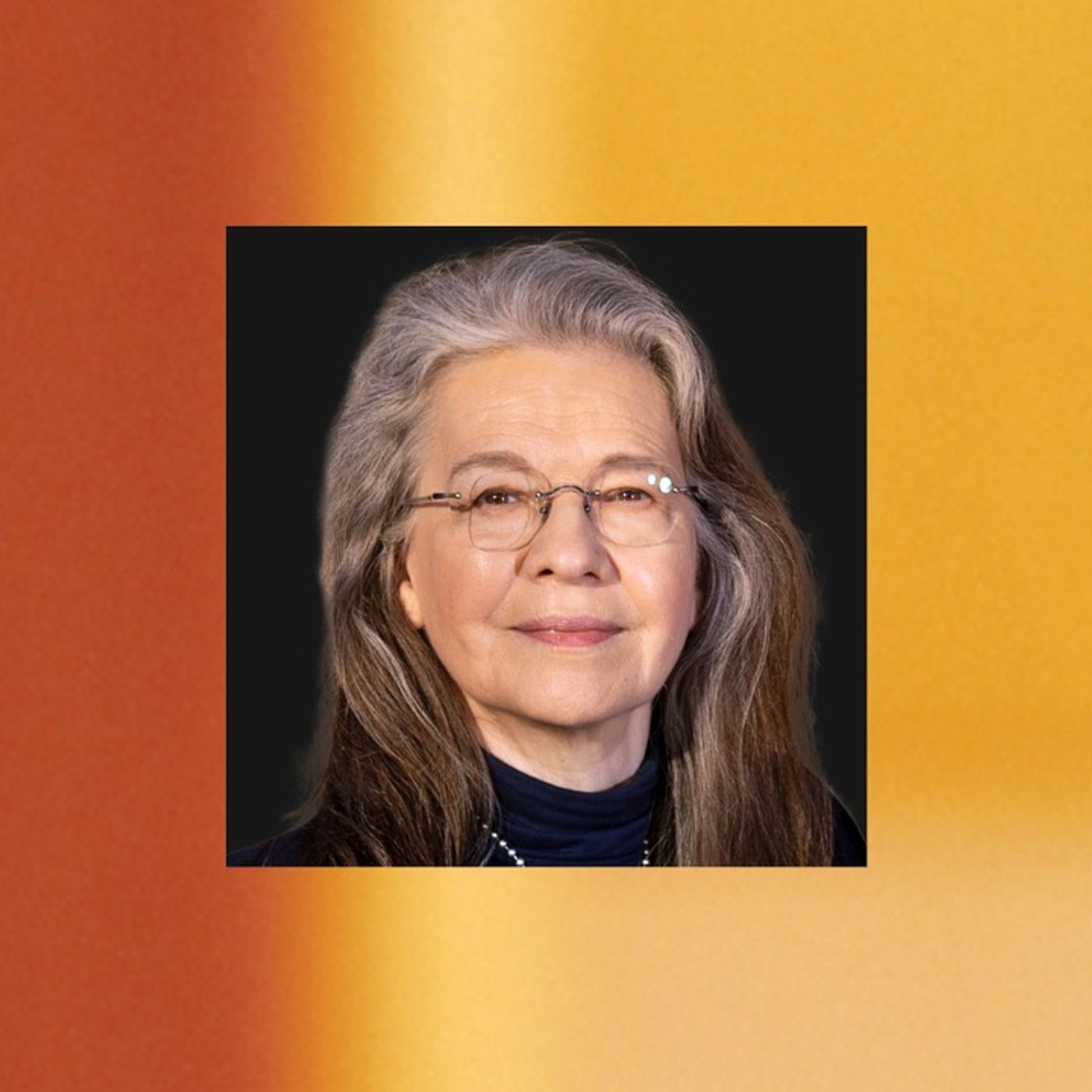
Louise Erdrich on Her New Story Collection and the Mystery of Writing
Since the publication of her first novel, “Love Medicine,” in 1984, Louise Erdrich has written fiction, nonfiction, poetry and children’s books. Her work has earned multiple awards, including the National Book Award (“The Round House”) and the Pulitzer Prize (“The Night Watchman”). On this week’s episode, Erdrich talks with Gilbert Cruz, the editor of The New York Times Book Review, about her new short story collection, “Python’s Kiss.” She reflects on some of the formative experiences that shaped her as a writer, including watching “Planet of the Apes” and growing up in North Dakota, a state that housed hundreds of intercontinental ballistic missiles. She says that writing has been her “only real way of processing” her experiences and that her creative process is full of mystery. “There’s really no way to control everything that happens in a piece of art. Some of these stories — I wasn’t sure that I had written it,” she said, adding: “And yet, obviously, it was in my handwriting.” Plus, Erdrich recommends the one book that always puts her to sleep. Books discussed on this episode: “Animal Farm,” by George Orwell “Brawler,” by Lauren Groff “Winter in the Blood,” by James Welch “The Pillow Book,” by Sei Shōnagon “The Death of the Heart,” by Elizabeth Bowen “Save Me, Stranger,” by Erika Krouse “The Bluest Eye,” by Toni Morrison “Austerlitz,” by W.G. Sebald “The Rings of Saturn,” by W.G. Sebald “Whistler,” by Ann Patchett “Make the Golf Course a Public Sex Forest,” published by Maitland Systems Engineering Illustration by The New York Times; Photo: Jenn Ackerman for The New York Times Subscribe today at nytimes.com/podcasts or on Apple Podcasts and Spotify. You can also subscribe via your favorite podcast app here https://www.nytimes.com/activate-access/audio?source=podcatcher. For more podcasts and narrated articles, download The New York Times app at nytimes.com/app. Hosted by Simplecast, an AdsWizz company. See pcm.adswizz.com for information about our collection and use of personal data for advertising.
The Avett Brothers’ Bassist on Writing a John Quincy Adams Book
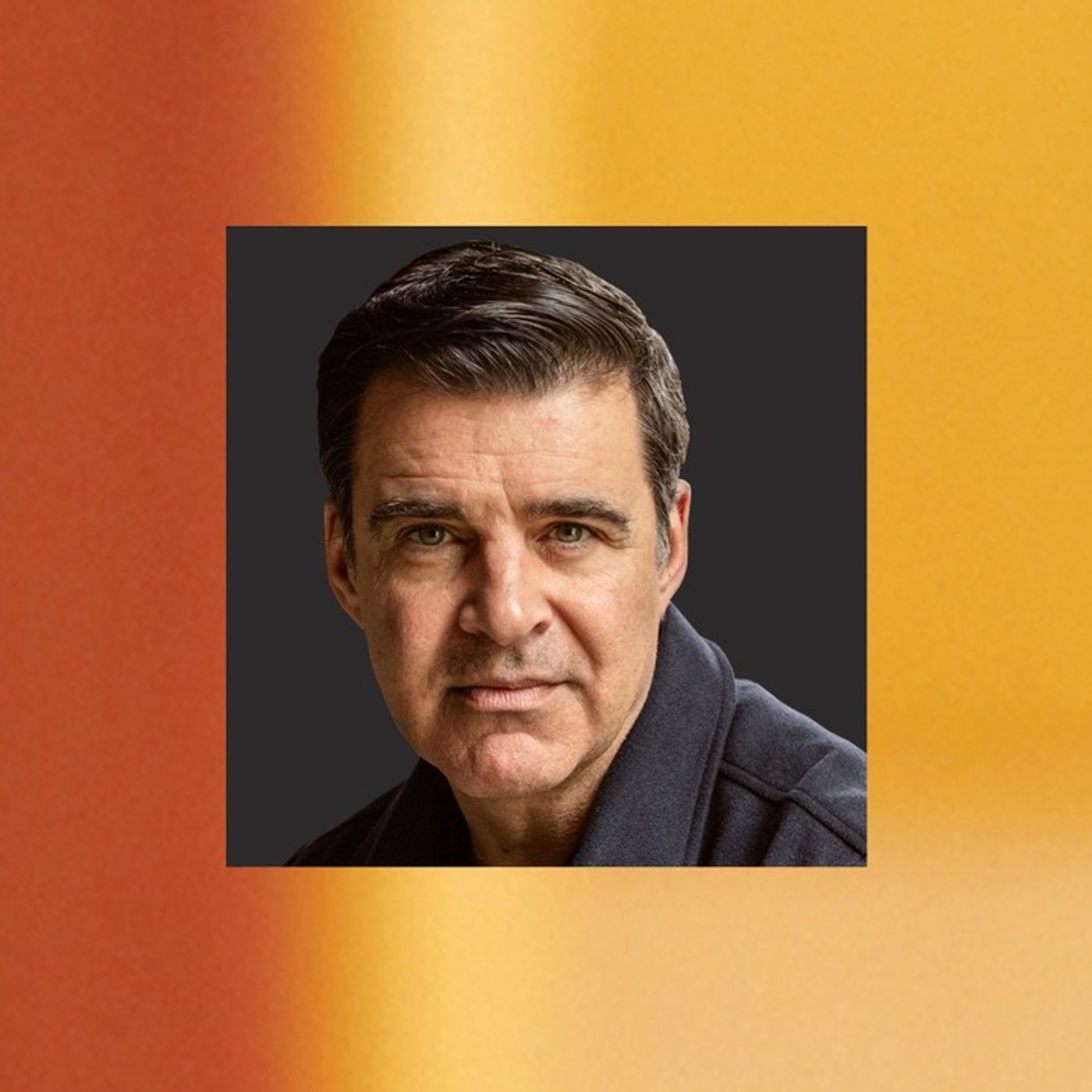
For more than two decades, Bob Crawford has toured the country as the bassist for the Avett Brothers. But long before he began his career as a musician, he was obsessed with American history. After turning that obsession into two podcasts, he has now written his first book, “America’s Founding Son: John Quincy Adams, From President to Political Maverick.” On this week’s episode, Crawford talks with Gilbert Cruz, the editor of The New York Times Book Review, about what it was like writing a book for the first time and the authors who have inspired him. In addition to discussing what he loves about John Quincy Adams, the country’s sixth president and the son of John Adams, Crawford also talks about the research he did for the book. That included scouring Adams’s 14,000-page diary. “He’s not a perfect man — he’s far from perfect,” Crawford said of Adams. “But he’s so human. He’s suffered depression, and just the humanness in his diary, not to mention the actual historical narrative, is just incredible.” Illustration by The New York Times; Photo: Jenn Ackerman for The New York Times Subscribe today at nytimes.com/podcasts or on Apple Podcasts and Spotify. You can also subscribe via your favorite podcast app here https://www.nytimes.com/activate-access/audio?source=podcatcher. For more podcasts and narrated articles, download The New York Times app at nytimes.com/app. Hosted by Simplecast, an AdsWizz company. See pcm.adswizz.com for information about our collection and use of personal data for advertising.
Book Club: Let's Talk About 'Wuthering Heights,' by Emily Brontë
Emily Brontë’s “Wuthering Heights” is a tale of star-crossed lovers: Catherine, the wild daughter of an aristocratic family, and Heathcliff, an orphan whom Catherine’s father brings home unexpectedly. While Catherine’s brother and mother denigrate Heathcliff, depriving him of an education and forcing him into a servant-like role, Catherine forms an intense, almost spiritual bond with her family’s new charge. Despite their deep connection, however, she marries the scion of a nearby wealthy family — a decision that leaves Catherine yearning, Heathcliff bent on revenge and everybody in their orbit on a path to calamity. Brontë’s classic has long been a favorite among readers, and the novel is back in the zeitgeist thanks to Emerald Fennell’s recent film adaptation. On this week’s episode, host MJ Franklin discusses “Wuthering Heights” with colleagues from the New York Times Book Review. Other works discussed: “Wuthering Heights,” the song by Kate Bush “Twilight,” by Stephenie Meyer “But Daddy I Love Him,” by Taylor Swift “Wuthering Heights,” the 2026 film directed by Emerald Fennell “The Safekeep,” by Yael van der Wouden “Mexican Gothic,” by Silvia Moreno-Garcia The “Wuthering Heights” comics in Kate Beaton’s “Hark! A Vagrant” series “Villette,” by Charlotte Brontë “Rebecca,” by Daphne du Maurier “The Idiot,” by Elif Batuman “The Great Gatsby,” by F. Scott Fitzgerald “The Count of Monte Cristo,” by Alexandre Dumas Subscribe today at nytimes.com/podcasts or on Apple Podcasts and Spotify. You can also subscribe via your favorite podcast app here https://www.nytimes.com/activate-access/audio?source=podcatcher. For more podcasts and narrated articles, download The New York Times app at nytimes.com/app. Hosted by Simplecast, an AdsWizz company. See pcm.adswizz.com for information about our collection and use of personal data for advertising.
Ep 517Director Clint Bentley on Adapting ‘Train Dreams’ for the Big Screen
The latest film from the writer and director Clint Bentley, “Train Dreams,” is nominated for four Oscars, including best adapted screenplay. The movie is based on Denis Johnson’s 2011 novella of the same name and tells the story of Robert Grainier, a logger in the Pacific Northwest, in stream-of-consciousness, nonlinear prose. This week, Gilbert Cruz talks with Bentley, who wrote the screenplay with Greg Kwedar, his longtime collaborator, about how he went about translating Johnson’s work into a visual medium. Bentley first read “Train Dreams” just after college, long before he ever thought of making it into a movie. When producers with rights to the book approached Bentley, he was suddenly worried. “Going back and reading the book again,” Bentley said, “I was like, Oh, maybe this thing is unadaptable.” Set on capturing the spirit of the book, Bentley and Kwedar focused on “the vastness of this small little life,” he said. “We very rarely have an understanding of our lives in the moment we’re actually living them,” Bentley said. “We only start to understand them when it’s too late.” Subscribe today at nytimes.com/podcasts or on Apple Podcasts and Spotify. You can also subscribe via your favorite podcast app here https://www.nytimes.com/activate-access/audio?source=podcatcher. For more podcasts and narrated articles, download The New York Times app at nytimes.com/app. Hosted by Simplecast, an AdsWizz company. See pcm.adswizz.com for information about our collection and use of personal data for advertising.
Guillermo del Toro on Writing and Directing the Oscar-Nominated ‘Frankenstein’
For decades, the director Guillermo del Toro has built a career blending the grotesque and the beautiful in films like “Pan’s Labyrinth,” “The Shape of Water” and “Pinocchio.” Now he’s earned his latest Academy Award nomination for his adaptation of “Frankenstein,” Mary Shelley’s classic novel. On this week’s episode, he talks with the host Gilbert Cruz about discovering the book as a lonely child, how it shaped his worldview and why this screenplay is the one he’s proudest of. “I always felt the creature is me,” del Toro said of the first time he read the book. “I felt so alone at age 11, and so full of love to give and so full of rage to dispose of. It was a very complicated emotional scope for somebody that young.” Subscribe today at nytimes.com/podcasts or on Apple Podcasts and Spotify. You can also subscribe via your favorite podcast app here https://www.nytimes.com/activate-access/audio?source=podcatcher. For more podcasts and narrated articles, download The New York Times app at nytimes.com/app. Hosted by Simplecast, an AdsWizz company. See pcm.adswizz.com for information about our collection and use of personal data for advertising.
Julia Quinn on Her 'Bridgerton' Books and the Smash Netflix Series
Julia Quinn published "The Duke and I," the first book in the 'Bridgerton' series, in 2000. Seven books and a quarter century later, its adaptation remains one of the biggest series ever to air on Netflix. Quinn spoke to host Gilbert Cruz about the show, her books and why the heck that family has so many children."I don't even remember why I made eight kids," said Quinn. "I just, I wanted her to have a big family and somehow that's how many kids there were. And if I had planned on eight, I would've plotted things out better. There were a number of places where I really wrote myself into a corner." Subscribe today at nytimes.com/podcasts or on Apple Podcasts and Spotify. You can also subscribe via your favorite podcast app here https://www.nytimes.com/activate-access/audio?source=podcatcher. For more podcasts and narrated articles, download The New York Times app at nytimes.com/app. Hosted by Simplecast, an AdsWizz company. See pcm.adswizz.com for information about our collection and use of personal data for advertising.
How Nintendo Became the World's Most Fun Video Game Company
Keza MacDonald, the video games editor at The Guardian and author of the new book “Super Nintendo: The Game-Changing Company That Unlocked the Power of Play,” chose to write her first book about Nintendo because it has been so central for so long to the culture of games. “It was the company that got me into video games,” she says. “I know that’s the same story that millions of other people have had as well." She speaks with host Gilbert Cruz about the iconic Japanese company as well as how the perception of gaming has changed over the decades. Subscribe today at nytimes.com/podcasts or on Apple Podcasts and Spotify. You can also subscribe via your favorite podcast app here https://www.nytimes.com/activate-access/audio?source=podcatcher. For more podcasts and narrated articles, download The New York Times app at nytimes.com/app. Hosted by Simplecast, an AdsWizz company. See pcm.adswizz.com for information about our collection and use of personal data for advertising.
Book Club: Let's Talk About 'The Hounding' by Xenobe Purvis
Xenobe Purvis’s slim but powerful debut novel, “The Hounding,” opens with a jolt: “The girls, the infernal heat, a fresh-dead body. Marching up the river path, the villagers.”How did we get here, with five young sisters living in 1700s England being hunted by an angry mob that suspects them not only of murder but also of the demonic ability to transform themselves into a pack of wild dogs? That is the tale “The Hounding” unfolds, in a gothic parable about male ego, cultural misogyny and the dangers of gossip run amok.On this week’s episode, host MJ Franklin discusses “The Hounding” with his fellow Book Review editors Joumana Khatib, Emily Eakin and Gregory Cowles.Other books and works mentioned in this podcast:“The Lottery,” by Shirley Jackson“The Sound of Music,” directed by Robert Wise“The Testament of Yves Gundron,” by Emily Barton“The Scarlet Letter,” by Nathaniel Hawthorne“Everyone Knows Your Mother Is a Witch,” by Rivka Galchen“Delicate Edible Birds,” by Lauren Groff“Paradise,” by Toni MorrisonThe podcast “Normal Gossip”“You Didn’t Hear This From Me,” by Kelsey McKinney Subscribe today at nytimes.com/podcasts or on Apple Podcasts and Spotify. You can also subscribe via your favorite podcast app here https://www.nytimes.com/activate-access/audio?source=podcatcher. For more podcasts and narrated articles, download The New York Times app at nytimes.com/app. Hosted by Simplecast, an AdsWizz company. See pcm.adswizz.com for information about our collection and use of personal data for advertising.
Chuck Klosterman Has So Much to Say About Football
The journalist, novelist and cultural critic Chuck Klosterman is best known for writing about rock music and pop culture in astute essay collections like “The Nineties,” “X” and “Sex, Drugs and Cocoa Puffs.” But Klosterman got his start in college as a sports journalist, and with his new book, “Football,” he has finally devoted an entire collection to the sport that has fundamentally shaped him alongside American society at large.“I’ve unconsciously been thinking about football for most of my life,” Klosterman tells host Gilbert Cruz on this week’s episode. “I decided at some point, I do want to write a book about sports. You know, I’d always mentioned sports here and there in the culture writing I had done, or the kind of conventional pop culture writing I’d done, but I wanted to do a real sports book. And initially my idea was it would be about basketball — but over time it became very clear to me it had to be about football, for a variety of reasons. … It seemed as though if you’re going to do a sports book, particularly as it relates to society, there is only one choice in the United States.” Subscribe today at nytimes.com/podcasts or on Apple Podcasts and Spotify. You can also subscribe via your favorite podcast app here https://www.nytimes.com/activate-access/audio?source=podcatcher. For more podcasts and narrated articles, download The New York Times app at nytimes.com/app. Hosted by Simplecast, an AdsWizz company. See pcm.adswizz.com for information about our collection and use of personal data for advertising.
The Books We're Excited About in Early 2026
A new year means new books are on the way! So many new books. On this week’s episode, host Gilbert Cruz talks with fellow Book Review editors Joumana Khatib and MJ Franklin about the upcoming fiction and nonfiction titles they’re most anticipating between now and April.Here are the books discussed in this week’s episode:“Vigil,” by George Saunders“Where the Serpent Lives,” by Daniyal Mueenuddin“Fear and Fury: The Reagan Eighties, the Bernie Goetz Shootings and the Rebirth of White Rage,” by Heather Ann Thompson“Five Bullets,” by Elliot Williams“Lost Lambs,” by Madeline Cash”Half His Age,” by Jennette McCurdy“A World Appears: A Journey Into Consciousness,” by Michael Pollan“On Morrison,” by Namwali Serpell“Language as Liberation: Reflections on the American Canon,” by Toni Morrison“Clutch,” by Emily Nemens“Murder Bimbo,” by Rebecca Novack“Kin,” by Tayari Jones“Cave Mountain: A Disappearance and a Reckoning in the Ozarks,” by Benjamin Hale“Lake Effect,” by Cynthia D’Aprix Sweeney“Now I Surrender,” by Alvaro Enrigue“The Keeper,” by Tana French Subscribe today at nytimes.com/podcasts or on Apple Podcasts and Spotify. You can also subscribe via your favorite podcast app here https://www.nytimes.com/activate-access/audio?source=podcatcher. For more podcasts and narrated articles, download The New York Times app at nytimes.com/app. Hosted by Simplecast, an AdsWizz company. See pcm.adswizz.com for information about our collection and use of personal data for advertising.
'The Correspondent' Author Virginia Evans On Her Breakout Year
Virginia Evans’s debut novel, “The Correspondent,” was published last April and became one of the publishing industry’s heartwarming champions of 2025: a slow-burn success story that gathered momentum over the summer and fall and finally topped the New York Times hardcover best-seller list in December. For Evans, who had written and failed to sell seven previous novels, the book’s popularity has felt magical, as she explains to host Gilbert Cruz on this week’s podcast.“I went on a kind of a brief book tour in the fall, meeting hundreds of people,” Evans says, “and … different bookstores were starting to say, this is becoming a thing, we can’t keep it in the store. We keep running out of stock. And then they were going back, reprint after reprint. So then I started to think, oh, it’s getting bigger. But I think, I just didn’t have a context. I still don’t understand publishing. So I thought every step of the way was the mountaintop. I keep getting a new mountaintop.” Subscribe today at nytimes.com/podcasts or on Apple Podcasts and Spotify. You can also subscribe via your favorite podcast app here https://www.nytimes.com/activate-access/audio?source=podcatcher. For more podcasts and narrated articles, download The New York Times app at nytimes.com/app. Hosted by Simplecast, an AdsWizz company. See pcm.adswizz.com for information about our collection and use of personal data for advertising.
Book Club: Let’s Talk About ‘What We Can Know’
Ian McEwan’s latest novel, “What We Can Know,” is many things at once: It’s a science fiction imagining of a future world devastated by climate catastrophe; it’s a literary mystery about a scholar’s search for a long-lost poem; it’s a deep dive into complicated marriages; and it’s a meditation on how the past lingers and how history morphs with time.“It’s the best thing McEwan has written in ages,” our critic Dwight Garner wrote in his review. “It’s a sophisticated entertainment of a high order.”In this episode of the Book Review Book Club, the host MJ Franklin discusses “What We Can Know” with his colleagues Sarah Lyall (who profiled McEwan for the Book Review this year) and Leah Greenblatt. You can follow along, and add your own comments to the discussion here.Other Books mentioned in this discussion:“Atonement,” “Saturday,” “On Chesil Beach,” “The Comfort of Strangers,” “The Cement Garden” and “Enduring Love,” by Ian McEwan“Fleishman Is in Trouble,” by Taffy Brodesser-Akner“Fates and Furies,” by Lauren Groff“Marston Meadows: A Corona for Prue,” by John Fuller“How the Word Is Passed,” by Clint Smith“The Stranger’s Child,” “The Line of Beauty” and “Our Evenings,” by Alan HollinghurstWe would love to hear your thoughts about this episode, and about the Book Review’s podcast in general. You can send them to [email protected]. Subscribe today at nytimes.com/podcasts or on Apple Podcasts and Spotify. You can also subscribe via your favorite podcast app here https://www.nytimes.com/activate-access/audio?source=podcatcher. For more podcasts and narrated articles, download The New York Times app at nytimes.com/app. Hosted by Simplecast, an AdsWizz company. See pcm.adswizz.com for information about our collection and use of personal data for advertising.
What Did 2025 Mean for Books?
From political tell-alls to the continued triumph of romantasy novels, it’s been an eventful year in the publishing world. On this week’s episode, host MJ Franklin talks with his Book Review colleagues Alexandra Alter, Tina Jordan and John Maher about the biggest book stories and most significant reading trends of 2025.Correction: An earlier version of this podcast referred incorrectly to an arts grant from the Mellon Foundation. The $50 million initiative, launched by Mellon, is a collaborative effort with six other foundations and is intended to support nonprofit literary organizations across a range of genres and forms; it is not solely intended to support poetry. Subscribe today at nytimes.com/podcasts or on Apple Podcasts and Spotify. You can also subscribe via your favorite podcast app here https://www.nytimes.com/activate-access/audio?source=podcatcher. For more podcasts and narrated articles, download The New York Times app at nytimes.com/app. Hosted by Simplecast, an AdsWizz company. See pcm.adswizz.com for information about our collection and use of personal data for advertising.
Our Book Critics on Their 2025 in Reading
Here we are in mid-December, which means that along with all of the other year-end lists we produce and avidly consume at this time each year, The New York Times Book Review's staff critics are also looking back on everything they read in 2025, and toasting the books that have stayed with them.On this episode, host Gilbert Cruz talks with Dwight Garner, Alexandra Jacobs and Jennifer Szalai about their standout fiction and nonfiction of the past 12 months.Books mentioned:"What We Can Know," by Ian McEwan"Flesh," by David Szalay"The Loneliness of Sonia and Sunny," by Kiran Desai"Playworld," by Adam Ross"When the Going Was Good," by Graydon Carter"I Regret Almost Everything," by Keith McNally"When All the Men Wore Hats," by Susan Cheever"Notes to John," by Joan Didion"A Flower Traveled in My Blood," by Haley Cohen Gilliland"38 Londres Street," by Philippe Sands"Wild Thing," by Sue Prideaux"Crumb: A Cartoonist's Life," by Dan Nadel"Class Clown," by Dave Barry"Electric Spark: The Enigma of Dame Muriel," by Frances Wilson"Flagrant, Self-Destructive Gestures: A Biography of Denis Johnson," by Ted Geltner"Shadow Ticket," by Thomas Pynchon"Selected Letters of John Updike," edited by James Schiff"Troublemaker: The Fierce, Unruly Life of Jessica Mitford," by Carla Kaplan"More Everything Forever, AI Overlords, Space Empires, and Silicon Valley's Crusade to Control the Fate of Humanity," by Adam Becker Subscribe today at nytimes.com/podcasts or on Apple Podcasts and Spotify. You can also subscribe via your favorite podcast app here https://www.nytimes.com/activate-access/audio?source=podcatcher. For more podcasts and narrated articles, download The New York Times app at nytimes.com/app. Hosted by Simplecast, an AdsWizz company. See pcm.adswizz.com for information about our collection and use of personal data for advertising.

The 10 Best Books of 2025
All year long, the staff of The New York Times Book Review conducts a running discussion over what belongs on its year-end Top 10 list. In this week’s episode, host Gilbert Cruz gathers a group of fellow Book Review editors to talk about the most exciting fiction and nonfiction of the year. Here are the books discussed in this week’s episode:Fiction“The Loneliness of Sonia and Sunny,” by Kiran Desai“Angel Down,” by Daniel Kraus“The Sisters,” by Jonas Hassen Khemiri“The Director,” by Daniel Kehlmann“Stone Yard Devotional,” by Charlotte WoodNonfiction“A Marriage at Sea,” by Sophie Elmhirst“Wild Thing,” by Sue Prideaux“Mother Emanuel,” by Kevin Sack“There Is No Place for Us," by Brian Goldstone“Mother Mary Comes to Me,” by Arundhati Roy Subscribe today at nytimes.com/podcasts or on Apple Podcasts and Spotify. You can also subscribe via your favorite podcast app here https://www.nytimes.com/activate-access/audio?source=podcatcher. For more podcasts and narrated articles, download The New York Times app at nytimes.com/app. Hosted by Simplecast, an AdsWizz company. See pcm.adswizz.com for information about our collection and use of personal data for advertising.
Book Club: Let's Talk About 'Hamnet'
History has not graced us with many details about Shakespeare as a person, but we do know that he and his wife had three children, including a son named Hamnet who died at the age of 11 in 1596, four years before Shakespeare went on to write his great tragedy “Hamlet.”Maggie O’Farrell’s novel “Hamnet” — one of the Book Review’s 10 Best Books of 2020, and the source of Chloé Zhao’s new movie of the same name — starts from those scant facts, and spins them into a powerful story of grief, art and family steeped in the textures of late-16th-century life.In this episode of the Book Review Book Club, host MJ Franklin discusses “Hamnet” with his colleagues Leah Greenblatt, Jennifer Harlan and Sarah Lyall. Other works mentioned in this podcast:“Hamlet,” “King Lear,” “Macbeth,” “The Winter’s Tale,” by William Shakespeare“Little Women,” by Louisa May Alcott“Grief Is the Thing With Feathers,” by Max Porter“Lincoln in the Bardo,” by George Saunders“Fi,” by Alexandra Fuller“Things In Nature Merely Grow,” by Yiyun Li“The Accidental Tourist,” by Anne Tyler“Will in the World” and “Dark Renaissance,” by Stephen Greenblatt“Gabriel,” by Edward Hirsch“Once More We Saw Stars,” by Jayson Greene“The Dutch House,” by Ann Patchett Subscribe today at nytimes.com/podcasts or on Apple Podcasts and Spotify. You can also subscribe via your favorite podcast app here https://www.nytimes.com/activate-access/audio?source=podcatcher. For more podcasts and narrated articles, download The New York Times app at nytimes.com/app. Hosted by Simplecast, an AdsWizz company. See pcm.adswizz.com for information about our collection and use of personal data for advertising.
Welcome to Literary Award Season
Literature isn’t a horse race. Taste is subjective, and artistic value can’t be measured in terms of “winners" and “losers.”That doesn’t mean it’s not fun to try.The book world’s awards season officially kicked off on Oct. 9, when the Hungarian novelist Laszlo Krasznahorkai won the 2025 Nobel Prize, and continued this month when the Booker Prize in England went to the novel “Flesh,” by the British writer David Szalay (also of Hungarian descent, as it happens). Then this week, five National Book Award winners were crowned in various categories at a ceremony in New York.On this episode of the podcast, the host MJ Franklin talks with his fellow Book Review editors Emily Eakin, Joumana Khatib and Dave Kim about the finalists, the winners and what this year’s big book awards might tell us about the state of literature in 2025.We would love to hear your thoughts about this episode, and about the Book Review’s podcast in general. You can send them to [email protected]. Subscribe today at nytimes.com/podcasts or on Apple Podcasts and Spotify. You can also subscribe via your favorite podcast app here https://www.nytimes.com/activate-access/audio?source=podcatcher. For more podcasts and narrated articles, download The New York Times app at nytimes.com/app. Hosted by Simplecast, an AdsWizz company. See pcm.adswizz.com for information about our collection and use of personal data for advertising.
Nicholas Boggs on Writing a James Baldwin Biography
Nicholas Boggs’s “Baldwin: A Love Story,” is many things at once. It’s a comprehensive biography of James Baldwin. It’s a nimble excavation of Baldwin’s work, filled with astute literary analysis of his books and prose. And, most pressingly, it’s an argument for a new critical framework to understand Baldwin through the lens of love. The biography is structured around Baldwin’s relationships with a series of men — relationships that, as Boggs outlines, shaped Baldwin’s life and writing in crucial ways. Boggs joins MJ Franklin on this week's episode to talk about his new book.Other works mentioned in this discussion:Zadie Smith’s essay “Conscience and Consciousness: A Craft Talk for the People and the Person,” from her new collection “Dead and Alive”“James Baldwin: A Biography,” by David Leeming“Little Man, Little Man: A Story of Childhood,” by James Baldwin, illustrated by Yoran Cazac, edited by Nicholas Boggs and Jennifer DeVere Brody“Goodbye Days,” by Jeff Zentner“Virginia Woolf,” by Hermione Lee Subscribe today at nytimes.com/podcasts or on Apple Podcasts and Spotify. You can also subscribe via your favorite podcast app here https://www.nytimes.com/activate-access/audio?source=podcatcher. For more podcasts and narrated articles, download The New York Times app at nytimes.com/app. Hosted by Simplecast, an AdsWizz company. See pcm.adswizz.com for information about our collection and use of personal data for advertising.
The Sinking of the Edmund Fitzgerald, 50 Years Later
On Nov. 10, 1975, during a calamitous storm, the Edmund Fitzgerald sunk below the waves of Lake Superior. All 29 men aboard went down with the vessel. With no survivors and no eyewitnesses, there’s always been a sense of mystery to what is arguably the most famous shipwreck in American history. The story itself was almost immediately immortalized in Gordon Lightfoot’s surprise hit ballad “The Wreck of the Edmund Fitzgerald.”Fifty years on, John U. Bacon has written a new account of the disaster. In “The Gales of November: The Untold Story of the Edmund Fitzgerald,” he humanizes the story, telling stories of each man on the ship as well as several of the families left behind. (Readers will also learn a good deal about the history of industry and shipping on the Great Lakes.). In this week’s episode of the Book Review podcast, Bacon spoke with the host Gilbert Cruz about his new book. Subscribe today at nytimes.com/podcasts or on Apple Podcasts and Spotify. You can also subscribe via your favorite podcast app here https://www.nytimes.com/activate-access/audio?source=podcatcher. For more podcasts and narrated articles, download The New York Times app at nytimes.com/app. Hosted by Simplecast, an AdsWizz company. See pcm.adswizz.com for information about our collection and use of personal data for advertising.
Book Club: Let's Talk About 'The Buffalo Hunter Hunter'
“The Buffalo Hunter Hunter,” by Stephen Graham Jones, is two things at once: a searching historical novel that examines America’s past sins and also a gory horror thriller.The book opens in 2012, when a construction worker in a dilapidated church parsonage finds a 100-year-old journal written by a pastor named Arthur Beaucarne. The journal recounts a strange tale: In 1912, a mysterious Indigenous man, Good Stab of the Blackfeet tribe, walked into Arthur’s church and revealed the harrowing and disturbing story of how he had been transformed into a vampire who sought revenge for the violence done unto his people.In this Halloween episode of the Book Review Book Club, the host MJ Franklin discusses “The Buffalo Hunter Hunter” with his colleagues Gilbert Cruz and Joumana Khatib. Other books and movies mentioned during this discussion:“Dracula,” by Bram Stoker“Bury Our Bones in the Midnight Soil,” by V.E. Schwab“Sinners,” directed by Ryan Coogler“Twilight,” by Stephenie Meyer“Twin Peaks: The Return,” created and directed by David Lynch“Pushing the Bear: After the Trail of Tears,” by Diane Glancy“Lone Women,” by Victor LaValle“The Reformatory,” by Tananarive Due Subscribe today at nytimes.com/podcasts or on Apple Podcasts and Spotify. You can also subscribe via your favorite podcast app here https://www.nytimes.com/activate-access/audio?source=podcatcher. For more podcasts and narrated articles, download The New York Times app at nytimes.com/app. Hosted by Simplecast, an AdsWizz company. See pcm.adswizz.com for information about our collection and use of personal data for advertising.
Joe Hill's Scary Book Recs and Victor LaValle on "The Haunting of Hill House" (Rerun)
May October never end! As Halloween approaches, we present you with two conversations from years past with great horror authors. Joe Hill, whose latest, "King Sorrow," is out now, recommends several great spooky reads. And Victor LaValle ("Lone Women") talks about the book he has read the most in his life: Shirley Jackson's "The Haunting of Hill House." Subscribe today at nytimes.com/podcasts or on Apple Podcasts and Spotify. You can also subscribe via your favorite podcast app here https://www.nytimes.com/activate-access/audio?source=podcatcher. For more podcasts and narrated articles, download The New York Times app at nytimes.com/app. Hosted by Simplecast, an AdsWizz company. See pcm.adswizz.com for information about our collection and use of personal data for advertising.
Stephen King Isn't Always Scary (with Sean Fennessey)
It's October, which means it's time for scary books and scary movies. There's one person who is well known for both: Stephen King. Since his first novel, "Carrie," was published in 1974 and adapted into a hit film two years later, his novels and short stories have been a reliable source of material for film and TV adaptations. And while he's known as a master of horror, some of the more popular films based on his work are drawn from non-horror material. On this week's episode, Sean Fennessey, co-host of the Ringer podcast "The Big Picture," joins Gilbert Cruz to talk about "Stand By Me," "The Shawshank Redemption" and more.Books and movies discussed in this episode:"Stand by Me," based on the novella "The Body" from 1982's "Different Seasons""The Running Man," based on the 1982 novel of the same name published under the pseudonym Richard Bachman"The Shawshank Redemption," based on the novella "Rita Hayworth and Shawshank Redemption" from "Different Seasons""Dolores Claiborne," based on the 1992 novel of the same name"The Green Mile," based on the 1996 serial novel of the same name"The Life of Chuck," based on the novella from 2020's "If It Bleeds""The Long Walk," based on the 1979 novel of the same name published under the pseudonym Richard Bachman Subscribe today at nytimes.com/podcasts or on Apple Podcasts and Spotify. You can also subscribe via your favorite podcast app here https://www.nytimes.com/activate-access/audio?source=podcatcher. For more podcasts and narrated articles, download The New York Times app at nytimes.com/app. Hosted by Simplecast, an AdsWizz company. See pcm.adswizz.com for information about our collection and use of personal data for advertising.