
Stereo Chemistry
111 episodes — Page 1 of 3
Uncovered: The Capitals of Chemistry
Bonus: The Future of Scientific Collaboration, A View from Industry
Bonus: Chirality claims the Chem Nobel (again)
Bonus: Shaping the Future of Chemistry Societies
C&EN Uncovered: Sustainability In Space
Bonus: Can we carbon-capture our way out of climate change?
Uncovered: The Laser Edge of Cryo-Electron Microscopy
C&EN Uncovered: Sustainable Earth Mining in Brazil
Inflection Point: Retinol, the magical molecule's bizarre history
C&EN Uncovered: A Quantum Milestone
Bonus: C&EN's Future of Chemistry Designing Out Pollution Panel

C&EN Uncovered: Is Vitrification a Clear Solution for Nuclear Waste?
In this episode of C&EN Uncovered, host Craig Bettenhausen speaks with C&EN Editor, Fionna Samuels, about her featured article detailing a recent breakthrough coming from the Hanford Site: nuclear waste vitrification. Together, they delve into the history of one of the most notorious nuclear production facilities as well as look forward to the future of nuclear energy, waste management, and public transparency. You can find the link to the article here. Subscribe to Stereo Chemistry now on Apple Podcasts, Spotify, or wherever you listen to podcasts. Credits Executive producer: David Anderson Host: Craig Bettenhausen Reporter: Fionna Samuels Video + Audio Producer: David Anderson, Jeremy Barr Episode artwork: Robley L. Johnson Music: Commercial Flow, Shutterstock Contact Stereo Chemistry: Contact us on social media at @cenmag or email [email protected].

C&EN Uncovered: From Alchemy to AI, and the Funds Behind It All
In this episode of C&EN Uncovered, host Craig Bettenhausen speaks with C&EN Editor, Chris Gorski, as well as graphic artist and freelance illustrator, Ryan Inzana, about their collaborative efforts to make one of C&EN's most innovative articles to date. This illustrative and immersive article dives into the funds behind some of the chemical industry's most impactful discoveries throughout the centuries. Spanning from early records of Alchemical Experiments to the modern day innovations powered by Artificial Intelligence. You can find the link to the article here. Subscribe to Stereo Chemistry now on Apple Podcasts, Spotify, or wherever you listen to podcasts. Credits Executive producer: David Anderson Host: Craig Bettenhausen Reporter: Chris Gorski Video + Audio Producer: David Anderson, Jeremy Barr Episode artwork: Ryan Inzana Music: Commercial Flow, Shutterstock Contact Stereo Chemistry: Contact us on social media at @cenmag or email [email protected].

Stereo Chemistry revisited: 'Wicked amazing scientist' James Harris's untold story
Little was publicly known about the first Black scientist to codiscover an element. Chemists may know James Harris as the first Black scientist to be credited with codiscovering an element. In fact, we referenced this in a previous episode of Stereo Chemistry about making superheavy elements. But beyond this memorable factoid, details about this accomplished nuclear chemist are scarce, and most sources repeat the same superficial information. Kristen Frederick-Frost, curator of modern science at the Smithsonian National Museum of American History, wants to change that. After discovering that the museum's database lacked material on Harris, she scoured archival records and sought out former colleagues, friends, and family members to fill in details of his life and career. In this bonus episode of Stereo Chemistry, host Kerri Jansen and special guest Darryl Boyd join Frederick-Frost to explore Harris's story beyond the discoveries that made him famous. And we even get an unexpected peek into his lab, courtesy of the US National Archives. Boyd, a polymer chemist, previously researched James Harris while writing a short article for C&EN's "Black Chemists You Should Know About." Listen to our April 2019 Stereo Chemistry episode "If You Want to Change the Element, You Have to Change the Nucleus." Read the Ebony magazine profile about James Harris. Read about James Harris's experiments with element 104. Subscribe to Stereo Chemistry now on Apple Podcasts, Spotify, or wherever you listen to podcasts.
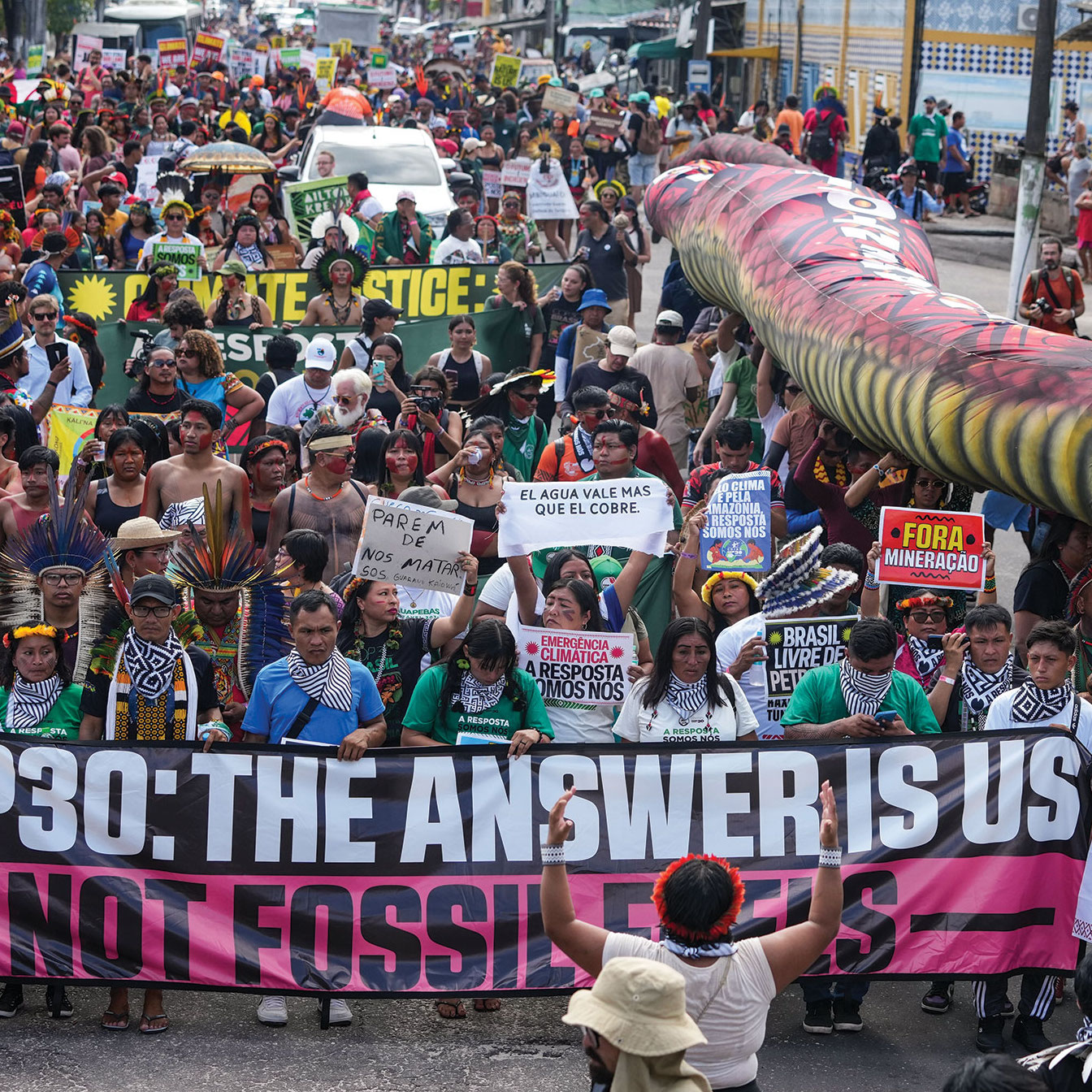
C&EN Uncovered: Behind the scenes of the chaotic COP30
In this episode of C&EN Uncovered, host Craig Bettenhausen speaks with C&EN Policy and Regulation reporter, Delger Erdenesanaa, about her article talking about the trials and takeaways of the 30th annual United Nations climate summit. Check out Delger's story on COP30 and the proposed biobased climate solutions and how they may impact the future of the chemical industry and the world. Subscribe to Stereo Chemistry now on Apple Podcasts, Spotify, or wherever you listen to podcasts. Credits Executive producer: David Anderson Host: Craig Bettenhausen Reporter: Delger Erdenesanaa Video + Audio Producer: David Anderson, Jeremy Barr Episode artwork: Andre Penner/Associated Press Music: Commercial Flow, Shutterstock Contact Stereo Chemistry: Contact us on social media at @cenmag or email [email protected].
Bonus episode: The ancient, 'juicy' origins of antibiotic resistance
C&EN's award-winning podcast Inflection Point leans on our 100-year archive to trace headline topics in science today back to their disparate and surprising roots. In each episode, we explore three lesser-known moments in science history that ultimately led us to current-day breakthroughs. With help from expert C&EN reporters, this show examines how discoveries from our past have shaped our present and will change our future. In the third episode of our second season, hosts David Anderson and Gina Vitale travel back in time to relive three historical moments that ultimately led to our current understanding of antibiotic resistance. They also bring in C&EN reporter Rowan Walrath to offer a glimpse into a doomsday-scenario future when antibiotics are no longer effective. Subscribe to Inflection Point now on Apple Podcasts, Spotify, or wherever you get your podcasts.
Bonus episode: The electric innovations that brought lithium-ion batteries online
C&EN's award-winning podcast Inflection Point leans on our 100-year archive to trace headline topics in science today back to their disparate and surprising roots. In each episode, we explore three lesser-known moments in science history that ultimately led us to current-day breakthroughs. With help from expert C&EN reporters, this show examines how discoveries from our past have shaped our present and will change our future. In this episode, hosts David Anderson and Gina Vitale charge up the time machine to relive three historical moments that led to the lithium-ion battery. They also bring in C&EN reporter Prachi Patel to discuss the shortcomings of lithium-ion batteries, whether we're facing a lithium shortage, and new battery chemistry still on the horizon. Subscribe to Inflection Point now on Apple Podcasts, Spotify, or wherever you get your podcasts.
Inflection Point: The era-spanning epiphanies that enabled gene editing
C&EN's award-winning podcast Inflection Point leans on our 100-year archive to trace headline topics in science today back to their disparate and surprising roots. In each episode, we explore three lesser-known moments in science history that ultimately led us to current-day breakthroughs. With help from expert C&EN reporters, this show examines how discoveries from our past have shaped our present and will change our future. In the second episode of our second season, hosts David Anderson and Gina Vitale travel back in time to relive three historical moments that ultimately led to scientists being able to edit genes. They also bring in C&EN reporter Max Barnhart to offer a glimpse into the future of gene editing technology. Subscribe to Inflection Point now on Apple Podcasts, Spotify, or wherever you get your podcasts.
Inflection Point: How under-appreciated critters inspired GLP-1 drugs
In the first episode of our second season, hosts David Anderson and Gina Vitale travel back in time to relive three historical moments that led to blockbuster drugs like Ozempic and Wegovy. They also talk with C&EN reporter Aayushi Pratap about how future GLP-1 drugs may expand on the current slate of options. C&EN's latest podcast, Inflection Point, leans on our 100-year archive to trace headline topics in science today back to their disparate and surprising roots. In each episode, we explore three lesser-known moments in science history that ultimately led us to current-day breakthroughs. With help from expert C&EN reporters, this new show examines how discoveries from our past have shaped our present and will change our future. Subscribe to Inflection Point now on Apple Podcasts, Spotify, or wherever you get your podcasts.
MOFs: What is this Nobel-prize-winning group of materials?
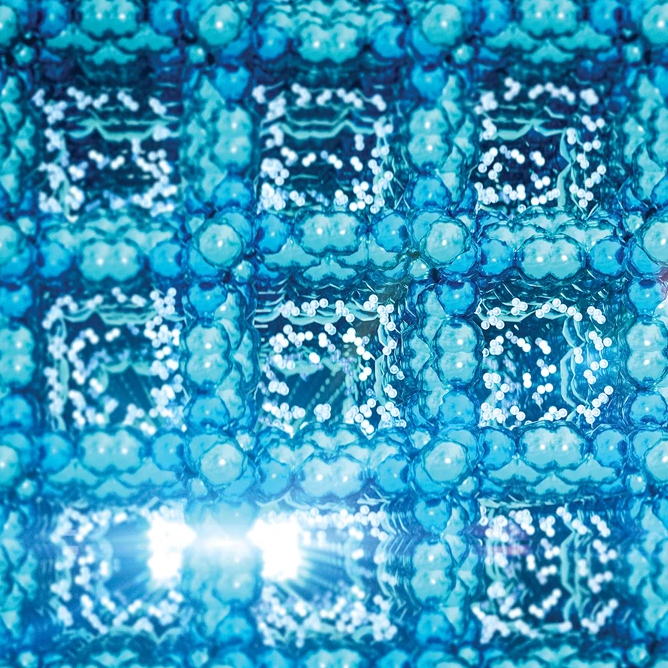
In this episode, Uncovered hops back to the first episode of C&EN's StereoChemistry, which delved into the materials that won the 2025 Nobel Prize in Chemistry. Reporter Matt Davenport spoke with now-laureate Omar Yaghi and a handful of other researchers in and around this exciting subfield of chemistry. For more from C&EN on MOFs, check out our MOF topic page. Similarly, to read more about this year's Nobel Prizes, and look back at other years, we have a topic page for that as well. Subscribe to Stereo Chemistry now on Apple Podcasts, Spotify, or wherever you listen to podcasts. Credits Executive producer: David Anderson Host: Craig Bettenhausen Reporters: Matt Davenport, Mitch Jacoby Audio Producer: David Anderson, Jeremy Barr, Matt Davenport Episode artwork: H2MOF Music: 'Commercial Flow', Shutterstock ––– 'Inflection', Jeremy Barr Contact Stereo Chemistry: Contact us on social media at @cenmag or email [email protected].
Inside the cavernous crystals that won the Chem Nobel
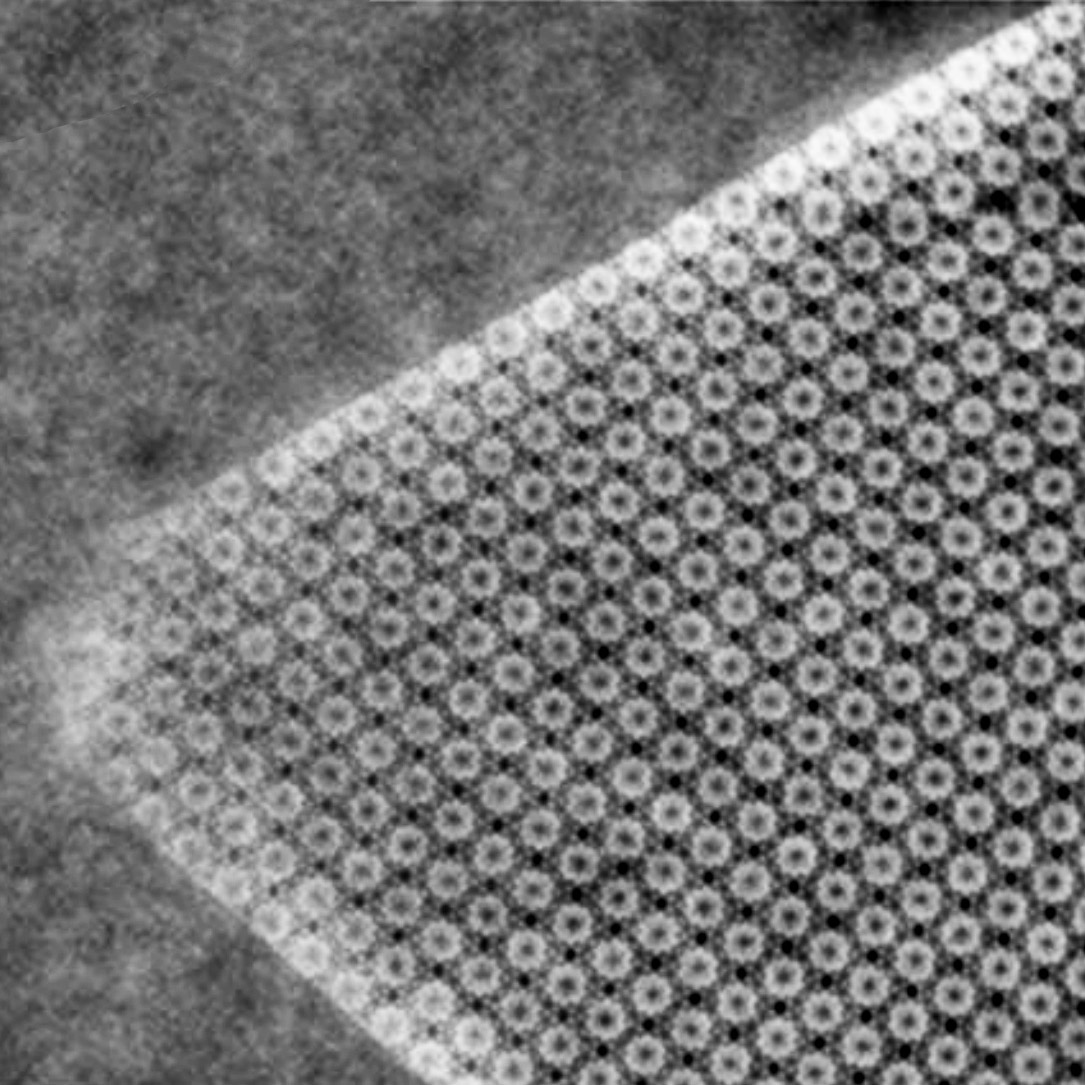
The 2025 Nobel Prize in chemistry was awarded on Oct. 8 to Susumu Kitagawa, Richard Robson, and Omar M. Yaghi for their work on metal organic frameworks (MOFs). Senior editor Prachi Patel joins a bonus episode of Stereo Chemistry to discuss what MOFs are, why they are so useful, and how they were discovered. Check out Prachi's story on how MOFs won this year's prize at cenm.ag/chemnobel2025. Listen to our 2018 Stereo Chemistry episode on MOFs here: http://cenm.ag/moftalk Subscribe to Inflection Point now on Apple Podcasts, Spotify, or wherever you listen to podcasts. Executive producer: David Anderson Host: Gina Vitale Reporter: Prachi Patel Audio editor: Jeremy Barr Music: Shutterstock Episode artwork: Lingmei Liu et al. Episode artwork source: https://www.nature.com/articles/s42004-020-00361-6
Uncovered: The Strange Copy and Paste Chemistry of Skeletal Editing
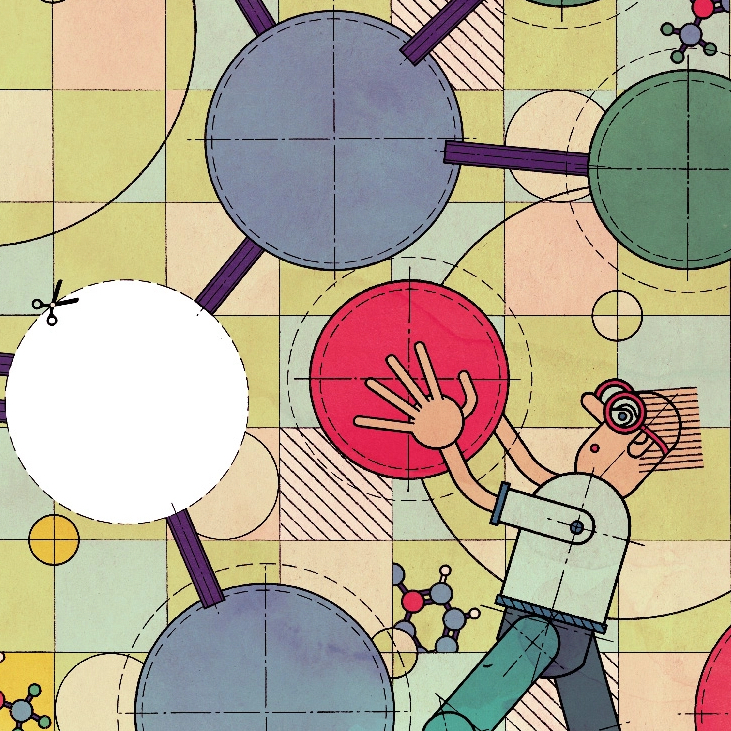
Will Skeletal Editing revolutionize the way we see chemical interactions? In this episode of C&EN Uncovered, host Craig Bettenhausen speaks with C&EN associate editor, Brianna Barbu, about her article diving into the new and exciting frontier of Skeletal Editing. Check out Brianna's story on Skeletal Editing and how it may impact the future of the chemical industry. Subscribe to Stereo Chemistry now on Apple Podcasts, Spotify, or wherever you listen to podcasts. Signal Awards Voting (Inflection Point) Limited Series & Specials, Best Co-Host Team: Click here to check out and vote for the finalists Limited Series & Specials, Science & Education: Click here to check out and vote for the finalists Credits Executive producer: David Anderson Host: Craig Bettenhausen Reporter: Brianna Barbu Video + Audio Producer: David Anderson, Jeremy Barr Episode artwork: Christian Gralingen Music: 'Commercial Flow', Shutterstock ––– 'Inflection', Jeremy Barr Contact Stereo Chemistry: Contact us on social media at @cenmag or email [email protected].
Bonus: C&EN's Future of Chemistry Degrees Panel
In this bonus episode of Stereo Chemistry, we are featuring a panel discussion from this year's ACS Fall Meeting. Our panelists, Stefan France, Glory Onajobi-Lee, Victor Olet, and John Gavenonis discuss the future of chemistry degrees, the importance of collaboration, and the fluidity of tech-based skills in the chemical industry at large. We are actively seeking new topics, discussions, and formats for 2026 ACS Future of Chemistry Events. Please use this link to tell us how we're doing and make some recommendations for next year's events. Thank you! Subscribe to Stereo Chemistry now on Apple Podcasts, Spotify, or wherever you listen to podcasts. Credits Executive producer: David Anderson Host: Laura Howes Panelists: Stefan France, Glory Onajobi-Lee, Victor Olet, John Gavenonis Audio Producer: Jeremy Barr Episode artwork: American Chemical Society Music: Commercial Flow, Shutterstock Contact Stereo Chemistry: Contact us on social media at @cenmag or email [email protected].
C&EN Uncovered: Global Top 50 Chemical Firms in 2025
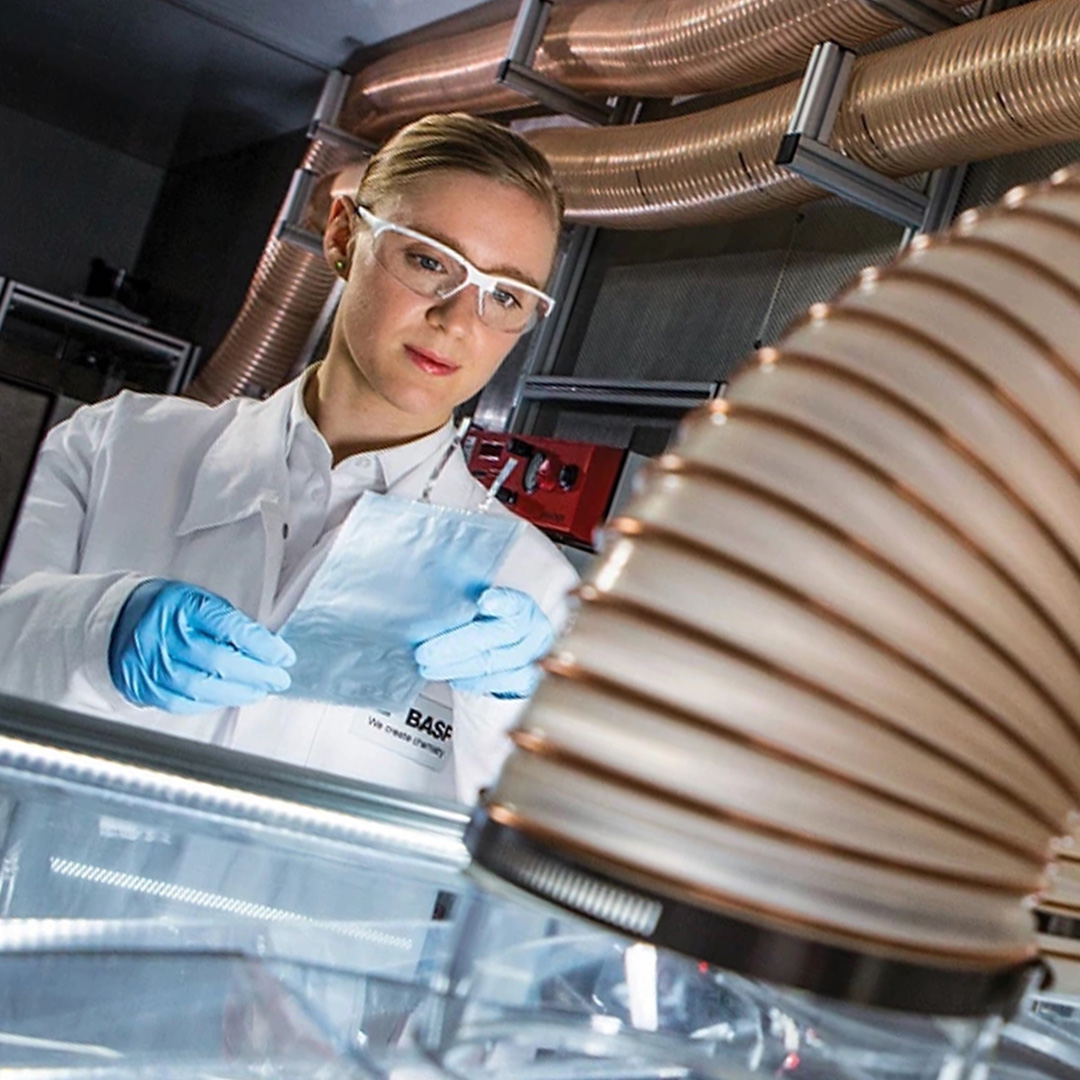
Can the world's top 50 chemical firms bounce back from a global economic downturn? In this episode of C&EN Uncovered, host Craig Bettenhausen speaks with C&EN senior correspondent, Alexander Tullo, about his coverage of C&EN's Global Top 50 Chemical Firms list. Uncovered offers a deeper look at subjects from recent stories pulled from the pages of Chemical & Engineering News. Check out Alex's story on the world's top 50 chemical firms. Subscribe to Stereo Chemistry now on Apple Podcasts, Spotify, or wherever you listen to podcasts. Credits Executive producer: David Anderson Host: Craig Bettenhausen Reporter: Alexander Tullo Video + Audio Producer: Jeremy Barr Episode artwork: Will Ludwig Music: Commercial Flow, Shutterstock Contact Stereo Chemistry: Contact us on social media at @cenmag or email [email protected].
Inflection Point: The mind-bending innovations that built quantum computing
Hosts David Anderson and Gina Vitale travel back in time to relive three historical moments that were meaningful to the development of quantum computers. They also bring in C&EN reporter Mitch Jacoby to discuss scientific advances enabled by quantum chemistry. C&EN's Inflection Point leans on our 100-year archive to trace headline topics in science today back to their disparate and surprising roots. In each episode, we explore three lesser-known moments in science history that ultimately led us to current-day breakthroughs. With help from expert C&EN reporters, this new show examines how discoveries from our past have shaped our present and will change our future. Subscribe to Inflection Point now on Apple Podcasts, Spotify, or wherever you get your podcasts.

C&EN Uncovered: Will Emerging Technology Lead Us Into A New Antibiotic Golden Age?
Are we on the cusp of a new era of Biochemical discovery? In this episode of C&EN Uncovered, host Craig Bettenhausen speaks with C&EN reporter Max Barnhart about his recent C&EN cover story on the frontiers of bioprospecting for new antibiotics. Uncovered offers a deeper look at subjects from recent stories pulled from the pages of Chemical & Engineering News. Check out Max's story on the recent advancements of Bioprospecting. Subscribe to Stereo Chemistry now on Apple Podcasts, Spotify, or wherever you listen to podcasts. Credits Executive producer: David Anderson Host: Craig Bettenhausen Reporter: Max Barnhart Video + Audio Producer: Jeremy Barr Episode artwork: Madeline Monroe Music: Commercial Flow, Shutterstock Contact Stereo Chemistry: Contact us on social media at @cenmag or email [email protected].
Bonus Episode: 'Inflection Point' traces the serendipitous origins of PFAS
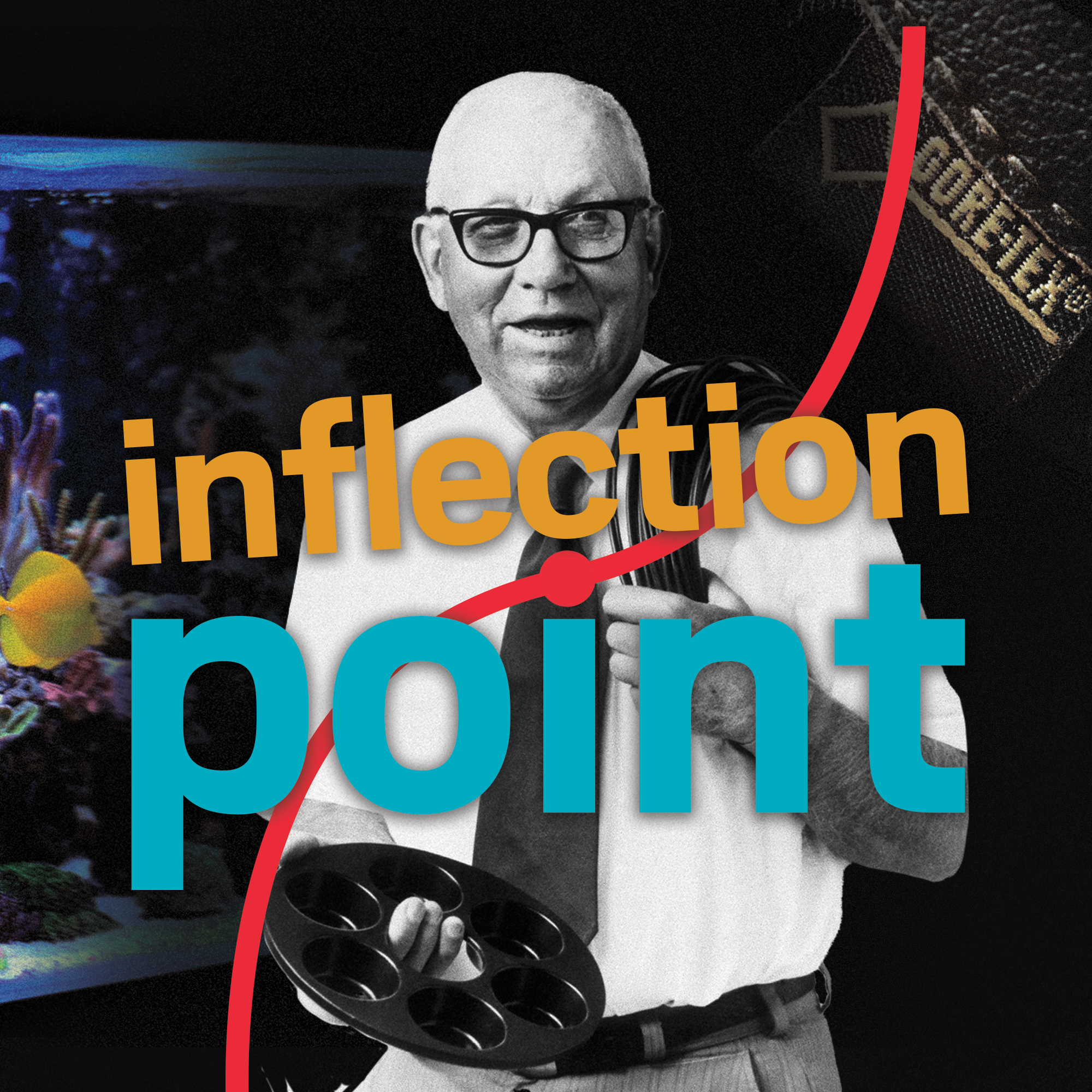
Inflection Point leans on C&EN's 100-year archive to trace headline topics in science today back to their disparate and surprising roots. In each episode, we explore three lesser-known moments in science history that ultimately led us to current-day breakthroughs. With help from expert C&EN reporters, this new show examines how discoveries from our past have shaped our present and will change our future. In our second episode, hosts David Anderson and Gina Vitale travel back in time to relive three events that ultimately led to the proliferation of PFAS. They also bring in C&EN reporter Britt Erickson to analyze how these 'forever chemicals' could shape our future. Subscribe to Inflection Point now on Apple Podcasts, Spotify, or wherever you get your podcasts.
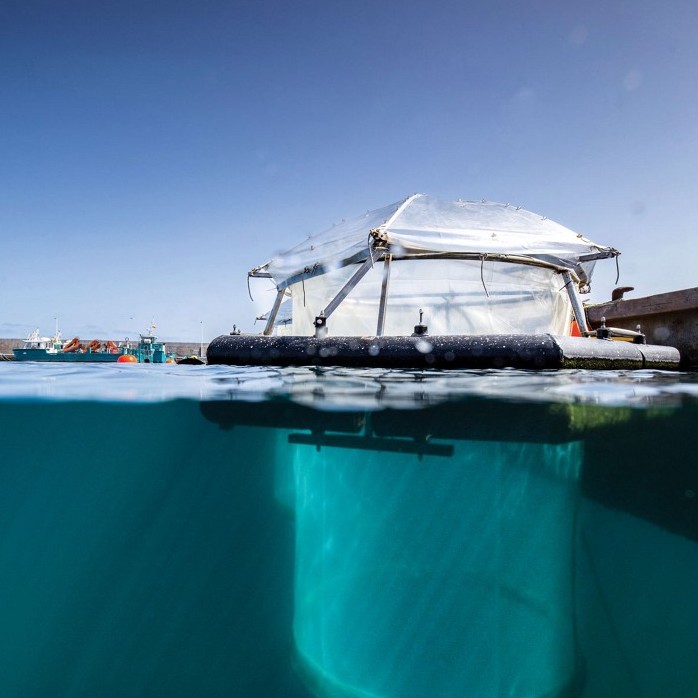
C&EN Uncovered: Can altering ocean chemistry fight climate change?
Can climate catastrophe be stymied by tweaking seawater chemistry? In this episode of C&EN Uncovered, host Craig Bettenhausen speaks with C&EN reporter Fionna Samuels about her recent C&EN cover story concerning Ocean Alkalinity Enhancement (OAE) as a method to combat climate change by increasing ocean alkalinity to absorb more CO2. Uncovered offers a deeper look at subjects from recent stories pulled from the pages of Chemical & Engineering News. Check out Fionna's story on engineering our oceans to mitigate the effects of Climate Change. Subscribe to Stereo Chemistry now on Apple Podcasts, Spotify, or wherever you listen to podcasts. Credits Executive Producer: David Anderson Host: Craig Bettenhausen Reporter: Fionna Samuels Video + Audio Producer: Jeremy Barr Episode artwork: Michael Sswat Music: Commercial Flow, Shutterstock Contact Stereo Chemistry: Contact us on social media at @cenmag or email [email protected].

C&EN Uncovered: Turning tides for endotoxin testing
The drug industry may finally phase out using horseshoe crab blood. What took so long? In this episode of C&EN Uncovered, host Craig Bettenhausen speaks with C&EN assistant editor Laurel Oldach about the use of horseshoe crab blood in pharmaceutical endotoxin testing, the challenges of transitioning to synthetic alternatives, and the regulatory hurdles involved. Stereo Chemistry offers a deeper look at subjects from recent stories pulled from the pages of Chemical & Engineering News. Check out Laurel's story on the fight over horseshoe crab blood at https://cen.acs.org/safety/drug-safety/Turning-tides-endotoxin-testing/102/i34. Subscribe to Stereo Chemistry now on Apple Podcasts, Spotify, or wherever you listen to podcasts.
Bonus episode: Introducing Inflection Point
The new podcast Inflection Point leans on C&EN's 100-year archive to trace headline topics in science today back to their disparate and surprising roots. In each episode, we explore three lesser-known moments in science history that ultimately led us to current-day breakthroughs. With help from expert C&EN reporters, this new show examines how discoveries from our past have shaped our present and will change our future. In our first episode, hosts David Anderson and Gina Vitale travel back in time to relive three events that ultimately led to the development of green hydrogen. They also bring in C&EN reporter Craig Bettenhausen to analyze how this emerging technology could shape our future. Subscribe to Inflection Point now on Apple Podcasts, Spotify, or wherever you get your podcasts. A transcript of this episode can be found here.

Ep 14C&EN Uncovered: Indoor air monitoring goes to school
The COVID-19 pandemic put the importance of indoor air quality in stark relief. The air in schools was of particular concern, and that concern spurred collaboration between researchers and school staff to find interventions to improve air quality to safeguard the health of students and staff. Data from indoor air monitors revealed that filter-based portable air cleaners were effective at removing airborne particulates. Ongoing research and monitoring will determine whether this effort is making a beneficial health impact and will be used to decide how to manage indoor air quality going forward. C&EN Uncovered, a project from C&EN's podcast, Stereo Chemistry, offers a deeper look at subjects from recent stories. Check out the full story about air quality monitoring in schools at cenm.ag/airqualityinschools. Cover photo: Undergraduate student Ricardo Reyes collects air quality measurements from the back of a classroom in Colorado. Subscribe to Stereo Chemistry now on Apple Podcasts, Spotify, or wherever you listen to podcasts. A transcript of this episode will be available soon at cen.acs.org. Credits Executive producer: David Anderson C&EN Uncovered host: Craig Bettenhausen Reporter: Fionna Samuels Audio editor: Ted Woods Copyeditor: Brian Vickers Episode artwork: Glenn Asakawa/University of Colorado Boulder Music: "Hot Chocolate," by Aves Contact Stereo Chemistry: Contact us on social media at @cenmag or email [email protected].
Stereo Chemistry: How the Nobel Prize in Chemistry was won
On Oct. 9, the 2024 Nobel Prize for Chemistry was awarded to David Baker, Demis Hassabis, and John M. Jumper for their work in prediction and design of protein structures. C&EN's executive editor for life sciences, Laura Howes, joins a special episode of Stereo Chemistry to discuss why the trio won, the significance of their work around proteins, and how she accurately predicted the win in C&EN's annual "Who Will Win?" webinar. Stereo Chemistry offers a deeper look at subjects from recent stories pulled from the pages of Chemical & Engineering News. Check out Laura's story on how these computational chemists won this year's Nobel Prize in Chemistry at cenm.ag/chemnobel2024.

Ep 13C&EN Uncovered: PhD to CEO, how chemistry entrepreneurs are making the jump
In the 20th century, corporate powerhouses like Bell Labs and DuPont Central Research funded R&D from their balance sheets, creating a clear path for postdoctoral scientists to innovate beyond their university research. In 2024, with the decay of corporate laboratories, graduates are taking the commercial start-up route more and more. C&EN, business reporter Matt Blois discusses several such start-ups, exploring how the founders are making the transition from PhD to CEO and mapping the various routes they've taken to secure funding to continue their research. C&EN Uncovered, a project from C&EN's podcast, Stereo Chemistry, offers a deeper look at subjects from recent stories. Check out Matt's story on how PhDs are learning to become CEOs at cenm.ag/chementrepreneurs Cover photo: Laura Stoy inside a laboratory at Rivalia Chemical Subscribe to Stereo Chemistry now on Apple Podcasts, Spotify, or wherever you listen to podcasts. A transcript of this episode is available at cen.acs.org. Credits Executive producer: David Anderson C&EN Uncovered host: Craig Bettenhausen Reporter: Matt Blois Audio editor: Ted Woods Copyeditor: Bran Vickers Episode artwork: Jim Prisching Music: "Hot Chocolate," by Aves Contact Stereo Chemistry: Contact us on social media at @cenmag or email [email protected].
Ep 12C&EN Uncovered: Solvent Waste Levels, EPA Regulations, and Disposal
On average, from 2011 to 2021, academic labs generated around 4,300 metric tons of hazardous waste each year. One of the largest lab-used solvents discarded is dichloromethane and more than half of that waste ends up burned. In today's episode, policy reporters Krystal Vasquez and Leigh Krietsch Boerner dive into the processes academic labs use to dispose of said waste, the consequences of new EPA regulations around dichloromethane, and what solutions academic institutions are coming up with to accommodate these new rules. C&EN Uncovered, a project from C&EN's podcast, Stereo Chemistry, offers a deeper look at subjects from recent stories. Check out Krystal's story on the new U.S. Environmental Protection Agency regulations regarding dichloromethane at https://cenm.ag/dcmregs and check out Leigh's story about solvent waste disposal in academic laboratories at https://cenm.ag/wastedisposal. Cover photo: Lab solvents C&EN July 15th cover photo Subscribe to Stereo Chemistry now on Apple Podcasts, Spotify, or wherever you listen to podcasts. A transcript of this episode will be available soon at cen.acs.org. Credits Executive producer(s): Gina Vitale, David Anderson C&EN Uncovered host: Craig Bettenhausen Reporter(s): Krystal Vasquez, Leigh Krietsch Boerner Audio editor: Ted Woods Copyeditor: Bran Vickers Episode artwork: Will Ludwig Music: "Hot Chocolate," by Aves Contact Stereo Chemistry: Contact us on social media at @cenmag or email [email protected]

Ep 11C&EN Uncovered: Ongoing tragedies in Flint and East Palestine
Tragedies in the communities of Flint, Michigan, and East Palestine, Ohio, continue to affect residents 10 years and 1 year on, respectively, from the initial events. Residents of both cities continue to rebound and rebuild despite ongoing issues revolving around the toxic chemicals that were introduced to their towns through human decisions. C&EN physical sciences reporter Priyanka Runwal traveled to both Flint and East Palestine to speak with residents about how they are recovering, how the actions of their representatives have fallen short, and their hopes to return to something of a "normal" existence in the future. C&EN Uncovered, a project from C&EN's podcast, Stereo Chemistry, offers a deeper look at subjects from recent stories. Check out Priyanka's cover story on Flint after 10 years at cenm.ag/flint; Check out Priyanka's cover story on East Palestine at cenm.ag/eastpalestine Cover photo: Residents of Flint, Michigan, march arm in arm as they demand justice and accountability for their community 10 years from the beginning of the water crisis. Subscribe to Stereo Chemistry now on Apple Podcasts, Spotify, or wherever you listen to podcasts. A transcript of this episode will be available soon at cen.acs.org. Credits Executive producer: Gina Vitale C&EN Uncovered host: Craig Bettenhausen Reporter: Priyanka Runwal Audio editor: Ted Woods Copyeditor: Bran Vickers Story editor: Laura Howes Episode artwork: Brittany Greeson Music: "Hot Chocolate," by Aves Contact Stereo Chemistry: Contact us on social media at @cenmag or email [email protected].
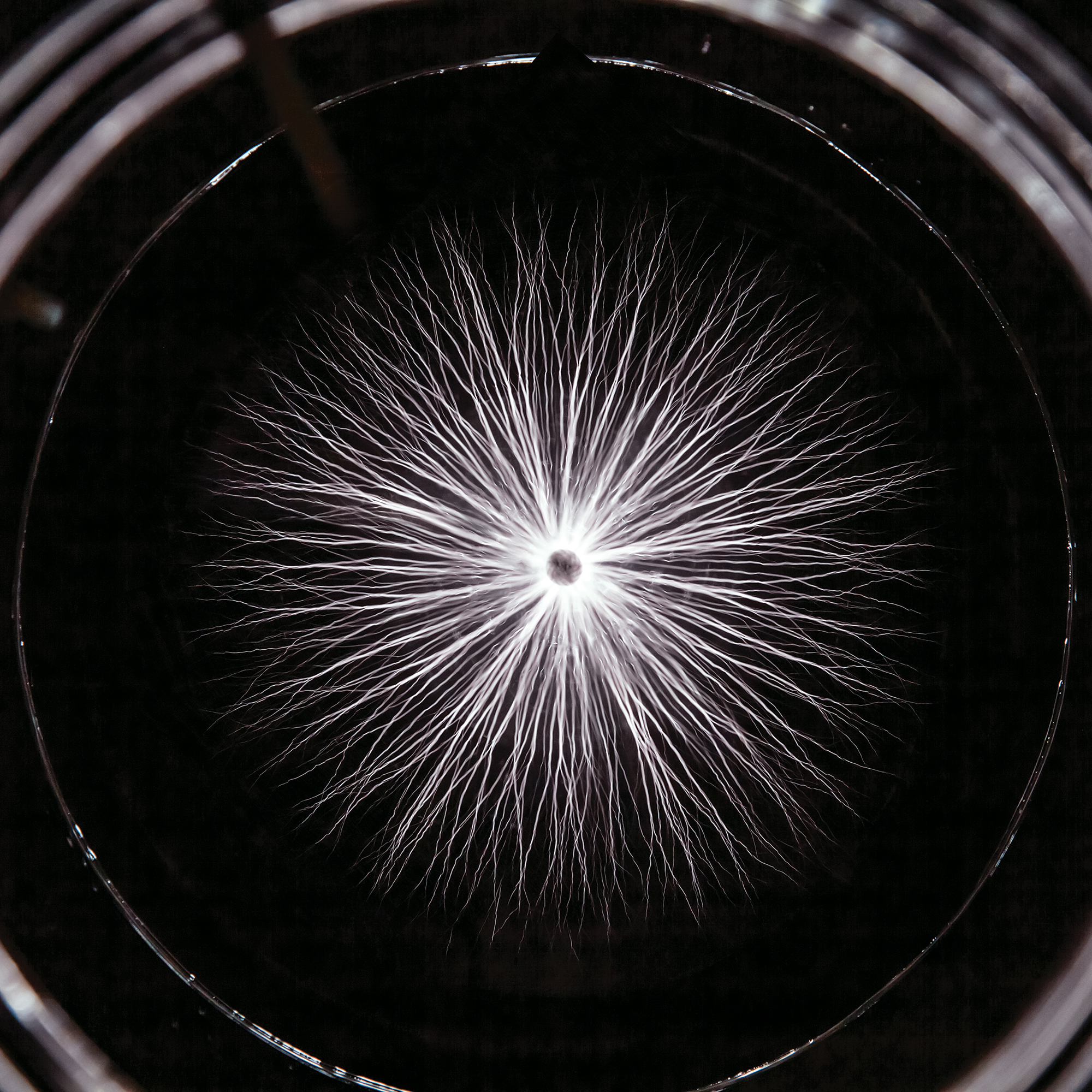
Ep 10C&EN Uncovered: Can 'forever chemicals' be destroyed?
Per- and polyfluoroalkyl substances, a class of chemicals known as PFAS, are often called "forever chemicals" because of how long they persist in the environment. They are prevalent in drinking water and have been linked to negative health outcomes. A slew of cleantech start-ups are cropping up with the aim of breaking down and destroying PFAS molecules. In this episode of C&EN Uncovered, reporter Britt Erickson explores the technologies behind these companies and the competition among them. C&EN Uncovered, a project from C&EN's podcast, Stereo Chemistry, offers a deeper look at subjects from recent stories. Check out Britt's cover story on the destruction techniques for these "forever chemicals" at cenm.ag/foreverchemicals. Cover photo: Argon gas plasma, which can break down PFAS, on the surface of liquid water Subscribe to Stereo Chemistry now on Apple Podcasts, Spotify, or wherever you listen to podcasts. A transcript of this episode is available now at cen.acs.org. Credits Executive producer: Gina Vitale C&EN Uncovered host: Craig Bettenhausen Reporter: Britt Erickson Audio editor: Ted Woods Copyeditor: Bran Vickers Story editor: Michael McCoy Episode artwork: Courtesy of Selma Mededovic Thagard/Clarkson University Music: "Hot Chocolate," by Aves Contact Stereo Chemistry: Contact us on social media at @cenmag or email [email protected].
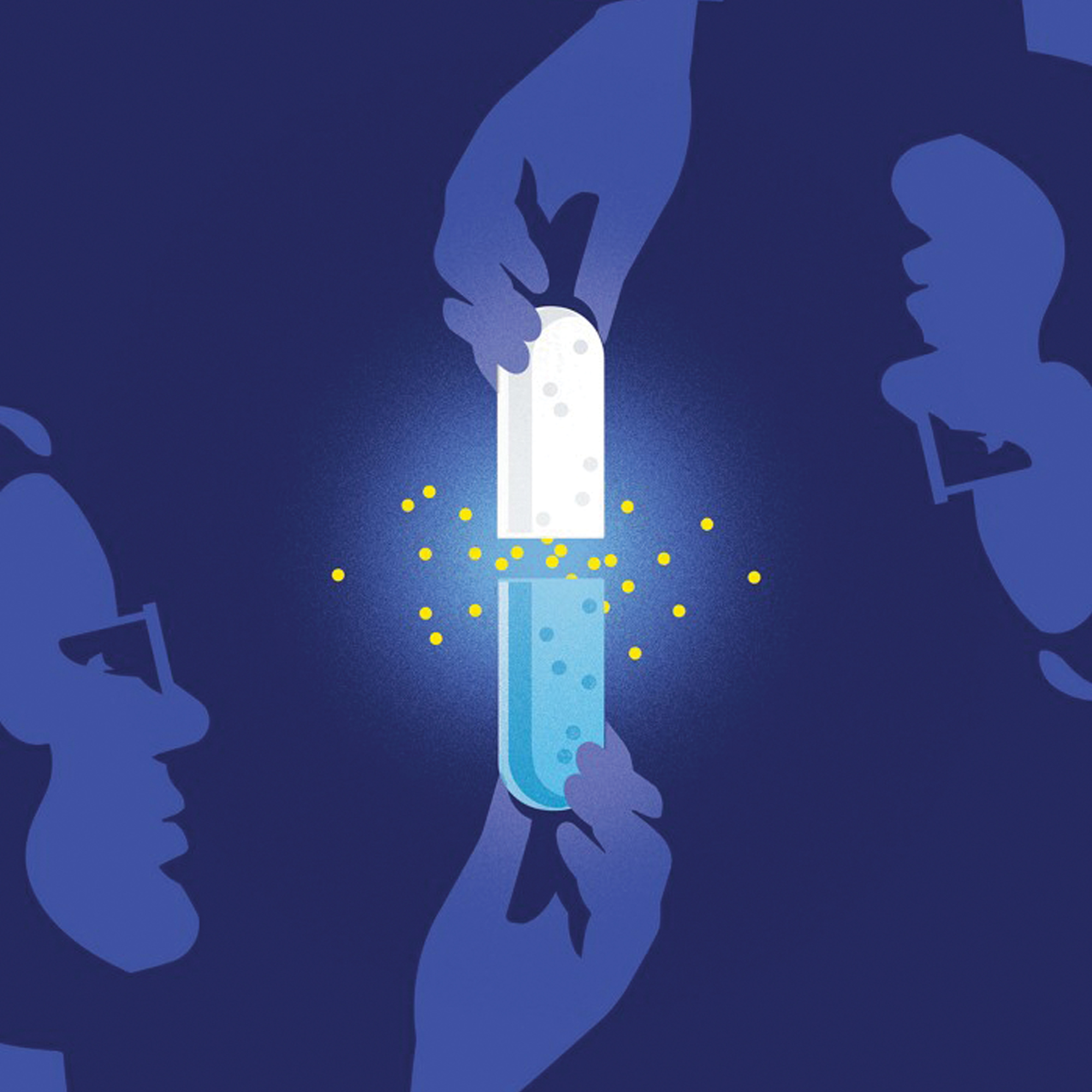
Ep 9C&EN Uncovered: The small-molecule drug renaissance
As the science of drug discovery has grown in scale and gotten more complicated, so have the drug molecules themselves. But there's a promising class of drugs made of just a handful of atoms that punch above their weight by leveraging the natural chemistry of the cell. Recent discoveries have opened up a new era of pharmaceutical chemistry that some people are calling a golden age. In this episode of C&EN Uncovered, reporter Laura Howes explains this exciting field of research and its implications for the drugs of the future. C&EN Uncovered, a project from C&EN's podcast, Stereo Chemistry, offers a deeper look at subjects from recent stories. Check out Laura's cover story on small-molecule drugs at cenm.ag/smallmol. Subscribe to Stereo Chemistry now on Apple Podcasts, Spotify, or wherever you listen to podcasts. A transcript of this episode is available at cenm.ag/smallmolpod. Credits Executive producer: Gina Vitale C&EN Uncovered host: Craig Bettenhausen Reporter: Laura Howes Audio editor: Brian Gutierrez Copyeditor: Bran Vickers Story editor: Mitch Jacoby Episode artwork: Chris Gash Music: "Hot Chocolate," by Aves Contact Stereo Chemistry: Contact us on social media at @cenmag or email [email protected].
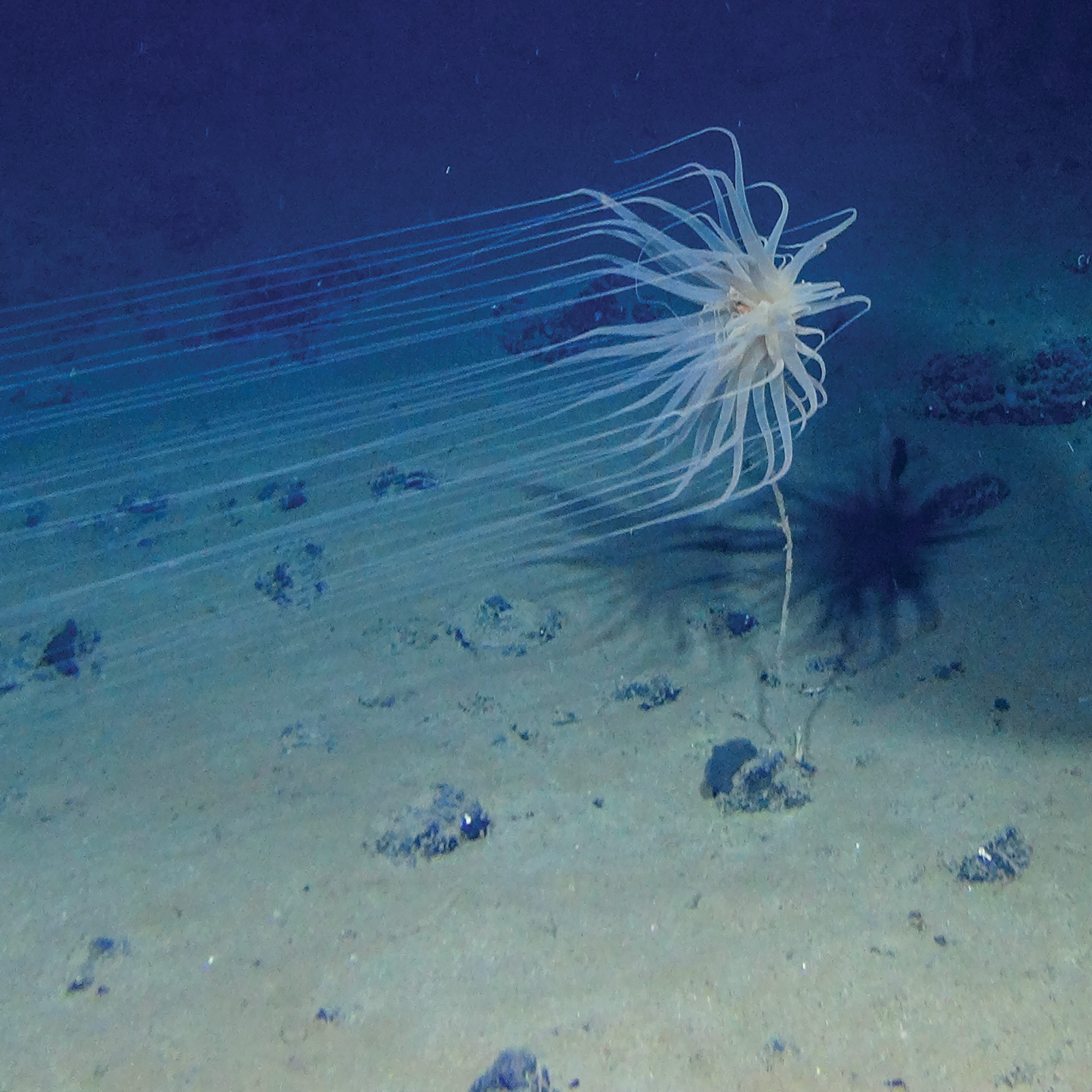
C&EN Uncovered: The ocean floor is littered with valuable minerals. Should we go get them?
Resting on the bottom of the ocean are potato-sized nodules of valuable minerals that are more or less up for grabs. Multiple corporations and some nations are racing to build deep-sea drones that can withstand the extreme conditions at the seafloor and bring these 1-20 cm nodules to eager buyers on the surface. Many of the metals in these nodules are critical for green technologies like batteries. But these nodules are also an important part of ecosystems we are just beginning to understand. In this episode, C&EN reporter Priyanka Runwal chats with host Craig Bettenhausen about this complex issue. C&EN Uncovered, a project from C&EN's podcast, Stereo Chemistry, offers a deeper look at subjects from recent stories. Check out Runwal's full story at cenm.ag/seafloormine. For more about mining the oceans, check out this episode of Stereo Chemistry from earlier this year about filtering minerals directly out of the water: cenm.ag/ocean Subscribe to Stereo Chemistry now on Apple Podcasts, Spotify, or wherever you listen to podcasts. A transcript of this episode is available at cenm.ag/deapsea. Credits Executive producer: Gina Vitale C&EN Uncovered host: Craig Bettenhausen Reporter: Priyanka Runwal Audio editor: Brian Gutierrez Copyeditor: Bran Vickers Story editor: Laura Howes Episode artwork: Diva Amon/Craig Smith/University of Hawaii Music: "Hot Chocolate," by Aves Contact Stereo Chemistry: Contact us on social media at @cenmag or email [email protected].
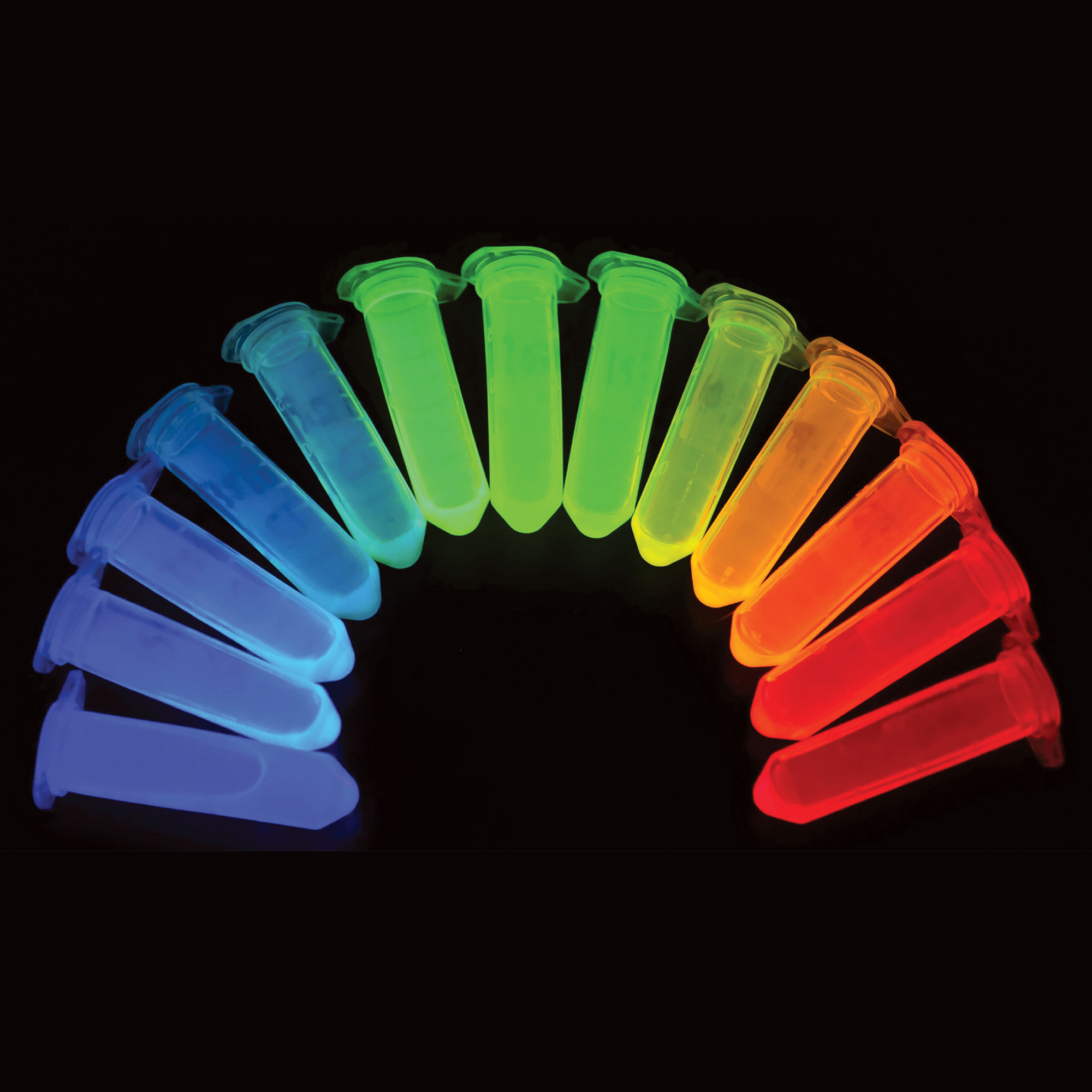
C&EN Uncovered: The race to report on the Nobel Prizes
The Nobel Prize announcements are big events at Chemical & Engineering News. But we find out the winners at the same time as everyone else. Then, the race is on for our reporters. This year, staffers Laurel Oldach and Mitch Jacoby took on the task of covering the science prizes. In this episode, they reflect on this year's winning research in chemistry and medicine and share what it's like covering the most prestigious prizes in science. C&EN Uncovered, a project from C&EN's podcast, Stereo Chemistry, offers a deeper look at subjects from recent stories. Check out our reporting on the 2023 Nobel Prizes at https://cen.acs.org/magazine/101/10133.html. Subscribe to Stereo Chemistry now on Apple Podcasts, Spotify, or wherever you listen to podcasts. A transcript of this episode is available at cenm.ag/nobelpod23 Credits Executive producer: Gina Vitale Host: Gina Vitale Reporters: Mitch Jacoby and Laura Oldach Audio editor: Brian Gutierrez Copyeditor: Bran Vickers Story editor: Chris Gorski Episode artwork: Milad Abolhasani/NCSU Music: "Hot Chocolate," by Aves Contact Stereo Chemistry: Contact us on social media at @cenmag or email [email protected].
C&EN Uncovered: Looking back on 100 years of chemistry
The first issue of C&EN was published in 1923 with the stated purpose of "the promotion of research, the development of the chemical industry, and the welfare of the chemist." The world of chemistry has grown a lot since then, and the magazine has been there to report on it all. To celebrate our 100th anniversary, C&EN reporter and informal historian Alex Tullo has sifted through thousands of issues of the magazine, and in this episode, he guides our host Craig Bettenhausen on a tour through the magazine's history from the industrialization of plastics, to the environmental movement, to the modern era of digital publication. When this episode was recorded, Tullo was preparing the From the Archives feature for the 1980s, which is now published. C&EN Uncovered, a project from C&EN's podcast, Stereo Chemistry, offers a deeper look at subjects from recent stories. Read Alex's entire series about the C&EN archives at cenm.ag/fromthearchives. A transcript of this episode can be found at http://cenm.ag/100yearspod. Credits Executive producer: Gina Vitale C&EN Uncovered host: Craig Bettenhausen Reporter: Alex Tullo Audio editor: Brian Gutierrez Copyeditor: Bran Vickers Story editor: Manny I. Fox Morone Episode artwork: Shutterstock/Kay Youn/Will Ludwig/C&EN Music: "Hot Chocolate" by Aves Contact Stereo Chemistry: Contact us on social media @cenmag or email [email protected].

Jennifer DiStefano and Jared Mondschein on the transition from the bench to the policy office
bonusEarly-career scientists are increasingly gravitating toward science policy, but the transition from the research bench to the policy office can be a tricky one. What can that path look like, and how can chemistry knowledge translate into a successful science policy career? In this bonus episode of C&EN's Bonding Time, Mark Feuer DiTusa sits down with recent science PhD graduates and science policy professionals Jennifer DiStefano and Jared Mondschein to hear about their intertwined journeys, what science policy looks like for them, and how they think policy is shaping the direction of chemistry in the US. You can find the episode where we spoke with six chemists about their yearlong science policy fellowships in Washington, DC, at http://cenm.ag/lessons. You can connect with Jennifer DiStefano and Jared Mondschein at their LinkedIn pages. A transcript of this episode can be found at http://cenm.ag/scipolicy Credits Executive producer: Gina Vitale Writer: Mark Feuer DiTusa Audio editor: Mark Feuer DiTusa, Brian Gutierrez Story editor: Ariana Remmel Copyeditor: Sabrina Ashwell, Michael McCoy Show logo design: William A. Ludwig Episode artwork: William A. Ludwig Music (in order of appearance): "The Beat Detector" by Novembers, "Sugar Cubes" by Avner Kelmer Contact Stereo Chemistry: Tweet at us at @cenmag or email [email protected].

C&EN Uncovered: Making hydrogen is easy; making it green is a challenge
Hydrogen might be the key to a clean energy future, but only if it can be made without fossil fuels. Most hydrogen today is made from methane. With generous government tax credits and enthusiasm for sustainable technology, the race is on for green hydrogen. Craig Bettenhausen, our usual host, guides C&EN associate editor Gina Vitale through the hydrogen rainbow and how the periodic table's number 1 element could become the number 1 fuel. C&EN Uncovered, a new project from C&EN's podcast, Stereo Chemistry, offers a deeper look at subjects from recent cover stories. Read Bettenhausen's July 3, 2023, cover story about hydrogen electrolyzers at cenm.ag/hydrolyzers. A transcript of this episode is available at cenm.ag/greenhydrogen. Credits Executive producer: Gina Vitale Host: Gina Vitale Cover story reporter: Craig Bettenhausen Audio editor: Brian Gutierrez Story editor: Michael McCoy Copyeditor: Sabrina Ashwell Show logo design: William A. Ludwig Episode artwork: Nel Music: "Hot Chocolate" by Aves Contact Stereo Chemistry: Tweet at us @cenmag or email [email protected].

Ep 49Mining metals and minerals from seawater
The modern world runs on electronic devices and energy systems that are powered by valuable elements such as lithium and uranium. There are a limited number of terrestrial mines that produce energy-critical elements, which makes the supply of these materials prone to disruption. So researchers are looking to an unconventional source: seawater. Almost every element on the periodic table can be found in global oceans–but most are dissolved in ultralow concentrations. In this episode of Stereo Chemistry, we'll hear from scientists in the United States and European Union about why they're interested in extracting metals and minerals from seawater and how they're using chemistry to do it. A transcript of this episode will be available soon at cen.acs.org. Download the Chemistry News by C&EN mobile app for iOS and Android. Learn more about lithium mining from our September 2022 episode. Credits Producers: Ariana Remmel, Kerri JansenWriter: Mitch JacobyAudio editor: Mark Feuer DiTusaStory editors: Gina Vitale, Craig BettenhausenCopyeditor: Sabrina AshwellShow logo design: William A. LudwigEpisode artwork: Shutterstock/C&EN StaffMusic (in order of appearance): "Daydream" by Ikoliks, "Distance" by Daniel BrownSound effects (in order of appearance): "Small waves, rocks and beach" from BigSoundBank.com Contact Stereo Chemistry: Tweet at us @cenmag or email [email protected].
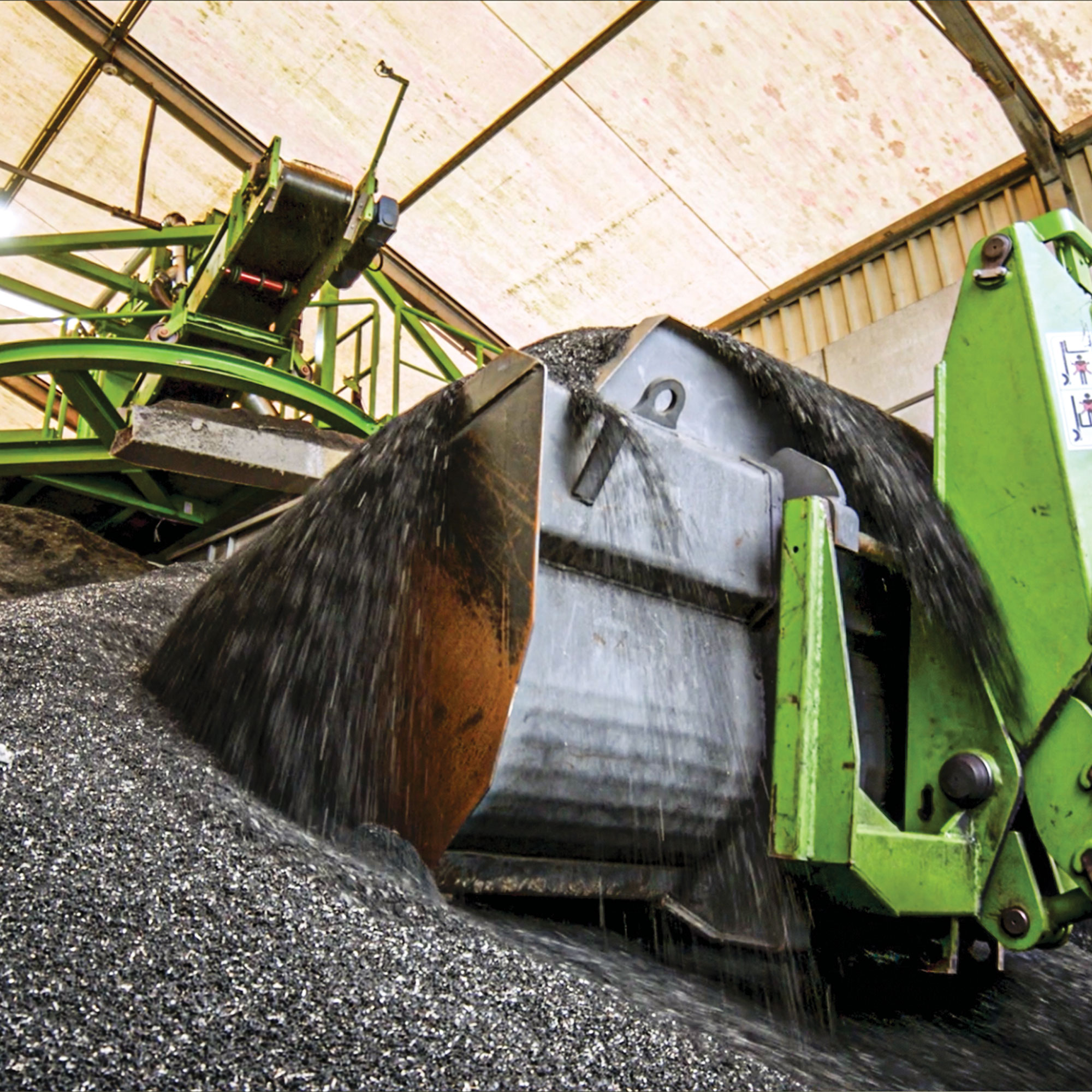
C&EN Uncovered: Can tires turn green?
Be they powered by fossil fuels, batteries, or hydrogen, cars are here to stay. So what can be done to make tires greener? In this episode of Stereo Chemistry, C&EN reporters Alex Scott and Craig Bettenhausen look at where the rubber meets the road, literally. Scott examined efforts to make tires more sustainable in a recent cover story for C&EN. He found people working on the movement and fate of tiny specks of tire-and-asphalt dust in the environment as well as large-scale efforts to shift to biobased and recycled raw materials when making new tires. C&EN Uncovered, a project from C&EN's podcast, Stereo Chemistry, offers another look at subjects from recent cover stories. Read Scott's May 29th, 2023, cover story about how the tire industry is pushing to become more sustainable at https://bit.ly/42MMseA. A transcript of this episode is available at https://bit.ly/3Kw5gID. Credits Executive producer: Gina Vitale C&EN Uncovered host: Craig Bettenhausen Cover story reporter: Alex Scott Audio editor: Mark Feuer DiTusa Story editor: Michael McCoy, Ariana Remmel, Laura Howes Copyeditor: Sabrina Ashwell Show logo design: William A. Ludwig Episode artwork: Pyrum Innovations Music: "Hot Chocolate" by Aves Contact Stereo Chemistry: Tweet at us @cenmag or email [email protected].

Ep 48Here's what happens when wastewater treatment facilities fail
When two wastewater treatment facilities in Baltimore, Maryland, broke down in early 2021, the surrounding waterways began filling up with sewage. In this episode of Stereo Chemistry, C&EN business reporter Craig Bettenhausen takes the pod to visit the Back River Plant and Patapsco Plant in the Chesapeake Bay watershed to demystify how these facilities treat wastewater and take a deep dive into the chemistry behind enhanced nutrient removal systems. Chemical engineers, environmental advocates, and infrastructure experts explore what happens to aquatic ecosystems when wastewater treatment systems fail–and share their perspectives on reimagining wastewater as a chemical treasure trove in the future. Listen to our bonus episode with Kerri Jansen here: cenm.ag/jansen-podcast A transcript of this episode is available at https://cenm.ag/treatment. Credits Producers: Ariana Remmel, Kerri Jansen; Writer: Craig Bettenhausen; Audio editor: Mark Feuer DiTusa; Story editors: Ariana Remmel, Gina Vitale, Chris Gorski, Mike McCoy; Copyeditor: Sydney Smith; Show logo design: William A. Ludwig; Episode artwork: Craig Bettenhausen; Music (in order of appearance): "Refuge" by Walz, "Lunch Time" by Avner Kelmer
Bonus: Executive producer Kerri Jansen hands over the mic
bonusStereo Chemistry's longtime host Kerri Jansen is stepping down from her role as executive producer of the podcast. Jansen has been with Stereo Chemistry since it began in 2018, and has played an integral role in the production of C&EN's flagship podcast. In this bonus episode, Jansen talks with C&EN's interim coeditors for audio & video, Ariana Remmel and Gina Vitale, about some of her favorite episodes from the Stereo Chemistry archives. A transcript of this episode is now available at https://cenm.ag/jansen-podcast. Listen to some of Kerri's favorite Stereo Chemistry episodes: How helium shortages have changed science Lithium mining's water use sparks bitter conflicts and novel chemistry Nobel laureates Frances Arnold and Jennifer Doudna on prizes, pandemics, and Jimmy Page A world without Rosalind Franklin Why chemists are excited by exascale computing There's more to James Harris's story Credits Producers/hosts: Ariana Remmel, Gina Vitale; Audio editor: Ariana Remmel, Mark Feuer DiTusa; Story editor: Michael McCoy, Krystal Vasquez; Copyeditor: Brianna Barbu; Logo design: William A. Ludwig; Episode artwork: Shutterstock/C&EN Staff; Music (in order of appearance): "Deer Dance" by Ian Post, "Hot Chocolate" by Aves, and "Sunbeam" by EFGR. Contact Stereo Chemistry: Tweet at us @cenmag or email [email protected].

C&EN Uncovered: The battle for Lake Maurepas
Carbon capture and sequestration is the trapping of CO2 emitted by industrial processes and depositing it beneath the Earth's surface. Spurred on by tax credits offered by recent federal legislation, companies are racing to implement the technology in geologically suitable locations such as in Louisiana.However, the community around Lake Maurepas, Louisiana, has resisted efforts by Air Products to greenlight such a project under the lake. In this episode, C&EN reporters Craig Bettenhausen and Rick Mullin discuss the fears of the community around the implementation of carbon capture and sequestration around Lake Maurepas and the response from Air Products.C&EN Uncovered, a new project from C&EN's podcast, Stereo Chemistry, offers another look at subjects from recent cover stories. Read Mullin's April 2nd, 2023, cover story about carbon capture and sequestration around Lake Maurepas at https://bit.ly/3W4lbCE. A transcript of this episode is available at https://bit.ly/uncoveredlakemaurepas. Credits Executive producer: Gina Vitale C&EN Uncovered host: Craig Bettenhausen Cover story reporter: Rick Mullin Audio editor: Mark Feuer DiTusa Story editor: Michael McCoy, Ariana Remmel Copyeditor: Michele Arboit Show logo design: William A. Ludwig Episode artwork: Julie Dermansky Music: "Hot Chocolate" by Aves Contact Stereo Chemistry: Tweet at us @cenmag or email [email protected]. UPDATE The episode description was updated on May 18, 2023, to include words that were accidentally omitted in the sentence about geologically suitable locations. The example location of Louisiana was originally missing.

C&EN Uncovered: Lithium iron phosphate comes to North America
Lithium iron phosphate (LFP) batteries are cheaper, safer, and longer lasting than batteries made with nickel- and cobalt-based cathodes. In China, the streets are full of electric vehicles using this technology. But LFP never caught on as a chemistry for electric vehicle batteries in North America. In this episode, C&EN reporters Craig Bettenhausen and Matt Blois talk about the promise and risks of bringing lithium iron phosphate to a North American market.C&EN Uncovered, a new project from C&EN's podcast, Stereo Chemistry, offers another look at subjects from recent cover stories. Read Blois's Jan. 30, 2023, cover story about lithium iron phosphate at http://bit.ly/3nbMkpK. A transcript of this episode is available at https://bit.ly/3lzGtKy. Credits Executive producer: Kerri Jansen C&EN Uncovered host: Craig Bettenhausen Cover story reporter: Matt Blois Audio editor: Mark Feuer DiTusa Story editor: Michael McCoyCopyeditor: Sabrina Ashwell Show logo design: William A. Ludwig Episode artwork: David Girai Photography Music: "Hot Chocolate" by Aves Contact Stereo Chemistry: Tweet at us @cenmag or email [email protected].
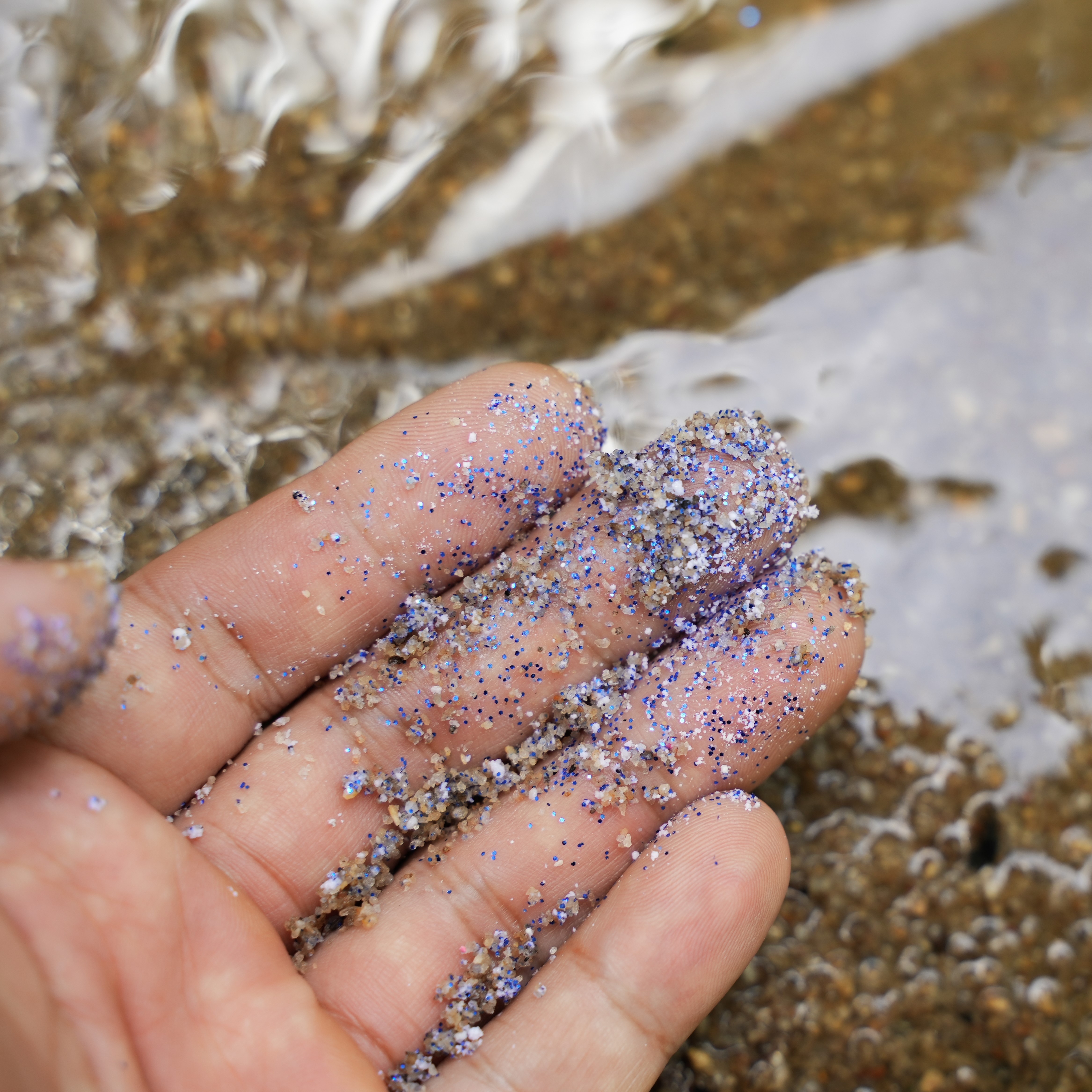
Ep 47Microplastics pollute our drinking water: What are the risks?
Researchers reported finding microplastics in drinking water nearly 5 years ago, prompting California lawmakers to require monitoring of the state's drinking water for the tiny particles. But in 2018, there were no standard methods for analyzing microplastics. So California regulators reached out to chemists and toxicologists from all sectors to develop those methods. They also sought assistance in developing a health-based limit to help consumers understand what the monitoring results mean for their health. In this episode of Stereo Chemistry, we will hear from some of the scientists leading those groundbreaking efforts. A transcript of this episode is available at https://bit.ly/41g6uPa. Credits Executive producer/host: Kerri Jansen Writer: Britt Erickson Audio editor: Mark Feuer DiTusa Story editors: Jyllian Kemsley, Michael McCoy, Ariana Remmel Audience editor: Dorea I. Reeser Copyeditor: Sabrina Ashwell, Heather Holt Logo design: William A. Ludwig Episode artwork: Shutterstock Music (in order of appearance): "The Process" by Kevin Graham, "Goodness Gracious" by Louis Adrien Contact Stereo Chemistry: Tweet at us @cenmag or email [email protected].

C&EN Uncovered: What exascale computing could mean for chemistry
At Oak Ridge National Laboratory, a supercomputer named Frontier has broken the exascale computing barrier, meaning it can calculate more than a million trillion floating-point operations per second. In this episode, C&EN reporters Craig Bettenhausen and Ariana Remmel discuss how Frontier works and what that kind of power could mean for computational chemistry.C&EN Uncovered, a new project from C&EN's podcast, Stereo Chemistry, offers a deeper look at subjects from recent cover stories. Read Remmel's Sept. 5, 2022, cover story about exascale computing at https://bit.ly/3RkPjr6. A transcript of this episode is available at https://bit.ly/3HNK1S0. Credits Stereo Chemistry executive producer: Kerri Jansen C&EN Uncovered host: Craig Bettenhausen Audio editor: Mark Feuer DiTusa Copyeditor: Sabrina J. Ashwell Additional review: Dorea Reeser, Manny I. Fox Morone, Michael Torrice Episode artwork: Matt Chinworth Music: "Hot Chocolate" by Aves Contact Stereo Chemistry: Tweet at us at @cenmag or email [email protected].