
Star Diary
377 episodes — Page 7 of 8
Ep 66Star Diary: What's in the night sky, February 2021
Discover the best things to see in the night sky this month. Hosted on Acast. See acast.com/privacy for more information. Learn more about your ad choices. Visit podcastchoices.com/adchoices

Ep 652021: A new year for astronomy and spaceflight
A guide to stargazing and space missions over the coming year. Hosted on Acast. See acast.com/privacy for more information. Learn more about your ad choices. Visit podcastchoices.com/adchoices

Ep 64Interview: Kellie Gerardi on the future of spaceflight
bonusSuborbital scientist Kellie Gerardi reveals the secrets of the space industry. Hosted on Acast. See acast.com/privacy for more information. Learn more about your ad choices. Visit podcastchoices.com/adchoices

Ep 632020's spaceflight and astronomy highlights
2020 has been quite a year, but for many of us the ever-present cosmos has been a source of inspiration and comfort. This episode we look back on the biggest astronomical discoveries of 2020 and reveal our stargazing highlights from the past 12 months. Hosted on Acast. See acast.com/privacy for more information. Learn more about your ad choices. Visit podcastchoices.com/adchoices

Ep 62Interview: NASA astronaut Terry Virts
bonusFormer NASA astronaut Terry Virts discusses life in zero gravity and the future of human spacelflight. Hosted on Acast. See acast.com/privacy for more information. Learn more about your ad choices. Visit podcastchoices.com/adchoices

Ep 61A history of Palomar Observatory
bonusAstronomer Linda Schweizer discusses the history of California's Palomar Observatory, the subject of her new book Cosmic Odyssey. Hosted on Acast. See acast.com/privacy for more information. Learn more about your ad choices. Visit podcastchoices.com/adchoices

Ep 60What next for New Horizons?
NASA's New Horizons spacecraft heads deeper into the Kuiper Belt at the edge of the Solar System. Hosted on Acast. See acast.com/privacy for more information. Learn more about your ad choices. Visit podcastchoices.com/adchoices

Ep 59Is there life beyond Earth?
bonusBiologist Wallace Arthur reveals why he believes the Universe could be teaming with life. Hosted on Acast. See acast.com/privacy for more information. Learn more about your ad choices. Visit podcastchoices.com/adchoices

Ep 58What's a black hole? Interview with astrophysicist Janna Levin
US astrophysicist Janna Levin reveals the secrets of black holes. Hosted on Acast. See acast.com/privacy for more information. Learn more about your ad choices. Visit podcastchoices.com/adchoices

Ep 57Interview: NASA astronaut Jeff Williams
bonusNovember 2020 marks 20 years of continuous occupation of the International Space Station. We speak to former NASA astronaut Jeff Williams about the space station's construction, what it's like working in the Earth-orbiting laboratory, and the future of human spaceflight. Hosted on Acast. See acast.com/privacy for more information. Learn more about your ad choices. Visit podcastchoices.com/adchoices

Ep 5820 years of the International Space Station
We're marking 20 years of continuous occupation of the ISS with a look at its past, present and future, its many achievements, and what it's like to live on the floating laboratory. Plus, astronomer and cosmologist Dr Emma Chapman discusses the history of the Universe and the moment the first stars began to shine throughout the cosmos. Hosted on Acast. See acast.com/privacy for more information. Learn more about your ad choices. Visit podcastchoices.com/adchoices

Ep 57Interview: Getting The Right Stuff right
bonusRobert Yowell served as a technical consultant on Dinsey+ new series, The Right Stuff. The series chronicles the story of the US’s first astronaut class, the Mercury 7 and Yowell helped ensure that the missions depicted were as accurate as possible. Hosted on Acast. See acast.com/privacy for more information. Learn more about your ad choices. Visit podcastchoices.com/adchoices

Ep 56Interview: Stuart Clark on the history of astronomy
bonusHave you ever wondered what early humans thought as they looked up at the night sky? How did our ancestors interpret the motion of the stars, constellations and planets? How did it develop into the science of astronomy as we know it today? This episode Stuart Clark discusses his new book Beneath The Night, and how stargazing has shaped the development of our species. Hosted on Acast. See acast.com/privacy for more information. Learn more about your ad choices. Visit podcastchoices.com/adchoices

Ep 55ASTHROS: the stratospheric balloon observatory
bonusNASA’s Jose Siles discusses ASTHROS, a new mission that will see a 2.5m telescope attached to a helium balloon and sent into the stratosphere, in order to give astronomers a closer look at galactic star formation. Hosted on Acast. See acast.com/privacy for more information. Learn more about your ad choices. Visit podcastchoices.com/adchoices

Ep 54Galaxies
What are the different types of galaxies, and how have astronomers studied them over the years? Also this episode, we speak to Andrew Griffith MP, co-chair of an all-party parliamentary group seeking to protect the UK's dark skies. Hosted on Acast. See acast.com/privacy for more information. Learn more about your ad choices. Visit podcastchoices.com/adchoices

Ep 53Interview: Life on Venus?
bonusCould life exist elsewhere in the Solar System? Astronomers have announced the presence of phosphine in the clouds of Venus, which could be evidence of microbial life around the hellish planet. This episode Dr Emily Drabek-Maunder, one of the astronomers behind the discovery, reveals how they did it, and why we need a new mission to explore Venus. Hosted on Acast. See acast.com/privacy for more information. Learn more about your ad choices. Visit podcastchoices.com/adchoices

Ep 52Interview: Libby Jackson on the history of human spaceflight
bonusWe talk to Libby Jackson – one of the UK's leading experts in human spaceflight and author of Space Explorers: 25 stories of space exploration and adventure – about the history and future of human spaceflight. Hosted on Acast. See acast.com/privacy for more information. Learn more about your ad choices. Visit podcastchoices.com/adchoices
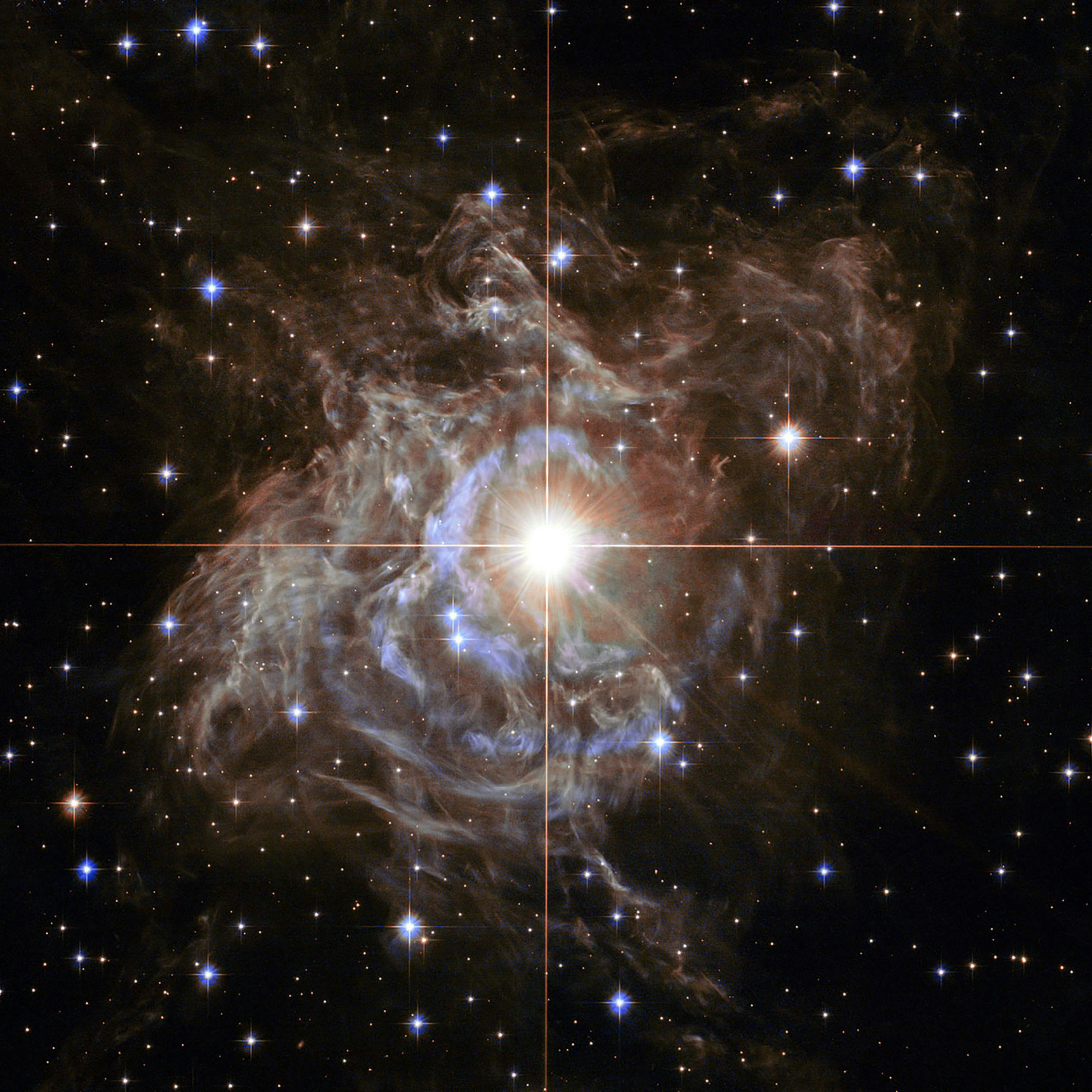
Ep 51The life and death of stars
We reveal how stars are born, evolve and die, and discover that a star's mass determines its ultimate fate. Plus, we speak to astronomer Emily Cannon about her research into the dimming of Betelgeuse, a red giant star that forms part of the Orion constellation. Could it be about to go supernova? Hosted on Acast. See acast.com/privacy for more information. Learn more about your ad choices. Visit podcastchoices.com/adchoices
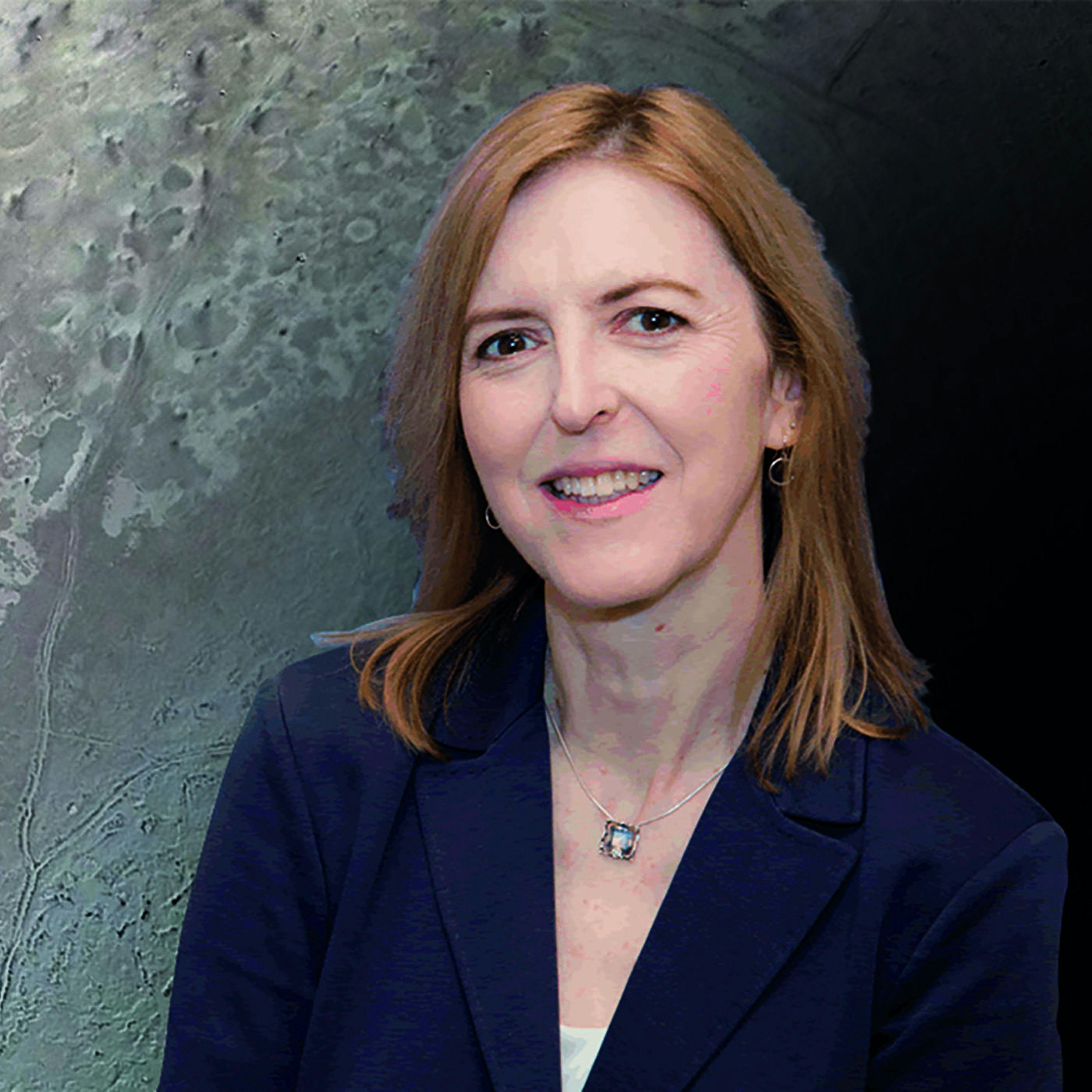
Ep 50Trident: a new mission to explore Neptune's moon Triton
bonusNeptune's icy moon Triton may host an ocean of liquid water beneath its icy surface. We spoke to planetary scientist Louise Prockter to find out about Trident, a proposed mission she's leading to send a spacecraft to explore the frozen satellite. Hosted on Acast. See acast.com/privacy for more information. Learn more about your ad choices. Visit podcastchoices.com/adchoices

Ep 49The End of Everything: interview with US cosmologist Katie Mack
bonusHave you ever wondered how the Universe will end? We spoke to Dr Katie Mack to find out what it means to contemplate the final days of the cosmos. Hosted on Acast. See acast.com/privacy for more information. Learn more about your ad choices. Visit podcastchoices.com/adchoices

Ep 48The edge of the Solar System
How far away is the edge of the Solar System? What even is 'the edge'? How do we know it's there? In this month's episode we take a look at the outer limits of our planetary neighbourhood. Plus: we talk to Keith Hayward of the Royal Aeronautical Society about the Chinese space programme and reveal how to make the most of August's Perseid meteor shower. Hosted on Acast. See acast.com/privacy for more information. Learn more about your ad choices. Visit podcastchoices.com/adchoices

Ep 47Cluster Special: marking 20 years of the European solar mission
bonus16th July 2020 marks 20 years since the launch of the European Space Agency's Cluster mission. For two decades, Cluster has been examining how the solar wind interacts with Earth's magnetosphere and its effect on life on our planet. This episode we spoke to space weather expert and Cluster mission scientist Dr Mike Hapgood. Hosted on Acast. See acast.com/privacy for more information. Learn more about your ad choices. Visit podcastchoices.com/adchoices
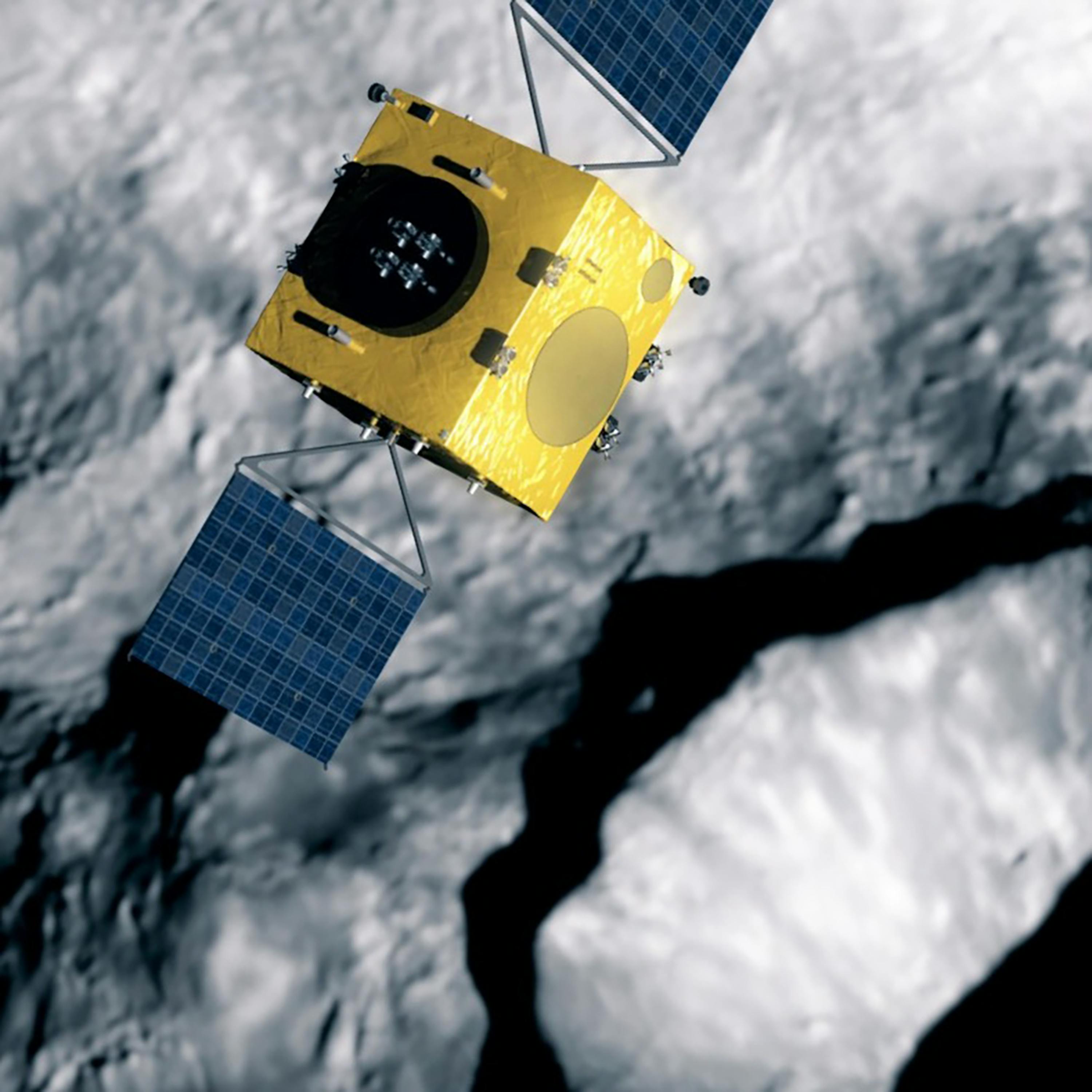
Ep 46Deflecting asteroids with DART and Hera
Ahead of Asteroid Day on 30 June, we take a look at NASA's DART and ESA's Hera mission. Starting in 2022, these two missions will work together to test how we might one day deflect a potential deadly asteroid. Later on, we interview Andrea Riley, the DART's programme executive and give you our stargazing tip of the month. Hosted on Acast. See acast.com/privacy for more information. Learn more about your ad choices. Visit podcastchoices.com/adchoices
Ep 45CHEOPS: Interview with exoplanet scientist Kate Isaak
The European Space Agency's CHEOPS mission is currently studying planets orbiting distant stars, known as exoplanets. We spoke to CHEOPS Project Scientist Kate Isaak to find out how the spacecraft operates and what it might discover. The links Kate refers to in the interview can be found here: https://esa.int/cheops https://sci.esa.int/cheops https://cosmos.esa.int/cheops https://cheops.unibe.ch/ Hosted on Acast. See acast.com/privacy for more information. Learn more about your ad choices. Visit podcastchoices.com/adchoices
Ep 44Venus special: farewell to the evening star
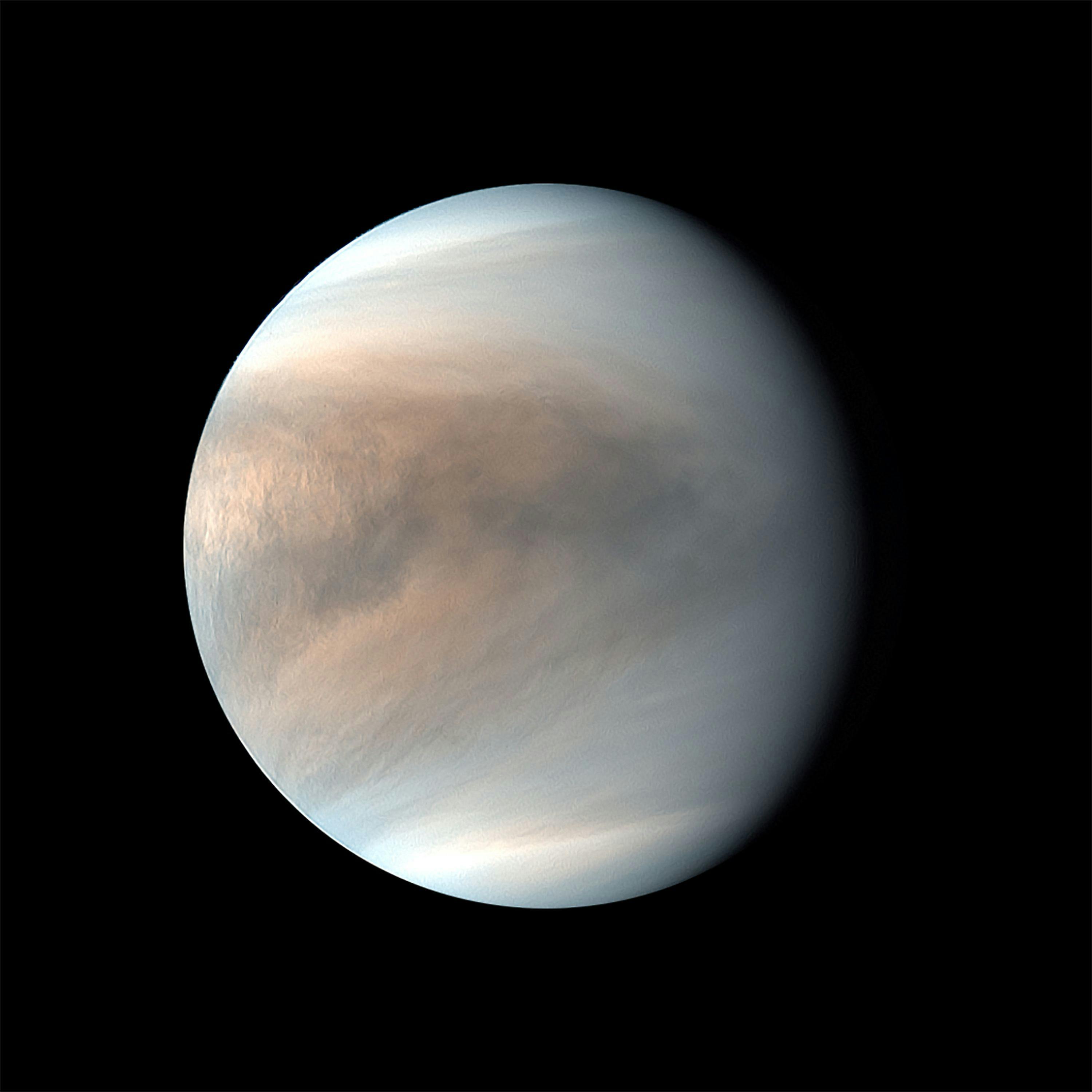
We bid Venus farewell as the planet begins to disappear from our evening sky, and take a look at the planetary geometry that has made it such a glorious sight over the past few months. Plus, we explore the science of Venus and take a look at the history and future of the planet's exploration. Also this month, The Sky at Night's Chris Lintott talks satellite megaconstellations, and how they may prove a threat to our view of the night sky. Hosted on Acast. See acast.com/privacy for more information. Learn more about your ad choices. Visit podcastchoices.com/adchoices

Ep 43WFIRST: a new era for exoplanet hunting
We speak to Dr Savannah Jacklin about the Wide Field Infrared Survey Telescope, a new mission to discover planets orbiting distant stars using a technique predicted by Einstein over 100 years ago. Hosted on Acast. See acast.com/privacy for more information. Learn more about your ad choices. Visit podcastchoices.com/adchoices

Ep 42Hubble at 30: how the space telescope changed astronomy forever
Over the past three decades, the Hubble Space Telescope has revolutionised our view of the cosmos. It has given us unprecedented views of galaxies, nebulae, new-born stars and planets, revealing clues about the nature of dark energy, supermassive black holes and the expansion of the Universe. This episode we look at how the mission was conceived, how astronauts repaired its faulty mirror, and some of the highlights from 30 years of incredible science. But we also look to the future. NASA scientist Eric Smith tells us about Hubble's successor, the James Webb Space Telescope, and how it is set to carry the observing baton. Hosted on Acast. See acast.com/privacy for more information. Learn more about your ad choices. Visit podcastchoices.com/adchoices

Ep 41Apollo 13 special: interview with Mission Control's Jerry Woodfill
Thousands of people helped bring the three Apollo 13 astronauts home. Jerry Woodfill was working at Mission Control when the spacecraft's oxygen tank exploded, and was responsible for the onboard alarm system that led to the crew uttering the immortal words “Houston, we’ve had a problem.” This episode, Jerry talks to us about what it was like working at NASA during the rescue and throughout the Apollo Program. Hosted on Acast. See acast.com/privacy for more information. Learn more about your ad choices. Visit podcastchoices.com/adchoices
Ep 40Apollo 13 special: how astronauts and Mission Control averted disaster
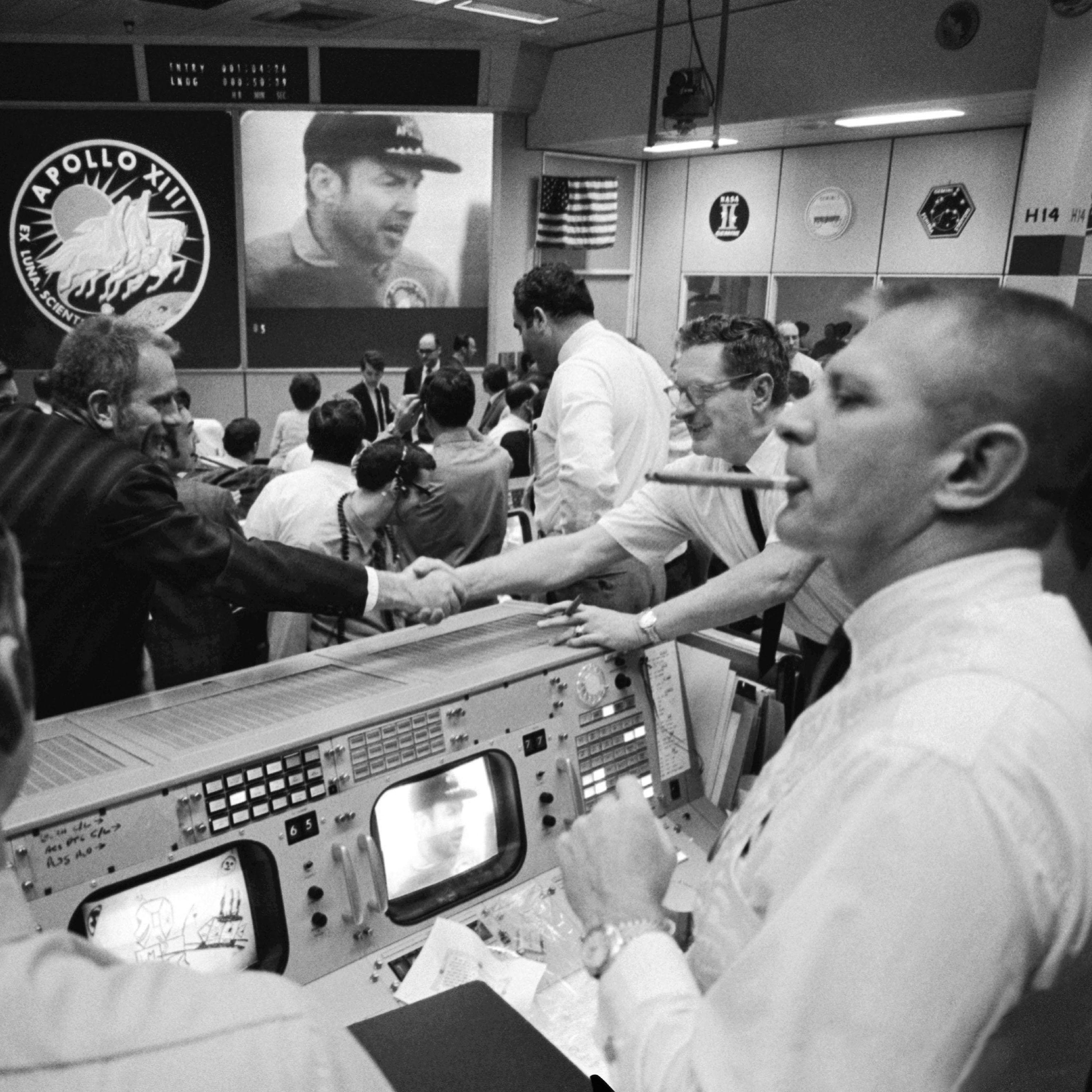
"Houston, we've had a problem". This issue we mark the 50th anniversary of Apollo 13, revealing what went wrong and how Mission Control reacted on the ground. We also take a look at what science goals Apollo 13 might have achieved, had everything gone to plan. Plus, Professor Jason Wright discusses NEID, a new instrument that can measure the masses of exoplanets. Hosted on Acast. See acast.com/privacy for more information. Learn more about your ad choices. Visit podcastchoices.com/adchoices
S1 Ep 8Day Eight – Back Garden Astronomy Week: The Moon
In the final episode of our special series of daily podcasts for Back Garden Astronomy Week we take a look at some of the culture and stories that have grown up around the Moon. If the series has inspired you to get involved with lunar observing or astronomy in general, you can still get your free guide fromwww.skyatnightmagazine.com/backgarden. Hosted on Acast. See acast.com/privacy for more information. Learn more about your ad choices. Visit podcastchoices.com/adchoices
S1 Ep 7Day Seven – Back Garden Astronomy Week: The Moon
The Moon can look vastly different throughout the month, and so we take a look at the different ways colour and shadow can affect your lunar observing experience. For more info, visit www.skyatnightmagazine.com/backgarden. Hosted on Acast. See acast.com/privacy for more information. Learn more about your ad choices. Visit podcastchoices.com/adchoices

S1 Ep 6Day Six – Back Garden Astronomy Week: The Moon
Craters are one of the Moon’s most striking features, so we tell you how to make the most of observing them. PLUS, we look at how astronomers use craters to date the age of the lunar surface. For more info, visit www.skyatnightmagazine.com/backgarden. Hosted on Acast. See acast.com/privacy for more information. Learn more about your ad choices. Visit podcastchoices.com/adchoices

S1 Ep 5Day Five – Back Garden Astronomy Week: The Moon
There are lots of things to see in the night sky, but how does our biggest, brightest companion effect the view? For more info, visit www.skyatnightmagazine.com/backgarden. Hosted on Acast. See acast.com/privacy for more information. Learn more about your ad choices. Visit podcastchoices.com/adchoices

S1 Ep 4Day Four – Back Garden Astronomy Week: The Moon
Even a modest set of binoculars can really enhance your view of the lunar surface, and so we take a look at how to use them to get the most out of a clear night’s view of the Moon. For more info, visit www.skyatnightmagazine.com/backgarden. Hosted on Acast. See acast.com/privacy for more information. Learn more about your ad choices. Visit podcastchoices.com/adchoices
S1 Ep 3Day Three – Back Garden Astronomy Week: The Moon
In today’s episode we use astronomical sketching as a way to help learn our way around the face of the Moon. PLUS we look at one of the most elusive lunar sights to catch – clair obscure. For more info, visit www.skyatnightmagazine.com/backgarden. Hosted on Acast. See acast.com/privacy for more information. Learn more about your ad choices. Visit podcastchoices.com/adchoices

S1 Ep 2Day Two – Back Garden Astronomy Week: The Moon
Learn all about the lunar phases in the second instalment of our special series. PLUS, a simple experiment to help you explain how the phases change from night to night. For more info, visit www.skyatnightmagazine.com/backgarden. Hosted on Acast. See acast.com/privacy for more information. Learn more about your ad choices. Visit podcastchoices.com/adchoices

S1 Ep 1Day One – Back Garden Astronomy Week: The Moon
To celebrate Back Garden Astronomy Week, Radio Astronomy is running a special series of daily podcasts to help you start observing the Moon. With tips and tricks that work at any time of year, there’s no excuse to not get out there and observe our nearest neighbour. For more info, visit www.skyatnightmagazine.com/backgarden. Hosted on Acast. See acast.com/privacy for more information. Learn more about your ad choices. Visit podcastchoices.com/adchoices

Trailer: Back Garden Astronomy Week special series
trailerBack Garden Astronomy Week is back between 2-9 March 2020! We're running a special series of daily podcasts throughout the week telling you everything you need to know about observing the Moon. Be sure to subscribe to Radio Astronomy podcast to make sure you don't miss an episode. Hosted on Acast. See acast.com/privacy for more information. Learn more about your ad choices. Visit podcastchoices.com/adchoices
Ep 39Europe in space: the next decade
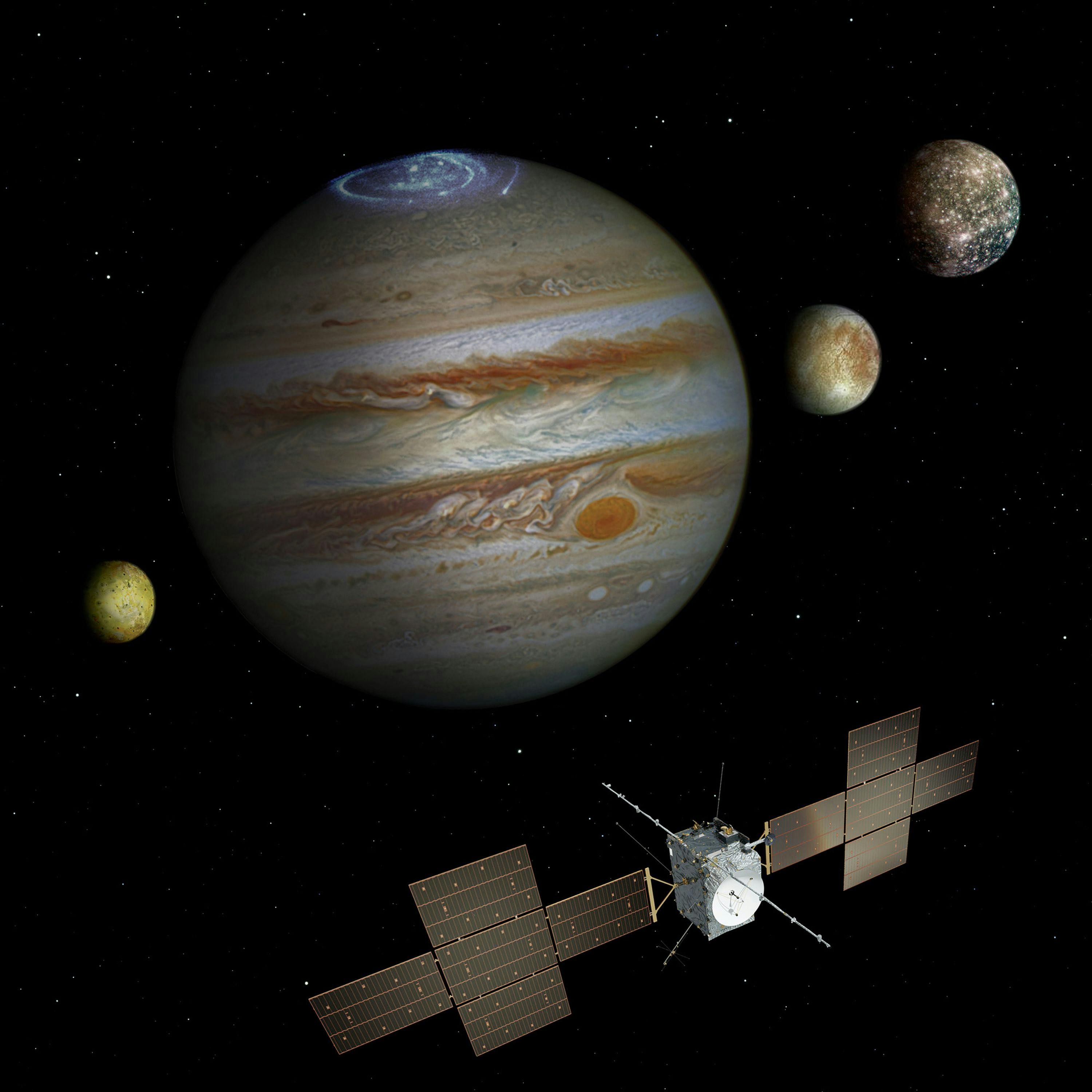
We look at the European Space Agency missions coming up over the next decade, including a crewed lunar orbiter, a spacecraft that will explore the icy moons of Jupiter and probes that will analyse planets orbiting distant stars. Plus, Emma Marrington of the countryside charity CPRE reveals how you can get involved in this year's Star Count citizen science project. Hosted on Acast. See acast.com/privacy for more information. Learn more about your ad choices. Visit podcastchoices.com/adchoices

Ep 38The story of the BBC’s Horizon programme
bonusThis bonus episode of Radio Astronomy is a Horizon special, as we speak to former producer Alec Nisbett to find out how the long-running BBC science programme covered space and astronomy, and what it was like touring the world in search of the latest scientific advances. Hosted on Acast. See acast.com/privacy for more information. Learn more about your ad choices. Visit podcastchoices.com/adchoices
Ep 37Pluto at 90: how Clyde Tombaugh discovered a new world
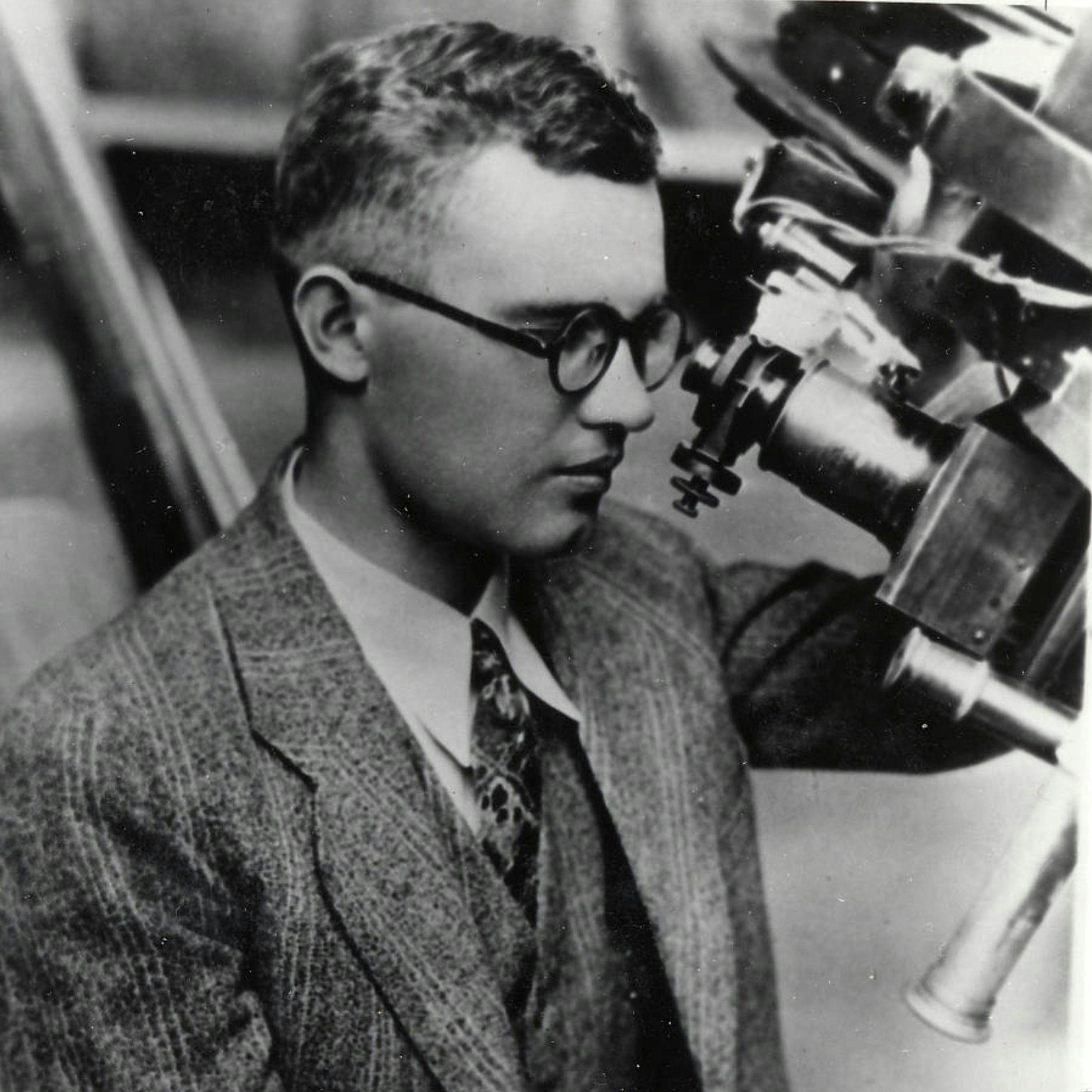
This episode we mark the 90th anniversary of Pluto's discovery by exploring the life of US astronomer Clyde Tombaugh, and take a look at the Pluto's rise and fall as the 9th Solar System planet. Plus, we examine a recent International Astronomical Union campaign that saw 112 countries around the world name newly-discovered exoplanets. Hosted on Acast. See acast.com/privacy for more information. Learn more about your ad choices. Visit podcastchoices.com/adchoices
Ep 36The biggest stories of 2019 and top tips for stargazing beginners
This episode the team look back on 2019 and discuss the big space stories that made headlines over the past 12 months, from New Horizons' Kuiper Belt flyby on New Year's Day, to the first image of a black hole and the latest in lunar exploration. Plus, we speak to the folks at Brighton Astro for their top tips on getting started in astronomy. Hosted on Acast. See acast.com/privacy for more information. Learn more about your ad choices. Visit podcastchoices.com/adchoices

Ep 35The biggest space missions launching in 2020
This episode we look at the big space missions launching in 2020 that will visit the Sun and Mars. Plus, the latest from Hayabusa2 and OSIRIS-REx, and what to expect from commercial human spaceflight over the next 12 months. Also this episode, we speak to Robert Shelton, President of the Giant Magellan Telescope, about how the GMT will peer deep into the early Universe. Hosted on Acast. See acast.com/privacy for more information. Learn more about your ad choices. Visit podcastchoices.com/adchoices

Ep 34A look at UCL Observatory's new 80cm Perren telescope
bonusBBC Sky at Night Magazine's staff writer Iain Todd visits University College London Observatory ahead of the unveiling of their new 80cm Perren Telescope. Iain speaks to the astronomers there to find out about the new scope and how it will help prepare the next generation of astro physicists. Hosted on Acast. See acast.com/privacy for more information. Learn more about your ad choices. Visit podcastchoices.com/adchoices

Ep 33Planetarium special
bonusBBC Sky at Night Magazine’s editor Chris Bramley joins Anna Henley and Paul Cornish from the planetarium team at Bristol's We The Curious science centre. Anna and Paul discuss how they operate the UK's only 3D planetarium, reveal the secrets behind their latest show and give their view on the possibility of life existing beyond Earth. Hosted on Acast. See acast.com/privacy for more information. Learn more about your ad choices. Visit podcastchoices.com/adchoices

Ep 32Apollo 12, volcanic moons and cannibal galaxies
This month we discuss Apollo 12 on its 50th anniversary, reveal news of an impending volcanic eruption on Jupiter's moon Io, and speak to astrophysicist Geraint Lewis from the University of Sydney, who's part of a team that has been studying the Andromeda Galaxy's past galactic mergers. Hosted on Acast. See acast.com/privacy for more information. Learn more about your ad choices. Visit podcastchoices.com/adchoices

Ep 31Jim Al-Khalili, OSIRIS REx, IIAPY 2019, tardigrades on the Moon
This episode we speak to Professor Jim Al-Khalili about humanity's return to the Moon and the challenges facing our planet. Plus, the team discuss the OSIRIS REx asteroid sample collection mission, a speeding star that's racing through our Galaxy and recent news of tardigrades on the Moon. Hosted on Acast. See acast.com/privacy for more information. Learn more about your ad choices. Visit podcastchoices.com/adchoices

Ep 30Chasing comets, Indian lunar ambitions, Juno at Jupiter
This month the team discuss the UK-led ESA mission to fly by a comet as it enters the Solar System, India’s new lunar spacecraft and the latest from NASA’s Juno probe at Jupiter. Plus, we speak to experienced amateur astronomer and BBC Sky at Night Magazine writer Katrin Raynor-Evans to get her practical stargazing tips for the longer nights that lie ahead. Hosted on Acast. See acast.com/privacy for more information. Learn more about your ad choices. Visit podcastchoices.com/adchoices

Ep 29Bluedot Festival 2019 special
The team return to Jodrell Bank in Cheshire for a weekend of science and music at Bluedot 2019. We speak to Prof Tim O’Brien about the important astronomy undertaken by the Lovell Telescope and the legacy of Apollo 11. Filmmaker Chloë Penman discusses the incredible history of Jodrell Bank Observatory and ‘Dr Space Junk’ Alice Gorman tells us about the human artefacts left behind by our exploration of the Solar System. Hosted on Acast. See acast.com/privacy for more information. Learn more about your ad choices. Visit podcastchoices.com/adchoices

Ep 28Apollo 11: 50th anniversary special
50 years ago, humans set foot on the surface of the Moon for the first time. This episode the BBC Sky at Night Magazine team discuss the legacy of Apollo, the landing sites, the items left on the Moon by astronauts and the future of lunar exploration. Plus, we debunk common Apollo conspiracy theories and speak to broadcaster James Burke, who covered the Moon landing for the BBC in 1969. Hosted on Acast. See acast.com/privacy for more information. Learn more about your ad choices. Visit podcastchoices.com/adchoices