
Stitch Please
330 episodes — Page 3 of 7

Ep 213Sankofa 2024!
Welcome back stitchers! Happy 2024! Today we celebrate in the spirit of Sankofa. Sankofa is a word of the Akan people of Ghana, meaning "to go back and get it" in the Twi language. The retrieval concept is symbolized by interlocking hearts or a bird with her feet facing forward but her head turned backward and carrying an egg in her beak. What is the core concept of 2024? Plus what is Lisa's first make of 2024? The Black Women Stitch 2024 Wall Calendar is available NOW! Do not miss out on your chance to and get your stitch together with a year of artistic inspiration! Episode Art is January by Karina Cruz Ortiz. =======Lisa WoolforkLisa Woolfork is an associate professor of English specializing in African American literature and culture. Her teaching and research explore Black women writers, Black identity, trauma theory, and American slavery. She is the founder of Black Women Stitch, the sewing group where Black lives matter. She is also the host/producer of Stitch Please, a weekly audio podcast that centers on Black women, girls, and femmes in sewing. In the summer of 2017, she actively resisted the white supremacist marches in her community, Charlottesville, Virginia. The city became a symbol of lethal resurging white supremacist violence. She remains active in a variety of university and community initiatives, including the Community Engaged Scholars program. She believes in the power of creative liberation.Instagram: Lisa WoolforkTwitter: Lisa Woolfork=======Sign up for the Black Women Stitch quarterly newsletterCheck out our merch hereLeave a BACKSTITCH message and tell us about your favorite episode.Join the Black Women Stitch PatreonCheck out our Amazon StoreStay Connected:YouTube: Black Women StitchInstagram: Black Women StitchFacebook: Stitch Please Podcast
Ep 212Stitch Please Swatches: Holiday Swatches Vol 4
Celebrate! Vote! Share! The Black Women Stitch Sew Black at QuiltCon is a finalist for an Anthem Award in the category of Community Engagement in Education Arts and Culture. Please vote for us here and share widely! Voting ends 12/21 . The Black Women Stitch 2024 Wall Calendar is available NOW! Do not miss out on your chance to and get your stitch together with a year of artistic inspiration!Welcome back stitchers! We are sew excited to bring you a new tradition to the Stitch Please Podcast: Holiday Swatches. A fabric swatch is a small sample of fabric that allows you to visualize a project before cutting into yardage. Swatches are useful for sewing because they help us match fabrics, guide fabric prep, and prevent waste. Most importantly, if cultivated, swatches can become an archive of your creativity. This swatch series is here to celebrate the stitch please community by hearing from you all. For the month of December we will be sharing Holiday Sewing Traditions. In the final edition of 2023 we hear all about New Years Eve dresses, some adorable ideas for advent calendars (it's never to early to start!), the importance of a thoughtful gift and Eid! A special thank you to Ashley Chapman, Kya Lee, Ellie L, Olugbemisola Rhuday-Perkovich and Zahiyya Abdul-Karim for sharing their stories this week!=======Lisa WoolforkLisa Woolfork is an associate professor of English specializing in African American literature and culture. Her teaching and research explore Black women writers, Black identity, trauma theory, and American slavery. She is the founder of Black Women Stitch, the sewing group where Black lives matter. She is also the host/producer of Stitch Please, a weekly audio podcast that centers on Black women, girls, and femmes in sewing. In the summer of 2017, she actively resisted the white supremacist marches in her community, Charlottesville, Virginia. The city became a symbol of lethal resurging white supremacist violence. She remains active in a variety of university and community initiatives, including the Community Engaged Scholars program. She believes in the power of creative liberation.Instagram: Lisa WoolforkTwitter: Lisa Woolfork=======Ashley ChapmanInstagram: @madebybertha Kya LeeWebsite: kyaarts.com Ellie LInstagram: @sallieandsamstyle Olugbemisola Rhuday-PerkovichInstagram:@olugbemisolarhudayperkovichWebsite:https://www.olugbemisolabooks.com/ Zahiyya Abdul-KarimInstagram : @covermechicYoutube: @covermechic Sign up for the Black Women Stitch quarterly newsletterCheck out our merch hereLeave a BACKSTITCH message and tell us about your favorite episode.Join the Black Women Stitch PatreonCheck out our Amazon StoreStay Connected:YouTube: Black Women StitchInstagram: Black Women StitchFacebook: Stitch Please Podcast
Ep 211Stitch Please Swatches: Holiday Swatches Vol 3
Celebrate! Vote! Share! The Black Women Stitch Sew Black at QuiltCon is a finalist for an Anthem Award in the category of Community Engagement in Education Arts and Culture. Please vote for us here and share widely! Voting ends 12/21 . The Black Women Stitch 2024 Wall Calendar is available NOW! Do not miss out on your chance to and get your stitch together with a year of artistic inspiration!Welcome back stitchers! We are sew excited to bring you a new tradition to the Stitch Please Podcast: Holiday Swatches. A fabric swatch is a small sample of fabric that allows you to visualize a project before cutting into yardage. Swatches are useful for sewing because they help us match fabrics, guide fabric prep, and prevent waste. Most importantly, if cultivated, swatches can become an archive of your creativity. This swatch series is here to celebrate the stitch please community by hearing from you all. For the month of December we will be sharing Holiday Sewing Traditions. From dance moms who are on the emergency stitch team (raise your hand if you've been there) to family sweaters, we have a great series of traditions this week. A special thank you to Neci Harmon, Aaronica Cole, Kristin Taylor, Tanisha Robertson and Jaszmine Howard for sharing their stories this week!=======Lisa WoolforkLisa Woolfork is an associate professor of English specializing in African American literature and culture. Her teaching and research explore Black women writers, Black identity, trauma theory, and American slavery. She is the founder of Black Women Stitch, the sewing group where Black lives matter. She is also the host/producer of Stitch Please, a weekly audio podcast that centers on Black women, girls, and femmes in sewing. In the summer of 2017, she actively resisted the white supremacist marches in her community, Charlottesville, Virginia. The city became a symbol of lethal resurging white supremacist violence. She remains active in a variety of university and community initiatives, including the Community Engaged Scholars program. She believes in the power of creative liberation.Instagram: Lisa WoolforkTwitter: Lisa Woolfork=======Neci HarmonInstagram: @whatsshecreating Shop: What's She CreatingTikTok: @whatsshecreating Aaronica ColeInstagram: Aaronica B. ColeYoutube: Aaronica B. ColeAudaSEWtea PodcastSimplicity Kristen TaylorInstagram: @unsewcialWebsite:www.unsewcial.com Tanisha RobertsonInstagram:@yimicraftsWebsite:yimicrafts.com Jaszmine HowardTikTok : @jaszminehowardInstagram: @jaszminehoward Sign up for the Black Women Stitch quarterly newsletterCheck out our merch hereLeave a BACKSTITCH message and tell us about your favorite episode.Join the Black Women Stitch PatreonCheck out our Amazon StoreStay Connected:YouTube: Black Women StitchInstagram: Black Women StitchFacebook: Stitch Please Podcast

Ep 210Stitch Please Swatches: Holiday Swatches Vol 2
Celebrate! Vote! Share! The Black Women Stitch Sew Black at QuiltCon is a finalist for an Anthem Award in the category of Community Engagement in Education Arts and Culture. Please vote for us here and share widely! Voting ends 12/21 .SHIPPING 12/14...The Black Women Stitch 2024 Wall Calendar is available NOW! Do not miss out on your chance to and get your stitch together with a year of artistic inspiration!Welcome back stitchers! We are sew excited to bring you a new tradition to the Stitch Please Podcast: Holiday Swatches. A fabric swatch is a small sample of fabric that allows you to visualize a project before cutting into yardage. Swatches are useful for sewing because they help us match fabrics, guide fabric prep, and prevent waste. Most importantly, if cultivated, swatches can become an archive of your creativity. This swatch series is here to celebrate the stitch please community by hearing from you all. For the month of December we will be sharing Holiday Sewing Traditions. From ugly sweater ornaments to full christmas rooms, we have a great series of traditions this week. Plus! some great gift ideas at the very end if you're scrambling for a last minute idea (thanks Nikki!) A special thank you to Bianca Springer, Dr. Jennifer Hale, Tiffany Turner, Johanna Ali and Nikki Digulis for sharing their stories this week!=======Lisa WoolforkLisa Woolfork is an associate professor of English specializing in African American literature and culture. Her teaching and research explore Black women writers, Black identity, trauma theory, and American slavery. She is the founder of Black Women Stitch, the sewing group where Black lives matter. She is also the host/producer of Stitch Please, a weekly audio podcast that centers on Black women, girls, and femmes in sewing. In the summer of 2017, she actively resisted the white supremacist marches in her community, Charlottesville, Virginia. The city became a symbol of lethal resurging white supremacist violence. She remains active in a variety of university and community initiatives, including the Community Engaged Scholars program. She believes in the power of creative liberation.Instagram: Lisa WoolforkTwitter: Lisa Woolfork=======Bianca SpringerInstagram: @thanksimadethemWebsite: biancaspringer.comDr. Jennifer HaleInstagram: @jennygee06TikTok: @jennygee066Tiffany TurnerBlog: TipStitchedInstagram: TipStitchedFacebook: TipStitchedTikTok: TipStitchedPinterest: TipStitchedJohanna AliInstagram:@soveryjoYouTube: SoVeryJoNikki DigulisTikTok : NikkiDInstagram:@seamsnsuchboutiqueWebsite: seamsnsuchboutique.comSign up for the Black Women Stitch quarterly newsletterCheck out our merch hereLeave a BACKSTITCH message and tell us about your favorite episode.Join the Black Women Stitch PatreonCheck out our Amazon StoreStay Connected:YouTube: Black Women StitchInstagram: Black Women StitchFacebook: Stitch Please Podcast Sign up for the Black Women Stitch quarterly newsletterCheck out our merch hereLeave a BACKSTITCH message and tell us about your favorite episode.Join the Black Women Stitch PatreonCheck out our Amazon StoreStay Connected:YouTube: Black Women StitchInstagram: Black Women StitchFacebook: Stitch Please Podcast

Ep 209Stitch Please Swatches: Holiday Swatches Vol 1
The Black Women Stitch 2024 Wall Calendar is available for preorder NOW! Do not miss out on your chance to and get your stitch together with a year of artistic inspiration!Welcome back stitchers! We are sew excited to bring you a new tradition to the Stitch Please Podcast: Holiday Swatches. A fabric swatch is a small sample of fabric that allows you to visualize a project before cutting into yardage. Swatches are useful for sewing because they help us match fabrics, guide fabric prep, and prevent waste. Most importantly, if cultivated, swatches can become an archive of your creativity. This swatch series is here to celebrate the stitch please community by hearing from you all. For the month of December we will be sharing Holiday Sewing Traditions. From handbags to to scrap projects, new stitchers to the most skilled knitters, we have a great series of traditions this week. A special thank you to Jonelle Dawkins, Byrd Wadhams, Jamara Alexander, Stacie Sturdivant and DeJanee Kletke for sharing their stories this week!=======Lisa WoolforkLisa Woolfork is an associate professor of English specializing in African American literature and culture. Her teaching and research explore Black women writers, Black identity, trauma theory, and American slavery. She is the founder of Black Women Stitch, the sewing group where Black lives matter. She is also the host/producer of Stitch Please, a weekly audio podcast that centers on Black women, girls, and femmes in sewing. In the summer of 2017, she actively resisted the white supremacist marches in her community, Charlottesville, Virginia. The city became a symbol of lethal resurging white supremacist violence. She remains active in a variety of university and community initiatives, including the Community Engaged Scholars program. She believes in the power of creative liberation.Instagram: Lisa WoolforkTwitter: Lisa Woolfork=======Jonelle DawkinsInstagram: @scrapatlTikTok: @scraplantaScraplanta Byrd WadhamsInstagram: @yogabyrdsewsFacebook: Yoga Byrd Jamara AlexanderInstagram: sewsewjam Stacie SturdivantInstagram: @sewsewstacieTikTok: @sewsewstacieShop DeJanee KletkeInstagram: deja_made _it Sign up for the Black Women Stitch quarterly newsletterCheck out our merch hereLeave a BACKSTITCH message and tell us about your favorite episode.Join the Black Women Stitch PatreonCheck out our Amazon StoreStay Connected:YouTube: Black Women StitchInstagram: Black Women StitchFacebook: Stitch Please Podcast Sign up for the Black Women Stitch quarterly newsletterCheck out our merch hereLeave a BACKSTITCH message and tell us about your favorite episode.Join the Black Women Stitch PatreonCheck out our Amazon StoreStay Connected:YouTube: Black Women StitchInstagram: Black Women StitchFacebook: Stitch Please Podcast
Ep 208TipStitched! Sewing Tips and More with Tiffany Turner
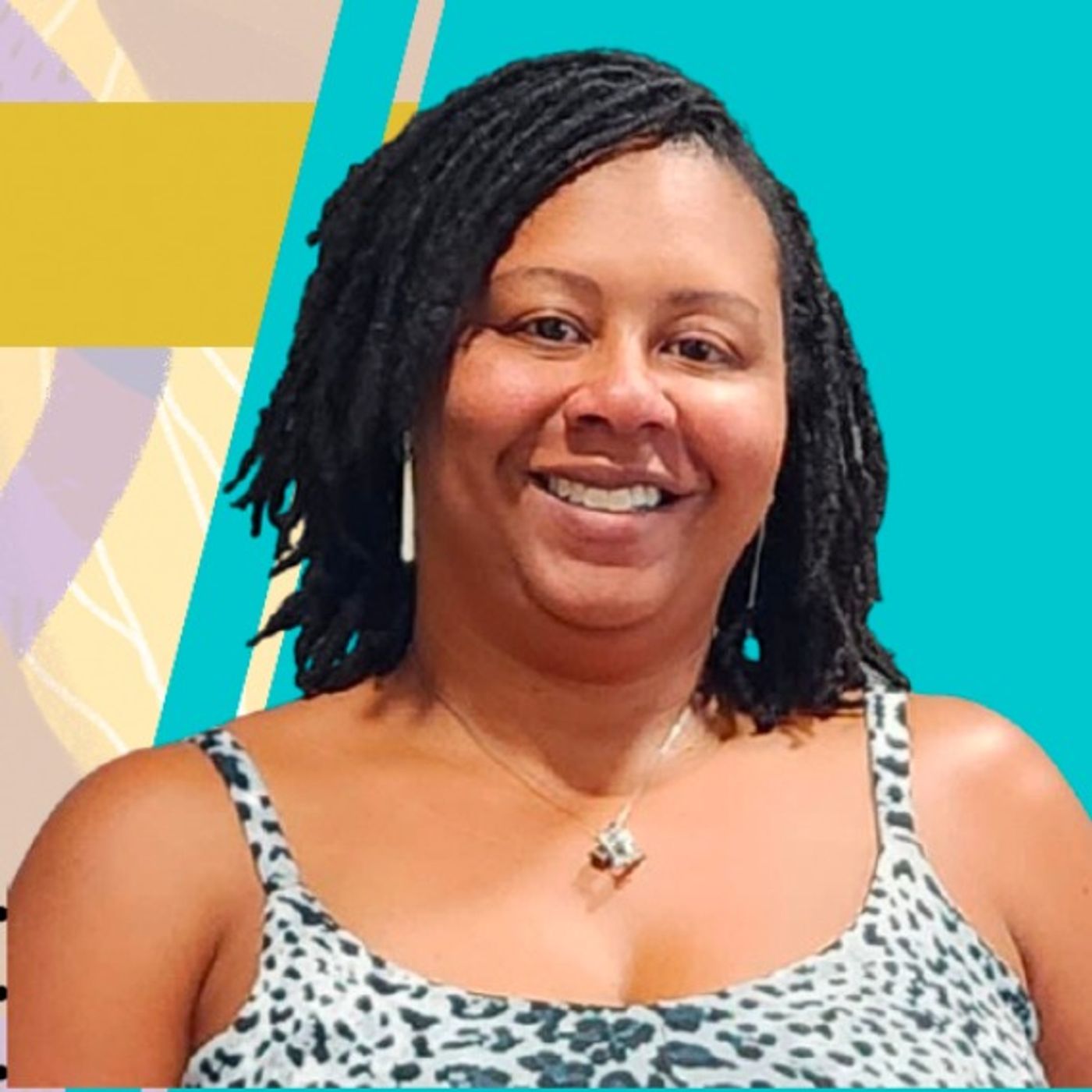
The Black Women Stitch 2024 Wall Calendar is available for preorder NOW! Do not miss out on your chance to and get your stitch together with a year of artistic inspiration!In this episode of the Stitch Please podcast, Lisa welcomes Tiffany Turned, a talented sewist, to share her transformative journey into sewing. Initially skeptical, she discovered her passion through a 30-minute skirt tutorial. With a background in civil engineering, Tiffany approaches sewing with precision and relishes in its step-by-step nature, appreciating the nuances that make a garment special. She champions cost-effective sewing, laying the foundation for her blog and vibrant social media presence where she shares valuable insights and reviews.Tiffany praises the sense of community in live sewing sessions, crediting the Black Sewing Network for fostering camaraderie. She discusses setting ambitious goals, emphasizing the importance of flexibility in the face of unforeseen circumstances. Tiffany's digital sketches in Adobe Photoshop serve as a visual guide for her projects, especially in intricate color-blocking. Recognizing the strengths of different platforms, Tiffany adapts her content creation process, emphasizing the visual appeal of sewing on Instagram. Her sewing journey is a testament to analytical thinking, creativity, and an enduring love for the craft, evident in her carefully crafted content and active engagement in live sessions.This episode showcases how Tiffany's sewing journey is a tapestry woven with threads of analytical thinking, boundless creativity, adaptability, and an unwavering love for her craft. Her dedication to enriching the sewing community is palpable in her meticulously crafted content and enthusiastic participation in live sewing sessions. Sign up for the Black Women Stitch quarterly newsletterCheck out our merch hereLeave a BACKSTITCH message and tell us about your favorite episode.Join the Black Women Stitch PatreonCheck out our Amazon Store Lisa WoolforkLisa Woolfork is an associate professor of English specializing in African American literature and culture. Her teaching and research explore Black women writers, Black identity, trauma theory, and American slavery. She is the founder of Black Women Stitch, the sewing group where Black lives matter. She is also the host/producer of Stitch Please, a weekly audio podcast that centers on Black women, girls, and femmes in sewing. In the summer of 2017, she actively resisted the white supremacist marches in her community, Charlottesville, Virginia. The city became a symbol of lethal resurging white supremacist violence. She remains active in a variety of university and community initiatives, including the Community Engaged Scholars program. She believes in the power of creative liberation. Tiffany TurnerTiffany Turner is a passionate sewist who discovered her love for sewing in adulthood. Tiffany always admired the idea of creating her own garments to have the perfect fit and style. In 2014, she finally took the plunge, inspired by a tutorial from Mimi G. Over the past decade, sewing has become her unwavering hobby. Tiffany has a background in civil engineering and her analytical mindset is evident in her meticulous approach to sewing. She enjoys breaking down sewing projects step by step, much like her engineering work. Tiffany encourages others to embrace this creative outlet and is dedicated to sharing tips, tricks, and reviews reflecting her commitment to building a supportive sewing community. Embracing social media platforms like TikTok, Instagram, and YouTube, Tiffany continues to inspire fellow sewists while maintaining her love for this fulfilling hobby. Insights from this episode:How Tiffany, a seasoned influencer, leverages her engineering background for a meticulous and analytical approach to sewing, treating patterns as blueprints for her creations.Tiffany's journey started with a desire for custom-made clothing as an adult, overcoming initial challenges with support from her husband. Tiffany's engineering mindset seamlessly integrates into her projects, relying on templates and structured approaches for planning and organization.Employing tools like Adobe Photoshop as a strategy for strategic planning, especially for complex tasks like color-blocking, showcasing the importance of digital sketches.Flexibility is key in Tiffany's approach; she advocates for adapting patterns, emphasizing creativity and liberation in the sewing process.How strategically utilizing various platforms like Instagram, TikTok, YouTube, and her blog, tailoring content to each one's strengths and target audience can help to further reach.Actively participating in sew-alongs with the Black Sewing Network, Tiffany values the sense of community and shared experience these events offer.Tiffany encourages listeners to prioritize enjoyment and avoid unnecessary stress, highlighting the importance of finding joy in the process of sewing.Sharing know
Ep 207African Zesty Couture with Grace Christopher
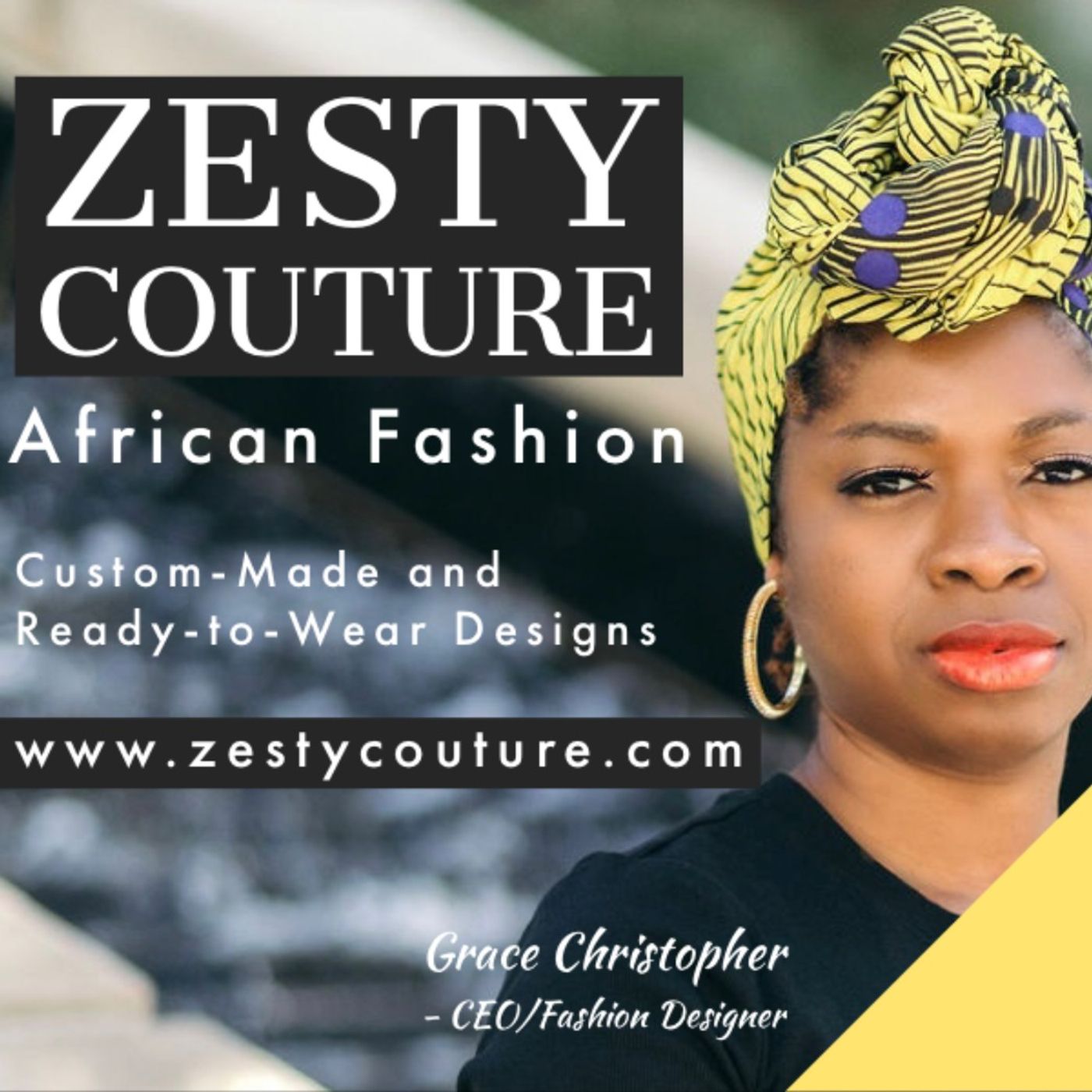
The Black Women Stitch 2024 Wall Calendar is available for preorder NOW! Do not miss out on your chance to and get your stitch together with a year of artistic inspiration!In this episode of the Stitch Please podcast, Lisa interviews Grace Christopher, the creative genius behind African Zesty Couture. Grace shares her journey into sewing, which began as a way to keep her mind active after moving to the United States (US) with her one-year-old child. Growing up in Nigeria, Grace had been exposed to her mother's sewing, but it wasn't until later that she truly delved into the craft. Grace's sewing journey began with an old treadle machine but when she moved to the US, she acquired an electric sewing machine, making her sewing experience more accessible. Her early projects were primarily for herself and her son, driven by a desire to connect with her Nigerian heritage. As Grace's sewing skills grew, so did her interest in different types of fabrics. She now offers a wide range of fabrics on her website, including Knit Ankara, Silk Adire, and Kampala. Grace provides insights into the cultural significance and unique characteristics of each fabric type, shedding light on their origins and traditional uses. Grace's approach to designing garments is influenced by her desire to celebrate the diversity of African fashion. She emphasizes the importance of allowing the fabric to speak for itself and encourages people to experiment with different styles and fabric combinations. Grace actively builds a sense of community among her customers through sew-alongs and challenges. These events provide opportunities for individuals to explore their creativity and gain confidence in working with African fabrics. The podcast episode concludes with Grace expressing her aspiration to flood the streets with African prints and her dedication to empowering others to embrace and incorporate these fabrics into their own creations. The conversation exemplifies the rich cultural tapestry that sewing can encompass, and the potential for creativity to connect people across continents.Sign up for the Black Women Stitch quarterly newsletterCheck out our merch hereLeave a BACKSTITCH message and tell us about your favorite episode.Join the Black Women Stitch PatreonCheck out our Amazon StoreGrace ChristopherGrace Christopher's journey is an extraordinary fusion of law and creative passion. Initially drawn to law, she devoted years to her legal career. However, her early exposure to her mother's sewing ignited a lasting passion. From her mother's vintage machine to crafting her own garments as a teenager, Grace's creativity found its roots. A move to the US and motherhood rekindled her love for sewing, inspiring her to blend her Nigerian heritage with her creative passion for sewing. Grace's designs breathe life into African fabrics, infusing them with modern flair. Through approachable teaching and challenges, she cultivates a community of creatives, aiming to saturate the streets with African fashion. As a mother, business owner, and designer, Grace exemplifies the transformative power of self-expression and celebrates the beauty of diversity. Lisa WoolforkLisa Woolfork is an associate professor of English specializing in African American literature and culture. Her teaching and research explore Black women writers, Black identity, trauma theory, and American slavery. She is the founder of Black Women Stitch, the sewing group where Black lives matter. She is also the host/producer of Stitch Please, a weekly audio podcast that centers on Black women, girls, and femmes in sewing. In the summer of 2017, she actively resisted the white supremacist marches in her community, Charlottesville, Virginia. The city became a symbol of lethal resurging white supremacist violence. She remains active in a variety of university and community initiatives, including the Community Engaged Scholars program. She believes in the power of creative liberation. Insights from this episode:How Grace’s experience with sewing was both a way to stay busy and to feel connectedGrace’s transition from practicing law to pursuing a career in sewing, driven by a desire to keep her mind active and find joy in creativityAfrican Zesty Couture, specializes in offering various types of fabrics that have cultural and regional significance, and she aims to provide a wide range of options to cater to different tastes and preferencesThe silk adire fabric, traditionally associated with the Yoruba people, is known for its tie-dye patterns and is now also produced in silk, giving it a unique texture.How Grace approaches design: sometimes starting with a specific fabric that inspires a creation, while other times she envisions a style and looks for a fabric to matchTikTok as a strategy to connect with others through sew-alongs and challenges, encouraging others to explore their creativity with African fabricsGrace hosts live TikTok session primarily on Fr

Ep 206Aaronica B. Cole: Designer and Sewing Influencer
Preorder your 2024 BWS Wall Calendar TODAY! Sign up for the Black Women Stitch quarterly newsletterCheck out our merch hereLeave a BACKSTITCH message and tell us about your favorite episode.Join the Black Women Stitch PatreonCheck out our Amazon StoreAaronica B. ColeAaronica B. Cole is a dynamic force in the world of sewing and creative expression. With a passion for using thread as a transformative tool, she's known for her audacious approach to style and fashion. Her journey has led her to embrace variegated threads, infusing her creations with unexpected contrasts and vibrant hues. Through her bold designs and unapologetic self-expression, Aaronica challenges norms and inspires others to do the same. Her recent venture into podcasting with the AudaSEWtea Podcast showcases her commitment to amplifying diverse voices and stories in the sewing community. With a genuine warmth and relatable charm, Aaronica brings a fresh perspective to the sewing world, proving that audacity and creativity go hand in hand. Lisa WoolforkLisa Woolfork is an associate professor of English specializing in African American literature and culture. Her teaching and research explore Black women writers, Black identity, trauma theory, and American slavery. She is the founder of Black Women Stitch, the sewing group where Black lives matter. She is also the host/producer of Stitch Please, a weekly audio podcast that centers on Black women, girls, and femmes in sewing. In the summer of 2017, she actively resisted the white supremacist marches in her community, Charlottesville, Virginia. The city became a symbol of lethal resurging white supremacist violence. She remains active in a variety of university and community initiatives, including the Community Engaged Scholars program. She believes in the power of creative liberation. Insights from this episode:How Aaronica's presence has grown and flourished with regards to her career since her last appearance on the podcast three years agoThe episode focuses on three key aspects of Aaronica's work: her designing ventures, including the Aurifil thread collection and Know Me pattern collection pattern collection, her family sewing endeavors, and her new podcast project with Julian CollinsAaronica introduces her Rustic Chic Thread CollectionThe Know Me pattern collection is praised for its representation and inclusivity in fashion design, highlighting the need for more diverse perspectives in the industryDiscussion of the historical lack of inclusivity in fashion design knowledge systems with an emphasis on the importance of creating designs that cater to a wide range of body types and backgroundsAaronica's new podcast venture, AudaSEWtea co-hosted with Julian, is introducedThe episode ends with Lisa extending an invitation for Aaronica and Julian to share their podcast journey on a future episode, showing support for their new endeavor Quotes from the show:“The notion that you don't have to be within one color scheme... You can mix and match these contrasting colors to create something that is so beautiful and uniquely you." - Aaronica B. Cole, Stitch Please, Episode #206"People think of clothing as something superficial... They don't dig deeper and understand the psychology behind fashion and behind the clothing choices that we make. Imagine walking around and only feeling good enough to wear a sack... as opposed to being able to see your body as being beautiful enough to actually adorn it." - Aaronica B. Cole, Stitch Please, Episode #206"I think what I've been thinking a lot about is a lot of the knowledge systems that have been developed for sewing in particular and for fashion by extension, were never made with black bodies in mind, period done. And it is, I think a flaw, a type of little flaw in the industry that started as something small in the 1940s but has never changed." - Lisa Woolfork, Stitch Please, Episode #206"And so it's become in my mind malignant. I find it malignant and I find it very negative, right? When we look at size charts, when we look at what proportions are supposed to be, but those were designed by, they looked only at the bodies of white women." - Lisa Woolfork, Stitch Please, Episode #206"Why should I look at this mainstream over here when, in fact, I am the mainstream." - Aaronica B. Cole, Stitch Please, Episode #206"I think that for too long marginalized people, the process of marginalization requires that we set aside what feels good and right to us because it's not what the majority does but that it's ridiculous. It's kind of like trying to make sure that you can fit in somebody else's clothes, right? We, we make our own clothes because we want things to fit us." - Lisa Woolfork, Stitch Please, Episode #206"I'm always talking about possibility models. It is important. It is hard for you to become that which you have never seen and you are visible out in the world doing amazing things and the victory is in the visibility and you have
Ep 205Garment Girlies of Black Sewing Network
Sign up for the Black Women Stitch quarterly newsletterCheck out our merch hereLeave a BACKSTITCH message and tell us about your favorite episode.Join the Black Women Stitch PatreonCheck out our Amazon Store Black Sewing NetworkBlack Sewing Network is a platform that celebrates and amplifies black voices in the sewing community. We host daily sewalongs on social media that encourage and motivate members of the sewing community to sew daily!Lisa WoolforkLisa Woolfork is an associate professor of English specializing in African American literature and culture. Her teaching and research explore Black women writers, Black identity, trauma theory, and American slavery. She is the founder of Black Women Stitch, the sewing group where Black lives matter. She is also the host/producer of Stitch Please, a weekly audio podcast that centers on Black women, girls, and femmes in sewing. In the summer of 2017, she actively resisted the white supremacist marches in her community, Charlottesville, Virginia. The city became a symbol of lethal resurging white supremacist violence. She remains active in a variety of university and community initiatives, including the Community Engaged Scholars program. She believes in the power of creative liberation.Insights from this episode:How the Garment Girlies got started with the Black Sewing NetworkHow LaShuan originally connected with Carmen Green through instagram, where Carmen hosted “Sew Saturdays”Why TikTok is a more vibrant platform to hostThe Black Sewing Network provided guidance, explanations for sewing terminology, and strategies for community membersHow going live on social media platforms helps to strengthen the community of sewers by supporting each other through challengesThe Black Sewing Network community encourages collaboration and mutual support, even helping each other to gain followers on social mediaBenefits of feeling safe and welcome in a communityEmphasis on how the Black Sewing Network community feels encouraged to pursue their own sewing styles and interests without pressure to conform to specific aestheticsExpressions of gratitude for the Black Sewing Network’s positive impact on their unique sewing journeysConversations surrounding garments include discussions about patterns used, various challenges faced during the sewing processes, and the significance of pieces createdThe Garment Girlies strategies to help us get our stitch together Quotes from the show:“BSN is really all about you being yourself and expressing yourself how you want to.” - Aiysha, Stitch Please, Episode # 205“It's just really that simple that you can be who you want to be and who you are and you can elevate that you could do it, how you want to do it, hack it, play around, I think with BSN it allows us to just play and have fun and try stuff out and seam rip a lot.” - Aiysha, Stitch Please, Episode #205“BSN is that environment where there are teachers, everybody's a teacher no matter what level you are… Whether you're in the role of the teacher or the role of the student, it's a safe place where we know that there's really an opportunity for everyone to learn.” - LaShuan, Stitch Please, Episode #205“I think that breaking down barriers can be one of the first steps to learning.” - Lisa Woolfork, Stitch Please, Episode #205“Just start. It doesn't matter where you're starting from. Like I said earlier, I started my Instagram and tiktok in March of this year and here I am a BSN host. I never would have thought I would have that even, no one would have even known who I was at this point in time.The community will meet you where you're at and just start, you never know who you're going to influence who you're gonna impact and what your story could do for somebody else, even if we're just sewing.” - DeJanee, Stitch Please, Episode #205“To those that are listening, those that are watching, to just simply be you. Like, I think when it comes to sewing, you have so many opportunities, so many ways to be able to express yourself. There was always a saying that I would say that style is the inner workings of you and fashion is the show for everyone to see.” - Aiysha, Stitch Please, Episode #205 Resources Mentioned:Black Sewing Network Stay ConnectedYouTube: Black Women StitchInstagram: Black Women StitchFacebook: Stitch Please PodcastLisa WoolforkInstagram: Lisa WoolforkTwitter: Lisa Woolfork Black Sewing NetworkWebsite: Black Sewing NetworkFacebook: Black Sewing NetworkInstagram: Black Sewing NetworkTiktok: Black Sewing NetworkLinkTree: Black Sewing NetworkEmail: [email protected] The BSN Garment GirliesTikTok accountsTyJari @mightysewAiysha @maloriadesignsByrd @yogabyrd (Instagram: @yogabyrdsews)DeJanee @deja_made_itLaShuan @sewphistocateddesigns Subscribe to our podcast + download each episode on Apple Podcasts and Spotify.This episode was produced and managed by Podcast Laundry.Sign up for the Black Women Stitch quarterly newsletterCheck out our merc

Ep 204Bag Girlies of Black Sewing Network
Sign up for the Black Women Stitch quarterly newsletter! Check out our merch here Join the Black Women Stitch PatreonAmazon StoreBlack Sewing NetworkBlack Sewing Network is a platform that celebrates and amplifies black voices in the sewing community. We host daily sewalongs on social media that encourage and motivate members of the sewing community to sew daily!Black Sewing NetworkWebsite: Black Sewing NetworkFacebook: Black Sewing NetworkInstagram: Black Sewing NetworkTiktok: Black Sewing NetworkLinkTree: Black Sewing NetworkEmail: [email protected] BSN Bag GirliesTiktok: Nikki DTiktok: LanaeTiktok: Tanisha Lisa WoolforkLisa Woolfork is an associate professor of English specializing in African American literature and culture. Her teaching and research explore Black women writers, Black identity, trauma theory, and American slavery. She is the founder of Black Women Stitch, the sewing group where Black lives matter. She is also the host/producer of Stitch Please, a weekly audio podcast that centers on Black women, girls, and femmes in sewing. In the summer of 2017, she actively resisted the white supremacist marches in her community, Charlottesville, Virginia. The city became a symbol of lethal resurging white supremacist violence. She remains active in a variety of university and community initiatives, including the Community Engaged Scholars program. She believes in the power of creative liberation. Insights from this episode:Why the Bag Girlies love bags and how they started their sewing journeysNikki’s gorgeous bag sets and details behind each bagWhat NCW stands for and its different sizes and styles, as well as, the reason behind its popularityDifferent materials that the Bag Ladies use in making their bagsThe balance between functionality and form in bag-makingThe creative process behind the Bag LadiesThe “Melesi Tote” sewing techniqueInsights about the “Could I Be Any Clearer?” stadium bagSew Motivee’s design modifications that are being done by TanishaNikki and Tanisha’s collaboration on designsDetails behind Lanae’s “Fiona Foldover” bagThe Bag Girlie’s different styles and how they’re all connected with a strong line of creativity and clean sewing.Insights about the “T-Rex” bag style and why Nikki loves itThe difference between zipper-sewing in a bag and zipper-sewing in a garmentSome final words of wisdom Quotes from the show:“I do love how you each have your own style, your own different origin story for coming to bags, but, the thing that I find so, just so remarkable about all of your work is the way that it’s kind of connected with this strong line of creativity, a clean sewing, they’re really ambitions, they encourage people to try something new” – Lisa Woolfork, Stitch Please, Episode #204“I think that it represents a really great aspect of the Black Sewing Network; that you all are Bag Girlies, but you are as different from one another, right, and you’re not all sewing the same things, you’re all doing different things. You’re using different fabrics and even if you use some of the same fabrics, it would be different outcomes. If you use some of the same shapes, it will look a bit different” – Lisa Woolfork, Stitch Please, Episode #204“Just do it! Just try it! Even if you are scared, like, I was scared to death to start bags, but I just did it. The first one, very questionable, but I did it. And the second part to that, is “Take your time!”. I am doing a bag right now and it’s taking me forever. I think Nikki asked about it on one of my Tiktoks. It’s fifty million pieces, but I’m not a quitter, so I’m gonna finish that bag. But take your time because you wanna make sure that you grasp whatever concept it is that’s telling you to do the bag or the process, and then you wanna make sure it sticks and then that will help you in the end, as far as other bag making.” – Lanae, Stitch Please, Episode #204“Give yourself grace! You’re not gonna be out the gate perfect at anything, you’re gonna have that first test run. So, give yourself grace and be patient.” – Nikki, Stitch Please, Episode #204“Enjoy the journey! I’ve been growing my hair for nineteen years, so, same rules apply with bag-making. Do not try to go from “brand new” to “professional” overnight, it ain’t gonna happen, plus you’re gonna skip learning so many amazing feels. Enjoy the journey, enjoy that first bag you make, enjoy that first wallet you make, enjoy that first hand-bag you make.” – Tanisha, Stitch Please, Episode #204 Resources Mentioned:Necessary Clutch WalletThe “Melesi Tote” sewing techniqueTiktok https://www.tiktok.com/Sew Your Bag https://sewyourbag.com/Etsy https://www.etsy.com/ Stay Connected:YouTube: Black Women StitchInstagram: Black Women StitchFacebook: Stitch Please Podcast Lisa WoolforkInstagram: Lisa WoolforkTwitter: Lisa Woolfork Subscribe to our podcast + download each episode on Apple Podcasts and Spotify. This episode was produced a
Ep 203Sister Sewists of Black Sewing Network
Sign up for the Black Women Stitch quarterly newsletter! Check out our merch here Leave a BACKSTITCH message and tell us about your favorite episode. Join the Black Women Stitch PatreonAmazon Store Black Sewing NetworkBlack Sewing Network is a platform that celebrates and amplifies black voices in the sewing community. We host daily sewalongs on social media that encourage and motivate members of the sewing community to sew daily! Lisa WoolforkLisa Woolfork is an associate professor of English specializing in African American literature and culture. Her teaching and research explore Black women writers, Black identity, trauma theory, and American slavery. She is the founder of Black Women Stitch, the sewing group where Black lives matter. She is also the host/producer of Stitch Please, a weekly audio podcast that centers on Black women, girls, and femmes in sewing. In the summer of 2017, she actively resisted the white supremacist marches in her community, Charlottesville, Virginia. The city became a symbol of lethal resurging white supremacist violence. She remains active in a variety of university and community initiatives, including the Community Engaged Scholars program. She believes in the power of creative liberation.Insights from this episode:Brittanie and SheShe’s sewing journey and in Black Sewing NetworkBrittanie’s goal of learning, to basically understand what she’s doing. Her approach to developing her skills, being strategic and choosing who to learn fromSheShe’s habit of “over consuming” and her goal of passing on her knowledge to others, in the easiest possible wayBrittanie and SheShe’s current products when sewingThe difference between hoarding and provisioningInsights about whether to choose the design or the fabric first“Knit Fabric” as a textileLisa talks about her two upcoming books; a book about “Black Stitch Liberation” and a book about where certain fabrics came fromBrittanie and SheShe uncover the Black Sewing Network storySome final words of wisdom Quotes from the show:“Once you have your machine and you take it out of the box, first of all take it out of the box, don’t waste that money; because if you’re not gonna take it out of the box, you shouldn't have bought it. There is no such thing as a “beginner”. You will forever be a “beginner” if you never try, you have to try. It’s a whole community that will literally walk you through the project step-by-step. We have set up work of one hour to eleven hours on live, we’re not gonna leave you. Take it out of the box, we got you.” – Brittanie, Stitch Please, Episode #203“Start somewhere! Find somewhere to start. It’s like if you have a mess in your house, focus on one thing and start there first and then tackle a little at a time. And don’t try to think you can do everything, starting off at the back; because then you’re gonna get overwhelmed, and when you get overwhelmed, you just wanna quit. So, find somewhere to start and start there.” – SheShe, Stitch Please, Episode #203 Resources Mentioned:Emerald Curtain https://emeraldcurtainfabric.com/Nicole Elise https://www.nicoleelise.shop/Accuquilt https://www.accuquilt.com/ Stay Connected:YouTube: Black Women StitchInstagram: Black Women StitchFacebook: Stitch Please Podcast Lisa WoolforkInstagram: Lisa WoolforkTwitter: Lisa Woolfork Black Sewing NetworkWebsite: Black Sewing NetworkFacebook: Black Sewing NetworkInstagram: Black Sewing NetworkTiktok: Black Sewing NetworkLinkTree: Black Sewing NetworkEmail: [email protected] BrittanieInstagram: BrittanieTiktok: Brittanie SheSheInstagram: SheSheTiktok: SheShe, SheShe Subscribe to our podcast + download each episode on Apple Podcasts and Spotify. This episode was produced and managed by Podcast Laundry.Sign up for the Black Women Stitch quarterly newsletterCheck out our merch hereLeave a BACKSTITCH message and tell us about your favorite episode.Join the Black Women Stitch PatreonCheck out our Amazon StoreStay Connected:YouTube: Black Women StitchInstagram: Black Women StitchFacebook: Stitch Please Podcast

Ep 202Sketch to Stitch: NY Fashion Week with Sahara Clemons
Sign up for the Black Women Stitch quarterly newsletter! Check out our merch here Leave a BACKSTITCH message and tell us about your favorite episode. Join the Black Women Stitch PatreonAmazon Store Lisa WoolforkLisa Woolfork is an associate professor of English specializing in African American literature and culture. Her teaching and research explore Black women writers, Black identity, trauma theory, and American slavery. She is the founder of Black Women Stitch, the sewing group where Black lives matter. She is also the host/producer of Stitch Please, a weekly audio podcast that centers on Black women, girls, and femmes in sewing. In the summer of 2017, she actively resisted the white supremacist marches in her community, Charlottesville, Virginia. The city became a symbol of lethal resurging white supremacist violence. She remains active in a variety of university and community initiatives, including the Community Engaged Scholars program. She believes in the power of creative liberation.Sahara ClemonsSahara Clemons is a multimedia artist and designer born in Washington D.C and based in Charlottesville, Virginia. Clemons revels in the fluidity of artistic mediums and interweaves painting, textiles, and dance in her creative process. Her work explores the intersection of race and gender and provides commentary on the socio-political forces that shape identity. Her work has been shown at the Virginia Museum of Fine Arts, Second Street Gallery, The Bridge Progressive Arts Institute, and McGuffey Art Center. Clemons is a YoungArts alumni and is currently pursuing a Bachelor of Fine Arts Degree from Rhode Island School of Design.Insights from this episode:How to go from ‘sketch’ to ‘stitch’The techniques behind textile manipulationThe importance of defining your purpose when doing creative workTips for overcoming your fear of making mistakes and taking chancesBeing creative when you don’t have a lot of resourcesQuotes from the show:“I feel like I’m a very conceptual person when it comes to making, and I think it always starts off with the story. Mainly I think the core aspect of that is making it personal and authentic to my journey as not just an artist, but as a person.” – Sahara Clemons, Stitch Please, Episode #202 [05:53]“I think too often we think about sewing or fashion and manufacturing, but that’s not all that you’re doing and this is one of the reasons I think that fashion is art. The same things that we see in art, or the things that go into making art, go into making the garments that we ultimately see.” – Lisa Woolfork, Stitch Please, Episode #202 [08:51]“What I appreciate about fashion is that idea of community-building and bringing people into the clothing.” – Sahara Clemons, Stitch Please, Episode #202 [11:35]“I wanted the collection to go through the transition of a person’s mindset when it comes to body exploration… knowing that it is a healing process rather than, ‘this is okay, my scars are okay.’ With all of society and you yourself, it’s hard to feel that way and it’s really challenging to go through that process, and that’s what I wanted to share. That it’s more about this healing and embracing a new perspective of yourself rather than an immediate dopamine rush of what it is, because it is hard sometimes to let go.” – Sahara Clemons, Stitch Please, Episode #202 [25:40]“I paralleled [pearls] with this idea of feeling like your body is an antagonizing force. Seeing how you can turn that around and how that creates in yourself this beauty and thing you have to overcome with yourself is a powerful journey that ends up being very beautiful.” – Sahara Clemons, Stitch Please, Episode #202 [35:40]Resources Mentioned:Sahara’s first appearance on the Stitch Please podcastSupima Design CompetitionCLO computer-assisted 3D design programThis week’s episode is sponsored by AccuQuiltStay Connected:YouTube: Black Women StitchInstagram: Black Women StitchFacebook: Stitch Please PodcastLisa WoolforkInstagram: Lisa WoolforkTwitter: Lisa WoolforkSahara ClemonsWebsite: Sahara ClemonsInstagram: sgcoriginalsSubscribe to our podcast + download each episode on Apple Podcasts and Spotify.This episode was produced and managed by Podcast Laundry.Sign up for the Black Women Stitch quarterly newsletterCheck out our merch hereLeave a BACKSTITCH message and tell us about your favorite episode.Join the Black Women Stitch PatreonCheck out our Amazon StoreStay Connected:YouTube: Black Women StitchInstagram: Black Women StitchFacebook: Stitch Please Podcast

Ep 201Fall Sewing Plans
Sponsored by Accuquilt! Sign up for the Black Women Stitch newsletter! Check out our merch here Leave a BACKSTITCH message and tell us about your favorite episode. Join the Black Women Stitch Patreon Amazon StorePatterns Mentioned: Vogue 1940, Simplicity 8982, Mimi G for Simplicity 9687 KnowMe 2046, The Rushcutter Dress by In the Folds, The Naomi Shirt by Coffee and ThreadLisa WoolforkLisa Woolfork is an associate professor of English specializing in African American literature and culture. Her teaching and research explore Black women writers, Black identity, trauma theory, and American slavery. She is the founder of Black Women Stitch, the sewing group where Black lives matter. She is also the host/producer of Stitch Please, a weekly audio podcast that centers on Black women, girls, and femmes in sewing. In the summer of 2017, she actively resisted the white supremacist marches in her community, Charlottesville, Virginia. The city became a symbol of lethal resurging white supremacist violence. She remains active in a variety of university and community initiatives, including the Community Engaged Scholars program. She believes in the power of creative liberation.Get Your Stitch Together tips from the episode:Lisa's fall sewing plans to accommodate her medical bootHer plans to make a failed Simplicity knit pattern againHow wide leg pants could fit over her bootIdeas for hacking a Vogue dress into a tunicTips for extending a shirtdress into a tunicTricks for adjusting patterns for curvy figuresLisa's thoughts on dress pockets and stretchy zippersHow Mimi G's wide pants could work with the bootFabrics Lisa enjoys for fall sewing Sign up for the Black Women Stitch quarterly newsletterCheck out our merch hereLeave a BACKSTITCH message and tell us about your favorite episode.Join the Black Women Stitch PatreonCheck out our Amazon StoreStay Connected:YouTube: Black Women StitchInstagram: Black Women StitchFacebook: Stitch Please Podcast

Ep 200Bisa Butler
Sponsored by Accuquilt! Sign up for the Black Women Stitch quarterly newsletter! Check out our merch here Leave a BACKSTITCH message and tell us about your favorite episode. Join the Black Women Stitch PatreonAmazon StoreLisa WoolforkLisa Woolfork is an associate professor of English specializing in African American literature and culture. Her teaching and research explore Black women writers, Black identity, trauma theory, and American slavery. She is the founder of Black Women Stitch, the sewing group where Black lives matter. She is also the host/producer of Stitch Please, a weekly audio podcast that centers on Black women, girls, and femmes in sewing. In the summer of 2017, she actively resisted the white supremacist marches in her community, Charlottesville, Virginia. The city became a symbol of lethal resurging white supremacist violence. She remains active in a variety of university and community initiatives, including the Community Engaged Scholars program. She believes in the power of creative liberation. Bisa ButlerBisa Butler is an award winning African American textile artist known for her vibrantly stunning larger than life sized quilted portraits that captivate viewers around the world. Formally trained, Butler graduated Cum Laude from Howard University with a Bachelor’s in Fine Art degree and it was during this time that she began to experiment with fabric as a medium and became interested in collage techniques. She then went on to earn a Master’s in Art from Montclair State University in 2005. While in the process of obtaining her Master’s degree, Butler took a Fiber Arts class where she had an artistic epiphany and she finally realized how to express her art. “As a child, I was always watching my mother and grandmother sew, and they taught me. After that class, I made a portrait quilt for my grandmother on her deathbed, and I have been making art quilts ever since.”After working as a high school art teacher for thirteen years, Butler was awarded a Gordon Parks Foundation Fellowship in 2002 and exhibited in Switzerland during Art Basel with the Jeffrey Deitch Gallery. Many institutions and museums have acquired Butler’s work including the Art Institute of Chicago for a solo exhibition, The Smithsonian National Museum of African American History and Culture, and The Renwick Gallery of the Smithsonian American Art Museum. Insights from this episode:Why it’s important to uplift and encourage each other, starting with the children in our livesHow Bisa uses her art to affirm the dignity of historical figuresThe process of researching historical figures and time periods to accurately portray them through artHow different colors play into the meaning expressed in her artHow Bisa infuses her quilts with the music she’s listening to as she createsWhat happens when you stop starting with ‘white’ as a defaultInsights into the difference between studying art education (teaching people how to make art) vs. learning how to make art yourselfQuotes from the show:“I’m always seeking for truth and to find those essential truth elements about Black people.” – Bisa Butler, Stitch Please, Episode #200“I have had people ask me, people who don’t necessarily look like us so they don’t have a full understanding, ‘I notice that you make all of your subjects look regal. Why, or what’s the process of that?’ I would say I’m just looking at them and this is the way they appear to me. I’m not trying to make them look regal; if anything maybe it’s just that you’re looking at them more carefully. The dignity or that inner regality, I can’t give it to them; they have it already.” – Bisa Butler, Stitch Please, Episode #200“My interest in colorism is why the features look very African American. I don’t want to dilute that in any way. I’m loving our full lips, broad noses, or whatever the case may be.” – Bisa Butler, Stitch Please, Episode #200“I love that word ‘talisman’ because it acknowledges that spiritual resonance and also having a mantra. We’ve always been very spiritual people and we’ve always been people who have to think hopefully and we have to think about the world beyond us or even after us. A lot of times we have to pray for our living relatives who we may not be able to protect in the way that we want to.” – Bisa Butler, Stitch Please, Episode #200“Music is such a strong form of communication; it’s such a strong form of art because you don’t need words, you just need to hear the sound to understand somebody’s emotional output. The composer, musician, they can make you feel sad, they can make you feel happy, they can make your heartbeat go faster, they can make you go to sleep. That’s a control of power that can be passed down through the ages. The music, as long as it’s in a form that you can hear, you can hear how somebody felt hundreds of years before you.” – Bisa Butler, Stitch Please, Episode #200“The music to me is more than an aid; it’s the explanation.” – Bis

Ep 199Chawne Kimber: A Sew Black live episode
Start of the show. 0:09Welcome to stitch please, official podcast of black women's stitch.Black women at quilt con.Finding a safe place from her heart to land.Quilting as a way to escape mathematics.What does “I miss hope” bring to me? 3:33The scale of I miss hope.The frustration and tension of following the news.The intersection of quilting and activism.The process of creating a statement quilt.Defining risks as risks. 8:38Risks in her work and how she defines them.Being featured by scholastic.Being a Scholastic Book Fair girl.Black girl math magic. 12:56The Black girl math magic subscription box.The Renwick museum acquisition process.All makers except hetero white males.The call from the Renwick curator.America owns my quilt. 18:05America owns her quilt.The poker metaphor, bet on yourself and win.Bipac quilters are being relegated to a separate category.The binary of beautiful quilts and statement quilts.How she thinks about balance in her work. 22:22The 10th anniversary of quilt con.How quilting has changed over the last decade.A scene from Amadeus.Balance between texture and the overall aesthetic of the piece.How to leave space without leaving space? 25:57How to quilt with an out-of-focus line.How Instagram is controlling quilting.Small pieces of art on a wall.Creating a quilt for instagram.The words “I can't breathe” 29:38Chawne makes the words to express his thoughts.The title of the episode, patchwork to power.Black women's liberatory stitching traditions.Power, liberation and process of stitching quilts.The power of the needle and needle. 34:12The power of the needle and needle.Words of wisdom for the interviewee.Take care of yourself and your health.Support Black Women Stitch on Patreon.Sign up for the Black Women Stitch quarterly newsletterCheck out our merch hereLeave a BACKSTITCH message and tell us about your favorite episode.Join the Black Women Stitch PatreonCheck out our Amazon StoreStay Connected:YouTube: Black Women StitchInstagram: Black Women StitchFacebook: Stitch Please Podcast

Ep 198Rashida Coleman Hale: Sew Black Live
This episode of the Stitch Please podcast features Naomi Johnson as host interviewing guest Rashida Coleman Hale and Lisa, live at the Modern Quilt Guild's 10th anniversary QuiltCon event in Atlanta. Lisa explains her motivation for attending QuiltCon for the first time and shares her excitement over the increased representation of Black women and Black-owned businesses at the event. Rashida discusses debuting her new fabric line and the emotional experience of seeing Black women wearing and excited about her fabrics. The hosts share their "fangirl" moments meeting renowned Black quilters like Latifah Saafir in person. They also discuss Lisa's intentionality about who she chooses to collaborate with for Black Women Stitch projects, and her realization that suffering through unpaid work would not dismantle capitalism or white supremacy - but taking resources to support Black women's crafts could. The hosts and Rashida share advice on self-care and "getting your stitch together" during difficult times. The episode celebrates community, ancestral crafts, collaboration, and joyful spaces for Black women quilters.Sign up for the Black Women Stitch quarterly newsletterCheck out our merch hereLeave a BACKSTITCH message and tell us about your favorite episode.Join the Black Women Stitch PatreonCheck out our Amazon StoreStay Connected:YouTube: Black Women StitchInstagram: Black Women StitchFacebook: Stitch Please Podcast

Ep 197Stitching Ancestry: A Sew Black Live episode with Sarah Bond and e bond
Introduction to this episode. 0:09Welcome to the official podcast of Black Women Stitch, the sewing group, where Black Lives matter.Thanks to underwriters Spoonflower, Moda, and BerninaThis is a “very special episode” because this episode is Sew Black at Quiltcon.Watch word of the day. 3:21Sarah has been collaborating with dead women from her family for the last 30 years, and now she gets to collaborate with an actual live bond thanks to her collaboration with her cousin, e bondBringing the two different ways of thinking about conversation visually and not always in terms of sound to the Word of Mouth quilt.Working with Lavinia. 7:25Lavinia was her great-great-grandmother Three quilts from Lavinia are on display.Lavinia was born enslaved in 1858 and lived a difficult life. She was making this to express something that she needed to express.The audacity of a woman born to slavery.Black Aliveness. 10:39In an antiBlack world, Blackness is demanded of Black people. In a Black world, being is all that is required.Lavinia Unbound quilt.What do you see in this piece? 12:33Sarah is now part of the collections. She will always pick a quilt that is from either Anna or Lavinia that they then remake in the fabric as part of inspiration. She gets to name it.In e bond’s first collection, Glyphs, the fabric designed to represent the genius scifi author Octavia Butler, reflects the balance between data and barbed wire.Jane was born in 1828. 15:19This quilt was made by Jane, who was born in 1828, and is a white glove situation to prevent oils from hands from touching the quilt.Jane had two sons by Preston.The moment when it suddenly occurred to me. 17:26She was there for 18 years before he took advantage of her. She had other children that she was not able to keep.She made quilts together with her sister.How did the quilt get its name? 21:30The quilt is a basket quilt in red, blue and white, in red and blue, and white. It is in the 1870s and was popular at that time.It was a popular quilt pattern that was popular in that time, and some of the reds and blues faded out.Thank you to our sponsors and audience. 24:52The podcast is a live show at Quiltcon. They are grateful to their sponsors, their audience, and to e bond and Sarah Bond for bringing an inexplicably powerful reminder of who and what Black women are capable of.If you'd like to support the Stitch Please podcast financially, you can do that by supporting them on Patreon.Sign up for the Black Women Stitch quarterly newsletterCheck out our merch hereLeave a BACKSTITCH message and tell us about your favorite episode.Join the Black Women Stitch PatreonCheck out our Amazon StoreStay Connected:YouTube: Black Women StitchInstagram: Black Women StitchFacebook: Stitch Please Podcast

Ep 196Stitching For the Culture: A SEW BLACK LIVE EPISODE
Celebrate the 200th episode of the Stitch Please podcast by contributing to the next 200 episodes.Join the Black Women Stitch Patreon community to get videos of the podcast, BTS, and other bonus content. Donate via Act Blue (tax deductible) to support our Capacity Building campaign in September and October. Donations earn bonus entries for the giveway. Stitching FOR THE CULTURE, Produced by Latrice Sampson RichardsSara Trail, Social Justice Sewing Academy @sjsacademy www.sjsacademy.orgBianca Springer, Thanks I Made Them @thanksImadethem www.thanksImadethem.comNikki Griffin @sewingmystyle www.sewingmystyle.comHighlights:0:09 - Dive into a world where stitching, culture, and Black lives interweave. Welcome to our official Sew Black at quiltcon podcast episode!4:42 - Bianca, the creative genius behind "Represent! Embroidery” book, opens up about her journey. Discover how a period of recovery birthed an Black-centered embroidery book with vibrant designs, and how the essence of it evolves.10:30 - The panel sheds light on the importance of culture. They tackle the misrepresentations in white spaces and stress the significance of nurturing self-agency and autonomy in children.12:01 - Meet Nikki Griffin, an Atlanta native with an unstoppable sewing spirit. From bras to jeans, her contributions to the Atlanta sewing style are nothing short of inspiring.17:27 - Sewing transcends craft. Learn about its power for social justice, its global movement, and its deep resonance within the Black women community of Atlanta.20:42 - Support stitches community. Applause for the amazing Social Justice Sewing Academy team for their continuous dedication and passion. Together, they're revolutionizing the art through fabric and giving a fresh, unique experience for kids.25:13 - Rules, boundaries, and quilting? Sarah delves into how traditional quilting norms can sometimes confine and control, urging listeners to 'get their stitch together.'26:49 - Expand your horizons.Sign up for the Black Women Stitch quarterly newsletterCheck out our merch hereLeave a BACKSTITCH message and tell us about your favorite episode.Join the Black Women Stitch PatreonCheck out our Amazon StoreStay Connected:YouTube: Black Women StitchInstagram: Black Women StitchFacebook: Stitch Please Podcast

Ep 195Tea with Queen and J visits Stitch Please!
Sign up for the Black Women Stitch quarterly newsletter! Check out our merch here Leave a BACKSTITCH message and tell us about your favorite episode. Join the Black Women Stitch PatreonAmazon Store QueenQueen is a Bronx native with a Harlem heart, did college in Queens, currently resides in Brooklyn, and like most New Yorkers forgets Staten Island exists. Creating safe, nourishing spaces for Black femmes and folks impacted by misogynoir through digital media and live events is her style of activism. She is one half of The Tea with Queen and J. podcast and centers dismantling white supremacist patriarchal capitalism, because why the fuck not! Always encouraging healthy community building, her podcast’s annual Black podcast meetup, #PodinLiveNYC, has grown into the largest Black podcaster meetup in the world! Ms.Vixen, her online magazine, has been running 7 years strong, and with the addition of live events and workshops through the Ms.Vixen IRL series, plus Ms. Vixen The Podcast, she continues to deliver incisive, witty, lit womanist perspectives on pop culture, media, and politics. Queen’s work has also been featured at Afropunk.com, AMny, and you can catch her as a panelist on the youtube series, The Grapevine. Always someone with something to say, her goal is media domination, to always have huge hair, and to always stay fly. J.J. is a cultural critic, podcast producer, and a womanist race nerd from the Bronx focused on dismantling white supremacist patriarchal capitalism while laughing, drinking tea, and indulging in various forms of Black joy. For over five years she's created audio content centering Black women and Black femme-identifying individuals, exploring America's caste system, allowing herself to learn and be challenged publicly, and sharing her journey through mental health. As a podcast geek with a commitment to increasing visibility and access for people of color, she co-founded #PodinLiveNYC, the largest annual Black podcast meetup in the world. In addition to freedom and liberation, Janicia loves cosplay, believes there's a special place in her heart (and hell) for body paint, and lovingly asks that you do not call her a "lady". Lisa WoolforkLisa Woolfork is an associate professor of English specializing in African American literature and culture. Her teaching and research explore Black women writers, Black identity, trauma theory, and American slavery. She is the founder of Black Women Stitch, the sewing group where Black lives matter. She is also the host/producer of Stitch Please, a weekly audio podcast that centers on Black women, girls, and femmes in sewing. In the summer of 2017, she actively resisted the white supremacist marches in her community, Charlottesville, Virginia. The city became a symbol of lethal resurging white supremacist violence. She remains active in a variety of university and community initiatives, including the Community Engaged Scholars program. She believes in the power of creative liberation. Insights from this episode:Making spaces like music festivals feel more welcoming to queer folksCreating intergenerational events that appeal to everyone and avoid ageismThe effect of marginalized people thinking from a scarcity mindsetWho gets their work published and whyWhy it’s important to remember that there is always room for your voice and your storyThe role of capitalism in holding us back from pursuing our interests Quotes from the show:“The community activated to provide a kind of care, and I think that is something that you really can’t harness or you can’t force.” – Lisa Woolfork, Stitch Please, Episode #195“I think as a marginalized person you’re always thinking about the deficit; you’re always thinking about the scarcity. On purpose you’re made to think there’s not enough for everyone, so you don’t ask for more. If there’s not enough, you won’t ask for more. If there’s not enough, you won’t require more. If there’s not enough, you won’t expect more. That’s just what is stuck down your throat as a marginalized person. So it is really important for us to remind everyone that the market can never be saturated. That language in itself is exclusionary to make you not want to do this, to make you think it’s not possible for you to be in a space.” – Queen, Stitch Please, Episode #195“People don’t think of all the players in capitalism and how invested corporations are in keeping independent creators, entrepreneurs, out of this space… They want to control the market, so they will tell you the market is flooded until they’re ready to play. There’s a lot at work to keep individuals from playing whatever the game is.” – J., Stitch Please, Episode #195“There’s a lot of that trying to maintain the status quo, and that is a symptom and a function of maintaining the capitalisty, and all of these little things work to the benefit of those on top of the financial hierarchy that we have, and that is power.” – J., Stitch Ple

Ep 194Her Hoop Dreams
Sign up for the Black Women Stitch quarterly newsletter! Check out our merch here Leave a BACKSTITCH message and tell us about your favorite episode. Join the Black Women Stitch PatreonAmazon Store Jennifer OldhamJennifer Oldham is a thread artist who creates beautiful embroidery hoop designs through which we can see our sisters and ourselves. Jennifer shares her designs through @herhoopdreams and a collection of her work was recently displayed at the Nashville Hermitage Library. While her mom has sewn throughout her entire life and she wore handmade clothes regularly including to her prom and her wedding, Jennifer never took to sewing like her mom did but used the skill when she first got married and couldn’t afford to buy curtains and placemats, making them herself. Still, she understood the beauty, skill, and time it takes to make things by hand and eventually found her joy in embroidering. Lisa WoolforkLisa Woolfork is an associate professor of English specializing in African American literature and culture. Her teaching and research explore Black women writers, Black identity, trauma theory, and American slavery. She is the founder of Black Women Stitch, the sewing group where Black lives matter. She is also the host/producer of Stitch Please, a weekly audio podcast that centers on Black women, girls, and femmes in sewing. In the summer of 2017, she actively resisted the white supremacist marches in her community, Charlottesville, Virginia. The city became a symbol of lethal resurging white supremacist violence. She remains active in a variety of university and community initiatives, including the Community Engaged Scholars program. She believes in the power of creative liberation. Insights from this episode:How Jennifer discovered an art form that spoke to herExpressing facial features in a realistic way through embroidery and getting the details rightHow learning and unlearning play an important role in both the creating process and in lifeWhere Jennifer gets her inspiration fromThe importance of seeing ourselves and people who look like us expressed through artThe therapeutic power of creative art forms Quotes from the show:“You are creating things from your needle and thread that are a reflection of so much Black beauty, so much patience, so much intricate detail.” – Lisa Woolfork, Stitch Please, Episode #194“Even now I still take things to my mother’s house for her to sew them!” – Jennifer Oldham, Stitch Please, Episode #194“A part of the journey that I’m on is one of unlearning things that don’t fit who I am now and recreating myself–or creating myself and being intentional about that.” – Jennifer Oldham, Stitch Please, Episode #194“This is my year, this is my time, this is my phase of life. Finding me, rediscovering me, taking the pieces that still work and basically stitching them together.” – Jennifer Oldham, Stitch Please, Episode #194“Learning and unlearning, all of these are such vital elements of what it means to just exist in this world, and you have given us a model for putting that not on stage or Instagram where that feels sometimes so forced, but making something really permanent and beautiful and taking the time to do so. That’s something I really appreciate, the care and detail about your work.” – Lisa Woolfork, Stitch Please, Episode #194“Sometimes people have asked me how do you decide what to make, and it’s just whatever I’m interested in at the moment; there is no rhyme or reason. I’m just like ‘I want to make that!’, so I make it. Which is very freeing! There aren’t a lot of spaces in our daily lives where we can just do what we want. Sometimes there might be pockets of that, but it feels like with this particular medium I can just do what I want, and it feels very freeing, it feels very calming. It’s a good way to sometimes feel a little bit more control when things feel out of control.” – Jennifer Oldham, Stitch Please, Episode #194“I think one of the things that matter most in sewing and in life is to have boundaries. To exercise your boundaries to stay within the lines that you create yourself, not necessarily what other people have created for you. To take time to play. For me, play is just as vital as breathing. Make boundaries for yourself, honor other people’s boundaries, and just enjoy yourself!” – Jennifer Oldham, Stitch Please, Episode #194 Stay Connected:YouTube: Black Women StitchInstagram: Black Women StitchFacebook: Stitch Please Podcast Lisa WoolforkInstagram: Lisa WoolforkTwitter: Lisa Woolfork Jennifer OldhamInstagram: @herhoopdreams Subscribe to our podcast + download each episode on Stitcher, Apple Podcasts, and Spotify. This episode was produced and managed by Podcast Laundry.Sign up for the Black Women Stitch quarterly newsletterCheck out our merch hereLeave a BACKSTITCH message and tell us about your favorite episode.Join the Black Women Stitch PatreonCheck out our Amazon StoreS

Ep 193Crowned with Care: a chat with Uzoma Samuel Anyanwu
Sign up for the Black Women Stitch quarterly newsletter! Check out our merch too! Leave a BACKSTITCH message and tell us about your favorite episode. Join the Black Women Stitch PatreonBlack Women Stitch 2023 Wall CalendarAmazon Store Uzoma Samuel AnyanwuUzoma Samuel Anyanwu was born in 1981 and is a painter and photographer whose passion for photography compliments his studio painting practice. His inimitable approach to fabric collage paintings and the transformation of recycled materials into art distinguishes him as a strong emerging artist. He currently lives and works in Lagos State, Nigeria.Lisa WoolforkLisa Woolfork is an associate professor of English specializing in African American literature and culture. Her teaching and research explore Black women writers, Black identity, trauma theory, and American slavery. She is the founder of Black Women Stitch, the sewing group where Black lives matter. She is also the host/producer of Stitch Please, a weekly audio podcast that centers on Black women, girls, and femmes in sewing. In the summer of 2017, she actively resisted the white supremacist marches in her community, Charlottesville, Virginia. The city became a symbol of lethal resurging white supremacist violence. She remains active in a variety of university and community initiatives, including the Community Engaged Scholars program. She believes in the power of creative liberation. Insights from this episode:What goes into his creative processHow to fight discriminationSamuel’s creative backgroundWorking with diverse fabricWhat fabric teaches us about living harmoniouslyShowcasing his work at QuiltconLessons he learned working with people and preparing for Quiltcon Quotes from the show:“No one’s first quilt ends up at a juried quilt show, it’s not something that often happens, but it did happen in this case” —Lisa Woolfork in “Stitch Please”“First, I do photography and then it compliments my painting and collage and fabric work. Most of my work comes from the compositions from my camera” —Uzoma Samuel Anyanwu in “Stitch Please”“Anything racism and tribal discrimination is taught somehow (…) it’s something that parents should try their best to let their children be free of this kind of discrimination” —Uzoma Samuel Anyanwu in “Stitch Please”“My coming into fabric art is a kind of genetic endowment from my mother. I can always say that because she has been a fashion designer all her life” —Uzoma Samuel Anyanwu in “Stitch Please”“Having experience from photography, and drawing and painting, then coming into fabric is not a new medium to me. It’s just an extension of what I do with my camera” —Uzoma Samuel Anyanwu in “Stitch Please”“I really work with large varieties of fabric, and this is important because I have been able to define globalization with my work, in terms of all these fabric coming from different places” —Uzoma Samuel Anyanwu in “Stitch Please”“We can live in a world whereby whatever you practice, be in peace with everyone. This is what fabric has been able to do”—Uzoma Samuel Anyanwu in “Stitch Please”“Fabric is that common item that connects all humans” —Uzoma Samuel Anyanwu in “Stitch Please” Stay Connected:Lisa WoolforkInstagram: Lisa WoolforkTwitter: Lisa Woolfork Uzoma Samuel AnyanwuWebsite: Samuel Uzoma - Biography | IMPART (impartfair.com)Facebook: Uzoma Samuel Anyanwu Instagram: uzo creative artz (@uzomasamuel_) This episode was produced and managed by Podcast Laundry.Sign up for the Black Women Stitch quarterly newsletterCheck out our merch hereLeave a BACKSTITCH message and tell us about your favorite episode.Join the Black Women Stitch PatreonCheck out our Amazon StoreStay Connected:YouTube: Black Women StitchInstagram: Black Women StitchFacebook: Stitch Please Podcast

Ep 192The Handmade Millennial with Ella Clausen
Sign up for the Black Women Stitch quarterly newsletter! Check out our merch here Leave a BACKSTITCH message and tell us about your favorite episode. Join the Black Women Stitch PatreonAmazon Store Ella ClausenWhen Ella Clausen fell in love with sewing, she fell HARD. She started a few months before the pandemic began and has been riding a wild frenzied wave ever since, savoring every seam, learning all that she can about this skill from patternmaking to couture tailoring and everything in between. Ella lives in Oakland, California where she works for a nonprofit foundation that’s a part of Levi Strauss & Co. She is a first-generation American, a Black-Filipinx maker raised by a single mother, and a believer in the power of strong women. Lisa WoolforkLisa Woolfork is an associate professor of English specializing in African American literature and culture. Her teaching and research explore Black women writers, Black identity, trauma theory, and American slavery. She is the founder of Black Women Stitch, the sewing group where Black lives matter. She is also the host/producer of Stitch Please, a weekly audio podcast that centers on Black women, girls, and femmes in sewing. In the summer of 2017, she actively resisted the white supremacist marches in her community, Charlottesville, Virginia. The city became a symbol of lethal resurging white supremacist violence. She remains active in a variety of university and community initiatives, including the Community Engaged Scholars program. She believes in the power of creative liberation. Insights from this episode:How cherishing pieces that have been passed through generations and the practice of sewing itself can connect us with our heritageTurning STEM into STEAM and valuing the physics and engineering skills involved in designing and sewing our own clothesHow Ella decided to make her own wedding dress and the skills that she developed in doing soThe process of designing patterns for Mimi G’s Know Me line for Simplicity, developed solely by makers in the sewing community Quotes from the show:“If there is something in your vision that you know is not at the store and you can create it from nothing or from the raw material of your imagination? That’s joy. That’s power. That’s freedom.” – Lisa Woolfork, Stitch Please, Episode #52“It’s beautiful, the connectedness and the longevity, to think that the things I might create, this jacket I’m wearing, could have so much meaning to someone 2 or 3 generations down the line if it’s repaired and held together and treasured.” – Ella Clausen, Stitch Please, Episode #52“Sewing doesn’t save you money unless you have expensive taste.” – Ella Clausen, Stitch Please, Episode #52“Do not be the force that holds yourself back. Go for it. Try it. Don't listen to that voice that’s telling you that you can’t do something.” – Ella Clausen, Stitch Please, Episode #52 Resources Mentioned:Ella’s 6-part Project Wedding Dress blog seriesStitch Please episode: Parallel Universe Mystery Quilt with Ebony Love, Latifah Saafir, Gyleen FitzgeraldTipStitched blogTechno-Vernacular Creativity & Innovation by Nettrice R. GaskinsElla’s Know Me by Mimi G pattern Stay Connected:YouTube: Black Women StitchInstagram: Black Women StitchFacebook: Stitch Please Podcast Lisa WoolforkInstagram: Lisa WoolforkTwitter: Lisa Woolfork Ella ClausenWebsite: Handmade MillennialInstagram: Handmade MillennialPinterest: Handmade MillennialTikTok: Handmade MillennialYouTube: Handmade Millennial Subscribe to our podcast + download each episode on Stitcher, Apple Podcasts, and Spotify. This episode was produced and managed by Podcast Laundry.Sign up for the Black Women Stitch quarterly newsletterCheck out our merch hereLeave a BACKSTITCH message and tell us about your favorite episode.Join the Black Women Stitch PatreonCheck out our Amazon StoreStay Connected:YouTube: Black Women StitchInstagram: Black Women StitchFacebook: Stitch Please Podcast

Ep 191London Reign with Miss J Sews
LONDON REIGN discount code: STITCHPLEASE35 for 35% off the London Reign dress pattern. Not compatible with any other offer. Valid until October 1, 2023. One purchase per customer.Find Miss J Sews at her wonderful website!Sign up for the Black Women Stitch quarterly newsletter! Check out our merch here Leave a BACKSTITCH message and tell us about your favorite episode. Join the Black Women Stitch PatreonAmazon Store Janet HensellJanet Hensell is a blogger who shares her handmade wardrobe and encourages others to sew and design their own style. She is best known as Miss J Sews, offering tips for setting trends and relying less on fast fashion. Her mom taught her to sew and they started off on dolly, but when she realized that she could make clothes that actually fit instead of always having to rely on shops, that was amazing. Lisa WoolforkLisa Woolfork is an associate professor of English specializing in African American literature and culture. Her teaching and research explore Black women writers, Black identity, trauma theory, and American slavery. She is the founder of Black Women Stitch, the sewing group where Black lives matter. She is also the host/producer of Stitch Please, a weekly audio podcast that centers on Black women, girls, and femmes in sewing. In the summer of 2017, she actively resisted the white supremacist marches in her community, Charlottesville, Virginia. The city became a symbol of lethal resurging white supremacist violence. She remains active in a variety of university and community initiatives, including the Community Engaged Scholars program. She believes in the power of creative liberation. Insights from this episode:Extending the life of a garment to last beyond the trendsPattern cutting: what it is, and making something fit well from the inside outHow Janet’s fashion came to be the talk of her fellow jury membersThe inspiration behind the London Reign pattern, from the design to the nameThe importance of crafting as self-care Quotes from the show:“I’m kind of bootylicious in my figure, and they don’t cater for that in the shops. But I can cater to myself if I sew, and that became the key thing. The feeling of making a thing that fits is unmatched.” – Janet Hensell, Stitch Please, Episode #191“It really is this vicious circle of consumption and discarding. Buy it, wear it, throw it away. And this is another thing that sewing can reduce. It is a form of sustainability because the pieces that you end up making, you tend to hold onto them longer.” – Lisa Woolfork, Stitch Please, Episode #191“Crafting is self-care. Whether you’re a carpenter, a seamstress, a dancer, whatever you do for your mental health and fun, it is self-care. For me that was sewing.” – Janet Hensell, Stitch Please, Episode #191“Know what fits your lifestyle and fits your body. And when I say fit, know to fit your garments to fit you. Even if the garment is made from a cheaper fabric, once it fits you, people won’t even notice.” – Janet Hensell, Stitch Please, Episode #191 Resources Mentioned:Stitch Please Podcast episode: Pattern Cutting Deconstructed with Monisola OmotosoLondon Reign pattern and discount code: STITCHPLEASE35 valid on the London Reign dress pattern for 35% off. Not compatible with any other offer. Valid till October 1, 2023. One purchase per customer. Stay Connected:YouTube: Black Women StitchInstagram: Black Women StitchFacebook: Stitch Please Podcast Lisa WoolforkInstagram: Lisa WoolforkTwitter: Lisa Woolfork Janet HensellWebsite: Miss J SewsInstagram: Miss J SewsFacebook: Miss J SewsTwitter: Miss J SewsPinterest: Miss J SewsTikTok: Miss J SewsJoin the Miss J Sews Community Subscribe to our podcast + download each episode on Stitcher, Apple Podcasts, and Spotify. This episode was produced and managed by Podcast Laundry.Sign up for the Black Women Stitch quarterly newsletterCheck out our merch hereLeave a BACKSTITCH message and tell us about your favorite episode.Join the Black Women Stitch PatreonCheck out our Amazon StoreStay Connected:YouTube: Black Women StitchInstagram: Black Women StitchFacebook: Stitch Please Podcast

Ep 190Styles in Seams with Robyn Burgess
Sign up for the Black Women Stitch quarterly newsletter! Check out our merch here Leave a BACKSTITCH message and tell us about your favorite episode. Join the Black Women Stitch PatreonAmazon Store Robyn BurgessRobyn Burgess has been 6’2” since she was 13 years old and has always loved making every hallway and sidewalk her runway, but finding fashions that fit all of her proportions is a struggle. After recording her cooking journey on her food blog Runaway Apricot for over 7 years, Robyn decided to expand her love of learning by taking on the art of sewing. She began her fashion design and sewing journey in 2015 to build a wardrobe of quality garments that fit her inseam and show off her bold style, and in 2019 started Styles InSeams to record her sewing journey and share information with others in the #sewingtall struggle. Robyn is an organizer of NYC Frocktails, a cocktail party for sewists, has created a 5-class learning path on sewing skills for Skillshare, and is currently preparing to launch her new clothing line for tall women in summer 2023, Robyn Bandele. Lisa WoolforkLisa Woolfork is an associate professor of English specializing in African American literature and culture. Her teaching and research explore Black women writers, Black identity, trauma theory, and American slavery. She is the founder of Black Women Stitch, the sewing group where Black lives matter. She is also the host/producer of Stitch Please, a weekly audio podcast that centers on Black women, girls, and femmes in sewing. In the summer of 2017, she actively resisted the white supremacist marches in her community, Charlottesville, Virginia. The city became a symbol of lethal resurging white supremacist violence. She remains active in a variety of university and community initiatives, including the Community Engaged Scholars program. She believes in the power of creative liberation. Insights from this episode:How Robyn organized her learning path to improve her sewing skills on a shorter timelineFeeling comfortable in your body when it’s hard to find clothes that fit you, and learning what adjustments work for youSewing for events and getting inspiration from photos of her grandparents’ wedding and the latest season of BridgertonDeveloping a new clothing line specifically for tall women named after her aunt, Robyn Bandele Quotes from the show:“It allows for your sewing to be more sustainable in the long run when you don’t find yourself having to re-do things.” – Lisa Woolfork, Stitch Please, Episode #49“People assume that fashion is for tall women because models are tall… I want to be able to make the clothes that we want to wear, which is not much different than what smaller or ‘normal-sized’ people wear.” – Robyn Burgess, Stitch Please, Episode #49“There’s been so much amazing conversation about the plus-size market and inclusivity for plus-size women, which absolutely is necessary, but tall women are left out of that conversation, I think, in part because height is seen as a privilege, and there isn’t much privilege to being an outsider. Regardless of where you sit on that outsiderly spectrum, being an outsider is not a privilege.” – Robyn Burgess, Stitch Please, Episode #49“Your vision of success may not look like what your family holds as successful, what your colleagues hold as successful, what your classmates hold as successful, and you don’t need to compare your success to anyone else. Come up with your own unique vision, and then chase that.” – Robyn Burgess, Stitch Please, Episode #49 Resources Mentioned:Robyn’s course on SkillshareMetro Textiles Fabric NYCNYC FrocktailsChristopher Sartorial’s YouTube drafting tutorials Stay Connected:YouTube: Black Women StitchInstagram: Black Women StitchFacebook: Stitch Please Podcast Lisa WoolforkInstagram: Lisa WoolforkTwitter: Lisa Woolfork Robyn BurgessWebsite: Styles InSeamsInstagram: Styles InSeamsFacebook: Styles InSeamsPinterest: Styles InSeamsYouTube: Styles InSeams Subscribe to our podcast + download each episode on Stitcher, Apple Podcasts, and Spotify. This episode was produced and managed by Podcast Laundry.Sign up for the Black Women Stitch quarterly newsletterCheck out our merch hereLeave a BACKSTITCH message and tell us about your favorite episode.Join the Black Women Stitch PatreonCheck out our Amazon StoreStay Connected:YouTube: Black Women StitchInstagram: Black Women StitchFacebook: Stitch Please Podcast

Ep 189Sewing Humor and more with Sasha Black
Sign up for the Black Women Stitch quarterly newsletter! Check out our merch here Leave a BACKSTITCH message and tell us about your favorite episode. Join the Black Women Stitch PatreonAmazon Store Sasha BlackSasha Black is a home sewist and content creator who is known for her amazingly hilarious sewing videos as Sasha Sews. She started sewing in 2015 as an amateur and began sharing her mishaps on Instagram, learning how to improve her craft from the sewing community along the way. Lisa WoolforkLisa Woolfork is an associate professor of English specializing in African American literature and culture. Her teaching and research explore Black women writers, Black identity, trauma theory, and American slavery. She is the founder of Black Women Stitch, the sewing group where Black lives matter. She is also the host/producer of Stitch Please, a weekly audio podcast that centers on Black women, girls, and femmes in sewing. In the summer of 2017, she actively resisted the white supremacist marches in her community, Charlottesville, Virginia. The city became a symbol of lethal resurging white supremacist violence. She remains active in a variety of university and community initiatives, including the Community Engaged Scholars program. She believes in the power of creative liberation. Insights from this episode:What led to the switch from sewing for fun without much care for instructions or technique to making something that would lastFinding humor in the process of sewing, making mistakes, and learningDefining your summer styleThe story behind Sasha’s TikTok apology to her CoverstitchNavigating a change when your brand name no longer represents you Quotes from the show:“People are so willing to help, and that is why I have gotten to where I am and am still going–because of the fact that people are so willing to share information.” – Sasha Black, Stitch Please“I enjoy creating. It’s a form of art for me, the same way sewing is. I want my page to be a space where people can feel like they can be creative. Like they can be themselves. Like they can make whatever it is they want, even if other people may not like it. So what? Do you like it?” – Sasha Black, Stitch Please“I believe that Black women, girls, and femmes, we use our sewing as an extension of our freedom–as an expression of our freedom.” Lisa Woolfork, Stitch Please“Don’t let anybody force you to turn your hobby into a business. If you don’t want to make your hobby a business, then let it stay a hobby! A lot of times people will be like, ‘Oh, you could do this! You can make money off it.’ Maybe I want to! Maybe I just want to do it because I love it!” – Sasha Black, Stitch Please“Be yourself with what you’re making. Don’t make anything because it’s popular or trendy. Find out who you are as a person and what fits you, what your style is, because I promise you, people are going to gravitate towards those who are authentic in their style.” – Sasha Black, Stitch Please Resources Mentioned:YouTube sewing tutorials by Annika Victoria“Freedom is not a secret. It’s a practice.” – Alexis Pauline GumbsMimi G’s Simplicity patternsDose of Fabric (Black-owned Ankara fabric company)Kila Tank, Allie Olson Patterns Stay Connected:YouTube: Black Women StitchInstagram: Black Women StitchFacebook: Stitch Please Podcast Lisa WoolforkInstagram: Lisa WoolforkTwitter: Lisa Woolfork Sasha BlackInstagram: SashaSews Subscribe to our podcast + download each episode on Stitcher, Apple Podcasts, and Spotify. This episode was produced and managed by Podcast Laundry.Sign up for the Black Women Stitch quarterly newsletterCheck out our merch hereLeave a BACKSTITCH message and tell us about your favorite episode.Join the Black Women Stitch PatreonCheck out our Amazon StoreStay Connected:YouTube: Black Women StitchInstagram: Black Women StitchFacebook: Stitch Please Podcast

Ep 188Sewing for Beyonce!
Sign up for the Black Women Stitch quarterly newsletter! Check out our merch here Leave a BACKSTITCH message and tell us about your favorite episode. Join the Black Women Stitch PatreonAmazon Store Julian CollinsJulian Collins works in public health, but loves to bring joy to the world through his colorful menswear creations by night as Julian Creates. His work has been featured in multiple publications including Sewn Magazine and Sew News. He is a BERNINA and Laurastar Ambassador and a current Fabricmart Fabricista. When he is not sewing, he loves connecting with people throughout the sewing community, especially in his Facebook group Sew “Manly”. Carmen GreenCarmen Green is a stylist, an influencer, a community builder, an absolute fashionista, and a role model entrepreneur who always aims to learn not only about fashion and sewing but marketing as well. She is the founder of the Black Sewing Network on TikTok. She believes in building creative communities on social media not only by shifting the culture of Instagram to be more fun, relaxed and authentic but also by trying new platforms such as TikTok to to create a really inclusive and safe space like the Black Sewing Network where women from various countries not only learn to sew but are seen and supported in order to thrive. Terrance WilliamsTerrance Williams is a small business owner, self-taught sewer, makeup, and skincare enthusiast, brand ambassador, and content creator. He designs, creates, and sews dresses, scarves, handbags, totes, and other accessories, and Terrance Williams Designs has been featured everywhere from NBC News to Buzzfeed. Terrance believes that it’s important to not just create beautiful, expressive, and quality pieces that are gender and size-inclusive, but crafted in a way and with materials that support a sustainable lifestyle. All of his items are made with ethically sourced and sustainably produced materials to make, create, and inspire a better tomorrow. Lisa WoolforkLisa Woolfork is an associate professor of English specializing in African American literature and culture. Her teaching and research explore Black women writers, Black identity, trauma theory, and American slavery. She is the founder of Black Women Stitch, the sewing group where Black lives matter. She is also the host/producer of Stitch Please, a weekly audio podcast that centers on Black women, girls, and femmes in sewing. In the summer of 2017, she actively resisted the white supremacist marches in her community, Charlottesville, Virginia. The city became a symbol of lethal resurging white supremacist violence. She remains active in a variety of university and community initiatives, including the Community Engaged Scholars program. She believes in the power of creative liberation. Insights from this episode:How they designed and created costume patterns in the spirit of Beyonce’s Renaissance tourThe power of music to connect generations even if we don’t have the same tastesTips for sewing with Renaissance tour-themed fabrics like glitter, sheer lace, and stretch mesh to play it up for BeyonceHow to upcycle and create a Beyonce-worthy costume if you’re not ready to start from scratch Quotes from the show:“We can all appreciate Black artistry at its finest in all different platforms, and basically in sewing that’s what we’re doing. We’re practicing our all-Black artistry.” – Julian Collins, Stitch Please, Episode #188On why they took the time to put on some sequins and design costumes for Beyonce’s tour: “Renaissance is everything LGBTQ+, really celebrating us–specifically the Black people and people of color within that culture–so it’s really important for us to show up because this whole Renaissance is for us. It’s our songs, it’s our music, it’s our dances. It’s the voguing, it’s the fans, it’s the handclaps. It’s everything.” – Terrance Williams, Stitch Please, Episode #188“The LGBTQIA+ community has such a huge influence on my style personally, and I thought I was going to show up to a ball. I wanted that experience for myself, so I’m like, ‘No, you gotta show up and show out!’” – Carmen Green, Stitch Please, Episode #188“I love this idea that ballroom culture is something that is specific to Black queer, Black trans folks, and that as Black cis-identified folks [like Carmen and I] we are being invited to respect that space, and you do that by being courteous and mindful. The way that we tend to do that is to honor the looks that are so spectacular and so generative. This is an occasion, so you will dress for the occasion.” – Lisa Woolfork, Stitch Please, Episode #188“Don’t be afraid to be yourself! Step out of your comfort zone, do something a little out of the ordinary!” – Terrance Williams, Stitch Please, Episode #188“If no other time but now, you have been given the permission to be extra, so be extra! Have fun! Concentrate yourself down to an essence and show up. We are in the summer of acce

Ep 187Beaute J'adore a chat with Nikki Brooks
Sign up for the Black Women Stitch quarterly newsletter! Check out our merch here Leave a BACKSTITCH message and tell us about your favorite episode. Join the Black Women Stitch PatreonAmazon StoreDubsado helps me organize the podcast. Try it for 20% off. Nikki BrooksBeaute’ J’adore is the love child of Nikki Brooks-Revis: who is a wife, a mom to an awesome toddler, proud pet parent to Callie, Nelson, and Curious, sunglass lover, fashion admirer, foodie, DIY fanatic, closet Martha Stewart skincare enthusiast who also happens to be the style blogger for Mood Fabrics and a licensed pattern designer for McCall’s Patterns. Lisa WoolforkLisa Woolfork is an associate professor of English specializing in African American literature and culture. Her teaching and research explore Black women writers, Black identity, trauma theory, and American slavery. She is the founder of Black Women Stitch, the sewing group where Black lives matter. She is also the host/producer of Stitch Please, a weekly audio podcast that centers on Black women, girls, and femmes in sewing. In the summer of 2017, she actively resisted the white supremacist marches in her community, Charlottesville, Virginia. The city became a symbol of lethal resurging white supremacist violence. She remains active in a variety of university and community initiatives, including the Community Engaged Scholars program. She believes in the power of creative liberation. Insights from this episode:Nikki’s sewing storyHer transition from the corporate world to sewingThe beauty of trusting in yourselfHer journey of altering patterns and piecesHow she can turn complex ideas into simple tasksInsights into summer sewingCreating for all body types Quotes from the show:On her sewing journey: “I was like I wanna make some clothes, and I ended up getting some more fabric, and I just started sewing, and I was like I’m kinda good at it and started making patterns” —Nikki Brooks in “Stitch Please”“This is such a beautiful testimony to what it means to take a step of faith, to step and just see and trust yourself and the vision that you have to see yourself and your life differently” —Lisa Woolfork in “Stitch Please”“It’s not about the time it takes, it’s about the time you give” —Lisa Woolfork in “Stitch Please”“The reason we are sewing is because we wanna create something that will be unique to us” —Lisa Woolfork in “Stitch Please”“When I think what I can make, I think about not just myself, because you do have to be true to yourself with these patterns, but I also think about how will other bodies look and feel in these patterns” —Nikki Brooks in “Stitch Please”“Take a chance, make the risk and go out there and actually do it. People plan so much that they plan themselves out of actually going in and jumping in and doing it. Stop all the planning and do it!” —Nikki Brooks in “Stitch Please” Stay Connected:Lisa WoolforkInstagram: Lisa WoolforkTwitter: Lisa Woolfork Nikki BrooksWebsite: Beaute' J'adore - The Art Of DIYLinkedIn: Nikki Brooks Instagram: Nikki BrooksFacebook: Nikki Brooks This episode was produced and managed by Podcast Laundry.Sign up for the Black Women Stitch quarterly newsletterCheck out our merch hereLeave a BACKSTITCH message and tell us about your favorite episode.Join the Black Women Stitch PatreonCheck out our Amazon StoreStay Connected:YouTube: Black Women StitchInstagram: Black Women StitchFacebook: Stitch Please Podcast

Ep 186The Making of Black Magic Leopard
Sign up for the Black Women Stitch quarterly newsletter! Check out our merch here Leave a BACKSTITCH message and tell us about your favorite episode. Join the Black Women Stitch PatreonAmazon StoreQueenora IrvinQueenora Irvin is a fabric designer and owner of Queenora Renee Fabrics, offering small batch custom inclusive fabric to home sewists and small businesses that center Black people, our community, and our culture.Janine LecourJanine Lecour is an Atlanta-based digital pattern designer who loves to design vibrantly colored, exuberant patterns. Mixing bold pattern motifs with eye-catching color palettes, she strives to create a whimsical art experience. Something that gives the viewer a sense of joy and optimism.Lisa WoolforkLisa Woolfork is an associate professor of English specializing in African American literature and culture. Her teaching and research explore Black women writers, Black identity, trauma theory, and American slavery. She is the founder of Black Women Stitch, the sewing group where Black lives matter. She is also the host/producer of Stitch Please, a weekly audio podcast that centers on Black women, girls, and femmes in sewing. In the summer of 2017, she actively resisted the white supremacist marches in her community, Charlottesville, Virginia. The city became a symbol of lethal resurging white supremacist violence. She remains active in a variety of university and community initiatives, including the Community Engaged Scholars program. She believes in the power of creative liberation. Insights from this episode:The origin story of Black Magic Leopard fabric and all of the considerations and details that went into the designTips for reaching out to artists for commissions, sharing your vision while still giving the artist room to breathe life into the designThe response from the Black creative community to the gift of Black Magic LeopardGaining the courage to reach out, ask questions, and collaborateQuotes from the show:“Creativity is in steps… You can just wake up one day and be great, but that’s not the norm. You have to work at it.” – Queenora Irvin, Stitch Please“When the idea came across [for Black Magic Leopard], I was like, ‘Oh yeah, that makes total sense.’... I don’t always get them very quickly, but I saw this one pretty quickly and it just became a matter of how do I take the standard shapes, me understanding different hairstyles and textured hair, and how do I use particular ones to translate this overall look. I feel like it came together very fast.” – Janine Lecour, Stitch Please“It really does feel like I’m looking at a community; I’m looking at a group of people who have affinity and relation with one another. The diversity… their skin colors are different, their hairstyles are different, some of the textures seem a little different from the other… the detail really pays off.” – Lisa Woolfork, Stitch Please“When it comes to creativity and artistry and putting it out there, you really are putting a piece of yourself out there.” – Queenora Irvin, Stitch Please,“I think that there has long been a need for some equity around who gets represented on fabric, just like who gets represented anywhere.” – Lisa Woolfork“Enjoy the process. Enjoy where you are now... I think sometimes we look to where we want to be with such anticipation… just enjoy where you are, and it will make the journey so much more fulfilling.” – Queenora Irvin, Stitch PleaseStay Connected:YouTube: Black Women StitchInstagram: Black Women StitchFacebook: Stitch Please PodcastLisa WoolforkInstagram: Lisa WoolforkTwitter: Lisa WoolforkQueenora Irvin Website: Queenora Renee FabricsInstagram: Queenora ReneeFacebook: Queenora Renee FabricsYouTube: Queenora Renee FabricsPinterest: Queenora ReneeJanine LecourWebsite: Janine LecourInstagram: Janine Lecour Subscribe to our podcast + download each episode on Stitcher, Apple Podcasts, and Spotify.This episode was produced and managed by Podcast Laundry.Sign up for the Black Women Stitch quarterly newsletterCheck out our merch hereLeave a BACKSTITCH message and tell us about your favorite episode.Join the Black Women Stitch PatreonCheck out our Amazon StoreStay Connected:YouTube: Black Women StitchInstagram: Black Women StitchFacebook: Stitch Please Podcast

Ep 185SEW BLACK LIVE with Janine Lecour
Sign up for the Black Women Stitch quarterly newsletter! Check out our merch here Leave a BACKSTITCH message and tell us about your favorite episode. Join the Black Women Stitch PatreonAmazon StoreThis episode was recorded live at the Sew Black Affinity Space hosted by Black Women Stitch at the MQG Quiltcon in Atlanta, Georgia in February 2023. Click here to see warm memories of a wonderful time. Guest: Janine Lecour is an Atlanta-based digital pattern designer who loves to design vibrantly colored, exuberant patterns. Mixing bold pattern motifs with eye-catching color palettes, she strives to create a whimsical art experience. Something that gives the viewer a sense of joy and optimism.Host: Lisa Woolfork is an associate professor of English specializing in African American literature and culture. Her teaching and research explore Black women writers, Black identity, trauma theory, and American slavery. She is the founder of Black Women Stitch, the sewing group where Black lives matter. She is also the host/producer of Stitch Please, a weekly audio podcast that centers on Black women, girls, and femmes in sewing. In the summer of 2017, she actively resisted the white supremacist marches in her community, Charlottesville, Virginia. The city became a symbol of lethal resurging white supremacist violence. She remains active in a variety of university and community initiatives, including the Community Engaged Scholars program. She believes in the power of creative liberation.Produced by Latrice Sampson Richards. Insights from this episode:How Janine got into fashion design. 4:37Growing up in a family of artists.Going to Savannah college of art and design.Taking on a job for a company in Italy.Saying "yes" before you know for sure. 9:00Saying yes before knowing for sure.Finding a space where she fits into design.Janine's favorite approach to design: Is design a verb or a noun?Design as a category of expression.A room with 110 yards of Janine Lecour fabric. 15:05The jumbo jumbo and small jumbo pieces.What the studio audience sees in the jumbo shape.How to get out of the creative block. 17:18How she started designing the design.How she got started on spoonflower.The power of hearing what others think.How to overcome creative block.The freedom of not having to design for others' taste. 21:11Designing for someone else's taste vs her own.Conversational printmaking and pattern design.Taking a contract from a company or organization.The pressure to create every day.How to create a modern design. 25:57One of her favorite pieces, a modern print.A calming color palette.The power of affirmations in daily life.How to center yourself.The slogan of the stitch please podcast. 30:06 Sign up for the Black Women Stitch quarterly newsletterCheck out our merch hereLeave a BACKSTITCH message and tell us about your favorite episode.Join the Black Women Stitch PatreonCheck out our Amazon StoreStay Connected:YouTube: Black Women StitchInstagram: Black Women StitchFacebook: Stitch Please Podcast

Ep 184Daddy Dressed Me
Sign up for the Black Women Stitch quarterly newsletter! Check out our merch here Leave a BACKSTITCH message and tell us about your favorite episode. Join the Black Women Stitch PatreonAmazon Store Ava & Michael GardnerMichael Gardner is a proud Father, self-taught sewist, lifelong crafter, and DIY enthusiast. Also Known As "Ava's Dad." He can be found exercising his creative abilities. He began his sewing journey in 2014. He wanted a way to bond with his daughter while looking for a new creative challenge, and he created Daddy Dressed Me by Michael Gardner. His mission is to help Ava build her self-esteem and establish confidence in herself and her abilities. He sews the clothes, and Ava models. He started sewing by thrifting women's clothing and refashioning the clothes for Ava. He learned through trial and error, watched tutorials on YouTube and Pinterest, and just started creating. Lisa WoolforkLisa Woolfork is an associate professor of English specializing in African American literature and culture. Her teaching and research explore Black women writers, Black identity, trauma theory, and American slavery. She is the founder of Black Women Stitch, the sewing group where Black lives matter. She is also the host/producer of Stitch Please, a weekly audio podcast that centers on Black women, girls, and femmes in sewing. In the summer of 2017, she actively resisted the white supremacist marches in her community, Charlottesville, Virginia. The city became a symbol of lethal resurging white supremacist violence. She remains active in a variety of university and community initiatives, including the Community Engaged Scholars program. She believes in the power of creative liberation. Insights from this episode:The story of Daddy Dressed MeWhat it means to Ava wearing her dad’s piecesThe transition from self-taught to following a patternMemories they have made together and documenting them through her dressesInsights into fatherhood, fashion, and funHow Michael navigates fatherhoodDetails on Michael’s patchwork dressStories behind Michael’s creative workMichael’s creative process Quotes from the show:I just wanted to deliver a beautiful dress for her, so she walked into her school confident to say her recital. So, we’re basically growing together, and that has been our journey for the nine years” —Michael Gardner in “Stitch Please”What it means to wear dad’s creation: “To feel beautiful, but also happy that my daddy has taken the time to make me something to build up my confidence and my self-confidence. It was also really fun to wear because I literally set the room off” —Ava Gardner in “Stitch Please”“When I started this journey, I had to figure out how to be a father because my father didn’t raise me. So, the thing that made more sense to me was to fuse my creativity into my fatherhood experience because that just felt very natural to me” —Michael Gardner in “Stitch Please”“I’m often inspired by women’s fashion, but I have to keep in mind that I’m putting it on a child, so I have to make sure it feels appropriate for her” —Michael Gardner in “Stitch Please”“My advice would be just to create what you wanna create. There’s a lot of noise sometimes when it comes to social media and keeping up with other people; a lot of times I just have to block all that out and focus on what I want to do” —Michael Gardner in “Stitch Please” Stay Connected:Lisa WoolforkInstagram: Lisa WoolforkTwitter: Lisa Woolfork Michael GardnerWebsite: Daddy Dressed Me by Michael GardnerInstagram: Daddy Dressed Me by Michael GardnerFacebook: Daddy Dressed Me by Michael GardnerYoutube: Daddy Dressed Me by Michael Gardner This episode was produced and managed by Podcast Laundry.Sign up for the Black Women Stitch quarterly newsletterCheck out our merch hereLeave a BACKSTITCH message and tell us about your favorite episode.Join the Black Women Stitch PatreonCheck out our Amazon StoreStay Connected:YouTube: Black Women StitchInstagram: Black Women StitchFacebook: Stitch Please Podcast

Ep 183Eat Quilt Joy with Porfiria Gomez
Registration info: KINDRED SPIRITS: AN AFRICAN AMERICAN QUILTERS CONVERGENCE, June 15-17, 2023, Durham, NC Sign up for the Black Women Stitch quarterly newsletter! Check out our merch too! Leave a BACKSTITCH message and tell us about your favorite episode. Join the Black Women Stitch PatreonBlack Women Stitch 2023 Wall CalendarAmazon Store Porfiria GomezPorfiria Gomez is a sewing enthusiast, a designer, and a blogger. Her love of sewing began as a child and is a native New Yorker. In 2014, she began sharing her passion with others - with her Sewing 101 classes. Today, she continues to train and learn as much as she can about the beautiful world of sewing, cooking blogging, and living her best life as a maker. Lisa WoolforkLisa Woolfork is an associate professor of English specializing in African American literature and culture. Her teaching and research explore Black women writers, Black identity, trauma theory, and American slavery. She is the founder of Black Women Stitch, the sewing group where Black lives matter. She is also the host/producer of Stitch Please, a weekly audio podcast that centers on Black women, girls, and femmes in sewing. In the summer of 2017, she actively resisted the white supremacist marches in her community, Charlottesville, Virginia. The city became a symbol of lethal resurging white supremacist violence. She remains active in a variety of university and community initiatives, including the Community Engaged Scholars program. She believes in the power of creative liberation.Insights from this episode:Porfiria’s sewing storyDetails into her early days of bloggingJuggling between being a mom and quiltingHow she came up with the name ‘Eat. Quilt. Joy’Details about her upcoming bookDetails about her quilt projectsRedefining the misconceptions of quilting Quotes from the show:“When I got pregnant with my first son, I just remember wanting to create something with my hands and I think I identify that with family” —Porfiria Gomez in “Stitch Please”“I really like how it seems as though three different modes of creation were coming together for you at one time: you were growing a child, a life in your body and you are learning about quilting” —Lisa Woolfork in “Stitch Please”“Family brings so much joy to my life and I think we take life for granted and we don’t enjoy the joyous things” —Porfiria Gomez in “Stitch Please”“Eat Quilt Joy essentially sums up who I am (…) if I am not quilting, I’m cooking, if I’m not cooking, I’m quilting” —Porfiria Gomez in “Stitch Please”“I was trying to do it all. I wanted to create some sort of community for me as I was going on this journey to being a mom” —Porfiria Gomez in “Stitch Please”“For me, I wanted to be the change that I wanted to see (…) I couldn’t understand for the life of me why the boxes didn’t look like me: why in modern quilting, I didn’t find people who looked like me” —Porfiria Gomez in “Stitch Please” Stay Connected:Lisa WoolforkInstagram: Lisa WoolforkTwitter: Lisa Woolfork Porfiria GomezWebsite: Porfiria GomezInstagram: Eat.Quilt.Joy (@mrsporfiria) This episode was produced and managed by Podcast Laundry.Sign up for the Black Women Stitch quarterly newsletterCheck out our merch hereLeave a BACKSTITCH message and tell us about your favorite episode.Join the Black Women Stitch PatreonCheck out our Amazon StoreStay Connected:YouTube: Black Women StitchInstagram: Black Women StitchFacebook: Stitch Please Podcast

Ep 182Sew Your Suitcase with "Garichild" Martha McIntosh
Registration info: KINDRED SPIRITS: AN AFRICAN AMERICAN QUILTERS CONVERGENCE, June 15-17, 2023, Durham, NC Sign up for the Black Women Stitch quarterly newsletter! Check out our merch too! Leave a BACKSTITCH message and tell us about your favorite episode. Join the Black Women Stitch PatreonAmazon StoreMartha McIntoshAlso known as GariChild, Martha McIntosh is a powerful creative. An engineer by trade, she also makes stunning works of apparel that are guaranteed to impress while also sending her self regard into the stratosphere. You can find Martha being fabulous on Instgram, Facebook, and her website. She also has work indexed at the ever-helpful Curvy Sewing Collective.Lisa WoolforkLisa Woolfork is an associate professor of English specializing in African American literature and culture. Her teaching and research explore Black women writers, Black identity, trauma theory, and American slavery. She is the founder of Black Women Stitch, the sewing group where Black lives matter. She is also the host/producer of Stitch Please, a weekly audio podcast that centers on Black women, girls, and femmes in sewing. In the summer of 2017, she actively resisted the white supremacist marches in her community, Charlottesville, Virginia. The city became a symbol of lethal resurging white supremacist violence. She remains active in a variety of university and community initiatives, including the Community Engaged Scholars program. She believes in the power of creative liberation. Insight from this episode:Why plus-size clothing can be more expensive and why we shouldn’t accept itDressing for occasions to honor other cultures with intention without making it into a costumeWhy making your own clothes can help you feel excited about what you’re wearing and give you a boost of confidenceHow Martha prepares for trips, from deciding on patterns to packing her suitcaseHow to decide what fabrics to use when traveling to warm climates Quotes from the show:“I’m not paying this extra $300 just because of the extra 2 yards supposedly for my body. I’m just going to buy me a sewing machine and figure out how to make it myself!” - Martha McIntosh, Stitch Please, Episode #48“I am now walking in space, in my me-made outfit, and you’ve gotta talk to me nicely. I even walk with a little something… it activates a whole entire character. New character has now loaded, Martha has arrived! Martha in her me-made is here for a good time!” - Martha McIntosh, Stitch Please, Episode #48“Something new, something blue, something borrowed, something Black. And when I say ‘something Black’, it’s a Black designer, Black-inspired fabric… it has to speak to that. There’s always that element.” - Martha McIntosh, Stitch Please, Episode #48“One thing I never want to do on vacation is iron. Never ever. Love to press, hate to iron. That is the fact of my sewing life.” - Lisa Woolfork, Stitch Please, Episode #48“When we see another sister, another kin… and they’re like, ‘Where did you get that? They make that in our size?’ I sure do. I sure do. …It gives me the chills.” - Martha McIntosh, Stitch Please, Episode #48“If you stay ready, you don’t have to get ready.” - Lisa Woolfork, Stitch Please, Episode #48 Resources Mentioned:Stitch Please’s Stitching Holiday Traditions series with Martha McIntosh (December 21, 2022) Episode Sponsor:Kindred Spirits: A Convergence of African American Quilters, June 15-17, 2023, Durham, NC Stay Connected:YouTube: Black Women StitchInstagram: Black Women StitchFacebook: Stitch Please Podcast Lisa Woolfork:Instagram: Lisa WoolforkTwitter: Lisa Woolfork Martha McIntosh:Instagram: @garichildFacebook: Martha McIntoshCurvy Sewing CollectiveSubscribe to our podcast + download each episode on Stitcher, Apple Podcasts, and Spotify. This episode was produced and managed by Podcast Laundry.Sign up for the Black Women Stitch quarterly newsletterCheck out our merch hereLeave a BACKSTITCH message and tell us about your favorite episode.Join the Black Women Stitch PatreonCheck out our Amazon StoreStay Connected:YouTube: Black Women StitchInstagram: Black Women StitchFacebook: Stitch Please Podcast

Ep 181Sew Tales with The Telltale Tasha
Registration info: KINDRED SPIRITS: AN AFRICAN AMERICAN QUILTERS CONVERGENCE, June 15-17, 2023, Durham, NC Sign up for the Black Women Stitch quarterly newsletter! Check out our merch too! Leave a BACKSTITCH message and tell us about your favorite episode. Join the Black Women Stitch PatreonBlack Women Stitch 2023 Wall CalendarAmazon Store Tasha HenryTasha is a widely talented creative with specialties in sewing and dance. She likes to make videos about travel, sewing, hair, lifestyle, and whatever else catches her interests. She describes herself as a multifaceted person who is proud of her Panamanian and Jamaican heritage. Lisa WoolforkLisa Woolfork is an associate professor of English specializing in African American literature and culture. Her teaching and research explore Black women writers, Black identity, trauma theory, and American slavery. She is the founder of Black Women Stitch, the sewing group where Black lives matter. She is also the host/producer of Stitch Please, a weekly audio podcast that centers on Black women, girls, and femmes in sewing. In the summer of 2017, she actively resisted the white supremacist marches in her community, Charlottesville, Virginia. The city became a symbol of lethal resurging white supremacist violence. She remains active in a variety of university and community initiatives, including the Community Engaged Scholars program. She believes in the power of creative liberation. Insights from this episode:Tasha’s sewing storyTasha’s creative endeavorsHow her dance career boosts her creativityPreserving traditionsDetails about Tasha’s trip to PanamaDetails about the dress she made for New York FrocktailsTasha’s sewing spaceInsights into her creative processGetting inspiration and motivation from her sewing space Quotes from the show:After losing weight: “I was not rich, and I can’t go out and buy a whole new wardrobe, so I just had it in my mind that I was gonna go and find a sewing machine and was gonna fix all my clothes to fit me or change them” —Telltale Tasha in “Stitch Please”On Tasha’s first piece: “You got a lot of good love out of it. It’s clear, when I wear this, I feel good. I love how I look in this garment, and that is the kind of love that we can generate through the love we have for making the things we wear” —Lisa Woolfork in “Stitch Please”“When you have a multi-generational attachment to something, that’s excellent because it keeps the thing moving forward, you can sustain the traditions, but you can also practice them in a way and make sure they are preserved and pushed forward” —Lisa Woolfork in “Stitch Please”On Tasha’s creative process: “When you walk into your space, you step into the fullness of a creative power” — Lisa Woolfork in “Stitch Please”On Tasha’s sewing space: “It really does pull my creativity even when I don’t want to sew. Sometimes I just come in here and play with the fabric and see it happen” — Telltale Tasha in “Stitch Please”“The advice I would have to help people get their stitch together would be to not create out of a process of desperation, or stress, but to create from a place of love and excitement (…) so that you can continue to enjoy what you are creating” — Telltale Tasha in “Stitch Please” Stay Connected:Lisa WoolforkInstagram: Lisa WoolforkTwitter: Lisa Woolfork The Telltale TashaWebsite: The Telltale TashaYoutube: The Telltale Tasha Instagram: Tasha (@thetelltaletasha) This episode was produced and managed by Podcast Laundry.Sign up for the Black Women Stitch quarterly newsletterCheck out our merch hereLeave a BACKSTITCH message and tell us about your favorite episode.Join the Black Women Stitch PatreonCheck out our Amazon StoreStay Connected:YouTube: Black Women StitchInstagram: Black Women StitchFacebook: Stitch Please Podcast

Ep 180African Stretch Fabric with Danielle Pierce
Registration info: KINDRED SPIRITS: AN AFRICAN AMERICAN QUILTERS CONVERGENCE, June 15-17, 2023, Durham, NC Sign up for the Black Women Stitch quarterly newsletter! Check out our merch too! Leave a BACKSTITCH message and tell us about your favorite episode. Join the Black Women Stitch PatreonBlack Women Stitch 2023 Wall CalendarAmazon StorePREORDER YOUR AFRICAN STRETCH FABRICS BY TUESDAY, MAY 23! Danielle PierceIn addition to her work as a designer, Danielle Pierce is the proprietor of African Stretch Fabrics, a small business that delivers big impact designs and fabrics. For the first time ever, Danielle is offering COTTON LYCRA (which just sew happens to be Lisa's favorite apparel knit fabric). This is a TEST run to see how sell the fabric sells. So get it while you can! Lisa WoolforkLisa Woolfork is an associate professor of English specializing in African American literature and culture. Her teaching and research explore Black women writers, Black identity, trauma theory, and American slavery. She is the founder of Black Women Stitch, the sewing group where Black lives matter. She is also the host/producer of Stitch Please, a weekly audio podcast that centers on Black women, girls, and femmes in sewing. In the summer of 2017, she actively resisted the white supremacist marches in her community, Charlottesville, Virginia. The city became a symbol of lethal resurging white supremacist violence. She remains active in a variety of university and community initiatives, including the Community Engaged Scholars program. She believes in the power of creative liberation.From the episodeDanielle's parents' love story began at her grandfather's tailor shop when her mother applied for a seamstress job and met her father, adding a touch of romance to the family's sewing legacy.A black-and-white picture from 1968 captures a protest outside Danielle's grandfather's tailor shop on Main Street in Memphis, symbolizing the shop's significance as a gathering place for black people and their fight for justice.The resilience and determination passed down through generations, as Danielle's family overcame challenges and established themselves in the world of sewing, leaving a lasting legacy.The connection between sewing, creativity, and personal expression, highlighting the transformative potential of this craft in shaping individuals' identities and narratives. Stay Connected:Lisa WoolforkInstagram: Lisa WoolforkTwitter: Lisa WoolforkDanielle PierceWebsiteInstagram Sign up for the Black Women Stitch quarterly newsletterCheck out our merch hereLeave a BACKSTITCH message and tell us about your favorite episode.Join the Black Women Stitch PatreonCheck out our Amazon StoreStay Connected:YouTube: Black Women StitchInstagram: Black Women StitchFacebook: Stitch Please Podcast

Ep 179Celeste Haselrig, Senior Student at Parsons School of Design
Sign up for the Black Women Stitch quarterly newsletter! Check out our merch too! Leave a BACKSTITCH message and tell us about your favorite episode. Join the Black Women Stitch PatreonAmazon StoreDubsado helps me organize the podcast. Try it for 20% off. Lisa WoolforkLisa Woolfork is an associate professor of English, specializing in African American literature and culture. Her teaching and research explore Black women writers, Black identity, trauma theory and American slavery. She is the convener and founder of Black Women Stitch, the sewing group where Black lives matter. She is also the host/producer of Stitch Please, a weekly audio podcast that centers Black women, girls, and femmes in sewing. In the summer of 2017, she actively resisted the white supremacist marches in her community, Charlottesville Virginia. The city became a symbol of lethal resurging white supremacist violence. #Charlottesville. She remains active in a variety of university and community initiatives, including the Community Engaged Scholars program. She believes in the power of creative liberation. Insights from this episode:How did Celeste know she was in the design worldHow her family influenced her artistic processesWhat type of things did Celeste study at Parsons that helped her nowadaysCeleste’s thesis and how it has become truly personal for herWhat is Rat VirginityCeleste’s first collection “American Dream”The paradox of the United States' democracyGucci Changemakers AwardWhat’s next for Celeste’s lifeCeleste’s advice for keeping your stitch together Quotes from the show: “I think American Dream for me is about telling the story of being un-American and anti-American while being also all American because these experiences that I’ve had in childhood, being part of an amazing beautiful Black family, but then also having like these really common American things like my nuclear family breaking apart at a young age” —Celeste Nicole in “Stitch Please”“We are the bed on which the American dream was slept. We are the sediment that allowed this country to be a country. There are few things more American than Black Americans” —Lisa Woolfork in “Stitch Please”“[About the Gucci scholarship] We got like this amazing opportunity to sit on different guest speakers, who would give us insight into the industry and sort of open our minds to the possibilities of where we can fit in within the industry because is not just all about making the clothes, there’s so much that happens from production and distribution” —Celeste Nicole in “Stitch Please”“What has taken me most of all on this journey is just being very connected to my child self that was not afraid to dream big and see big things for me” —Celeste Nicole in “Stitch Please” Stay Connected:Lisa WoolforkInstagram: Lisa WoolforkTwitter: Lisa Woolfork Celeste NicoleLinkedIn: Celeste NicoleInstagram: Celeste NicoleFacebook: Celeste Nicole This episode was produced and managed by Podcast Laundry.Sign up for the Black Women Stitch quarterly newsletterCheck out our merch hereLeave a BACKSTITCH message and tell us about your favorite episode.Join the Black Women Stitch PatreonCheck out our Amazon StoreStay Connected:YouTube: Black Women StitchInstagram: Black Women StitchFacebook: Stitch Please Podcast

Ep 178Studying the Art of Weaving Liberation a chat with Amina Coleman
Sign up for the Black Women Stitch quarterly newsletter! Check out our merch here Leave a BACKSTITCH message and tell us about your favorite episode. Join the Black Women Stitch PatreonAmazon StoreDubsado helps me organize the podcast. Try it for 20% off. Amina ColemanAmina Coleman was born and raised in the East End of Richmond, Virginia, and found her interest in the arts by observing the creative talents of her family. Her family is full of musicians, singers, and dancers, so she was heavily encouraged to continue pursuing her dreams in fine art from a young age.Their support, combined with her dedication and tenacity, allowed her to graduate from Henrico High School’s Center for the Arts Visual Arts Program in 2019 with massive artistic accolades, including a national medal from Scholastic’s Art & Writing Program, a wonderful experience at Radford University’s Governor's School for the Visual and Performing Arts, and multiple exhibitions.She is en route to finishing her BFA in Painting and Printmaking with a Minor in Art History from Virginia Commonwealth University in December of 2022. She will continue to thrive and receive more acknowledgment of my dedication and success through multiple awards, including The Black History In the Making Award and ongoing Dean’s List recognition. Lisa WoolforkLisa Woolfork is an associate professor of English specializing in African American literature and culture. Her teaching and research explore Black women writers, Black identity, trauma theory, and American slavery. She is the founder of Black Women Stitch, the sewing group where Black lives matter. She is also the host/producer of Stitch Please, a weekly audio podcast that centers on Black women, girls, and femmes in sewing. In the summer of 2017, she actively resisted the white supremacist marches in her community, Charlottesville, Virginia. The city became a symbol of lethal resurging white supremacist violence. She remains active in a variety of university and community initiatives, including the Community Engaged Scholars program. She believes in the power of creative liberation. Insights from this episode:Amina’s sewing backgroundAmina’s big chopFinding herself through her artHow attending an arts high school prepared her for art collegeInsights into artsAmina’s project (weave(ings))What was her inspiration for her new projectThe inspiration behind her artwork Quotes from the show:“I watched, and she kinda tried teaching me, but I got frustrated. And I more or less picked up on the technique on my own, just sitting and reading and trying out” —Amina Coleman in “Stitch Please”“Black women’s hair has become politically loaded because of the ways in which it can so adversely impact our lives” —Lisa Woolfork in “Stitch Please”“I didn’t realize I was holding myself back from successful ideas or cool, weird ideas by just not allowing myself to repeat something. There are artists whose whole practice is doing one thing for their whole life” —Amina Coleman in “Stitch Please”“Sometimes art is never “done.” Art is not a product, it is a practice” —Lisa Woolfork in “Stitch Please”“It seems too that art is all about opening. Opening people up to new ideas, opening itself up to challenge and revision and re-writing” —Lisa Woolfork in “Stitch Please”“I feel my art is always been like a reaction to a lot of outside things and me trying to make something else for myself, something oppositional” —Amina Coleman in “Stitch Please” Stay Connected:Lisa WoolforkInstagram: Lisa WoolforkTwitter: Lisa Woolfork Amina ColemanWebsite: Amina ColemanInstagram: Amina ColemanFacebook: Amina Coleman This episode was produced and managed by Podcast Laundry.Sign up for the Black Women Stitch quarterly newsletterCheck out our merch hereLeave a BACKSTITCH message and tell us about your favorite episode.Join the Black Women Stitch PatreonCheck out our Amazon StoreStay Connected:YouTube: Black Women StitchInstagram: Black Women StitchFacebook: Stitch Please Podcast

Ep 177Upcycling with Shorti J., the Cottoncandifro
Sign up for the Black Women Stitch quarterly newsletter! Check out our merch too! Leave a BACKSTITCH message and tell us about your favorite episode. Join the Black Women Stitch PatreonBlack Women Stitch 2023 Wall CalendarAmazon Store Shorti J.Shorti J is an artist who expresses herself through photography and fashion. She recently went viral on TikTok and Instagram. A multifacedted creative, Short J challenges and inspires with her creative vision. Lisa WoolforkLisa Woolfork is an associate professor of English specializing in African American literature and culture. Her teaching and research explore Black women writers, Black identity, trauma theory, and American slavery. She is the founder of Black Women Stitch, the sewing group where Black lives matter. She is also the host/producer of Stitch Please, a weekly audio podcast that centers Black women, girls, and femmes in sewing. In the summer of 2017, she actively resisted the white supremacist marches in her community, Charlottesville Virginia. The city became a symbol of lethal resurging white supremacist violence. She remains active in a variety of university and community initiatives, including the Community Engaged Scholars program. She believes in the power of creative liberation. Insights from this episode:Shorti J’s sewing storyHow the alteration process of her clothes led her back to wholenessHow her healing is connected to her creativityInsights into her writing and poetryInsights into her creative visionBeing a muse in her photographyHow she incorporates fashion and photographyShorti J’s thrifting process Quotes from the show:“I lost a significant amount of weight, and since I can’t replace all my clothes, I’m gonna learn how to fix them until I gain the weight back, and it just went from there” —Shorti J. in “Stitch Please”“It’s such a beautiful story the way that you talk about your healing being attached to your creativity” —Lisa Woolfork in “Stitch Please”“Art has always been one of my outlets, like I used to write poetry heavily” —Shorti J. in “Stitch Please”“There are so many times in our lives where it seems as though we really do have to remind ourselves that we have the potential to create and make the things that we need” —Lisa Woolfork in “Stitch Please”“I’ve always been the main subject within my photography mainly because I’ve always wanted to model” —Shorti J. in “Stitch Please”“Fashion and photography go hand-in-hand” —Shorti J. in “Stitch Please”“It’s one thing to have art speak to you, it’s another thing to listen and to know how to respond” —Lisa Woolfork in “Stitch Please”On her thrifting process: “I only buy things that I am drawn to” —Shorti J. in “Stitch Please” Stay Connected:Lisa WoolforkInstagram: Lisa WoolforkTwitter: Lisa Woolfork Shorti J.Twitter: Shorti JInstagram: Shorti J This episode was produced and managed by Podcast Laundry.Sign up for the Black Women Stitch quarterly newsletterCheck out our merch hereLeave a BACKSTITCH message and tell us about your favorite episode.Join the Black Women Stitch PatreonCheck out our Amazon StoreStay Connected:YouTube: Black Women StitchInstagram: Black Women StitchFacebook: Stitch Please Podcast

Ep 176Sewing Shoes and More with Jaimie Black
Sign up for the Black Women Stitch quarterly newsletter! Check out our merch too! Leave a BACKSTITCH message and tell us about your favorite episode. Join the Black Women Stitch PatreonBlack Women Stitch 2023 Wall CalendarAmazon Store Jaimie BlackJaimie Black is a wife and mother that has fallen in love with DIY sewing, shoemaking, and the occasional bagmaking a few years ago. She has always had a passion for shoes and always believed that a beautiful shoe can always make an outfit. Her brand “Black Linings” has been a few years in the making. She produces specially crafted, limited-quantity designs and hopes to grow into more designs with time. Lisa WoolforkLisa Woolfork is an associate professor of English specializing in African American literature and culture. Her teaching and research explore Black women writers, Black identity, trauma theory, and American slavery. She is the founder of Black Women Stitch, the sewing group where Black lives matter. She is also the host/producer of Stitch Please, a weekly audio podcast that centers Black women, girls, and femmes in sewing. In the summer of 2017, she actively resisted the white supremacist marches in her community, Charlottesville Virginia. The city became a symbol of lethal resurging white supremacist violence. She remains active in a variety of university and community initiatives, including the Community Engaged Scholars program. She believes in the power of creative liberation. learnedHow growing up in Africa shaped Jaimie’s creative visionJaimie’s sewing storyThe relation between the art and utility of clothesLessons Jaimie learned sewing by hand, then transitioning to machineJaimie’s motivation to start sewingDetails about home shoe-makingInsights into Jaimie making her own clothesLessons she has learned since launchingInsights into Creations by Jaimie Quotes from the show:“Even sewing is an art because everything artistic starts in the mind. What you decide to wear is an art” —Jaimie Black in “Stitch Please”“If you are dressed to the 9’s based on the options created by someone else, there’s always a bit of a limitation and always a big chance that what you like will be there” —Lisa Woolfork in “Stitch Please”“One of the things I have seen, is that all these movements ‘new movements for sustainability’ about visible mending, about let’s repair things, it’s the western world rediscovering practices that people in regions that are more committed to sustainability have been doing all along” —Lisa Woolfork in “Stitch Please”“Shoe-making became one of my big loves. I started shoe-making a few years ago, I was always an absolute lover of shoes (…) so the only way I could solve that was by making my own shoes, so that I could make as many as I wanted” —Jaimie Black in “Stitch Please”“I truly wanted to keep the art of shoe-making alive (…) as a first launch I might be a bit more open to changing a few things now as I grow slowly” —Jaimie Black in “Stitch Please”On lessons learned since launching her business: “One of the biggest things is that factories will never be on time” —Jaimie Black in “Stitch Please” Stay Connected:Lisa WoolforkInstagram: Lisa WoolforkTwitter: Lisa Woolfork Jaimie BlackWebsite: Black Linings, Luxury Shoes & AccessoriesInstagram: Creations by Jaimie (@sewcreatebyjaimie) This episode was produced and managed by Podcast Laundry.Sign up for the Black Women Stitch quarterly newsletterCheck out our merch hereLeave a BACKSTITCH message and tell us about your favorite episode.Join the Black Women Stitch PatreonCheck out our Amazon StoreStay Connected:YouTube: Black Women StitchInstagram: Black Women StitchFacebook: Stitch Please Podcast

Ep 175Spring Cleaning the Sewing Space
Sign up for the Black Women Stitch QUARTERLY newsletter. Join the Black Women Stitch Patreon Black Women Stitch 2023 Wall CalendarLisa is connecting with Julian Collins for Menswear Sunday, April 16th, at 3 pm on the Black Sewing Network on TikTok. They will sew the boxer brief pattern the Gable by Made for Mermaids. Lisa enjoys the Gable pattern because of its simplicity (3 seams, 2 hems, 1 waistband) and the size inclusivity. The kid size goes from toddler to teen; the adult size fits waist sizes 28" to 63". Not bad for $9. Get the Made for Mermaids Gable boxer briefs BWS affiliate linkCheck out the BWS Amazon store for pinned supply listLisa WoolforkLisa Woolfork is an associate professor of English specializing in African American literature and culture. Her teaching and research explore Black women writers, Black identity, trauma theory, and American slavery. She is the founder of Black Women Stitch, the sewing group where Black lives matter. She is also the host/producer of Stitch Please, a weekly audio podcast that centers Black women, girls, and femmes in sewing. In the summer of 2017, she actively resisted the white supremacist marches in her community, Charlottesville Virginia. The city became a symbol of lethal resurging white supremacist violence. She remains active in a variety of university and community initiatives, including the Community Engaged Scholars program. She believes in the power of creative liberation. Stay Connected:Lisa WoolforkInstagram: Lisa WoolforkTwitter: Lisa WoolforkSign up for the Black Women Stitch quarterly newsletterCheck out our merch hereLeave a BACKSTITCH message and tell us about your favorite episode.Join the Black Women Stitch PatreonCheck out our Amazon StoreStay Connected:YouTube: Black Women StitchInstagram: Black Women StitchFacebook: Stitch Please Podcast

Ep 174Spring Sewing 2023
Sign up for the Black Women Stitch QUARTERLY newsletter. Join the Black Women Stitch Patreon Black Women Stitch 2023 Wall CalendarLisa is connecting with Julian Collins for Menswear Sunday, April 16th, at 3 pm on the Black Sewing Network on TikTok. They will sew the boxer brief pattern the Gable by Made for Mermaids. Lisa enjoys the Gable pattern because of its simplicity (3 seams, 2 hems, 1 waistband) and the size inclusivity. The kid size goes from toddler to teen; the adult size fits waist sizes 28" to 63". Not bad for $9. Get the Made for Mermaids Gable boxer briefs BWS affiliate linkCheck out the BWS Amazon store for pinned supply listLisa WoolforkLisa Woolfork is an associate professor of English specializing in African American literature and culture. Her teaching and research explore Black women writers, Black identity, trauma theory, and American slavery. She is the founder of Black Women Stitch, the sewing group where Black lives matter. She is also the host/producer of Stitch Please, a weekly audio podcast that centers Black women, girls, and femmes in sewing. In the summer of 2017, she actively resisted the white supremacist marches in her community, Charlottesville Virginia. The city became a symbol of lethal resurging white supremacist violence. She remains active in a variety of university and community initiatives, including the Community Engaged Scholars program. She believes in the power of creative liberation. Stay Connected:Lisa WoolforkInstagram: Lisa WoolforkTwitter: Lisa Woolfork Sign up for the Black Women Stitch quarterly newsletterCheck out our merch hereLeave a BACKSTITCH message and tell us about your favorite episode.Join the Black Women Stitch PatreonCheck out our Amazon StoreStay Connected:YouTube: Black Women StitchInstagram: Black Women StitchFacebook: Stitch Please Podcast

Ep 173Sew Much Soul Conference Quilting Edition 2023
Join the Black Women Stitch PatreonBlack Women Stitch 2023 Wall CalendarAmazon StoreSEW MUCH SOULRegister for the conference hereOrder the supply kit!About SEW CREATIVE LOUNGE Cecily Habimana and Tisha Thorne met by chance in the hallway of a new building they both moved into back in 2006. They soon realized that they both had a passion for sewing. The pair noticed that there really weren’t many places where people could take sewing classes, even though there was clearly a demand for it. So, they decided to fill that void and launch Sip and Sew DC, a three-hour workshop that teaches participants how to sew and complete a project such as a clutch, pants or skirt. The response was overwhelming with many of the classes selling out from 2014-2016. Hosting pop-up classes was a lot of work and Cecily and Tisha’s husbands eventually urged the pair to find their own space. It was from their recommendation that pushed them to open Sew Creative Lounge in Mt. Rainier, MD. Today Sew Creative Lounge teaches children and adult sewing classes and hosts summer camp at their home studio and satellite studio in Chicago. They also partner with various elementary schools throughout the DC metropolitan area including Yu Ying Public Charter School, Creative Minds Public Charter School, Center City Public Charter School and the Burke School. In response to the pandemic, Cecily and Tisha opened up an online store and began designing their own collection of fabrics. They excited about their work and are always eager to work with their students.Lisa WoolforkLisa Woolfork is an associate professor of English specializing in African American literature and culture. Her teaching and research explore Black women writers, Black identity, trauma theory, and American slavery. She is the founder of Black Women Stitch, the sewing group where Black lives matter. She is also the host/producer of Stitch Please, a weekly audio podcast that centers Black women, girls, and femmes in sewing. In the summer of 2017, she actively resisted the white supremacist marches in her community, Charlottesville Virginia. The city became a symbol of lethal resurging white supremacist violence. She remains active in a variety of university and community initiatives, including the Community Engaged Scholars program. She believes in the power of creative liberation. Sign up for the Black Women Stitch quarterly newsletterCheck out our merch hereLeave a BACKSTITCH message and tell us about your favorite episode.Join the Black Women Stitch PatreonCheck out our Amazon StoreStay Connected:YouTube: Black Women StitchInstagram: Black Women StitchFacebook: Stitch Please Podcast

Ep 172BTS with Sew Black Live Show Producer Latrice Sampson Richards
Latrice Sampson Richards LPC-S, CLC is a Mental and Emotional Wellness Creative, Podcast Host & Producer, and CEO of STS Productions. Learn more about Latrice and her work here. Lisa WoolforkLisa Woolfork is an associate professor of English specializing in African American literature and culture. Her teaching and research explore Black women writers, Black identity, trauma theory, and American slavery. She is the founder of Black Women Stitch, the sewing group where Black lives matter. She is also the host/producer of Stitch Please, a weekly audio podcast that centers Black women, girls, and femmes in sewing. In the summer of 2017, she actively resisted the white supremacist marches in her community, Charlottesville Virginia. The city became a symbol of lethal resurging white supremacist violence. She remains active in a variety of university and community initiatives, including the Community Engaged Scholars program. She believes in the power of creative liberation. Insights from this episode:Latrice's strategy for engaging contentWhy Latrice enjoys working with the sewing and quilting communityLatrice's favorite Sew Black interviewLatrice's reactions to her first QuiltConStay Connected:Lisa WoolforkInstagram: Lisa WoolforkTwitter: Lisa Woolfork Sign up for the Black Women Stitch quarterly newsletterCheck out our merch hereLeave a BACKSTITCH message and tell us about your favorite episode.Join the Black Women Stitch PatreonCheck out our Amazon StoreStay Connected:YouTube: Black Women StitchInstagram: Black Women StitchFacebook: Stitch Please Podcast

Ep 171Unearthing Unicorns with Simone Elizabeth Saunders
Join the Black Women Stitch PatreonBlack Women Stitch 2023 Wall CalendarAmazon StoreSew Black InfoSimone Elizabeth SaundersSimone Elizabeth Saunders (b. 1983, Calgary, Canada) is a textile artist who focuses primarily on punch-needle and tufting tapestries to create allegorical narratives of Blackness and Womanhood using polychrome and textural portraits. Based in Mohkinstsis, Canada, she holds a B.F.A. with Distinction from the Alberta University of Arts in 2020 and a background in the theater arts, with a previous B.F.A. from the University of Alberta’s Acting Conservatory. Saunders’ practice is anchored in a process that starts with collages or sketches that are then transferred to large-scale frames. From there, they are tufted using a myriad of yarn colors. Saunders’ artistic process represents a performative negotiation of weaving and coloring at the same time. This results in detailed portraits that capture nuanced individuality. Recent international exhibitions include the Textile Museum of Canada, Contemporary Calgary, Minneapolis Art Institute (Minnesota), the Mint Museum (North Carolina), and Arts Westchester (NY), among other international museums and prominent collectors.Lisa WoolforkLisa Woolfork is an associate professor of English specializing in African American literature and culture. Her teaching and research explore Black women writers, Black identity, trauma theory, and American slavery. She is the founder of Black Women Stitch, the sewing group where Black lives matter. She is also the host/producer of Stitch Please, a weekly audio podcast that centers Black women, girls, and femmes in sewing. In the summer of 2017, she actively resisted the white supremacist marches in her community, Charlottesville Virginia. The city became a symbol of lethal resurging white supremacist violence. She remains active in a variety of university and community initiatives, including the Community Engaged Scholars program. She believes in the power of creative liberation. Insights from this episode:Details on Unearthing UnicornsHow Simone finds a reflection on Black women in the pastWhat it means to create a tapestryHow Simone honors those who came before herThe process of Simone’s artShowcasing her work at the Claire Oliver GalleryHow is crafting work in a groupQuotes from the show:“The Unicorn to me represents everything dazzling and magical, and all dreams come true and really the purity of what it is to be human and shine your light” —Simone Elizabeth Saunders in “Stitch Please”“It is very interesting for me, when I’m in the process, I allow for a huge sense of spirituality and honoring those who came before me” —Simone Elizabeth Saunders in “Stitch Please”“The coming together and the nesting of threads to me is also such a spiritual connotation of our history and of me reaching out to this sisterhood” —Simone Elizabeth Saunders in “Stitch Please”“I think that one of the reasons that your work has exploded in these last few years with the BLM movement is because people have started to realize that BLM is more than a call for equity and justice with policing (...) it’s also a call to existing in the fullness of ourselves” —Lisa Woolfork in “Stitch Please”“It’s all about the sisterhood: honoring our ancestors, those who came before us, those who are her now, those who are yet to come, it’s that connectivity” —Simone Elizabeth Saunders in “Stitch Please”“I do think of all my works as extensions of and extensions of yours to be shared” —Simone Elizabeth Saunders in “Stitch Please”“Be inspired by what inspires you, not what you think that you should be putting out in the world, because everyone's voice is unique and you deserve to be heard” —Simone Elizabeth Saunders in “Stitch Please”Stay Connected:Lisa WoolforkInstagram: Lisa WoolforkTwitter: Lisa WoolforkSimone Elizabeth SaundersWebsite: Contemporary CalgaryInstagram: Simone Elizabeth SaundersThis episode was produced and managed by Podcast Laundry. Sign up for the Black Women Stitch quarterly newsletterCheck out our merch hereLeave a BACKSTITCH message and tell us about your favorite episode.Join the Black Women Stitch PatreonCheck out our Amazon StoreStay Connected:YouTube: Black Women StitchInstagram: Black Women StitchFacebook: Stitch Please Podcast

Ep 170Stitching History with Janda Lipker and Rebecca Christian-Lipker
Join the Black Women Stitch PatreonBlack Women Stitch 2023 Wall CalendarAmazon StoreSew Black InfoJanda Lipker & Rebecca Christian-LipkerThis is a mother-daughter duo who creates quilts. They run their family-owned hair and beauty company, James Lauren LLC, out of Maple Heights. The name honors Lipker’s children, Rebecca, whose middle name is Lauren, and her son, James.Lisa WoolforkLisa Woolfork is an associate professor of English, specializing in African American literature and culture. Her teaching and research explore Black women writers, Black identity, trauma theory, and American slavery. She is the founder of Black Women Stitch, the sewing group where Black lives matter. She is also the host/producer of Stitch Please, a weekly audio podcast that centers Black women, girls, and femmes in sewing. In the summer of 2017, she actively resisted the white supremacist marches in her community, Charlottesville Virginia. The city became a symbol of lethal resurging white supremacist violence. She remains active in a variety of university and community initiatives, including the Community Engaged Scholars program. She believes in the power of creative liberation.Insights from this episode:Janda's sewing storyJanda’s life growing upHow Rebecca picked up sewingMaking masks during Covid-19Details about the Henry Box Brown quiltUsing color as a form of languageThe dynamics of working together as mom and daughterDetails on the trapunto quiltProjects they have coming upQuotes from the show:“I started sewing my first dress in third grade. So, I’ve been sewing, literally my own clothing, since third grade” —Janda Lipker in “Stitch Please”“I think with age came patience, in knowing like, it’s not all gonna come together, you’re not gonna be great at it initially, but there’s time” —Rebecca Christian-Lipker in “Stitch Please”“The big theme of us, is I may not know all the answers right now, but imma figure it out and it’s gonna be right!” —Rebecca Christian-Lipker in “Stitch Please”“This is what I love. I love that joy is always our option. Joy is our birthright as well! We can talk about our powerful history and you can stitch that history in about half a million stitches” —Lisa Woolfork in “Stitch Please”“Because social media is so raggedly individualist, there are a lot of people that don’t want to help anybody else” —Lisa Woolfork in “Stitch Please”“There is a lot of history that goes into every piece we make” —Janda Lipker in “Stitch Please”“Stich in any way that makes you happy, no matter what anyone says. Do what makes you happy: whatever that craft is, whether it’s stitching or not” —Janda Lipker in “Stitch Please”Stay Connected:Lisa WoolforkInstagram: Lisa WoolforkTwitter: Lisa WoolforkJanda LipkerLinkedIn: Janda Lipker Rebecca Christian-LipkerInstagram: Rebeca Christian-LipkerJames Lauren BeautyWebsite: https://jlbeautyllc.com/Instagram: James Lauren BeautyTwitter: James Lauren BeautyFacebook: James Lauren BeautyThis episode was produced and managed by Podcast Laundry. Sign up for the Black Women Stitch quarterly newsletterCheck out our merch hereLeave a BACKSTITCH message and tell us about your favorite episode.Join the Black Women Stitch PatreonCheck out our Amazon StoreStay Connected:YouTube: Black Women StitchInstagram: Black Women StitchFacebook: Stitch Please Podcast

Ep 169Valerie Goodwin: Quiltmaker. Worldbuilder.
Join the Black Women Stitch PatreonBlack Women Stitch 2023 Wall CalendarAmazon StoreSew Black InfoValerie GoodwinValerie S. Goodwin is a mixed-media fiber artist and architect whose works of fine art are included in museum and private collections. Most of her work is inspired by a love of aerial views of landscapes and cities. Many of her quilts are based on maps.Goodwin’s art has moved through various stages, from traditional quilting to an interest in abstract expressionism, and, currently, it is inspired by real and imaginary landscapes and cities. In some cases, her work shows an architectural sense of space with an archaeological perspective. In others, the network of the city and its built form is more prominent. These compositions work on several levels, from close up and far away as if one was looking at it from above.She received degrees in architecture from Washington University and Yale University. Her award-winning work has been widely published and exhibited. She also lectures and gives workshops nationally and internationally. For over 26 years, she taught architectural design at Florida A & M University.Her book, Art Quilt Maps: Capture a Sense of Place with Fiber Collage-A Visual Guide is widely available.Lisa WoolforkLisa Woolfork is an associate professor of English, specializing in African American literature and culture. Her teaching and research explore Black women writers, Black identity, trauma theory, and American slavery. She is the founder of Black Women Stitch, the sewing group where Black lives matter. She is also the host/producer of Stitch Please, a weekly audio podcast that centers Black women, girls, and femmes in sewing. In the summer of 2017, she actively resisted the white supremacist marches in her community, Charlottesville Virginia. The city became a symbol of lethal resurging white supremacist violence. She remains active in a variety of university and community initiatives, including the Community Engaged Scholars program. She believes in the power of creative liberation.Insights from this episode:Valerie’s sewing journeyThe connection between architecture and sewingHow Valerie is able to combine modern and analog techniques in quiltingHow she settled on mapping as a form of visual expressionValerie’s teaching methodologiesThe importance of perseveranceLearning from our mistakesDetails about her retrospective exhibitionWhat Valerie is working onQuotes from the show:“I’d like to think that the DNA of both my maternal and cousin Hardy, is what has become part of my creative life” —Valerie Goodwin in “Stitch Please”“I sewed up until I got to high school, and then peer pressure set in, and it wasn’t cool to do that anymore, so I stopped sewing altogether. I didn’t pick up sewing again until I was teaching architecture” —Valerie Goodwin in “Stitch Please”“I taught myself how to cut fabric, I tested over 30 kinds of fabric: there are three settings (speed, frequency, and power), and so you need figure out all those settings” —Valerie Goodwin in “Stitch Please”“Critique is a skill, that’s just my opinion. If you have to say things, say them in a nurturing way, although sometimes you have to be direct and challenging depending on who the student is” —Valerie Goodwin in “Stitch Please”“I wish for myself that there were others around me that so that I can get that critic and I have to check myself a lot of times” —Valerie Goodwin in “Stitch Please”“A lot of things that have happened to me in my life that have led me to what I am doing has kind of been happy circumstances, you know, coincidences” —Valerie Goodwin in “Stitch Please”“I think perseverance is really important, and you have to be willing to make mistakes faster. Making mistakes is just as important as succeeding: you learn from your mistakes” —Valerie Goodwin in “Stitch Please”Stay Connected:Lisa WoolforkInstagram: Lisa WoolforkTwitter: Lisa WoolforkValerie GoodwinWebsite: https://valeriegoodwinart.comLinkedIn: Valerie GoodwinInstagram: @valeriegoodwinartFacebook: Valerie Goodwin Art This episode was produced and managed by Podcast Laundry. Sign up for the Black Women Stitch quarterly newsletterCheck out our merch hereLeave a BACKSTITCH message and tell us about your favorite episode.Join the Black Women Stitch PatreonCheck out our Amazon StoreStay Connected:YouTube: Black Women StitchInstagram: Black Women StitchFacebook: Stitch Please Podcast

Ep 168Geraldine Wilkins: Living Water Quilter
The SEW BLACK GIVEAWAY is on! Enter to for your chance to win a Bernette 33.Sew Black InfoWant Behind the Scenes video of QuiltCon? Join the Black Women Stitch Patreon at the $15 level or higher.Black Women Stitch 2023 Wall CalendarAmazon StoreThanks to our Sew Black underwriters: Spoonflower (SEWBLACKQC for 20%off) and Moda. Additional support: BerninaMaterial support provided by Accuquilt, Aurifil, Crimson Tate (SEWBLACKQC for 10% off), My Notions, Ruby Star Society, SpoonflowerRoad to QuiltCon: Trains, Planes, and Automobiles is sponsored by Bernina in partnership with Amtrak and material support from SewEzi.Geraldine WilkinsGeraldine lectures and teaches at international quilt shows, like Quilt Con, and at quilt shops, regional retreats, and guilds. As a former Westalee Design Accredited Teacher and Juki America Educator, she crisscrossed the United States, teaching at guilds and large quilt shows.Her quilts have been exhibited in local and regional quilt shows, national touring events and shows with Hoffman Fabrics, American Quilt Society Quilt Week at Paducah, Mid-Atlantic Quilt Festival, curated exhibits at the Virginia Quilt Museum and juried Sacred Threads 2019 exhibit.Geraldine was featured in “Designer Spotlight, “an article published in the July/August 2019 issue of Quiltmaker magazine. She is a regular contributing quilt designer in Fons & Porter's Quick + Easy Quilts and Quiltmaker magazines. She contributes to the following quilt books: 1000 Quilt Inspirations 2015, The Quilter’s Planner 2017, 2020/1, and Free Motion Framework.Lisa WoolforkLisa Woolfork is an associate professor of English, specializing in African American literature and culture. Her teaching and research explore Black women writers, Black identity, trauma theory, and American slavery. She is the founder of Black Women Stitch, the sewing group where Black lives matter. She is also the host/producer of Stitch Please, a weekly audio podcast that centers Black women, girls, and femmes in sewing. In the summer of 2017, she actively resisted the white supremacist marches in her community, Charlottesville Virginia. The city became a symbol of lethal resurging white supremacist violence. She remains active in a variety of university and community initiatives, including the Community Engaged Scholars program. She believes in the power of creative liberation.Insights from this episode:Geraldine's days as a photojournalistHer transition from photography to quiltingHow she learned how to maintain machinesLessons she has carried from her photography classesRuler classes with GeraldineHer quilting project (Beautiful Sister Quilt Lock)Her teaching processWhat a successful quilt con means to GeraldineBuilding a quilting studioQuotes from the show:“I love that the skills that I developed as a photojournalist play well into my overall purpose with sewing and quilting” —Geraldine Wilkins in “Stitch Please”“I knew that it was critical to building confidence just not only in myself but to teach others how to do it (dissembling sewing machines) so that they can have the confidence as well” —Geraldine Wilkins in “Stitch Please”“That’s what I share in my class: education through thread and needles and the machine. If you learn those three, your confidence will increase” —Geraldine Wilkins in “Stitch Please”“I’ve learned over the years that if you make it too complicated, ladies shut down. And I wanted to simplify it” —Geraldine Wilkins in “Stitch Please”“I think we all have these in our lives that are important to helping us develop and mature in different areas of our lives (…) we have women who we call sisters because they are that close to us” —Geraldine Wilkins in “Stitch Please”“My photography career has helped me accelerate my ability to create this studio. I’m always refining it. But I know I have a bit of an advantage, but I wanna share those tips so people do not have to spend weeks and months trying to figure it out” —Geraldine Wilkins in “Stitch Please”Stay Connected:Lisa WoolforkInstagram: Lisa WoolforkTwitter: Lisa WoolforkGeraldine WilkinsWebsite: Geraldine WilkinsInstagram: @livingwaterquilterThis episode was produced and managed by Podcast Laundry. Sign up for the Black Women Stitch quarterly newsletterCheck out our merch hereLeave a BACKSTITCH message and tell us about your favorite episode.Join the Black Women Stitch PatreonCheck out our Amazon StoreStay Connected:YouTube: Black Women StitchInstagram: Black Women StitchFacebook: Stitch Please Podcast

Ep 167Sandra Lee Chandler: Denim, History, Quilts
Join the Black Women Stitch PatreonBlack Women Stitch 2023 Wall CalendarAmazon StoreIndigo: In Search of the Color that Seduced the WorldSew Black InfoThanks to our Sew Black underwriters: Spoonflower (enter SEWBLACKQC for 20%off) and Moda. Additional support: BerninaMaterial support provided by Accuquilt, , Aurifil, Crimson Tate (enter SEWBLACKQC for 10% off), My Notions, Ruby Star Society, SpoonflowerRoad to QuiltCon: Trains, Planes, and Automobiles is sponsored by Bernina in partnership with Amtrak and material support by SewEzi,Sandra Lee ChandlerSandra Lee Chandler specializes in making denim quilts and teaching the Sashiko and Boro methods of stitching. She travels domestically and internationally to provide virtual or live lectures and workshops for your guild. She believes every crafter can be creative. She finds joy in empowering her students to bring out their creative side. She loves teaching and speaking to groups about her creative process. She believes there is creativity in every one of us, and it’s her job to help you find it.Lisa WoolforkLisa Woolfork is an associate professor of English, specializing in African American literature and culture. Her teaching and research explore Black women writers, Black identity, trauma theory, and American slavery. She is the founder of Black Women Stitch, the sewing group where Black lives matter. She is also the host/producer of Stitch Please, a weekly audio podcast that centers Black women, girls, and femmes in sewing. In the summer of 2017, she actively resisted the white supremacist marches in her community, Charlottesville Virginia. The city became a symbol of lethal resurging white supremacist violence. She remains active in a variety of university and community initiatives, including the Community Engaged Scholars program. She believes in the power of creative liberation.Insights from this episode:Sandra’s sewing journeySandra falling in love with fabricStudying sewing as an undergrad at Arizona State UniversityLessons she learned at Arizona State UniversityDetails about the lectures she offersWorking as an influencerUnderstanding the value of our (Black women) craftThe importance of showing upCelebrating Black History month through sewingQuotes from the show:“I was the person that walked in the room, and if she (her teacher) said, jump, I said how high?” —Sandra Lee Chandler in “Stitch Please”“For me, quilting and sewing are synonymous. Like sewing garments and quilt sewings go hand in hand, so I learned both at the same time in 7th grade home economics” —Sandra Lee Chandler in “Stitch Please”“Understanding the why before the rules are what I feel sets me apart from, or sets me in a whole lane of my own” —Sandra Lee Chandler in “Stitch Please”“The past is precedent, and the past is evidence, and that we are walking in footsteps that have been traveled by our ancestors” —Lisa Woolfork in “Stitch Please”“We, as Black women. have to understand our value. I work at my craft. You work at your craft” —Sandra Lee Chandler in “Stitch Please”“When I go to conferences, if there’s a Black person that’s vending, I always buy something, even if I don’t need it” —Sandra Lee Chandler in “Stitch Please”“Good enough is good enough. If you are able to get through whatever you are doing, just get it done." --Sandra Lee Chandler in "Stitch Please""Don’t major in the minors, live in the moment, get it done!” —Sandra Lee Chandler in “Stitch Please”Stay Connected:Lisa WoolforkInstagram: Lisa WoolforkTwitter: Lisa WoolforkSandra Lee ChandlerWebsite: https://sandrajohnsondesigns.comInstagram: Sandra Lee ChandlerFacebook: Sandra Lee ChandlerThis episode was produced and managed by Podcast Laundry. Sign up for the Black Women Stitch quarterly newsletterCheck out our merch hereLeave a BACKSTITCH message and tell us about your favorite episode.Join the Black Women Stitch PatreonCheck out our Amazon StoreStay Connected:YouTube: Black Women StitchInstagram: Black Women StitchFacebook: Stitch Please Podcast

Ep 166Carole Lyles Shaw, Modern Quilt Innovator
Join the Black Women Stitch PatreonBlack Women Stitch 2023 Wall CalendarAmazon StoreSew Black InfoThanks to our Sew Black underwriters: Spoonflower (SEWBLACKQC for 20%off) and Moda. Additional support: BerninaMaterial support provided by Accuquilt, , Aurifil, Crimson Tate (SEWBLACKQC for 10% off), My Notions, Ruby Star Society, SpoonflowerRoad to QuiltCon: Trains, Planes, and Automobiles is sponsored by Bernina with material support from Amtrak and SewEzi, Carole Lyles ShawCarole’s passion is to inspire quilters to explore the fun and creative freedom of making modern quilts. She taught herself to quilt when she decided to make quilts for her wonderful nieces and nephews. Then, she found her first quilting home with the African American Quilters of Baltimore, who gently taught her the best techniques to express her quilt vision. She is excited about modern quilting because it brings individualism and free expression to the quilts we are making today.She teaches workshops to help quilters confidently and joyfully dive into modern quilting. Her students say that her workshops inspire them to let their creative voices shine.Lisa WoolforkLisa Woolfork is an associate professor of English, specializing in African American literature and culture. Her teaching and research explore Black women writers, Black identity, trauma theory, and American slavery. She is the founder of Black Women Stitch, the sewing group where Black lives matter. She is also the host/producer of Stitch Please, a weekly audio podcast that centers Black women, girls, and femmes in sewing. In the summer of 2017, she actively resisted the white supremacist marches in her community, Charlottesville Virginia. The city became a symbol of lethal resurging white supremacist violence. She remains active in a variety of university and community initiatives, including the Community Engaged Scholars program. She believes in the power of creative liberation.Insights from this episode:What makes a modern quiltInsights into quiltingEmerging trends in quiltingHow modern quilt borrows from traditionsRelationship between quilting and musicThe importance of respecting traditionsWhat Carol is looking forward to in 2023Details about QuiltConQuotes from the show:“People used to phrase community over competition all the time, but sometimes, people be lying” —Lisa Woolfork in “Stitch Please”“Modern quilting: First of all, it does have one foot in the traditional quilting world; it’s not that we hate traditional quilts, far from it. We honor that tradition, we learn from it, and then we expand it and build on it” —Carole Lyles Shaw in “Stitch Please”“Modern quilting is an emerging genre. It’s always changing and being re-invented” —Carole Lyles Shaw in “Stitch Please”“Improvisational design and actual quilting is only one design principle. Not all modern quilts are improvised; some of them are very much pattern-based and block-based” —Carole Lyles Shaw in “Stitch Please”“It (modern quilting) really is about invention, re-invention and combining and re-combining and borrowing from artistic, as well as folk art tradition from literally all around the world” —Carole Lyles Shaw in “Stitch Please”“If you are gonna learn from and borrow from a tradition, understand that tradition first, before you explore it further” —Carole Lyles Shaw in “Stitch Please”“The best teachers are not trying to create acolytes in their own image; the best teachers want to bring out the best students can do” —Lisa Woolfork in “Stitch Please”“Pay close attention to the parts of quilt making that bring you joy and energy (...) go where your joy takes you” —Carole Lyles Shaw in “Stitch Please”Resources Mentioned:Modern Quilt GuildQuiltConStay Connected:Lisa WoolforkInstagram: Lisa WoolforkTwitter: Lisa WoolforkCarole Lyles ShawWebsite: Carole Lyles ShawFacebook: Carole Lyles Shaw QuiltsThis episode was produced and managed by Podcast Laundry. Sign up for the Black Women Stitch quarterly newsletterCheck out our merch hereLeave a BACKSTITCH message and tell us about your favorite episode.Join the Black Women Stitch PatreonCheck out our Amazon StoreStay Connected:YouTube: Black Women StitchInstagram: Black Women StitchFacebook: Stitch Please Podcast

Ep 165Make it Very Black: Stacey Watson, National Quilt Museum
Join the Black Women Stitch PatreonBlack Women Stitch 2023 Wall CalendarAmazon StoreSew Black InfoSew Black underwriters: Spoonflower (SEWBLACKQC for 20%off) and Moda. Sponsor: BerninaMaterial support provided by Accuquilt, Amtrak, Aurifil, Crimson Tate, My Notions, Ruby Star Society, SpoonflowerStacey WatsonStacey Watson is the Director of Equitable Partnerships at The National Quilt Museum. She has been an educator for nearly 17 years and specializes in African American history and culture. Watson has a Museum Studies certification from the University of West Georgia and a graduate degree in History from Fort Valley State University. One of Watson's objectives is to uphold the museum's mission of "bringing the work of today's quilters to audiences" by creating opportunities and experiences that will display all voices of the community. Her overall goal is to collaborate and build partnerships within the community locally and regionally. In addition to engaging the community, Watson lends her expertise as a history professor to the museum by researching the past and helping audiences connect history to art. Watson is a member of the Association of African American Museums and Southeastern Museum Conference.Lisa WoolforkLisa Woolfork is an associate professor of English, specializing in African American literature and culture. Her teaching and research explore Black women writers, Black identity, trauma theory, and American slavery. She is the founder of Black Women Stitch, the sewing group where Black lives matter. She is also the host/producer of Stitch Please, a weekly audio podcast that centers Black women, girls, and femmes in sewing. In the summer of 2017, she actively resisted the white supremacist marches in her community, Charlottesville Virginia. The city became a symbol of lethal resurging white supremacist violence. She remains active in a variety of university and community initiatives, including the Community Engaged Scholars program. She believes in the power of creative liberation.Insights from this EpisodeStacey's academic background and her commitment to historyThe importance behind knowing your history as a Black personLisa's thoughts on Black people making historyWhat Stacey's students are able to get when they visit the quilts museumStacey's role at The National Quilt MuseumHow does Stacey get the inspiration for the exhibitions at the museumStacey's example of looking at a quilt that is teaching something different or in a more powerful wayHow Stacey's students apply the detective technique in order to understand quiltsStacey's advice to get our stitch togetherQuotes from the Show: "We associate history with events and people from the past but we forget about the foundation of this history and they get lost and I think it's important that we remember those who have been lost on history whether it was intentional or not" - Stacey Watson in “Stitch Please”"[About the Watson Method] What was the motive for some of these events that happened, who were involved and not justo who are the victims and who are the suspects...What were the organizations, What they were doing, how they were supportive, so I want my students to think beyond what's being presented" - Stacey Watson in “Stitch Please”"[About getting the local Black community on good terms with the museum] Community conversations was a program that I created to allow the community to come in to meet the Quilt Museum and for the Quilt Museum to meet the local community " - Stacey Watson in “Stitch Please”"There's no such thing as being too ambitious. You need to get your stitch together and know that everything can be done. Nothing is impossible. You don't need a whole entire team for your one vision" - Stacey Watson in “Stitch Please”Stay Connected:Lisa WoolforkInstagram: Lisa WoolforkTwitter: Lisa WoolforkStacey WatsonLinkedIn: Stacey WatsonThe National Quilt Museum: https://quiltmuseum.org/requeststacey/This episode was produced and managed by Podcast Laundry. Sign up for the Black Women Stitch quarterly newsletterCheck out our merch hereLeave a BACKSTITCH message and tell us about your favorite episode.Join the Black Women Stitch PatreonCheck out our Amazon StoreStay Connected:YouTube: Black Women StitchInstagram: Black Women StitchFacebook: Stitch Please Podcast

Ep 164Carol's Sewing Corner with Couture Sewist Carol Ware
Join the Black Women Stitch PatreonBlack Women Stitch 2023 Wall CalendarAmazon StoreSew Black InfoCarol Crocker WareCarol Crocker Ware is a fabric whisperer who runs a Facebook group, Carol’s Sewing Corner.Lisa WoolforkLisa Woolfork is an associate professor of English, specializing in African American literature and culture. Her teaching and research explore Black women writers, Black identity, trauma theory, and American slavery. She is the founder of Black Women Stitch, the sewing group where Black lives matter. She is also the host/producer of Stitch Please, a weekly audio podcast that centers Black women, girls, and femmes in sewing. In the summer of 2017, she actively resisted the white supremacist marches in her community, Charlottesville Virginia. The city became a symbol of lethal resurging white supremacist violence. She remains active in a variety of university and community initiatives, including the Community Engaged Scholars program. She believes in the power of creative liberation.Insights from this episode:Carol’s sewing storySewing for his sonHow she got her son involved in her sewing journeyHow her Facebook group came aboutManaging a Facebook groupHow Carol keeps her enthusiasm aliveDifferences between Instagram and TikTok for sewing communitiesCarol’s relationship with JanomeCarol’s publications in Better Home and Gardens MagazineQuotes from the show:“It's important to pay attention to details, and there are some sewists that really prioritize that, and you want the inside of your garment to look as good as the outside” —Carol Crocker Ware in “Stitch Please”“I heard this very interesting phrase, and it said amateurs practice until they stop getting it wrong (...), whereas professionals are practicing until they can't do anything but get it right, the practice is to get it right” —Lisa Woolfork in “Stitch Please”“I love that you have created a child who is make worthy, someone who values what you do, is proud of the things that you do in your skills” —Lisa Woolfork in “Stitch Please”“[About sewing] it's my therapy and second of all, I am a lover of outfits and clothes” —Carol Crocker Ware in “Stitch Please”“I think that it really does take a special person to create a learning environment where people can ask questions and something where it's okay not to know something” —Lisa Woolfork in “Stitch Please”“So my thing is if you want to be an ambassador for a sewing machine company, don't just do it to get a sewing machine, you need to know what you're getting into” —Carol Crocker Ware in “Stitch Please”“My fellow sewists, please slow down, enjoy the process, perfect your techniques and you'll always have a wonderful outcome” —Carol Crocker Ware in “Stitch Please”Stay Connected:Lisa WoolforkInstagram: Lisa WoolforkTwitter: Lisa WoolforkCarol Crocker WareFacebook: Carol Crocker Ware Instagram: Carol Crocker WareThis episode was produced and managed by Podcast Laundry. Sign up for the Black Women Stitch quarterly newsletterCheck out our merch hereLeave a BACKSTITCH message and tell us about your favorite episode.Join the Black Women Stitch PatreonCheck out our Amazon StoreStay Connected:YouTube: Black Women StitchInstagram: Black Women StitchFacebook: Stitch Please Podcast