Episode 4
Rethinking the energy mix beyond emergency measures
As conflict in the Middle East drags on, uncertainty in the global energy market has intensified. In response, the government has mobilized a range of short-term measures, including a 25 trillion won ($17 billion) supplementary budget, price controls ...
Korea JoongAng Daily - Daily News from Korea · Kyungwoo Seo
March 26, 20263m 6s
Audio is streamed directly from the publisher (cdn.beyondwords.io) as published in their RSS feed. Play Podcasts does not host this file. Rights-holders can request removal through the copyright & takedown page.
Show Notes
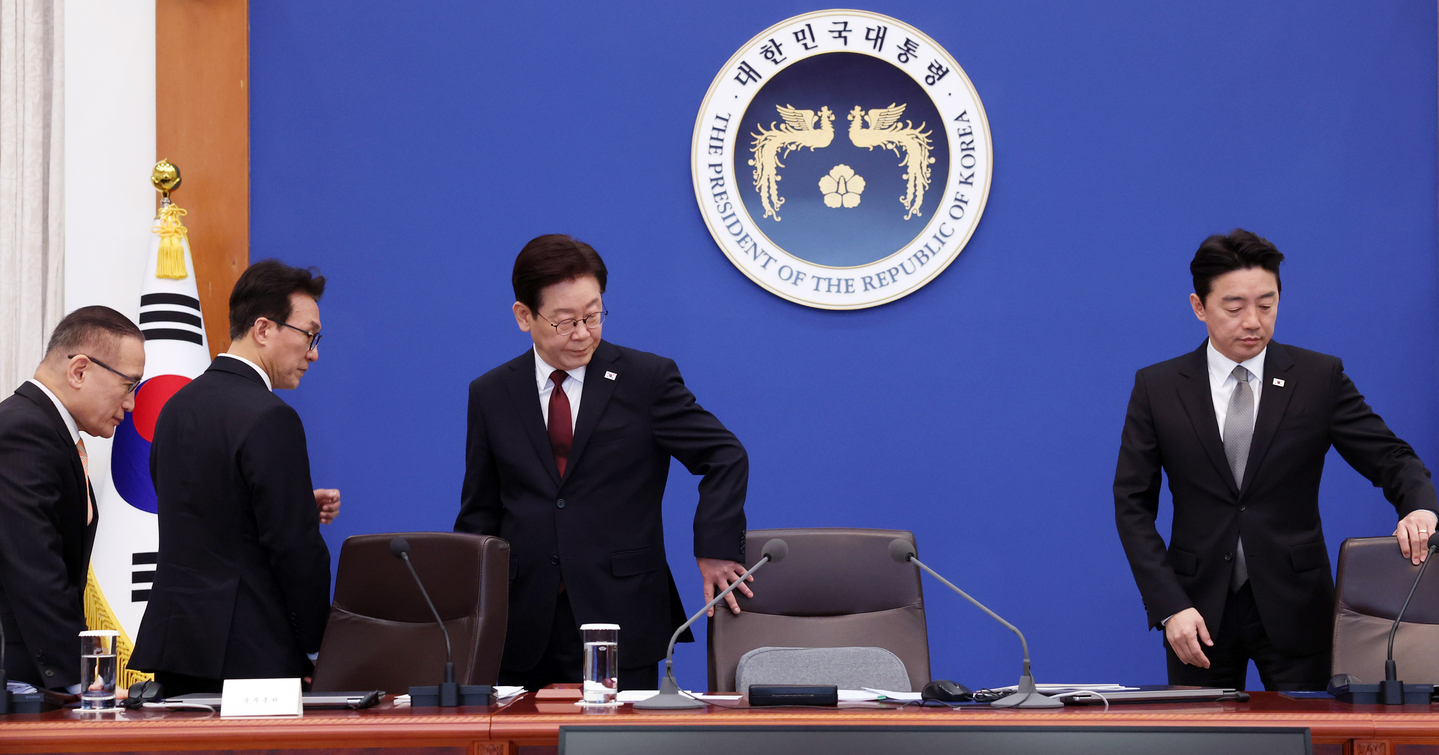
As conflict in the Middle East drags on, uncertainty in the global energy market has intensified. In response, the government has mobilized a range of short-term measures, including a 25 trillion won ($17 billion) supplementary budget, price controls and nationwide conservation campaigns. Restrictions on vehicle use have expanded from the public sector to major corporations, while electricity-saving measures are being enforced. President Lee Jae Myung, at a second emergency economic review meeting, said the government would refrain from raising electricity rates and urged public cooperation in conserving energy.
Such steps may be unavoidable in a crisis. However, relying on what is often described as "wringing a dry towel" falls short of addressing the scale of the current challenge. The core issue goes beyond disruptions in the Strait of Hormuz to what can be described as the weaponization of resources. Geopolitical conflict is destabilizing energy supply chains, with cascading effects on production, prices and broader economic stability. Without structural solutions, repeated crises will likely force the public to bear the burden each time.
Distortions in Korea's energy pricing system have already exposed their limits. Electricity rates, kept artificially low for political reasons, have encouraged excessive consumption. At the same time, the financial deficit of Korea Electric Power Corp. has continued to expand. The recent revival of a maximum price system for oil, the first in 30 years, along with expanded fuel tax cuts, risks deepening these distortions. Under such conditions, conservation campaigns alone are unlikely to deliver meaningful results.
A more fundamental response is required. At its core is a redesign of the country's energy mix. The government's decision to raise nuclear power utilization to above 80 percent and to restart reactors under maintenance is a necessary, if belated, step. Reducing dependence on expensive oil and liquefied natural gas is essential to strengthening energy security, and nuclear power remains a key baseload source.
Reactors that meet safety standards should be brought back online without delay. Extending the operating life of existing plants, as practiced in advanced economies, should also be considered. The current energy crisis is not a temporary shock but an enduring condition. A comprehensive strategy that integrates nuclear power expansion, renewable energy development and grid upgrades is needed.
Moving beyond price controls and conservation campaigns toward a more balanced and resilient energy mix is essential for navigating an era of persistent uncertainty and repeated geopolitical shocks.
This article was originally written in Korean and translated by a bilingual reporter with the help of generative AI tools. It was then edited by a native English-speaking editor. All AI-assisted translations are reviewed and refined by our newsroom.