The Anatomy of a Cold Open: Eight Podcasts, Eight Ways to Hook a Listener
A stopwatch, a Saturday, and the first sixty seconds of eight podcasts — from The Daily to The Rest Is History. What the data revealed about music, hooks, run‑time and which production choices still earn the listener's next minute.
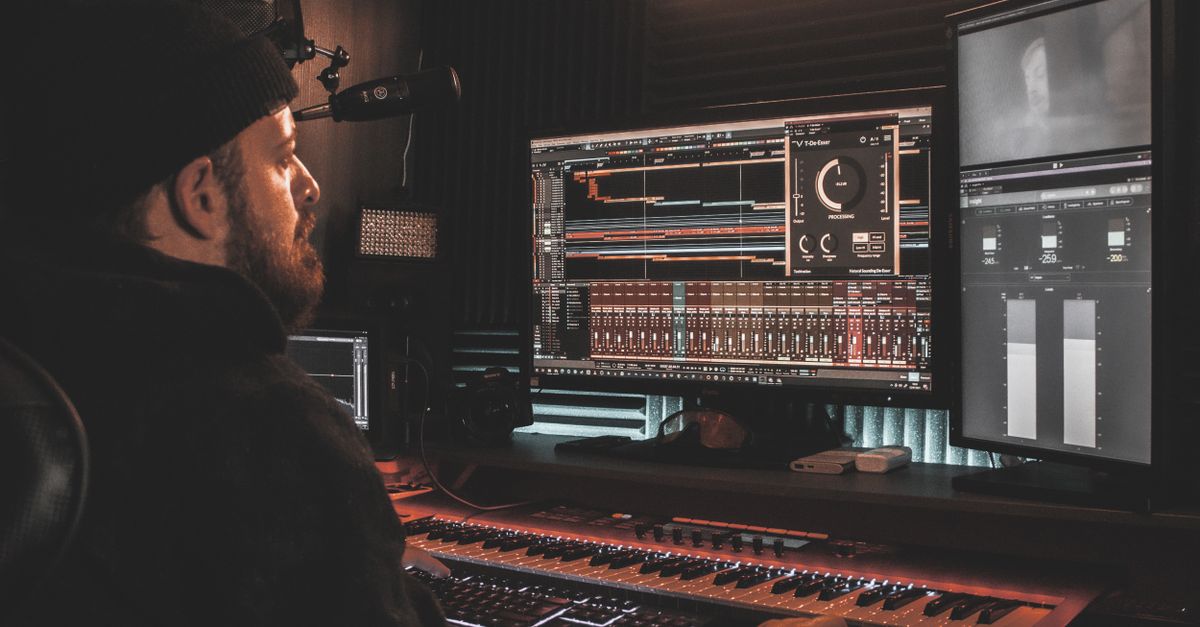
The first sixty seconds (and why they're the only ones you can count on)
The cold open is the only stretch of a podcast you can rely on a listener actually hearing. Spotify's own retention curves and Edison's quarterly Infinite Dial both tell roughly the same story: about a third of episodes opened are abandoned before the credits roll, and the steepest drop‑off cliff sits somewhere between the first and third minute. Whatever structural tricks a show pulls later — the cliffhanger before the mid‑roll, the chapter break, the rolling Q&A — the cold open is the show's one guaranteed audience.
Which is why it's odd how rarely we talk about cold opens as a craft decision. Editing a forty‑five‑minute conversation into something listenable gets all the column inches. The bit that decides whether anyone listens at all is treated as a flourish.
I spent a Saturday with a stopwatch, eight recent episodes and a notebook trying to fix that. Every show below released the episode I timed in the fortnight of 12–19 April 2026, and I deliberately chose shows in different registers: narrative non‑fiction, news roundtable, business interview, comedy chat, daily news. I timed the cold open from the first moment of audio to the moment the title music drops, and logged what was actually happening in those seconds — hook structure, who speaks first, whether music is doing the work.
Eight podcasts, side by side
| Podcast | Episode dated | Cold‑open length | Music under voice? | Hook structure | First voice |
|---|---|---|---|---|---|
| Serial Productions — narrative rebroadcast | 12 Apr 2026 | 0:48 | Single sustained low string | Tape clip → narrator question | Anonymous tape clip, then host |
| The Daily (NYT) | 17 Apr 2026 | 0:22 | None until sting | Headline + producer credit | Michael Barbaro |
| Hard Fork | 18 Apr 2026 | 1:12 | None | Banter cold open, no setup | Kevin Roose to Casey Newton |
| Acquired | 14 Apr 2026 | 0:38 | Subtle synth pad | Stat‑led hook | Ben Gilbert |
| The Rest Is History | 16 Apr 2026 | 1:34 | None | Anecdote, then tease | Tom Holland |
| 99% Invisible | 15 Apr 2026 | 0:55 | Lush bed throughout | Scene‑set in second person | Roman Mars |
| Search Engine | 17 Apr 2026 | 0:41 | Sparse piano | Question stated, then deferred | PJ Vogt |
| The Rest Is Football | 14 Apr 2026 | 0:16 | Brief stab | Joke + tease | Gary Lineker |
A few things jump out before we even get to the patterns. The range of run‑times is enormous: sixteen seconds at one end, ninety‑four at the other. The shows that lean into music tend to run shorter; the shows that don't, run longer. And the only show on the list that opens on pure banter without scene‑setting is Hard Fork, which has the luxury of a host duo audiences turn up specifically to hear talk to each other.
Pattern 1: the 'musical sting versus naked voice' divide
Roughly half the shows here use music underneath the cold open and half don't, and the choice tracks almost perfectly with whether the cold open is doing narrative work or conversational work.
99% Invisible, Search Engine and Acquired — three shows that need to set a scene or anchor a statistic in mood — all use a music bed, and all three keep it understated enough that you barely notice it on first listen. The Daily and Hard Fork, both conversational, run dry. The Serial Productions episode sits in the middle: a single sustained note, almost an ambient drone, that gives the tape clip a frame without scoring it.
The cleanest production lesson here is the negative version. A naked voice opening a serious news show signals seriousness. A music bed under a banter cold open signals 'we are about to play you a sketch' — and almost nobody on this list does that anymore, because audiences read it as cheesy. If you find yourself reaching for a string pad to make a chatty cold open feel more substantial, the chat is the problem, not the score.
Pattern 2: the four hook archetypes
I logged hook structure as I listened and the eight episodes collapsed neatly into four archetypes, each with its own logic and its own failure mode.
- The tape‑clip cold open. Used by Serial Productions and almost every narrative non‑fiction show with budget. You hear a moment from later in the episode, often in medias res, then the narrator steps in to frame it. Reward: the listener's brain immediately starts asking 'who is that and what's happening?', which is exactly the cognitive state you want before the title music. Risk: gets tired when overused, and gets actively annoying when the clip is twenty seconds of gunfire and someone shouting.
- The headline cold open. The Daily is the canonical example. Three sentences from the host that tell you what today's story is and why it matters, with almost no production. The whole thing rides on the host's authority. It is also the cheapest archetype to produce well and the easiest to produce badly — a flat read here kills the rest of the episode.
- The stat‑led cold open. Acquired runs textbook versions of this on the IPO retrospectives: a striking number, a small piece of context, then a tease. The number does the heavy lifting and earns the host another sixty seconds before the title music. The trap is the unsourced statistic; once a listener notices a host doing 'did‑you‑know' figures without attribution, the device is dead for the rest of the show.
- The banter cold open. Hard Fork and The Rest Is Football. Risky: works only when the chemistry is the show. Pleasant: gives the audience the immediate feeling that they are in safe, familiar hands. New shows that try this before they have built that capital almost always sound smug.
If your show is narrative‑led and you're not doing tape‑clip opens, you're probably leaving retention on the table. If your show is conversational and you're stitching tape‑clip opens onto it, you're probably alienating the audience that came for the hosts.
Pattern 3: length is the result, not the variable
I went into this expecting that the great cold opens would mostly be short. They aren't. The two longest on the list — The Rest Is History at 1:34 and Hard Fork at 1:12 — both work, and they work for opposite reasons.
Tom Holland gives you a story. Properly: a beginning‑middle‑end mini‑anecdote about whichever historical figure is up next, paid off with a tease into the rest of the episode. Ninety‑four seconds doesn't feel long because the structure is doing what stories always do — generating a small obligation in the listener to find out how it lands.
Kevin Roose and Casey Newton, by contrast, are basically chatting until they decide to start the show. It sounds like it shouldn't work, and works partly because Hard Fork listeners want to overhear two journalist friends. The risk, of course, is the day a listener tunes in not yet bought into them, which is why the show wisely puts the longer banter behind a 22‑second 'here is what we're talking about today' beat in the show notes and chapter markers.
The lesson: cold‑open length is downstream of structure. A scene needs the seconds it needs. Padding a thirty‑second cold open out to ninety because someone read that ninety‑seconds‑plus correlates with retention will produce a worse cold open than the shorter version.
Pattern 4: who speaks first matters more than people admit
In six of the eight episodes the first voice you hear is the host's. The two exceptions — Serial Productions opening on a tape clip, The Rest Is History opening on a quoted line — are both narrative shows, and both are gambles that pay off because the listener trusts the show's grammar enough to wait the four or five seconds for the host to arrive.
This is one of the few places where small shows reliably get the call wrong. New podcasts often try the tape‑clip‑first or quote‑first opening because they've heard it in This American Life or Serial and want to inherit the gravitas, and they don't yet have the trust capital to make the listener wait. The show that has earned 'open on something I don't yet understand' has done so by being predictable elsewhere — the run‑time, the voice, the cadence. Predictability is what licenses the early ambiguity.
Three rules I'd hand a producer tomorrow
If I were briefing a new show on cold opens, I'd write three rules on a postcard and pin it above the editing desk.
- Match the cold open to the register of the show, not to the show you wish you sounded like. Conversational shows do conversational opens. Narrative shows do narrative ones. Hybrids almost never work in the first sixty seconds.
- Cut the cold open after you've finished writing the rest of the episode, not before. Most weak cold opens are first drafts that survived because nobody had time to revisit them. Treat the cold open as the last edit, not the first.
- If the music bed is doing the work, the writing isn't. A score should make a strong cold open stronger; it shouldn't be the reason a cold open works. Strip the music out, listen to the take dry, and if the dry version is flat, fix the writing before you reach for the pad.
Cold opens are one of the few production decisions where the cost of getting it right is small and the cost of getting it wrong is enormous. Eight episodes in one Saturday is a small dataset, and every show on this list earns its current opening for show‑specific reasons — but if there is a pattern across the lot of them, it is that the producers who treat the cold open as a craft decision rather than a default are the ones still being listened to thirty minutes later.